
Best Combination Whetstones: Two Grit Stones for Kitchen Knives for 2026
Disclosure: We may earn a commission when you buy through links on this page, at no extra cost to you. As an Amazon Associate I earn from qualifying purchases. Learn more

The best combination whetstone has a coarse side and a fine side on one block. See which grit pairs, sizes and bases suit your kitchen knives and skill level.
A combination whetstone joins two grits in a single block: a coarser side that removes metal and a finer side that polishes the edge. One stone then handles repair, sharpening and finishing, which is why it is the usual first purchase for a home cook. The best combination whetstone pairs two grits that suit your knives, has a base that holds it steady, and is easy enough to look after that you will actually use it.
The product table above lists stones from Japanese makers and from well known sharpening brands, in grit pairs from coarse and medium to fine. This guide explains the numbers, the sizes and the habits that make a whetstone work, so you can choose with confidence.
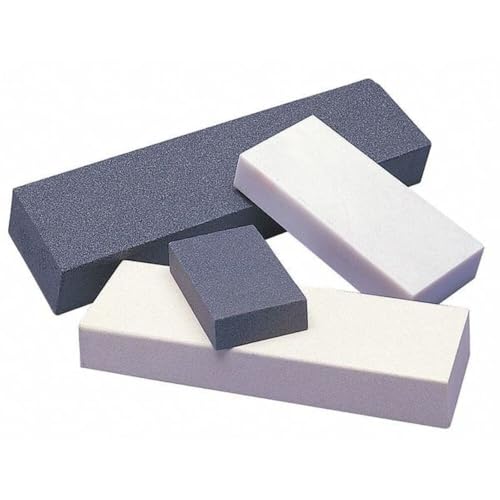


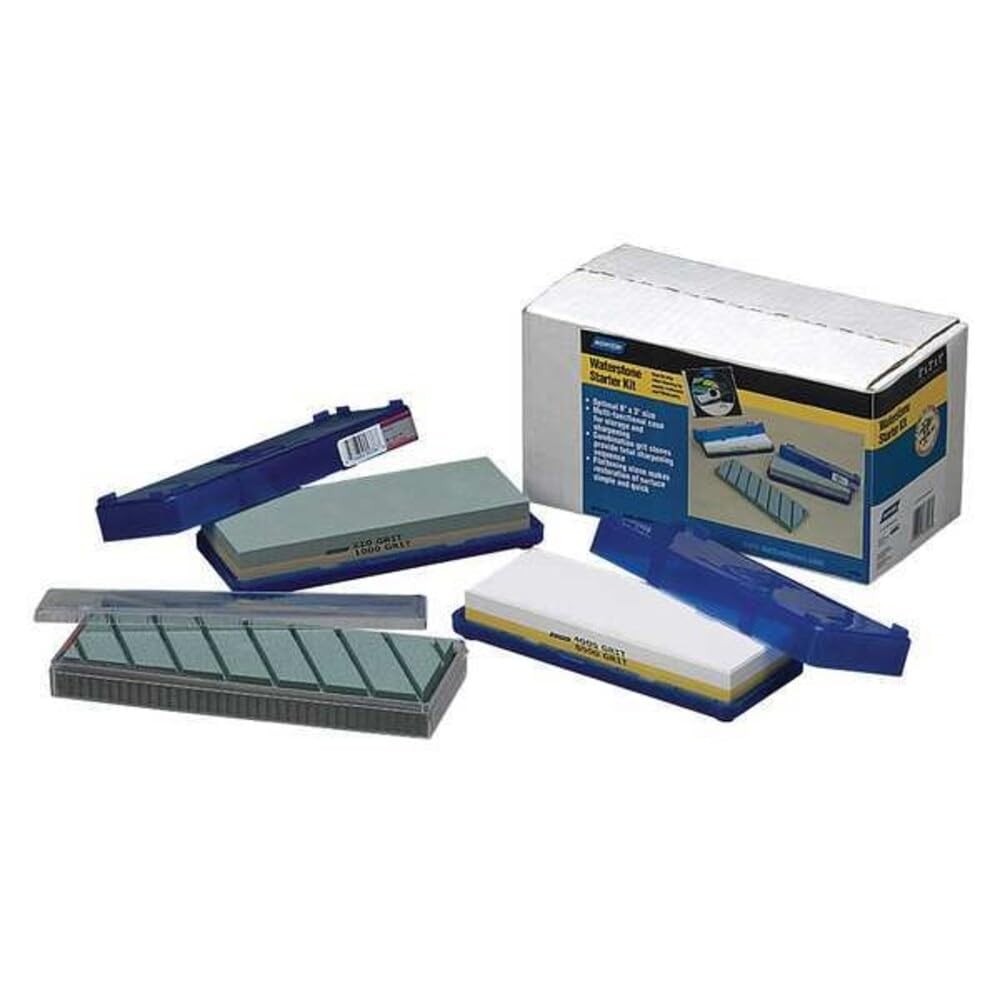
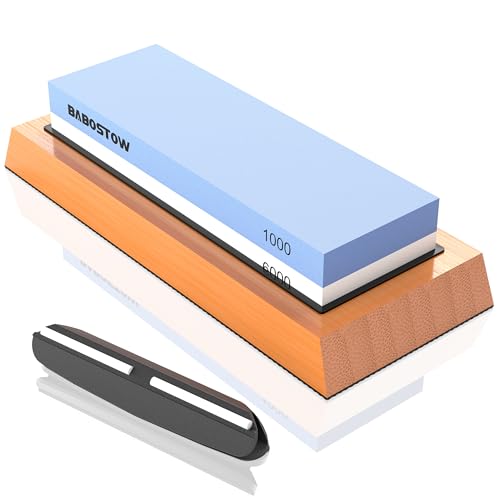
Understanding Grit in the Best Combination Whetstone
What the Numbers Mean
Grit numbers describe how fine the abrasive is, and a higher number means a finer surface. A stone listed as 1000 and 6000 has a medium side for sharpening and a fine side for polishing. A stone listed as 400 and 1000 has a coarser pair, which suits repair work on dull blades.
Common Pairings
Pairs near 1000 and 3000 give a smooth edge for general kitchen use, while 1000 and 6000 pairs finish to a sharper polish. Very coarse pairs, such as 120 and 280, are meant for repairing chips and for tools, not kitchen polish. If you are not sure, a 1000 and 6000 pair is the classic beginner choice.
Single Stone Versus Set
A single combination stone is simple and affordable, but a set may include an angle guide, a flattening stone and a base. Those extras make learning easier, because holding a steady angle is the hardest part of whetstone work. Several listings in the table bundle those items.
Stone Features That Matter
Size and Thickness
A longer stone gives you more room for a full knife stroke, and thickness decides how long it lasts before it wears away. Look for dimensions in the listing, and choose a length that is at least as long as your blade is wide.
Base and Stability
A slipping stone is dangerous and frustrating. Rubber or bamboo bases hold the stone in place, and a damp towel under the stone works in a pinch. Some stones come with a plastic holder, and others sit directly on a counter.
Soaking Versus Splash and Go
Traditional water stones need a soak of several minutes before use, while some modern stones only need a splash. The listing or the manual will tell you which applies. Never soak a stone that the maker says to wet only briefly, because it can crack.
Using a Combination Whetstone
Place the coarse side up for the first stage, and hold the knife at a steady angle with light pressure. Work one side of the edge until a thin burr forms along the whole length, then flip the blade. Switch to the fine side and use lighter strokes to remove the burr and polish the edge.
Keep the surface wet while you work, and rinse the slurry away between stages. Wipe the knife and check it on a piece of paper. For more help, read how to use a whetstone, the best whetstone for beginners page and the best whetstone for kitchen knives guide.
Matching a Stone to Your Knives
Everyday Stainless Kitchen Knives
Most European style chef knives and paring knives are stainless and fairly soft, so a medium and fine pair is enough. A 1000 and 3000 or 1000 and 6000 stone brings a dull blade back to slicing sharpness in a few minutes. Expect to repeat the process a few times a year.
Hard Japanese Steel
Harder steels hold an edge longer, but they chip more easily if handled roughly. A fine polishing side is valuable for them, and a light touch matters more than speed. Check the maker's care advice before you start, and avoid twisting the blade on the stone.
Outdoor Knives and Tools
Pocket knives, garden shears and chisels often arrive with a blunt, thick edge that needs more metal removed. A coarse side helps here, so look for pairs that start near 400 or lower. Use plenty of water and keep strokes consistent to avoid a wavy edge.
Looking After the Stone
Over time the center of a stone dishes out, and a hollow surface gives a poor edge. Flatten it with a flattening plate or fine sandpaper on a flat surface every few uses, and keep the stone dry between sessions. For deeper cleaning advice, see how to clean a whetstone.
Quick Buyer Checklist
- Does the grit pair suit your task, such as 1000 and 6000 for general sharpening?
- Is the stone long enough for your largest knife?
- Does it include a base, holder or non slip mat?
- Does the listing say whether it needs soaking?
- Is an angle guide or flattening stone included, or sold separately?
- Is it suitable for your knife steel, such as carbon or stainless?
- Is there a clear description of the material and its origin?
Red Flags to Watch For
- Grit numbers that are not stated for both sides.
- Stones without any base on a smooth surface.
- Vague claims about "ceramic" or "diamond" with no explanation.
- Reviews that report cracking after normal use.
- Very cheap sets that include mostly accessories and a thin stone.
FAQ
How often should I sharpen with a whetstone?
Home knives usually need a session every few months, and honing with a rod in between helps. Sharpen when a tomato resists the blade, not on a fixed calendar.
Which side do I use first?
Start with the coarser side to set the edge, then move to the finer side to polish it. If your knife is only slightly dull, you can start on the finer side.
Can I sharpen serrated knives on a whetstone?
Not easily. Serrated blades need a tapered tool that fits each scallop, so use a whetstone for plain edges only.
Choose a grit pair you can grow with, a stone long enough for your largest knife and a base that keeps it steady, and the best combination whetstone will pay you back every time you cook. Use the product table above to compare sizes and grit pairs.


