
Best Combination Smoke and Carbon Monoxide Detectors: Power Source and Sensor Types Compared for 2026
Disclosure: We may earn a commission when you buy through links on this page, at no extra cost to you. As an Amazon Associate I earn from qualifying purchases. Learn more

How to pick the best combination smoke and carbon monoxide detectors: compare sealed battery, replaceable battery and hardwired alarms, sensors and expiry dates.
One alarm that listens for both smoke and carbon monoxide means fewer devices on the ceiling and fewer batteries to track. It also means one more thing to get right, because a combined unit must be placed, powered and replaced correctly to do both jobs. The best combination smoke and carbon monoxide detectors are the models whose power source, sensors and lifespan fit the home you actually live in.
The product table above lists sealed battery alarms, replaceable battery models and hardwired units with battery backup. This guide walks through the differences in plain language, so you can choose the right power source first and then look at features.

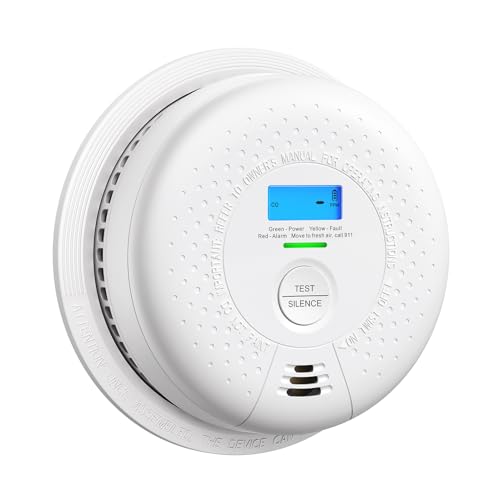

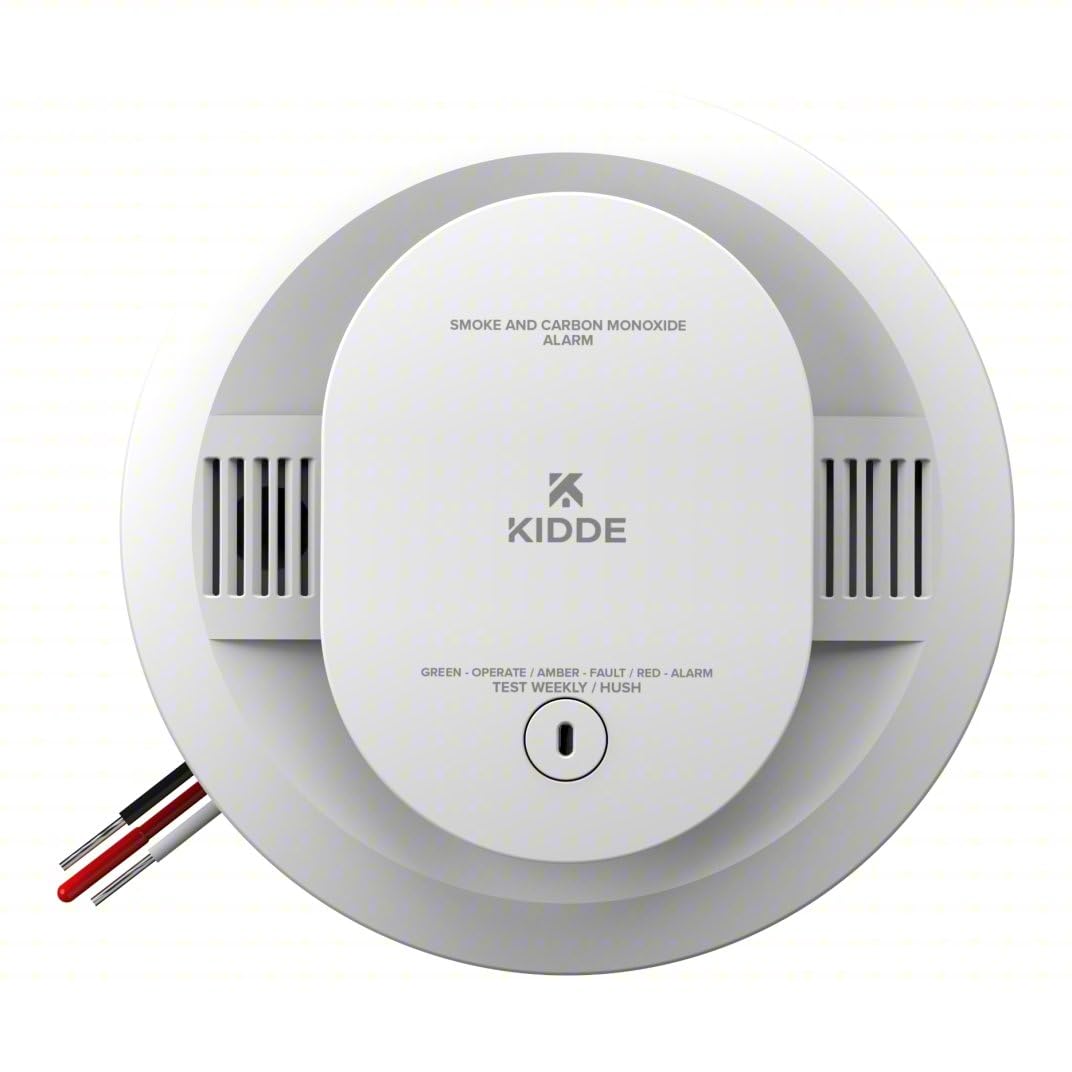

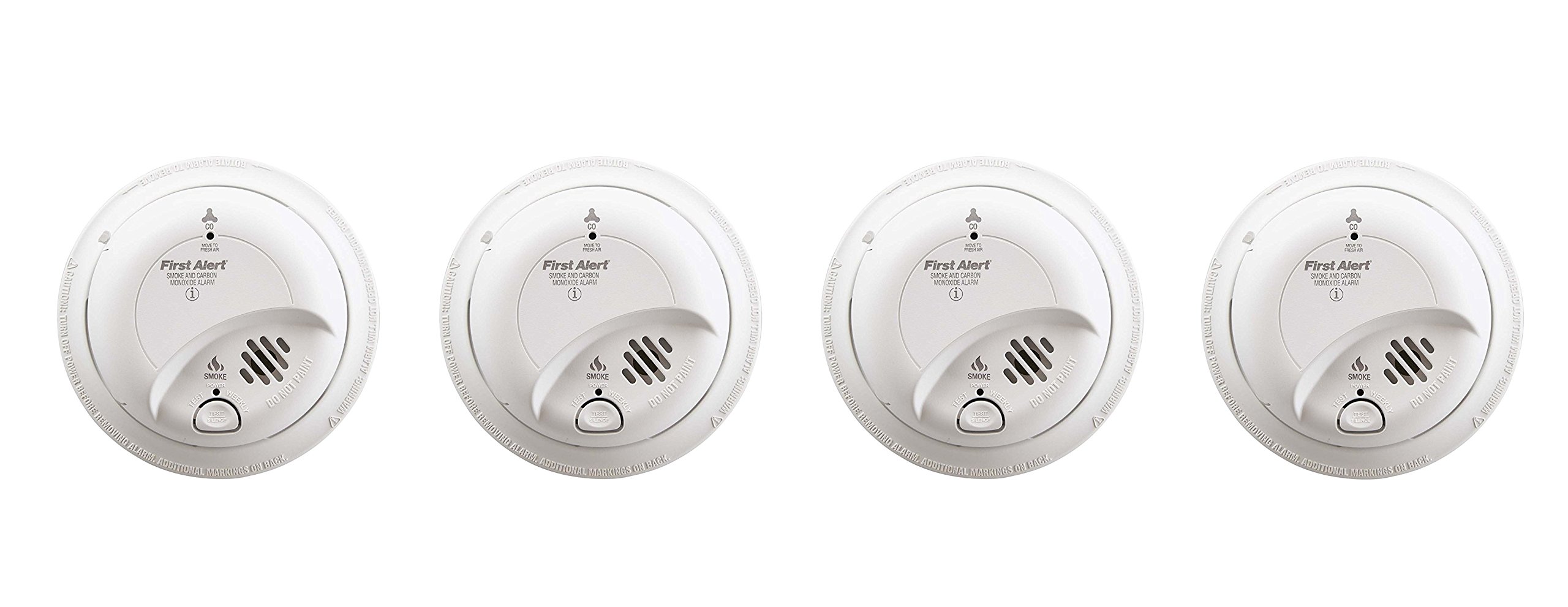
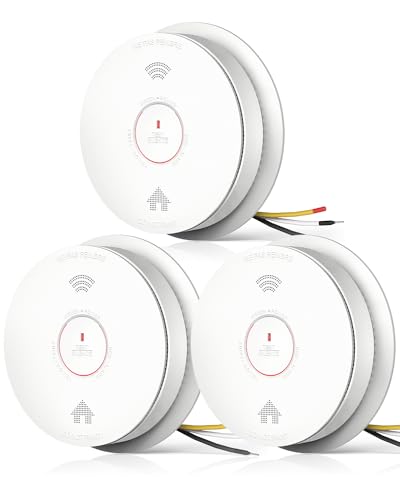
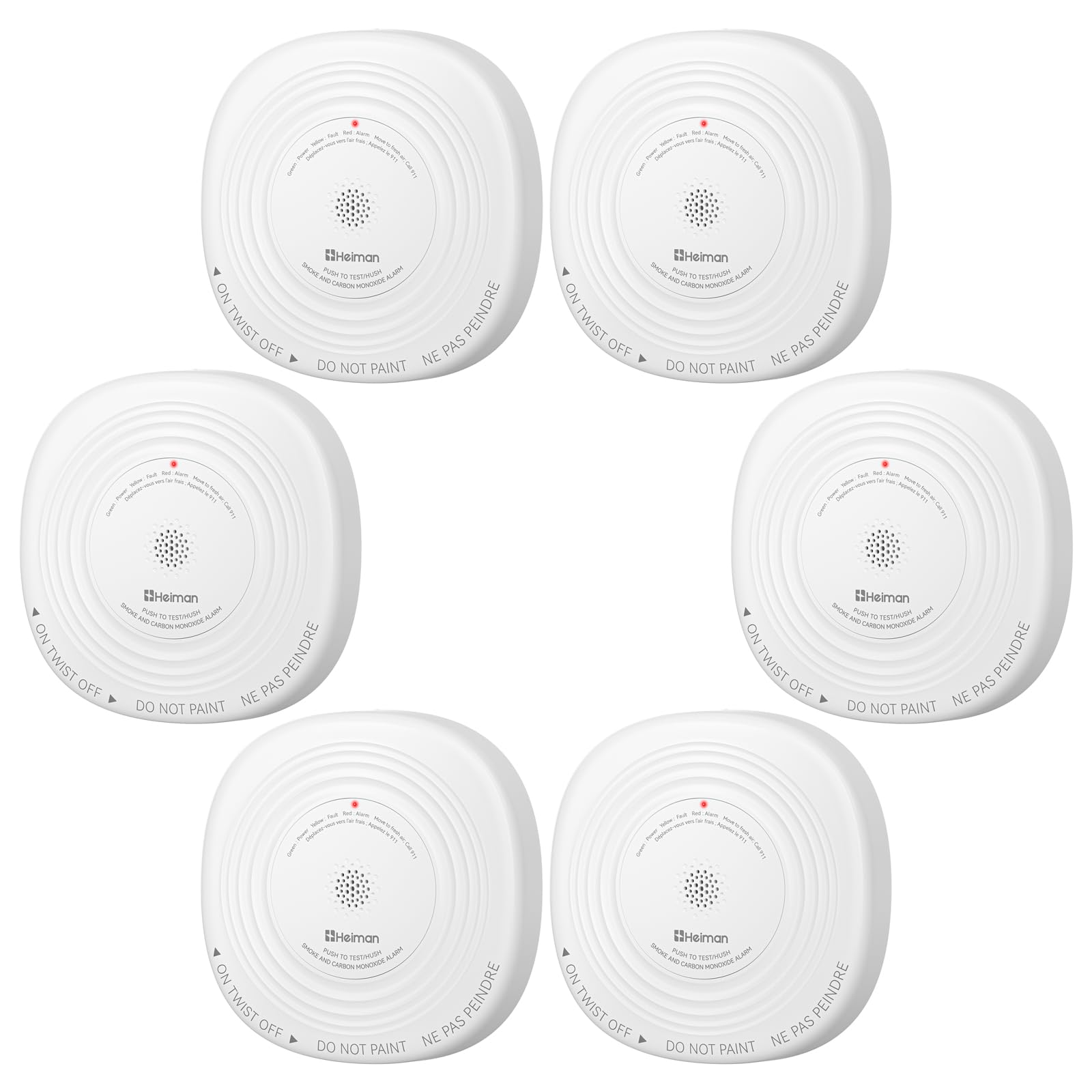

How the Best Combination Smoke and Carbon Monoxide Detectors Sense Danger
Smoke Sensors: Photoelectric and Ionization
A photoelectric sensor reacts to the larger particles from slow, smoldering fires, while an ionization sensor reacts faster to small, flaming fires. Many fire safety groups suggest homes have photoelectric coverage, and some alarms combine both sensor types in one case. Read the product description, because the sensor type is stated clearly on good listings.
Carbon Monoxide Sensors
The carbon monoxide side usually uses an electrochemical cell that reacts to the gas and produces a small signal. These cells wear out, which is why every alarm has an end of life date. When that date arrives, the whole unit should be replaced, even if the smoke part still seems to work.
Choosing a Power Source
Sealed 10 Year Battery Models
These models carry a non replaceable battery meant to last as long as the alarm itself. Installation is a screw or an adhesive plate, so they suit renters and anyone who dislikes electrical work. The product table includes several multi packs, which is helpful when you need an alarm for every bedroom and hallway.
Replaceable Battery Models
Alarms that take standard batteries cost less at the start, and you can swap cells at home. The catch is remembering to do it, because a dead battery chirp at three in the morning is the classic reminder. Set a yearly calendar entry on a memorable date.
Hardwired Models With Battery Backup
Hardwired alarms connect to household wiring and keep a battery as backup in a power cut. Many can be linked, so an alarm in the basement sounds all the alarms upstairs. Replacing an old hardwired unit with a matching model is often simple, but follow local rules about who may do electrical work.
Features Worth Paying For
Interconnection
Interconnected alarms make sure every sleeping area hears the warning. Wireless linking avoids running cable, while hardwired linking uses the existing wiring in your walls. Do not mix brands in the same linked group, because alarms from different makers usually cannot talk to one another.
Voice Alerts and Display
Some models announce whether the problem is smoke or carbon monoxide and some show a digital reading. A voice that says which hazard it senses can reduce confusion when you wake up in a hurry. A display is not essential, but it helps when you want to confirm that a low level warning has cleared.
Silence Button and Nuisance Control
A hush button lets you pause a kitchen alarm without removing the battery. Choose a model with that feature if your kitchen opens onto a hallway. Never disable an alarm to avoid a nuisance trigger.
Where and How to Install
Follow the manufacturer's instructions for the exact spacing from walls, corners and kitchen appliances, because they differ by model. In general, alarms go inside each bedroom, outside sleeping areas and on every level. Mount smoke sensing alarms high, and place carbon monoxide sensing units as the manual directs.
For deeper comparisons, see the guides to best interconnected smoke and carbon monoxide detectors and best smart smoke and carbon monoxide detectors. If you only want a gas alarm, read the best carbon monoxide detectors page.
Room by Room Planning
Bedrooms and Sleeping Areas
Alarms matter most where people sleep, because that is where you are least alert. Put one inside each bedroom and one in the hallway outside the group of bedrooms, as the manual directs. With a sealed battery multi pack, this is usually a quick afternoon job with a screwdriver.
Kitchens and Garages
Cooking fumes set off smoke sensing alarms, so keep them well away from the stove and follow the spacing in the instructions. A hallway nearby is usually the better spot. Garages and workshops can also expose an alarm to dust, cold and exhaust, so check that the temperature range on the label suits the space before you mount one there.
Basements and Utility Rooms
Fuel burning appliances such as furnaces and water heaters often live in the basement, so a combination alarm near the stairs helps cover the gas side. Use an interconnected set so a warning there is heard upstairs. Keep the vents clean of dust and stored items.
Budget Planning Over the Alarm's Lifespan
A low price replaceable battery alarm can end up costing more once you add years of batteries, while a sealed model costs more at the start and then needs nothing. Count the number of alarms you need, then divide the total by the years until the date on the label. That per year figure is a fairer way to compare a single alarm with a multi pack.
Smart and voice models cost more again, and it makes sense to pay for them in the places where a phone alert will actually change what you do, such as a vacation home or a rental. For a typical house, plain alarms with clear sensors in every room already give you strong coverage.
Quick Buyer Checklist
- Do you want a sealed battery, replaceable battery or hardwired unit?
- Is the sensor type named in the listing?
- Does the packaging show a clear expiry or replacement date?
- Do you need interconnected alarms, and are all in the group the same brand?
- Does the pack size cover every bedroom and hallway?
- Does the alarm have a hush feature for the kitchen?
- Are the instructions clear about spacing and placement?
Red Flags to Watch For
- No mention of a recognized safety listing on the product page.
- A missing end of life date on the packaging.
- Alarms sold for linking without saying which models they connect to.
- Unclear battery claims, such as "long life" with no stated years.
- Unbranded units with very few buyer reviews.
Care Tips
Press the test button on a schedule set by the manual, and vacuum the vents gently to remove dust, which can cause false alarms. Write the install date on the back of each unit with a marker so you can see the age at a glance. Replace the whole alarm at the end of its life, not just the battery.
FAQ
Can one alarm replace separate smoke and carbon monoxide alarms?
Yes, a combination unit senses both and is allowed in most homes, provided it is installed where the manual says. If you want extra coverage, add more units rather than moving one around.
How often should I replace combination alarms?
Follow the date printed on each unit, which is commonly in the range of seven to ten years. The date matters because the sensors lose sensitivity with age.
Why does my alarm chirp once in a while?
A single chirp usually means a low battery or an end of life warning. Check the manual to learn which pattern your model uses.
The best combination smoke and carbon monoxide detectors match your wiring, your habits and your floor plan. Settle the power source first, add the features you need, and then use the product table above to compare models.


