
Best Combination Smoke and CO Detectors: Interconnected, Wireless and Standalone Types for 2026
Disclosure: We may earn a commission when you buy through links on this page, at no extra cost to you. As an Amazon Associate I earn from qualifying purchases. Learn more

Wondering which of the best combination smoke and CO detectors to buy? Compare linked, wireless and standalone alarms and how each fits your layout.
In most homes the hard part of fire and gas warning is not buying one alarm. It is making sure that an alarm in the basement can wake someone on the top floor. The best combination smoke and CO detectors are the ones that talk to one another, sound clearly, and stay quiet when you are only searing a steak.
The product table above mixes standalone alarms, wireless linked sets and hardwired models, so it helps to understand how each type reaches the other rooms. The sections below cover linking methods, installation and the small habits that keep a house of alarms working for years.

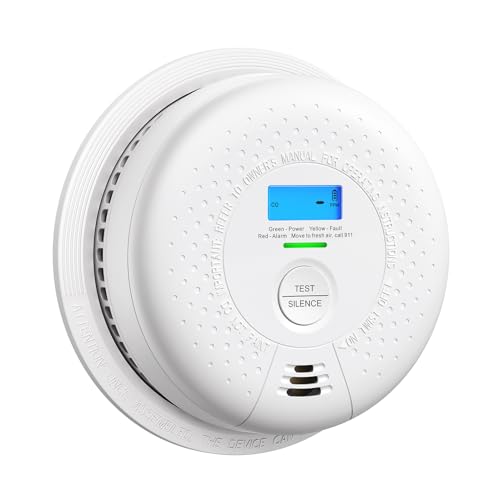

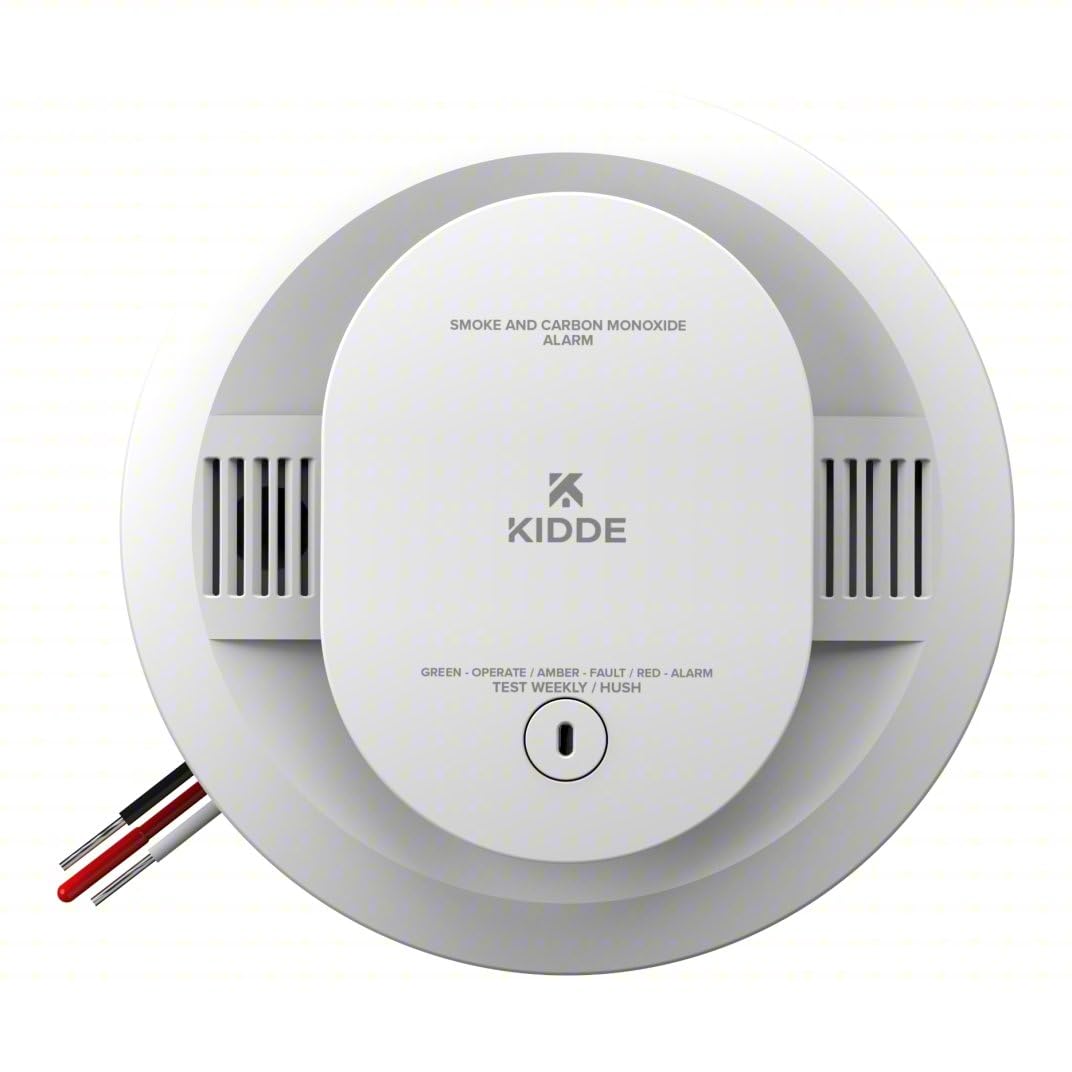

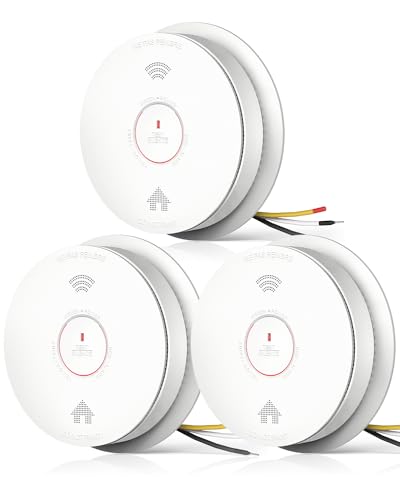
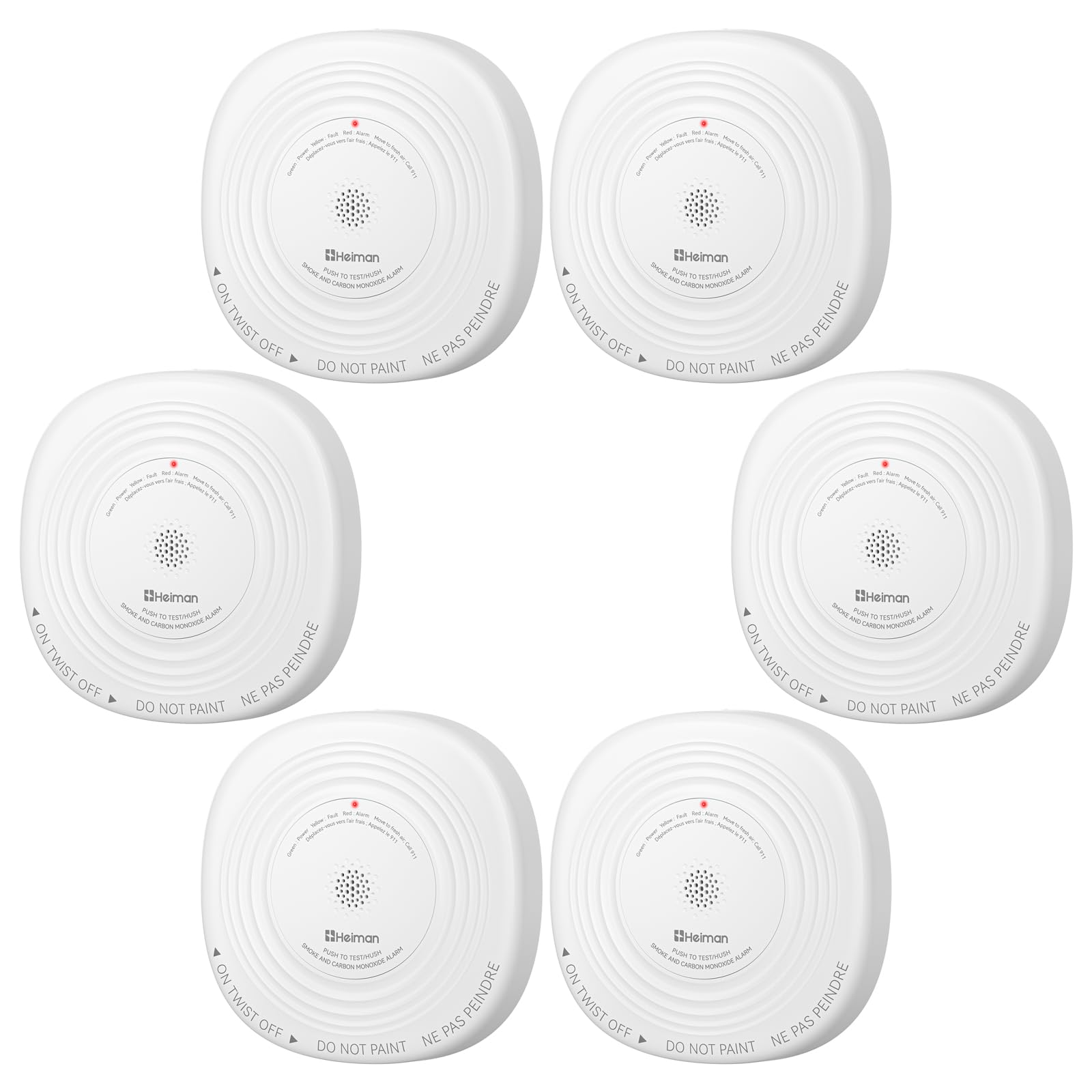

Linking Methods in the Best Combination Smoke and CO Detectors
Standalone Alarms
A standalone alarm sounds only in the room where it senses a problem. That can be enough in a small apartment, where one hallway alarm is heard everywhere. In a two story house, standalone units leave gaps, so add one per level and one inside each bedroom.
Wireless Interconnected Sets
Wireless sets use a radio link so that when one alarm sounds, the rest sound too. They are the simplest way to add whole house coverage without opening a wall. Buy a set from a single brand and pair them according to the instructions, because alarms from different makers usually do not link.
Hardwired and Linked Through Wiring
Hardwired alarms draw power from the house circuit and often link through an extra wire between units. They keep a battery as backup. If you are replacing existing hardwired alarms, pick models that match the plug and the linking method that are already in your ceiling, and ask an electrician if you are unsure.
Reducing False Alarms
Nuisance alarms teach people to ignore the sound, which is the worst outcome. Keep alarms away from bathrooms, where steam can trigger some sensors, and away from the kitchen as far as the instructions suggest. A hush button that silences the alarm for a few minutes lets you clear the air without taking out the battery.
Photoelectric sensors usually cause fewer toast and steam alarms than ionization sensors. Many combination alarms now use photoelectric smoke sensing for that reason, and the listing normally says so.
Details That Help in Real Life
Voice Messages
A recorded voice that says smoke or carbon monoxide tells you which hazard you face and in which room. Some linked alarms also announce the location. That is useful in a larger home, where a plain beep does not tell you where to look.
Battery Backup and Chirps
All alarms need a way to warn you when the battery is low. Sealed battery models give a chirp pattern, while replaceable battery models chirp until you swap the cell. Check that you can hear the chirp pattern clearly from your bedroom.
Mounting and Plates
Screw plates are more secure than adhesive mounts, but adhesive suits renters. Whichever you choose, mount the alarm at the height in the manual. Ceilings with sharp slopes or beams need extra care, so read the section on peaked ceilings before you start.
Which Setup Fits Which Home
A small apartment or a studio usually needs one or two alarms, and standalone sealed models are plenty. A two story home benefits from a wireless set that links every floor. A larger or older house with existing wiring is a good candidate for hardwired units that link automatically.
If you are replacing alarms, our best hardwired smoke co detectors guide covers wiring in more detail, and the best co and smoke detectors page compares other formats. For general coverage tips, the best combination smoke and co2 detectors page explains an often confusing label.
Planning a Whole House Layout
A Simple Floor Plan Method
Sketch your floors on a sheet of paper and mark every bedroom, hallway and stairway. Place one alarm in each bedroom, one in the hall outside the bedrooms and one on each level, including the basement. Count the marks and you have your shopping number, which is usually more than people expect.
Mixing Alarm Types
Some homes combine a few hardwired alarms with wireless units in rooms that are hard to reach. That works if each group links within itself and you check each group on its own schedule. Label the groups on the back of each alarm so you remember which is which.
Replacing Old Alarms
Check the date on every alarm you already own and replace anything near or beyond its life. Do not just swap the battery in an old unit, because the sensor ages too. When you replace a hardwired alarm, bring the old model number to the store so the new one fits the same bracket and plug.
Costs Beyond the Sticker Price
Pack prices make multi alarm sets look cheap, but remember to count batteries, mounting hardware and any extra bridge or hub a smart alarm needs. A set with sealed batteries costs more at first but saves ten years of battery changes. Hardwired alarms may add an electrician's fee if you are not comfortable replacing them yourself.
It also pays to buy a couple of spares, because a chirp on a holiday weekend is not the time to find that your model is out of stock. Keep the receipts and warranty cards together with the manuals, in one folder, so replacement is painless if a unit fails early.
Quick Buyer Checklist
- Do you need alarms that link, and which method fits your home?
- Are all alarms in a linked group from the same brand and line?
- Does the package include the batteries or mounting hardware?
- Is there a hush feature for kitchen triggered alarms?
- Can you hear a chirp or voice message from the bedroom?
- Is the replacement date printed on the alarm?
- Does the manual explain the placement for your ceiling type?
Red Flags to Watch For
- Claims of linking with other brands that the instructions do not support.
- Missing information on the battery type or its lifespan.
- Alarms with no recognized safety listing on the product page.
- Very loud marketing claims with very little technical detail.
- Reviews that mention frequent false alarms in normal use.
Maintenance Tips
Press the test button as often as the manual says, and ask a family member to listen from the farthest bedroom. Gently vacuum around each alarm now and then so that dust does not build up in the sensing chamber. Keep spare batteries for replaceable models in the same drawer as the manual, and replace each alarm when the label date arrives.
FAQ
Do all alarms in a house need to be the same brand?
Only the ones you want to link. A mixed brand home still works, but each brand forms its own group, so a warning may not reach every room.
Is a wireless set as reliable as hardwired alarms?
Both are widely used. Wireless sets depend on a radio link that can be affected by thick walls, so check the link in the farthest room after you install.
Can I stop a false alarm without removing the battery?
Use the hush button, and open a window to clear the air. Removing the battery leaves you with no warning when you need one.
The best combination smoke and CO detectors give every sleeping area a warning without bothering you in the kitchen. Decide how your alarms will link, then use the product table above to compare models.


