
Best Combination Safe: Dial and Keypad Home Safes Compared for 2026
Disclosure: We may earn a commission when you buy through links on this page, at no extra cost to you. As an Amazon Associate I earn from qualifying purchases. Learn more

Choosing the best combination safe starts with dial versus keypad, fire and water protection, size and mounting. Here is how to match a safe to what you store.
A combination safe opens with a code instead of a key, so there is nothing to lose and nothing for a thief to pick. That simple idea comes in many forms, from a small wall mounted lockbox to a floor safe that weighs as much as a washing machine. The best combination safe for you is the one sized for your valuables, rated for the risks you worry about most, and fastened where a burglar cannot easily carry it away.
Start with what you want to protect: documents, jewelry, cash, media drives, or a mix. Then decide how you want to open it, which is mostly a choice between a mechanical dial and an electronic keypad. The sections below cover each decision in turn.
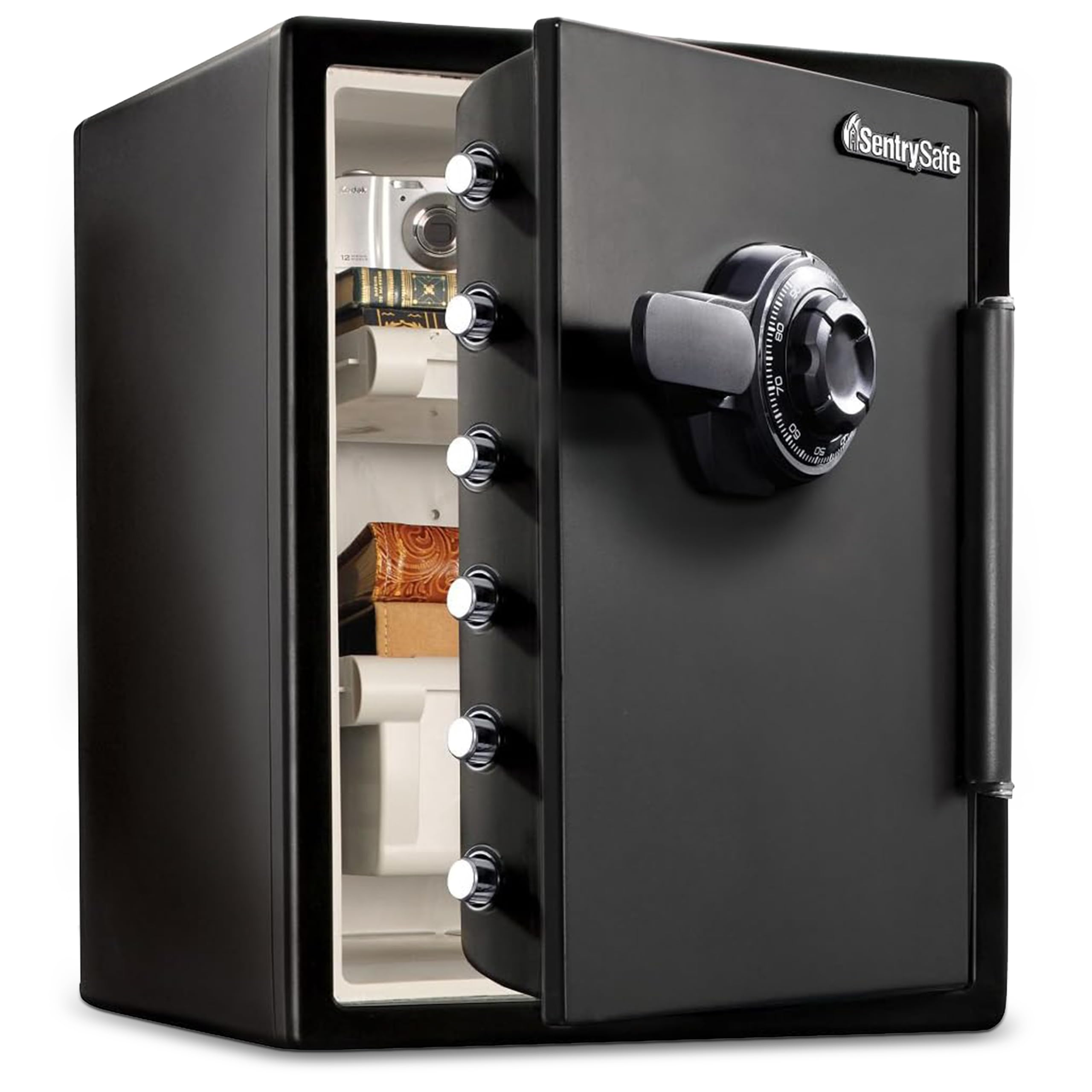


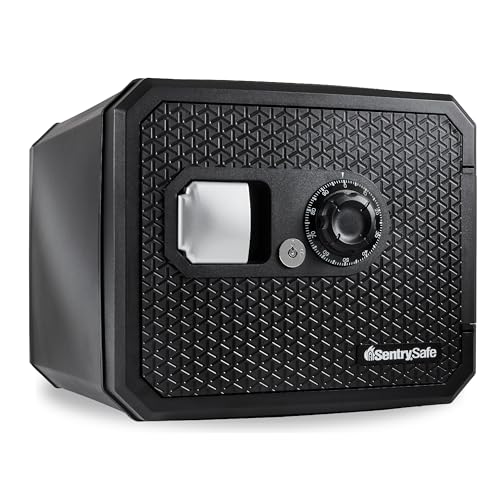
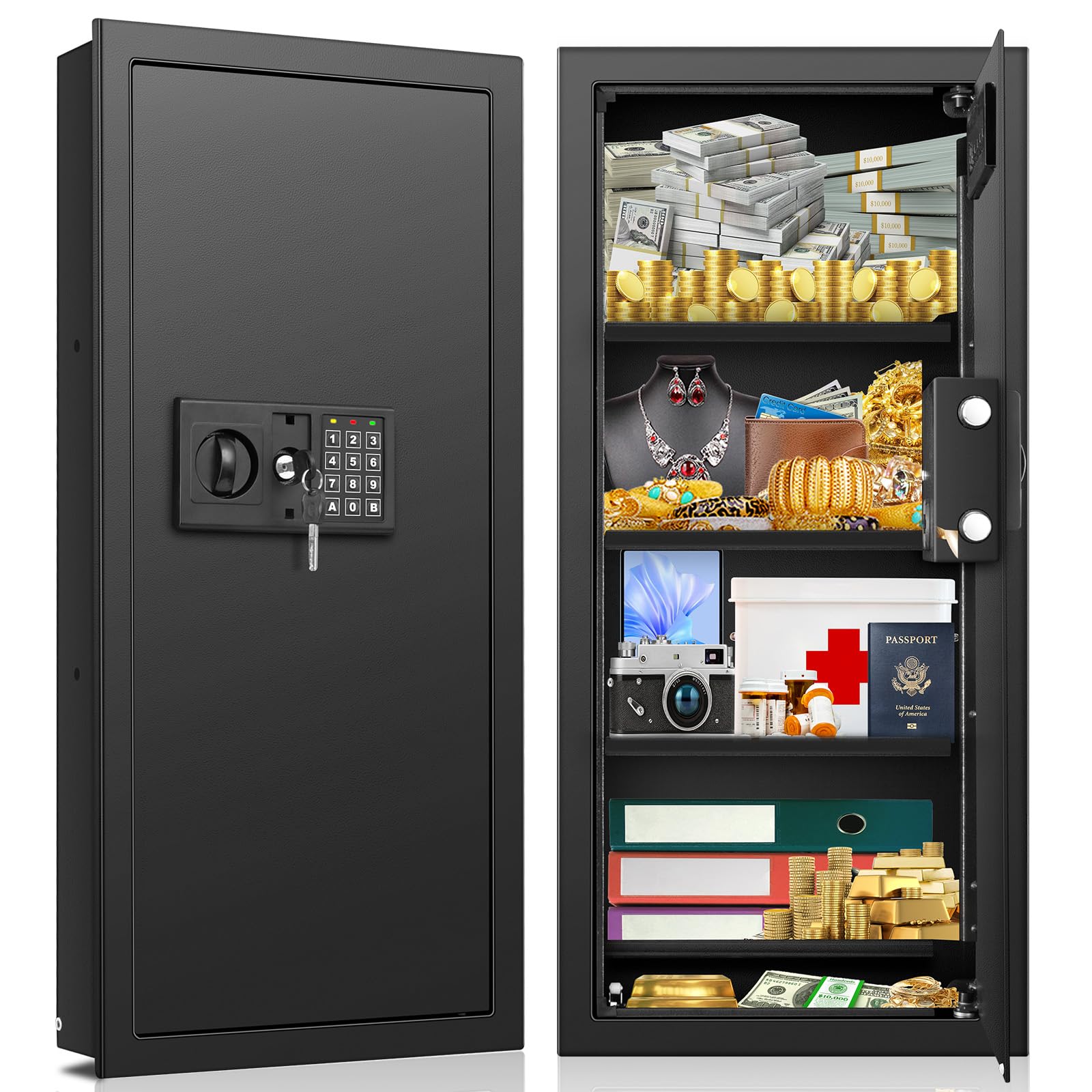

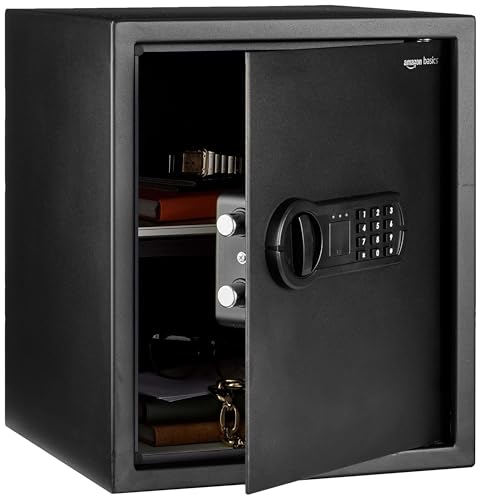
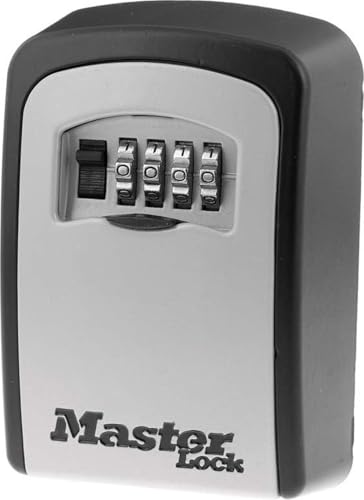

Choosing the Best Combination Safe: Dial or Keypad
Mechanical Dial Locks
A dial lock is entirely mechanical, so no battery can fail and no circuit board can wear out. You turn the dial to a series of numbers in the right order, and the bolts retract. The trade is speed: a dial takes several seconds to open and can be awkward in a dark closet.
Several of the safes in the product table use a dial, which is a good fit for long term storage of documents you rarely need.
Electronic Keypads
Keypad safes open in a second or two and let you change the code whenever you like. They run on batteries, so replace them on a schedule and keep the override key in a separate place. Pick a keypad with a keyed backup if you store anything you cannot afford to be locked out of.
Protection That Actually Matters
Fire Protection
Fire ratings tell you how long the interior stays below a temperature that damages paper, and they come with a time and a temperature in the listing. A rating is useful, but remember that digital media and photographs need a much lower internal temperature than paper. If you store drives or discs, look for a safe that names media protection specifically.
Water Protection
Waterproof ratings refer to a stated depth and time, so read the exact wording. A safe that resists a few inches of water for a day is fine for a burst pipe, but it is not the same as a safe that survives a flood. Place any safe off the floor if your basement is prone to leaks.
Security Against Theft
Weight and bolting matter more than the lock. A small safe that is not anchored can be carried out whole, so choose a model with pre drilled holes and use the supplied hardware in a concrete floor or a wall stud. Thicker steel and solid bolts slow a pry attempt much more than a fancier lock.
Picking a Size and a Place
Interior volume is quoted in cubic feet, and the usable space is smaller than it seems. Add up the largest item you need to store, such as a folder or a laptop, and leave room to grow. A shelf inside a mid size safe is handy, because it lets you keep documents flat and small items off the bottom.
Wall safes fit between studs and hide behind a picture, which makes them harder to find but limits depth. Floor safes sit flush and are very hard to remove. Freestanding home safes are the easiest to install and the easiest to carry off, so anchor them.
For other access control products, our guides to the best combination locks and the best combination padlock cover the smaller cousins of a home safe.
Common Use Cases and What They Call For
Documents and Valuables Together
Most households mix paperwork with small valuables, such as passports, a few pieces of jewelry and spare keys. A mid size safe with a removable shelf handles that mix well and keeps folders flat. Choose a model with a rated fire interior if the paper is hard to replace.
Cash and Small Items
Cash and jewelry take almost no space, so security matters more than volume. A heavy, bolted safe with a keypad that locks out repeated wrong codes is a better choice than a large but light box. Hidden wall safes also suit this need because a thief has to know where to look.
Family Documents in a Rental Home
Renters often cannot drill into walls or floors, so a freestanding safe with a heavy body is the realistic option. Ask your landlord before you anchor anything, and consider a safe that can be bolted into a closet shelf or the back of a cabinet with minimal damage. Document the contents with photos and store those in a cloud account.
Code Habits That Keep a Safe Secure
A strong code is only helpful if you use it well. Pick digits that mean nothing to anyone else, avoid the first or last digits of a phone number, and never write the code on the safe itself. When you share it with a family member, agree on a plan for changing it if the relationship changes.
Some keypad safes lock out the user after repeated wrong tries for a set time, which is a useful safeguard. Dial safes need a few practice runs so you do not turn past a number and have to start again. Either way, open and close the safe a few times after setup to confirm the lock works properly before you put anything valuable inside.
Quick Buyer Checklist
- Do you want a dial or a keypad, and can you keep a spare key somewhere safe?
- Is the interior large enough for your tallest folder or box?
- Does the listing name a fire rating with a time and temperature?
- Does the listing state the water rating with a depth and duration?
- Does it include bolt down holes and hardware?
- Is there a shelf or door pocket for small items?
- Is the warranty clear, including a lock replacement policy?
Red Flags to Watch For
- Fire claims that give no time or temperature.
- Paper thin doors that flex when you press on them.
- Safes with no mounting holes sold as a theft deterrent.
- Listings that omit the interior dimensions.
- Reviews that mention keypads resetting or batteries draining quickly.
Care Tips
Change a factory code as soon as the safe arrives, and avoid birthdays or repeating digits. Replace keypad batteries once a year, and keep a written note of the code in a separate secure place. Place a small moisture absorber inside a safe in a humid room to protect papers.
FAQ
Where is the best place to put a home safe?
A closet floor or a basement corner works well, because it is out of sight and easy to bolt down. Avoid spots that flood and avoid placing it where a fire would burn hottest.
What should I keep in a safe?
Passports, birth certificates, property papers, a spare key and backup drives are common choices. Keep items you use daily elsewhere, so the safe stays a place for important rather than frequent things.
Can a combination safe be reset if I forget the code?
That depends on the model. Many keypad safes have a keyed override, while dial safes may need a locksmith, so record the code safely.
The best combination safe is sized for what you store, rated for the risks you face and bolted down. Use the product table above to compare dials and keypads, then add the mounting hardware before you fill it.


