
Best Combat Boots for Short Legs: A Budget Guide for 2026
Disclosure: We may earn a commission when you buy through links on this page, at no extra cost to you. As an Amazon Associate I earn from qualifying purchases. Learn more

Compare the best combat boots for short legs at every price point and learn what budget, midrange, and premium pairs offer for fit, comfort, and daily wear.
Combat boot prices stretch from under $60 to about $300 or more, and price alone tells you very little if you have short legs. A tall, stiff shaft that suits a longer leg can crowd your calf and change your stride. Finding the best combat boots for short legs starts with proportion and only then moves to budget. The comparison table below gathers current options so you can compare proportions across price levels.
This guide walks through what your money buys at each tier, which features deserve extra spending, and which extras you can skip. If you want a wider view beyond combat styles, see our guide to the best boots for short legs.

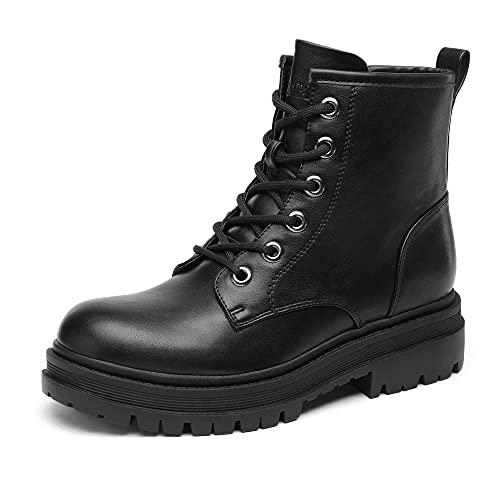
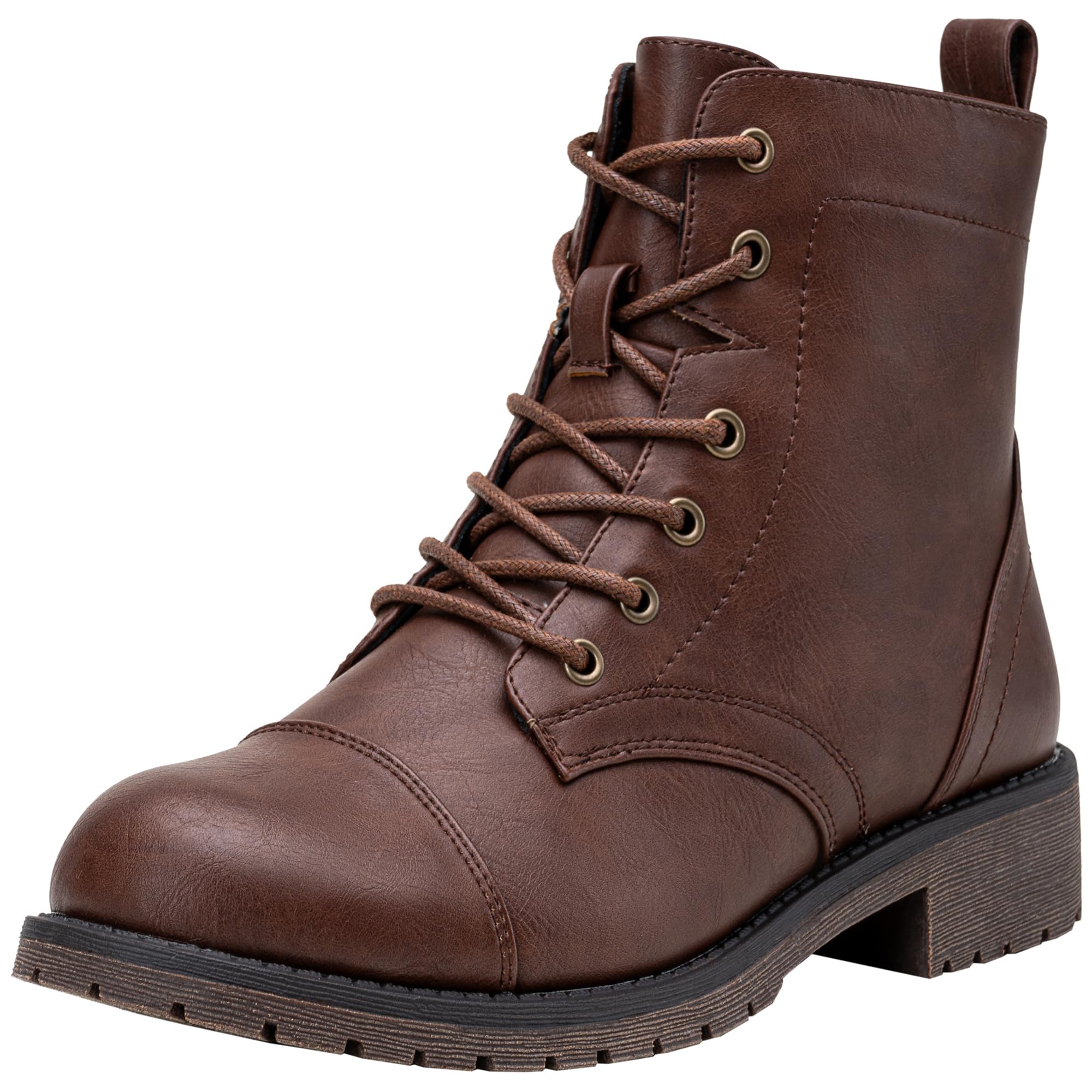


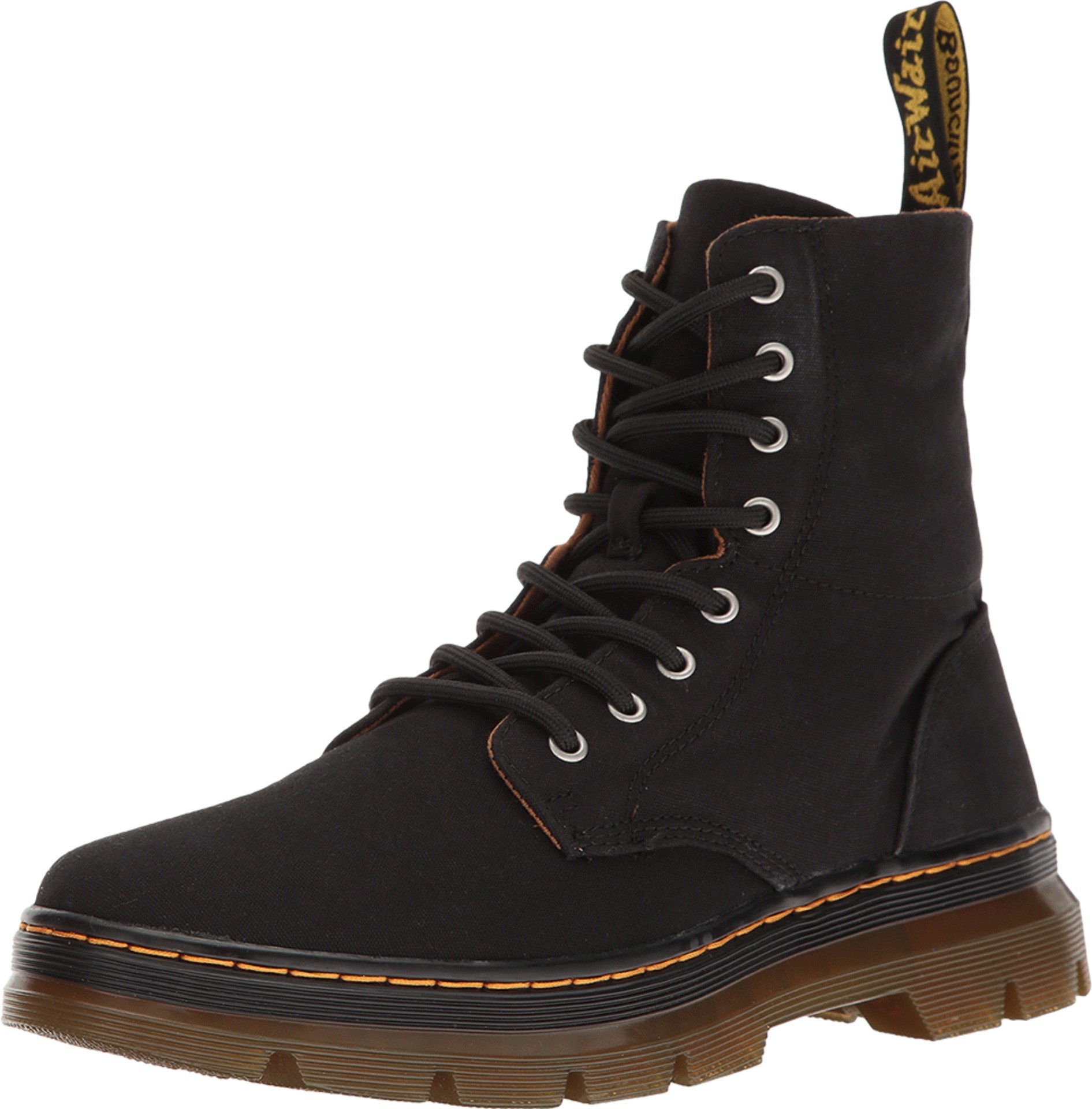


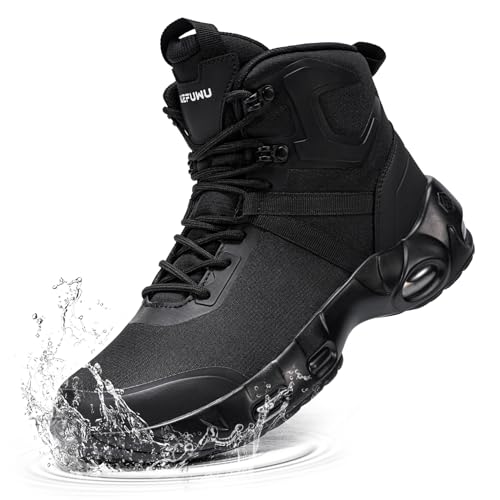

How to Choose by Budget and Leg Proportion
Start with proportion, then set your budget. Measure your lower leg from the floor to the bend of your knee, and note where the widest part of your calf sits. Those numbers decide which shaft heights can work.
If You Spend Most of the Day on Hard Floors
Standing and walking on concrete rewards cushioning and stability more than aggressive tread. Look for a cushioned midsole, a firm heel counter, and a moderate heel to toe drop so your weight stays balanced. A shaft that ends just below the widest part of your calf avoids rubbing. Most indoor workers find this balance in the midrange, where foam quality improves and boot weight drops, so shorter legs tire more slowly.
If You Walk and Train Outdoors Often
Outdoor miles ask more from the outsole, so deeper lugs and a stiffer shank earn their cost here. Arch support matters more on uneven ground, because a shorter stride means more steps over the same distance. Waterproof boots help in wet grass and mud, though they add warmth you may not want in summer. A premium outsole that resists wear can cost less over time than replacing a worn budget pair.
If You Need One Pair for Work and Daily Wear
A single pair that covers both work and errands needs a plain upper that fits your workplace rules, plus comfort that holds up after hours. Choose a moderate shaft height that slides under most trouser legs without bunching fabric at the calf. Spending a little more here often makes sense, since this pair absorbs nearly all of your weekly miles.
What Your Money Gets You at Each Price Tier
Price tiers on Amazon US follow a steady pattern, and knowing the steps keeps you from paying for decoration instead of function.
Budget Tier: What to Expect
Pairs around $60 to $100 usually pair synthetic uppers with basic foam cushioning and a molded outsole. Expect a shorter service life, fewer width options, and less consistent sizing. For short legs, the main risk is a shaft cut for longer legs, so check the listed shaft height against your own measurement before ordering. Budget pairs suit occasional wear, training courses, or a first pair while you learn your ideal shaft height.
Midrange Tier: Where Most Buyers Find Balance
Pairs about $100 to $180 add leather and nylon uppers, better arch support, and more reliable glue and stitch work. You also gain half sizes and wide options more often, which matters when a shorter foot still needs a roomy toe box. For most buyers with short legs, this tier delivers the fit choices and durability that daily wear demands without paying for prestige materials.
Premium Tier: When Spending More Pays Off
Pairs about $180 to $300 focus on refined lasts, full grain leather, and lighter sole compounds. The fit often feels more precise around the ankle and calf, and small fit errors matter more on a compact leg. This tier pays off for people who wear combat boots five or six days a week, or who have struggled to find a calf fit.
Features Worth Paying For and Ones to Skip
Break In Period and Comfort Out of the Box
Some break in time is normal, and paying extra for claims of instant comfort rarely changes the first week. Leather softens at the flex point and around the ankle as wear sessions grow longer each day. Start indoors, then take short walks, and only then a full shift, so hot spots appear while you can still adjust lacing. Skip decorative zippers and fashion hardware at any price, because they add cost without improving fit or support.
Features That Matter for Short Legs
A shaft around 6 to 8 inches usually clears the ankle while staying below the widest part of a shorter calf, while taller shafts can press into the calf and limit knee bend on stairs. Your shortlist of best combat boots for short legs should also weigh heel to toe drop, since a drop around 4 to 8 mm keeps a shorter stride feeling natural instead of tipping you forward. Boot weight matters more than many listings admit, because each extra ounce costs a shorter leg more energy per step. Flexible soles that bend at the ball of the foot, plus laces long enough to leave the top hooks open for calf room, round out the features worth real money.
Upper Materials and Breathability
Full grain leather resists scuffs and molds to your ankle over time, but it runs warm and needs conditioning. Split leather and nylon panels cut weight and cost, and mesh sections make a boot more breathable during summer shifts. Lighter uppers also reduce the clunky feel a tall boot can create on a compact frame. Pay for breathable panels if you work in heat, and skip insulated linings unless your climate truly demands them, since insulation adds bulk around a smaller calf.
Waterproofing and Membranes
A waterproof membrane such as Gore Tex keeps rain and puddles out, but it also slows the escape of sweat vapor, so your feet run warmer. Choose waterproof boots when you stand in rain, wash areas, or wet fields for long stretches. If your exposure is brief showers and damp pavement, a water resistant treatment on leather usually costs less and breathes better. Paying for the highest waterproof rating makes little sense for indoor work, where the membrane only adds heat.
Snow changes the equation, because insulation matters more than a membrane alone. Our guide to the best winter boots for short legs explains which shaft heights stay practical when you walk through deep snow.
Fit, Sizing, and Toe Box
Measure both feet late in the day, when they are at their largest, and shop with the socks you plan to wear. Look for a toe box that lets your toes lie flat without pressing the sides, while the heel sits snug with only slight movement. Shorter feet often fall between standard sizes, so brands offering half sizes and wide options deserve a closer look. Order from sellers with easy returns, and test indoors on carpet so you can still exchange the pair.
Common Mistakes to Avoid
- Buying a tall shaft without measuring your lower leg, so the top edge digs into your calf with every step.
- Choosing your usual shoe size without checking the brand size chart, so you end up with heel slip and blisters.
- Paying for heavy insulation in a warm climate, so your feet overheat and sweat through long shifts.
- Wearing a brand new pair for a full day right away, so small hot spots turn into painful blisters.
- Ignoring boot weight when you have short legs, so fatigue builds faster and your stride shortens by evening.
- Judging fit while sitting down only, so calf pressure and toe crowding that appear while walking go unnoticed.
Long Term Costs to Factor In
The purchase price is only part of what a pair costs you. Replacement insoles run about $30 and usually need swapping once the original foam packs down. Laces, leather conditioner, and renewal sprays for water resistant finishes add steady costs across the life of the pair. Outsole wear sets the real deadline, because worn tread cannot be restored.
Warranty length and return terms also carry value, since repairs can save you the price of a second pair. A simple way to compare is cost per wear: a pair around $160 worn 200 times costs far less per day than a pair around $80 that gives up after 60 wears. The product table above lists current prices, so you can run that math before you decide.
How to Make Your Combat Boots Last Longer
Loosen the laces fully before pulling boots off, because forcing your heel out crushes the heel counter over time. Let each pair rest a full day between wears, so the cushioning rebounds and the lining dries. Brush dirt from the outsole and upper after outdoor use, since grit grinds away at materials while you walk.
Condition leather uppers every few months, or sooner when the surface looks pale and dry, and keep boots away from direct heat while they dry. Store pairs upright with newspaper in the toe box, so shafts do not fold and crease at the ankle. Check lace eyelets and sole edges each month, because small separations are cheap to repair early.
Combat Boots: Your Questions Answered
What features matter most in combat boots for short legs?
Shaft height, boot weight, and heel to toe drop matter most in combat boots for short legs. When you test a pair at home, climb a few stairs and sit down and stand up, because they reveal calf pressure that flat floor walking can hide.
Can you wear combat boots for short legs all day?
Yes, you can wear combat boots for short legs all day once the break in period is complete and the fit is right. Build up wear time across the first two weeks instead of starting with your longest shift. Keeping a lighter pair of shoes at work for the final hour of that first week gives swelling feet welcome relief.
Are expensive combat boots for short legs worth the cost?
Expensive combat boots for short legs are worth the cost only when you wear them often enough for the better materials to pay you back. Daily wear rewards premium leather and sole compounds, because those pairs hold their fit for far more miles. If you wear combat boots only a few times a month, a midrange pair gives you nearly the same comfort, and the savings can cover quality socks instead.
How should combat boots for short legs fit around the calf?
Combat boots for short legs should fit around the calf with firm contact but no pinching when you bend your knee. You can fine tune calf volume with lacing alone: skip one set of eyelets where pressure peaks, or leave the top hooks unlaced for a wider opening. Wear the socks and trousers you use at work during the test, because bare skin at home gives a false sense of extra room.
How long is the break in period for combat boots for short legs?
The break in period for combat boots for short legs usually runs from a few days for mesh and nylon pairs to about two or three weeks for full grain leather. Shorter daily sessions speed the process safely, since leather molds through repeated gentle flexing, not one punishing hike. A thin blister can signal a fit problem rather than normal break in, so stop and reassess if the same spot hurts on three separate outings.
Final Thoughts
Proportion decides comfort before price does. Match shaft height to your lower leg, keep drop moderate, insist on room for your toes, and then choose the tier that fits your weekly wear. Use the comparison table above to check those measurements against listings, and you will land on the best combat boots for short legs for your budget without paying for features you will never use.


