
Best Ankle Boots for Short Legs: Buying Guide for 2026
Disclosure: We may earn a commission when you buy through links on this page, at no extra cost to you. As an Amazon Associate I earn from qualifying purchases. Learn more

Best ankle boots for short legs: shaft height, heel shape, toe shape and color choices that lengthen the leg line.
An ankle boot can shorten your look when its shaft cuts across your leg with strong contrast. The best ankle boots for short legs do the opposite, with a low top line, a lengthening toe and a color close to what you wear below the knee. Use the product table to check those points first.
Your height alone does not decide the right pair. Leg length, calf width, foot size and your usual pants or skirts all change which shaft and heel will flatter you. The sections below sort choices by outfit, fit and comfort.






Who Should Buy Ankle Boots for Short Legs?
Start with the outfit problem you repeat most often. A boot that works with straight pants may cut the leg badly with a skirt.
Petite Women Who Wear Dresses and Skirts Often
You need the longest clean line from hem to toe. Choose a low shaft that dips at the front, an almond toe, and a color close to your skin tone or tights. That keeps the eye moving down the leg instead of stopping at the opening. For warm months, see our guide to the best sandals for short legs.
Short Legged Commuters Who Need Polish for Work
You need height without pain and a shape that stays neat under tapered pants. Choose a stable block heel of about 1.5 to 2.5 inches and smooth leather in black, brown or navy. Light padding under the heel helps on hard office floors.
Buyers Whose Calves Make Taller Boots Hard to Fit
Tall shafts may squeeze your calf or end at its widest point. An ankle boot stops far below the calf, so it needs no wide calf sizing. Look for an opening that follows your ankle without digging in when you sit. If you want a taller option, see our guide to the best boots for short legs.
Key Features to Compare
Compare shape before price. When you compare the best ankle boots for short legs, shaft, heel and toe decide the visual result, while fit and cushioning decide daily wear.
Shaft Height and Where the Top Line Lands
The shaft rises above your foot, and its top edge is the line your eye notices first. A shaft ending just at or below the ankle bone flatters short legs most, because more leg stays visible above the boot. Front dips and soft V openings lengthen the front view even more. A stiff high shaft pressing into the lower calf creates a clear break instead.
Heel Height, Heel Shape and Heel to Toe Drop
Heel height adds real length, but pitch matters as much as the number. Most short legged buyers do well with about 1 to 2.5 inches from a block or stacked heel, which feels steadier than a thin heel. Heel to toe drop is the height gap between heel and forefoot. A smaller gap feels flatter and easier on long walks, even when the heel looks tall.
Toe Shape and Vamp Depth That Lengthen the Line
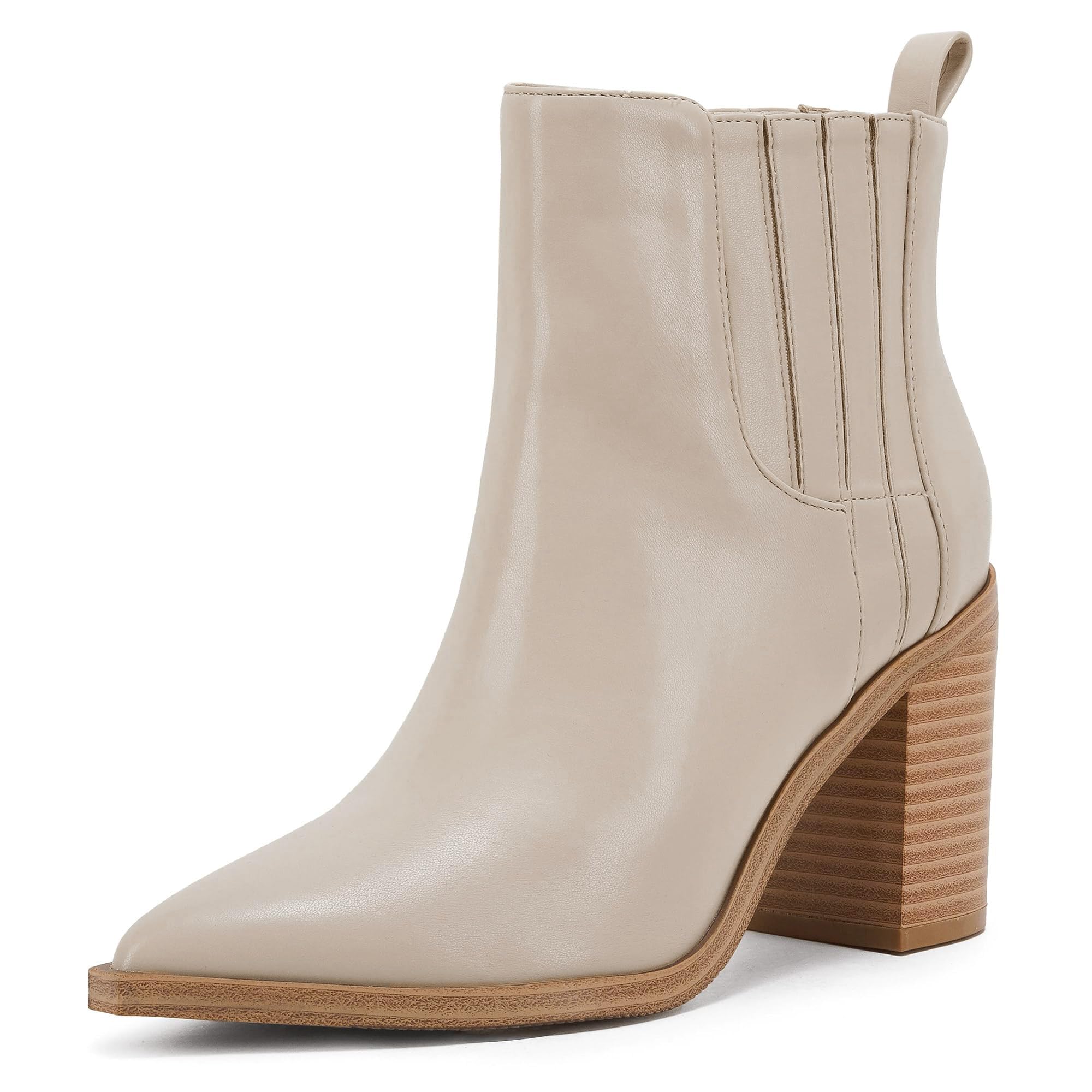
Toe and vamp shape how long your foot appears, and a longer looking foot extends the whole leg line. Pointed and almond toes add visual length past your real toes, while round and square toes end the line sooner. The vamp covers the top of your foot, and a lower vamp shows more skin and reads as lighter. A high vamp meeting a high shaft suits pants better than bare legs.
Color, Contrast and Sole Scale for Short Legs
Color decides whether the boot blends into your leg or stops the eye at your ankle. Boots that match your pants, tights or skin tone create one long column, while a pale leg in a black boot creates the strongest break. Suede in a soft tone reads as less sharp than glossy leather. Thick soles add bulk and can overwhelm small feet.
Fit Around the Ankle, Toe Box and Sizing for Short Legs
Fit the ankle opening first, because a wide gap makes the leg look wider and lets the boot shift. The opening should follow the ankle without pressing when you flex your foot or climb stairs. Try boots late in the day with your usual socks, and check that toes can spread without touching the front. Measure both feet in inches and order by that length, not by your usual number.
Cushioning, Arch Support and Outsole Stability
Comfort features decide whether a flattering shape stays wearable past lunch. Look for even cushioning under heel and forefoot and gentle arch support that fills the midfoot without pushing hard. The outsole should grip wet pavement with shallow tread or fine grooves rather than deep trail lugs. A flexible forefoot and firm heel give stability at heel strike and freedom at push off.
Types of Ankle Boots for Short Legs Compared
Each common style solves a different outfit or fit need. Choose the style first, then apply the shaft, heel and color checks above.
Chelsea Boots for Clean Lines with Pants
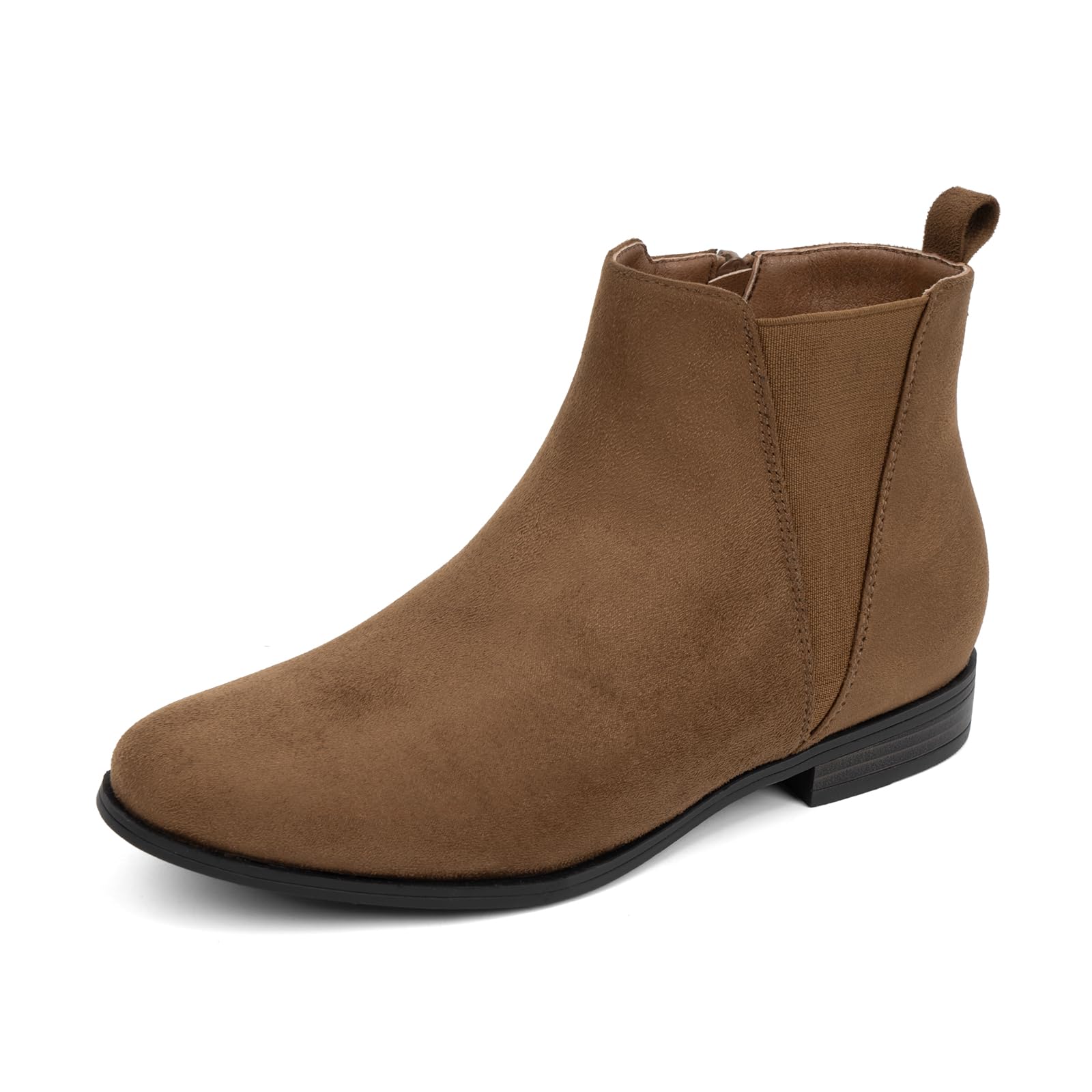
Chelsea boots pull on with elastic side panels, with no laces or straps to break the line. That smooth front works well under straight and tapered pants, and the close shaft suits narrow ankles. Smooth leather reads as dressy, while suede reads as softer. Loose panels widen the leg and let your heel lift.
Lace Up Ankle Boots for an Adjustable Ankle Fit
Lace up boots let you set ankle tightness yourself, which helps if one ankle is slimmer or if you switch sock thickness. Flat laces in the same color as the upper keep the front calm, while contrast laces draw the eye to the ankle. A padded collar adds comfort but also width, so choose thin padding if your ankles are full.
Heeled Ankle Boots for Dresses and Cold Weather Wear
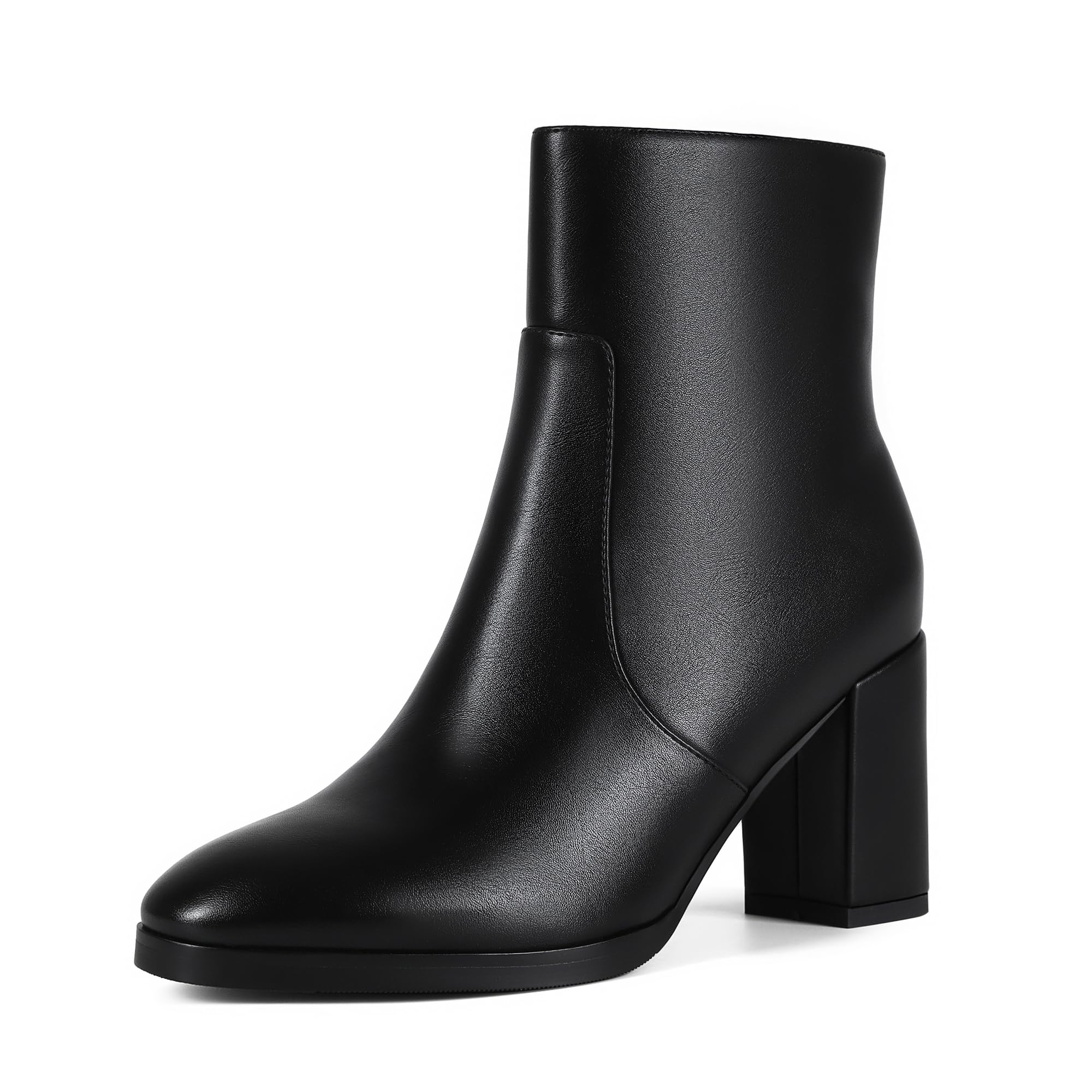
Heeled boots in leather or suede give the clearest lift for dresses, skirts and work outfits, especially in a tone close to your tights. For rain and snow, choose a waterproof membrane, sealed seams and a rubber outsole, since smooth leather soles slip on wet ground. If deep winter is your main need, see our guide to the best winter boots for short legs. Breathable linings help in milder weather.
Common Mistakes to Avoid
Most bad buys come from judging the boot alone instead of on your leg.
- Buying a shaft that ends at the widest part of your calf cuts the leg at its broadest point.
- Wearing black ankle boots with bare pale legs creates a hard contrast line at your ankle.
- Choosing a round toe with a high shaft and a flat sole stacks three shortening features in one pair.
- Ordering your usual size without measuring lets a long pointed toe fool you into a fit that still pinches your toes.
- Picking a very chunky platform for daily wear adds weight that tires short legs and throws off your stride.
- Hiding a loose ankle opening under wide pants works for one outfit but leaves the boot unusable with dresses.
How to Make Your Ankle Boots Last Longer
Brush off dust and road salt after wear, then let the boots air dry at room temperature away from direct heat, since strong heat can crack leather. Stuff the toes with paper to help the vamp keep its shape. Rotate two pairs if you wear ankle boots daily, because a rest day lets cushioning recover and linings dry fully.
Clean leather with a damp cloth and mild leather cleaner, then apply conditioner in a thin layer once the surface feels dry. Protect suede with a spray made for suede before the first wear and again after cleaning. Check heel tips each season and replace worn tips early to protect your balance and the heel itself.
Ankle Boots for Short Legs: Your Questions Answered
What heel height works best with ankle boots for short legs at work?
About 1.5 to 2 inches works best for most workdays on short legs. That height lifts your hem clear of the floor while keeping stairs and short walks manageable. A low platform under the front can add height without a steeper foot angle. Save heels above 3 inches for seated events.
How should ankle boots fit around the ankle on short legs?
Ankle boots should follow the ankle closely, with room to slip one finger between shaft and leg at the top edge. Test the fit seated with your ankle bent, since the shaft front can dig in when you sit. A thin gel pad at the back of the heel can close a small gap. A flared opening will read as wide.
Can I wear ankle boots for short legs all day on my feet?
Yes, you can wear ankle boots for short legs all day if the heel stays modest and the fit is right. Build up wear time over the first week, starting with a few hours at home, so stiff areas soften where your foot bends. Carry a thin spare insole for the first long day.
Should ankle boots for short legs match my pants or my skin tone?
Match your ankle boots to whichever item sits directly above and below them. With bare legs or sheer tights, a tone close to your skin keeps the line going, while with full length pants the pant color matters more. Use metallic or print boots as the single focus of a plain outfit.
Do ankle boots for short legs work with cropped pants?
Yes, ankle boots for short legs work well with cropped pants when a small gap of leg shows or the hem just meets the shaft. Trouble starts when the hem ends well above the boot in a clashing color, because that floating band chops the leg twice.
The Bottom Line
Put shaft position first, then heel height, toe shape and color, and test every pair with the clothes you plan to wear. A low shaft, a lengthening toe and a blending color will do more for short legs than any trend detail. Compare your shortlist in the product table for heel height, shaft style and price.
Chosen that way, the best ankle boots for short legs stop looking like a compromise for petite buyers and start working as the most flexible boot in your closet. Start with one versatile pair in your most worn color.


