
Best Combat Boots for Men by Budget: Smart Picks for 2026
Disclosure: We may earn a commission when you buy through links on this page, at no extra cost to you. As an Amazon Associate I earn from qualifying purchases. Learn more

Compare combat boots for men by budget and learn what each price level buys, which features are worth paying for, and how to choose a pair that fits daily wear.
Shopping for best combat boots for men can feel confusing because prices range widely and the boots on offer look similar at first glance. The comparison table below gives a quick overview, while the rest of this guide explains where extra spending helps and where it does not.
A good pair should support long days on your feet, protect your toes and ankles, and suit the ground you walk on most often. Budget, fit, materials, and traction matter far more than a rugged label, so this guide compares those factors level by level.
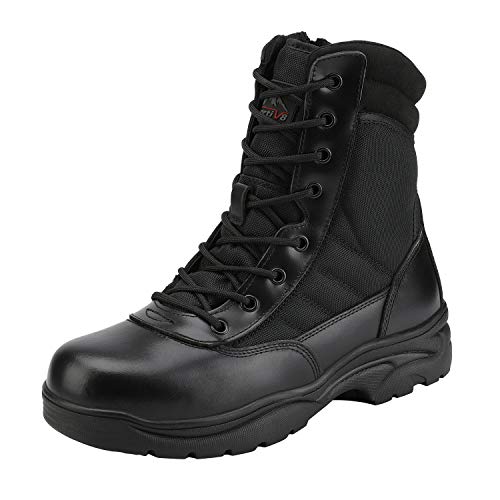


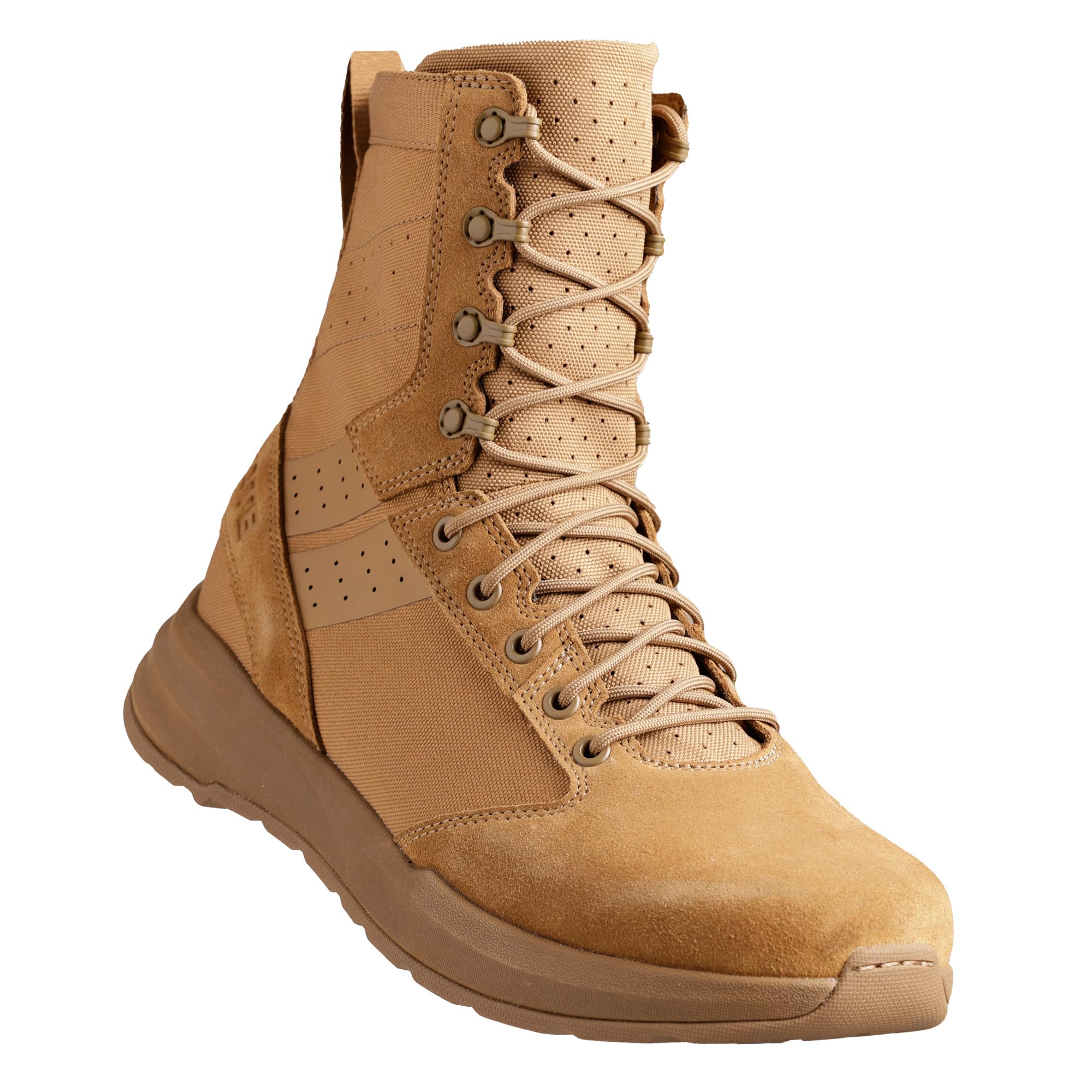
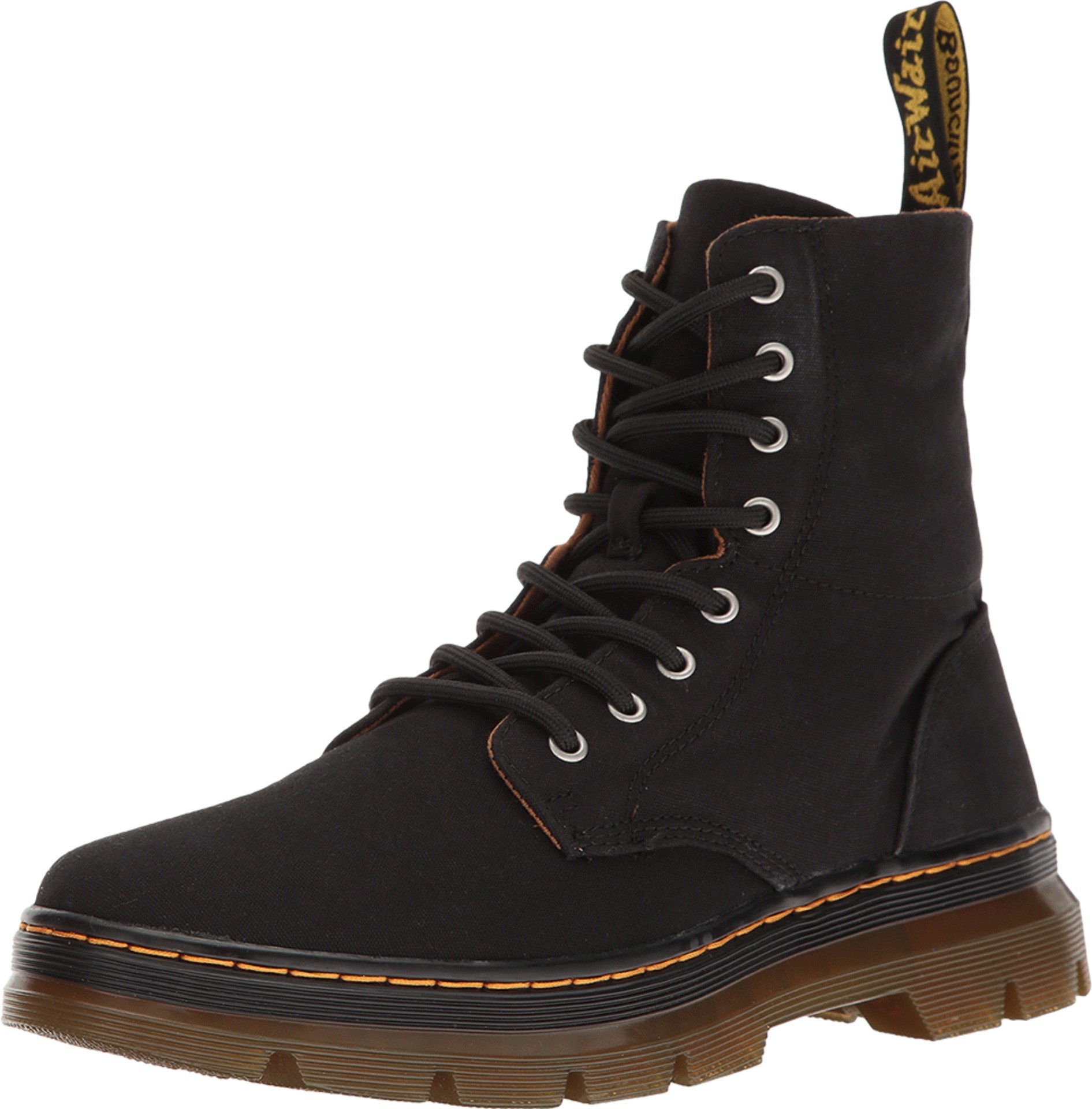

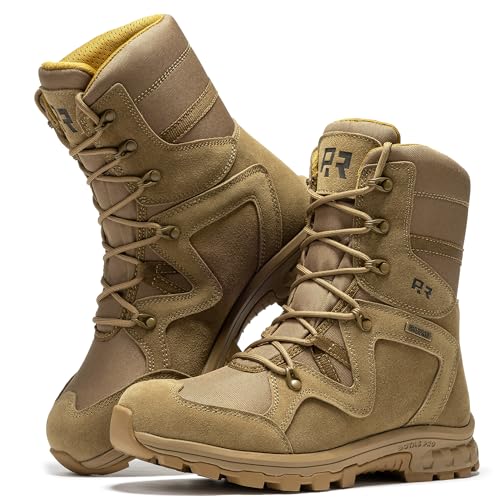
Spending Levels at a Glance
Think of combat boots in three broad spending levels rather than as a simple cheap versus expensive choice. Each level changes the materials, the construction, and the comfort you can expect, and each suits a different pattern of use. A lower budget pair can work well for occasional wear, while a higher budget pair may make more sense when you wear boots every day in rough conditions.
What a Lower Budget Buys
A lower budget pair, usually about $80 to $130, often uses synthetic leather or a leather and fabric mix, a cemented sole, and basic cushioning. These boots can look the part and feel comfortable for short walks, light yard work, and occasional outdoor use. They may wear faster at flex points and the sole may lose grip sooner, so check the stitching, the sole bond, and the insole quality before you decide.
What a Middle Budget Adds
A middle budget pair, usually about $130 to $220, often adds fuller leather, stronger stitching, better ankle padding, and a more durable outsole. This level suits regular wear, longer walks, and mixed ground such as pavement, gravel, and muddy paths. You also tend to get more size and width choices, which helps when you need a roomy toe box or a wider fit through the forefoot.
What a Higher Budget Changes
A higher budget pair, usually about $220 to $350, often uses premium leather, a welted or stitched sole that can be repaired, and more refined cushioning and lining. These boots suit daily wear, heavy loads, and rough ground, and they often break in more gradually and last longer with care. The extra cost pays off mainly when you wear the boots hard and often, not when you need them only a few times a month.
What Your Money Gets You at Each Price Tier
Price tiers in combat boots reflect materials and construction first, and brand prestige second. A higher price does not always mean a better fit for your foot shape, so use the tiers below as a starting point and judge each pair by fit, weight, and traction. The product table above shows the main types side by side to help you compare them quickly.
Budget Tier: What to Expect
At the budget tier, expect simple construction, lighter materials, and a faster break in period. Many pairs feel comfortable straight away, which suits buyers who want a boot for weekend use, short shifts, or light outdoor chores. Watch for thin insoles, shallow lugs, and uppers that crease sharply, since those signs often point to a shorter useful life under hard use.
Midrange Tier: The Sweet Spot for Most Buyers
The midrange tier often gives the best balance of durability, comfort, and price for men who wear boots several days a week. You usually get stronger leather or a tougher fabric blend, a grippier outsole, and cushioning that holds up over longer days. This tier also tends to offer half sizes and wide widths, which makes a correct fit easier to find.
Premium Tier: When Spending More Pays Off
The premium tier pays off when durability, repairability, and all day comfort matter most. A stitched sole can often be resoled, thick leather can be conditioned and reshaped with wear, and a well designed footbed can reduce fatigue on long days. Spending more makes less sense if you rarely wear boots, since even a premium pair needs regular use to justify its cost.
Features Worth Paying For (and Ones to Skip)
Not every feature deserves extra money. Some upgrades change how a boot feels and lasts, while others add cost without changing daily comfort. The factors below help you sort the useful upgrades from the extras you can skip, and each one links back to fit, protection, or durability in real use.
Fit, Sizing, and Toe Box
Fit matters more than any other feature, so measure both feet in the afternoon when feet tend to be slightly larger, and try boots with the socks you plan to wear. A roomy toe box lets your toes spread and reduces pressure on long walks, while a snug heel helps prevent blisters. If a pair pinches across the toes or slips at the heel, try another size or width before you accept the fit.
What Men Should Look For
Men should look for a last shape that matches their foot, since a narrow last can pinch a wide foot and a wide last can feel loose on a narrow foot. Weight matters too, because a heavy boot tires your legs faster on long days, while a very light boot may give up ankle support. Consider shaft height as well, since a taller shaft supports the ankle better but can feel stiff at first.
Durability and Expected Lifespan
Durability depends on upper material, sole construction, and how often you wear the boots. Full grain leather and stitched soles usually last longer than thin synthetics and glued soles, especially on rough ground. With regular wear and basic care, a well made pair can last a couple of years, while a budget pair may need replacement sooner under the same use.
Break In Period and Comfort Out of the Box
Thick leather boots often need a break in period of several short wears before they feel flexible, while fabric and synthetic pairs often feel comfortable sooner. Wear new boots for short walks first, and pay attention to pressure points at the ankle, the toes, and the top of the foot. If pain stays sharp after several wears, the fit is probably wrong rather than merely stiff.
Upper Materials and Breathability
Leather uppers offer strong protection and age well with conditioning, while fabric panels and mesh add airflow in warm weather. A waterproof membrane keeps water out but can trap heat, so it suits wet conditions better than hot, dry work. Choose the upper for your climate and ground, not for looks alone, and remember that breathability matters most on long, warm days.
Best Combat Boots for Specific Needs
Some uses place extra demands on a boot, and those demands should shape your choice. Rucking, for example, combines distance, load, and varied ground, so cushioning, ankle support, and sole grip matter more than style. A boot that feels fine for a short walk may feel very different after several miles with a loaded pack.
Best Combat Boots for Men Rucking: Where Your Money Goes
For rucking, spend first on a stable footbed, a supportive ankle, and an outsole with deep, widely spaced lugs that shed mud. A midrange or premium pair often earns its price here through better cushioning that holds up under load and leather that resists scuffing. Fit matters even more under load, so leave room for your feet to swell slightly and test the boots on a hilly walk before a long outing.
Long Term Costs to Factor In
The purchase price is only part of the total cost of owning combat boots. Insoles wear out and may need replacement, laces break, and leather needs conditioner to stay flexible. A stitched sole can often be repaired by a cobbler, which can extend the life of a premium pair and lower its yearly cost. Budget pairs may cost less at first but cost more over time if they need replacing twice as often, so compare the expected life, not just the shelf price.
For everyday work use, see our guide to best boots for men work to compare work focused features. For cold weather, see our guide to best boots men winter for insulation and winter traction. For a broader overview, see our guide to best combat boots. For a wider footwear comparison, see our guide to best shoes for men.
Frequently Asked Questions
What makes combat boots for men different?
Combat boots for men differ mainly in last shape, size range, and weight, since they are built around larger feet and heavier loads than many unisex styles. They usually have a taller shaft, a sturdier toe, and a thicker outsole for rough ground. That design suits long days outdoors, but it also means you should check shaft height and weight carefully if you plan to wear them mostly indoors.
Are expensive combat boots worth it?
Expensive combat boots are worth it when you wear them often, carry loads, or walk on rough ground, because better materials and stitched construction tend to last longer. They are less worth it for occasional wear, since a midrange pair can feel just as comfortable for short outings. Judge value by how many days a week you wear them and how hard the ground is, not by price alone.
How often should I replace my combat boots?
Replace combat boots when the outsole loses grip, the midsole feels flat, or the upper cracks at flex points despite care. For regular wear, that point often arrives after one to three years, depending on ground, load, and care. Rotating two pairs and letting each pair dry fully between wears can extend that period noticeably.
How should combat boots fit?
Combat boots should feel snug at the heel and midfoot with room for your toes to wiggle, and they should not pinch across the widest part of your foot. Try them in the afternoon with your usual socks, walk up and down stairs, and check for heel slip. A small amount of stiffness is normal in leather, but sharp pressure or numb toes signal the wrong size or last.
Can I wear combat boots for men all day?
You can wear combat boots all day if the fit is right, the weight suits you, and the cushioning matches your activity. Break them in gradually with short wears, use moisture wicking socks, and take them off when your feet feel hot or sore. If foot pain persists or worsens, see a doctor rather than pushing through it in a new pair.
Do I need waterproof combat boots?
You need waterproof combat boots mainly if you walk through rain, mud, streams, or wet grass often. A waterproof membrane helps in those conditions, but it adds warmth and cost, so it may feel unnecessary in dry, hot work. For mixed use, a water resistant upper with good drainage can offer a useful middle ground.
The Bottom Line
Choose by fit first, then by the ground and hours you face most often, and let budget follow those needs. Midrange boots suit most men who wear boots regularly, while premium boots earn their price under daily hard use. Use the product table above to compare types, check the fit carefully, and remember that best combat boots for men means the pair that fits your feet and your days, not simply the most expensive pair.


