
Best Combat Boots for Everyday Wear for 2026: A First Time Buyers Guide
Disclosure: We may earn a commission when you buy through links on this page, at no extra cost to you. As an Amazon Associate I earn from qualifying purchases. Learn more

Learn how to choose combat boots for daily wear, from fit and ankle support to materials, cushioning, and break in, so your pair suits real life on foot.
If you are shopping for best combat boots for everyday wear for the first time, the choices can look confusing. Combat boots were built for hard use, but the pair you wear to work, school, or errands needs comfort first. This guide explains the basics in plain language, then shows you how to compare options in the comparison table below.
You do not need to know boot jargon to pick well. Focus on fit, weight, support, and how the boot will feel after hours on your feet. A good everyday pair should feel steady, break in without misery, and hold up to daily walking on pavement, stairs, and uneven ground.
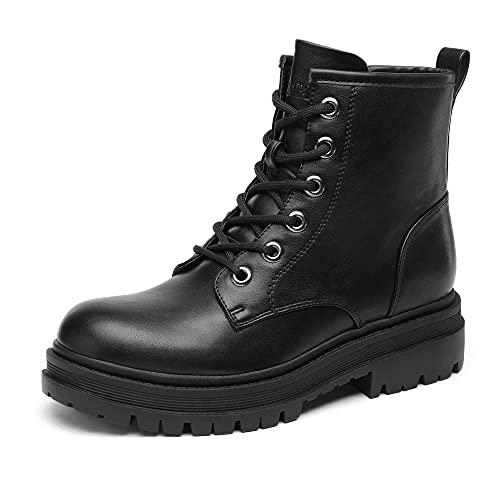
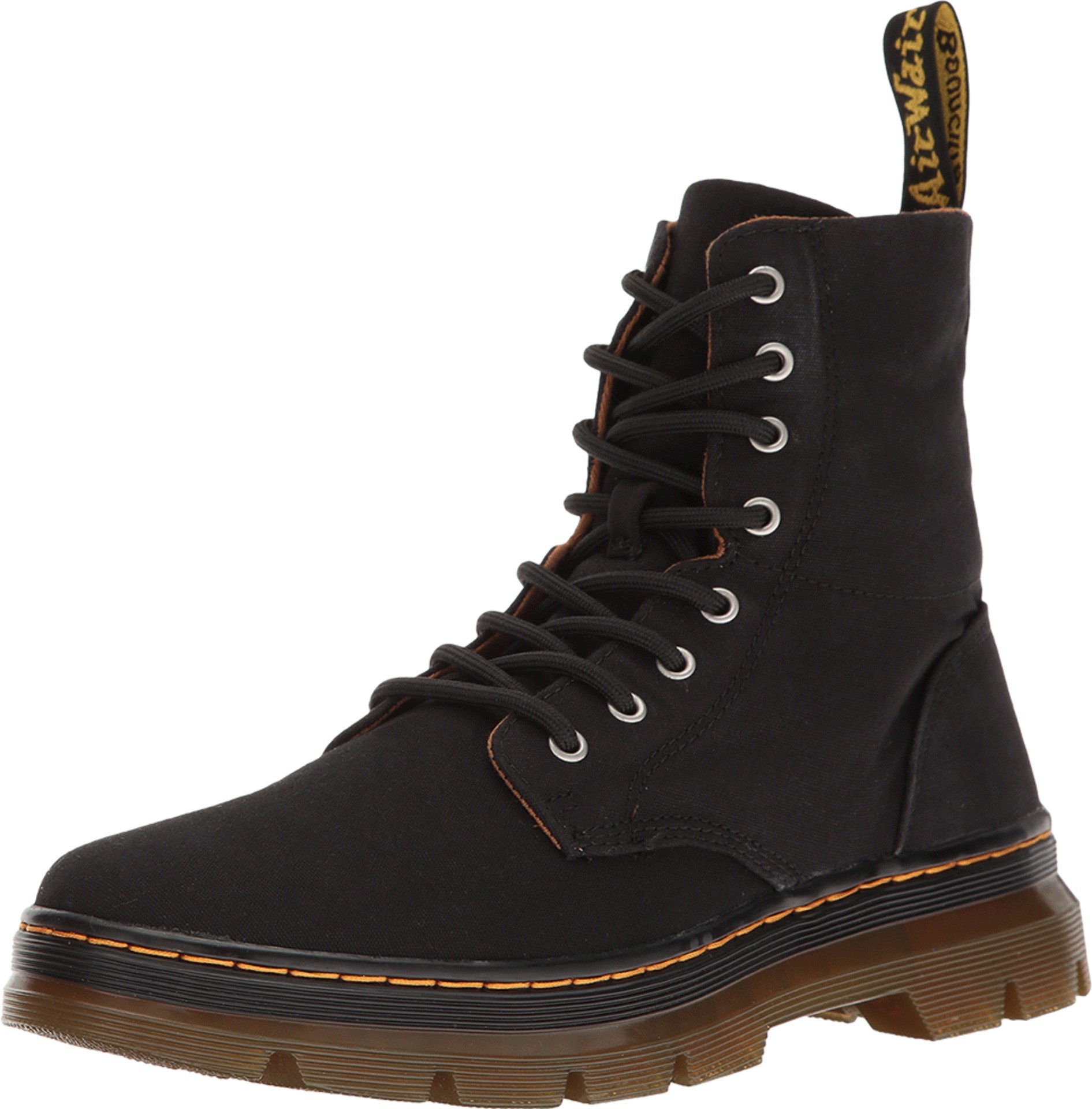
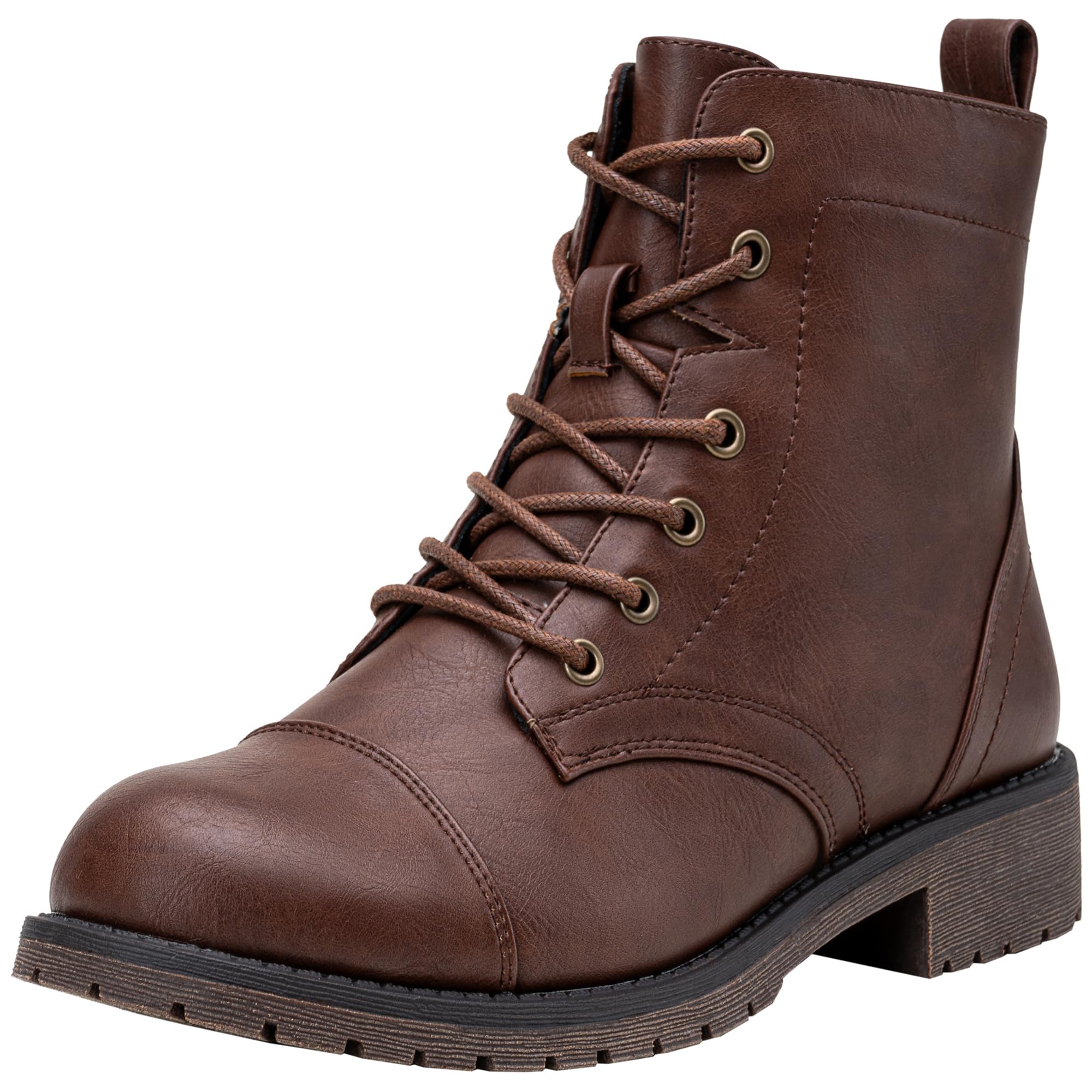

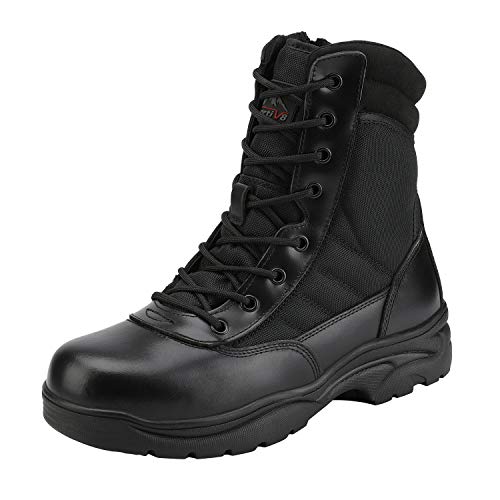



Combat Boots 101: The Basics
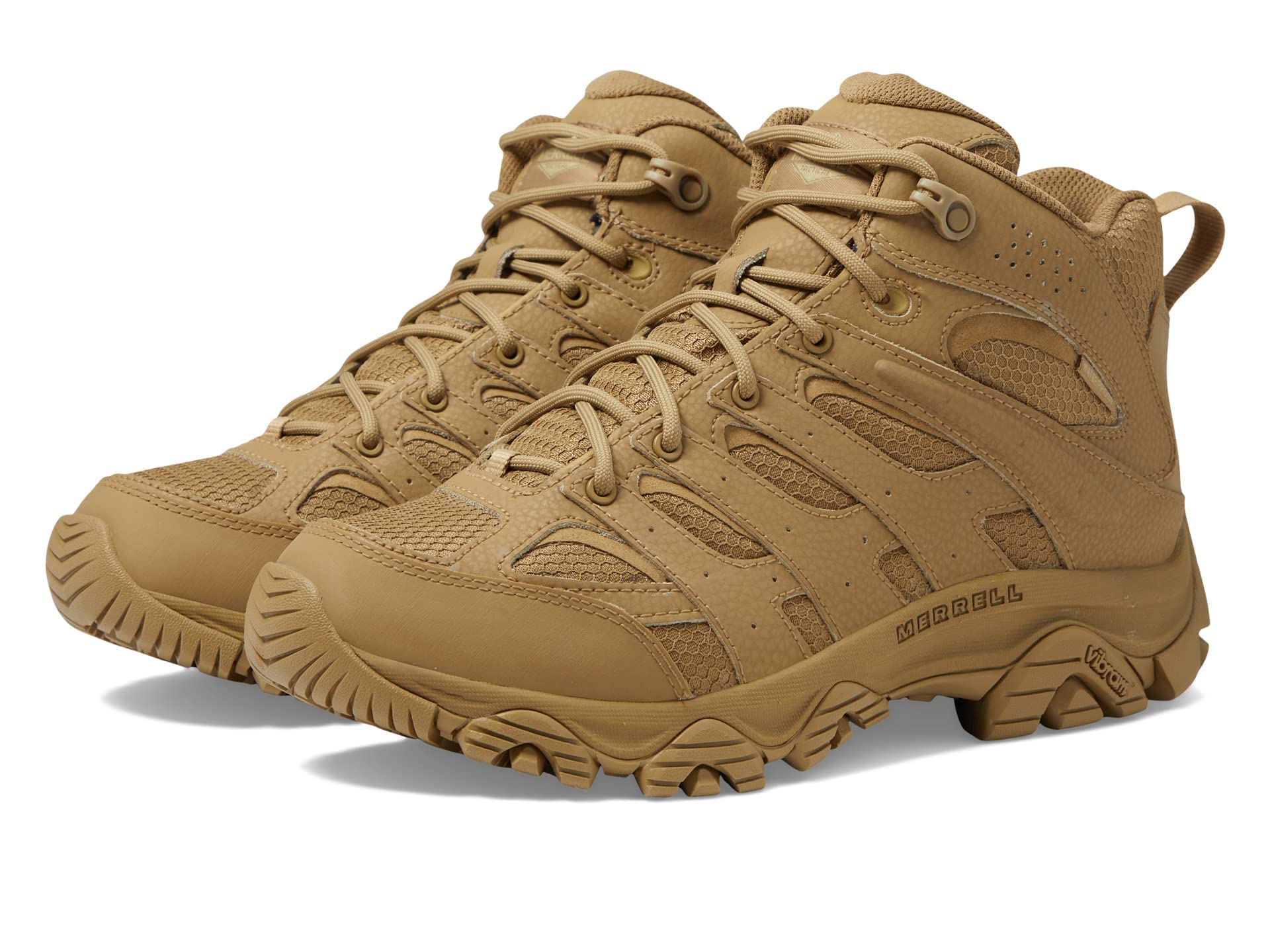
A combat boot is a sturdy lace up boot with a firm ankle collar, a durable outsole, and a roomy toe area. The high collar supports the ankle on rough ground, while the laces let you adjust the fit around the foot and lower leg. For daily wear, look for a lighter build than a heavy duty work boot, with flexible materials that bend as you walk.
Key terms are simple once you know them. The upper is the material above the sole, usually leather, suede, or a fabric blend. The midsole is the cushioning layer between your foot and the outsole.
The outsole is the rubber bottom that grips the ground. Heel to toe drop means how much higher the heel sits than the forefoot, which affects how your foot strikes the ground.
Key Specs Explained in Plain English
The specs below sound technical, but each one changes how a boot feels during a normal day. Read them as a checklist, not as a test. If a boot fails on fit or weight, no other feature will rescue it.
Features That Matter for Everyday Wear
Daily wear asks for different strengths than a weekend hike or a job site. You need a boot that stays comfortable through long standing, short walks, and lots of sitting and standing again. Look for moderate cushioning, a flexible forefoot, and an outsole that grips wet pavement without feeling stiff. A boot that is too heavy will tire your legs, and one that is too rigid will rub at the ankle.
Fit, Sizing, and Toe Box
Measure your feet in the afternoon, when they are slightly larger, and wear the socks you plan to use daily. Your toes should have room to wiggle without sliding forward on stairs, and the heel should stay put without lifting. A roomy toe box matters most if your feet spread under load, and many first time buyers do better by sizing up a half size rather than forcing a tight fit. Try both boots on, walk around the house, and check for pressure at the toes and ankle bones.
Upper Materials and Breathability
Full leather uppers last well and mold to your foot over time, but they can feel warm and need a longer break in. Suede feels softer from the start and looks more casual, yet it stains more easily in rain. Fabric blends and mesh panels breathe best in warm weather and dry faster, though they may wear sooner at flex points. For daily use in mixed weather, a leather and fabric blend often gives a good balance of durability and airflow.
Arch Support and Foot Type
Flat feet often feel better with a firmer arch area and a stable heel, while high arches usually want more cushioning under the midfoot. If your feet roll inward as you walk, a boot with a stable platform and a firm heel counter helps keep your stride steady. Removable insoles are a plus, since they let you swap in an insole that matches your arch. Comfort framing only: a boot can support your feet, but it cannot treat a foot condition, so see a doctor if pain persists, worsens, or comes with numbness or swelling.
Durability and Expected Lifespan
Everyday boots wear out at the outsole, the heel, and the flex creases first. Strong stitching, a solid sole bond, and quality leather or dense fabric extend life, but no boot lasts forever under daily use. Expect a well made pair to serve for many months of regular wear, with the outsole and cushioning showing wear first. Replace a pair when the tread is smooth, the heel tilts, or the cushioning feels flat even after rest.
Cushioning and Support
Cushioning softens each step, while support keeps your foot aligned. A thick soft midsole feels plush at first but can feel unstable if it is too soft. A firmer midsole with a moderate heel to toe drop gives a steadier stride for long days.
Stability focused boots suit feet that roll inward, while neutral boots suit a fairly straight stride. Try walking on a hard floor, not just carpet, before you decide.
Rookie Mistakes to Avoid
- Buying for looks alone, then finding the boot too heavy or stiff for a full day on foot.
- Choosing a tight size and hoping it will stretch, which usually leads to blisters instead.
- Skipping a real walk test, so ankle rubbing only shows up on the first long day out.
- Ignoring outsole grip, then slipping on wet pavement or smooth indoor floors.
- Assuming a waterproof label means the boot will stay dry in deep puddles or all day rain.
Getting Started: Setup and First Use
When your boots arrive, wear them indoors for short periods over several days. Lace them snugly but not tight, and adjust the lacing around the ankle until the heel stays settled. Walk on different surfaces at home, and note any rubbing early, while you can still adjust socks or lacing. Air dry wet boots away from direct heat, and clean off dirt before it grinds into seams.
Rotate your boots with another pair when you can, so the cushioning and lining dry fully between wears. Check the laces, eyelets, and sole bond now and then, and replace worn laces before they snap. These small habits stretch the life of a daily pair far more than any single feature. For a related everyday option, see our guide to best boots for everyday wear, and for a rugged alternative, see our guide to best tactical boots for everyday wear.
Frequently Asked Questions
What features matter most in combat boots for everyday wear?
Fit, weight, and outsole grip matter most for daily wear. A boot that fits well and feels light will get worn far more than a heavier boot with extra features. Look for a flexible forefoot, steady ankle support, and cushioning that still feels good after hours.
Breathability matters too in warm weather, and a removable insole lets you fine tune comfort. Skip extras that add weight without helping your daily routine.
How should combat boots fit?
Combat boots should feel snug around the heel and midfoot, with room for your toes to move. Measure in the afternoon, wear your usual socks, and try both boots. Walk up and down stairs if you can, since a boot that feels fine standing still may pinch on stairs. The ankle collar should support without digging in, and the laces should let you adjust the fit as your feet change through the day.
Do I need waterproof combat boots?
Waterproof boots help in steady rain and wet streets, but they also trap more heat in warm weather. If you mostly walk in dry conditions, a water resistant pair with good drainage may feel more comfortable. For daily use in rainy climates, sealed seams and a membrane lining make a real difference. Remember that no boot stays dry forever in standing water, so match the protection to your climate.
Can I wear combat boots all day?
Yes, if the fit is right and the boot is broken in gradually. Start with short wears indoors, then build up to full days over a week or two. Choose socks that wick moisture and cushion the heel and forefoot.
If you stand for very long stretches, a cushioned insole can help, and rotating pairs gives each pair time to dry. Persistent pain, numbness, or swelling is a sign to see a doctor, not to push through.
How long is the break in period?
Most everyday combat boots break in within one to two weeks of regular short wears. Leather pairs take longer than fabric blends, since the upper needs time to soften and mold. Wear them around the house first, adjust the lacing, and watch for hot spots early. If a boot still causes sharp pain after two weeks of gradual wear, the fit is likely wrong rather than just stiff.
How often should I replace my combat boots?
Replace everyday combat boots when the outsole tread is worn smooth, the heel leans to one side, or the cushioning feels flat. For most daily wearers, that point arrives after many months of regular use, depending on mileage and surfaces. Check the sole bond and stitching during cleaning, since a loose sole is a safety issue. Keeping a second pair in rotation can extend the life of each pair noticeably.
The Bottom Line
The best daily pair is the one that fits well, feels light enough for a full day, and grips the ground you actually walk on. Compare the options in the product table above with fit, weight, and support at the top of your list. Start with short wears, adjust the lacing, and give the boots time to break in. When you find a pair that disappears on your feet, you have found your best combat boots for everyday wear.


