Best Boots for Everyday Wear in 2026: Types Compared
Disclosure: We may earn a commission when you buy through links on this page, at no extra cost to you. As an Amazon Associate I earn from qualifying purchases. Learn more

The best boots for everyday wear balance fit, cushioning, grip, and durability. Compare the main types to find a comfortable daily pair.
Choosing best boots for everyday wear means balancing comfort, durability, and style across many different days, from office hours to weekend errands. Some types favor easy styling, others favor light weight or weather protection, and the right choice depends on how far you walk, where you walk, and how long you stand. The comparison table below gives a quick view of the main types before the detailed sections explain each one.
Everyday wear puts a special demand on boots, because a pair that feels fine for an hour may feel tiring after eight. Fit, cushioning, and sole grip matter more than flashy features, and a style that looks good but pinches will soon stay in the closet. This guide compares the main types side by side, explains the features that matter for daily use, and ends with care tips that help a good pair last longer.





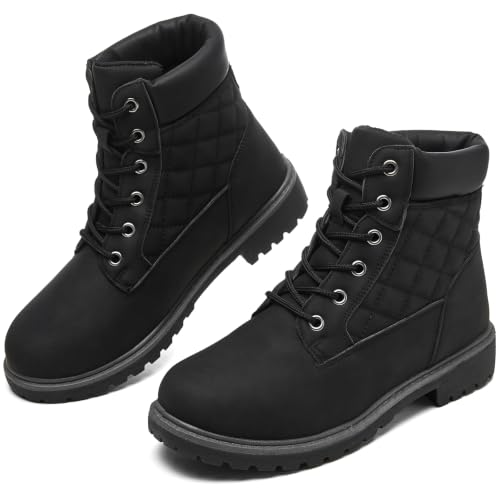

Types of Boots Compared
The table below sums up the main types for daily use. Use it to narrow your shortlist, then read the detailed sections for the trade offs that matter most to you.
| Type | Best For | Pros | Cons | Typical Price |
|---|---|---|---|---|
| Chelsea and ankle boots | Office days and casual outings | Easy on and off, clean look | Less ankle support | About $70 to $180 |
| Waterproof boots | Rain, snow, and wet routes | Weather protection, sealed seams | Less airflow, warmer feel | About $90 to $200 |
| Lace-up work boots | Long days on your feet | Adjustable fit, sturdy sole | Heavier, longer break in | About $70 to $180 |
| Lightweight boots | City walking and travel | Easy on the legs, quick to wear | Less protection on rough ground | About $60 to $150 |
Chelsea and Ankle Boots
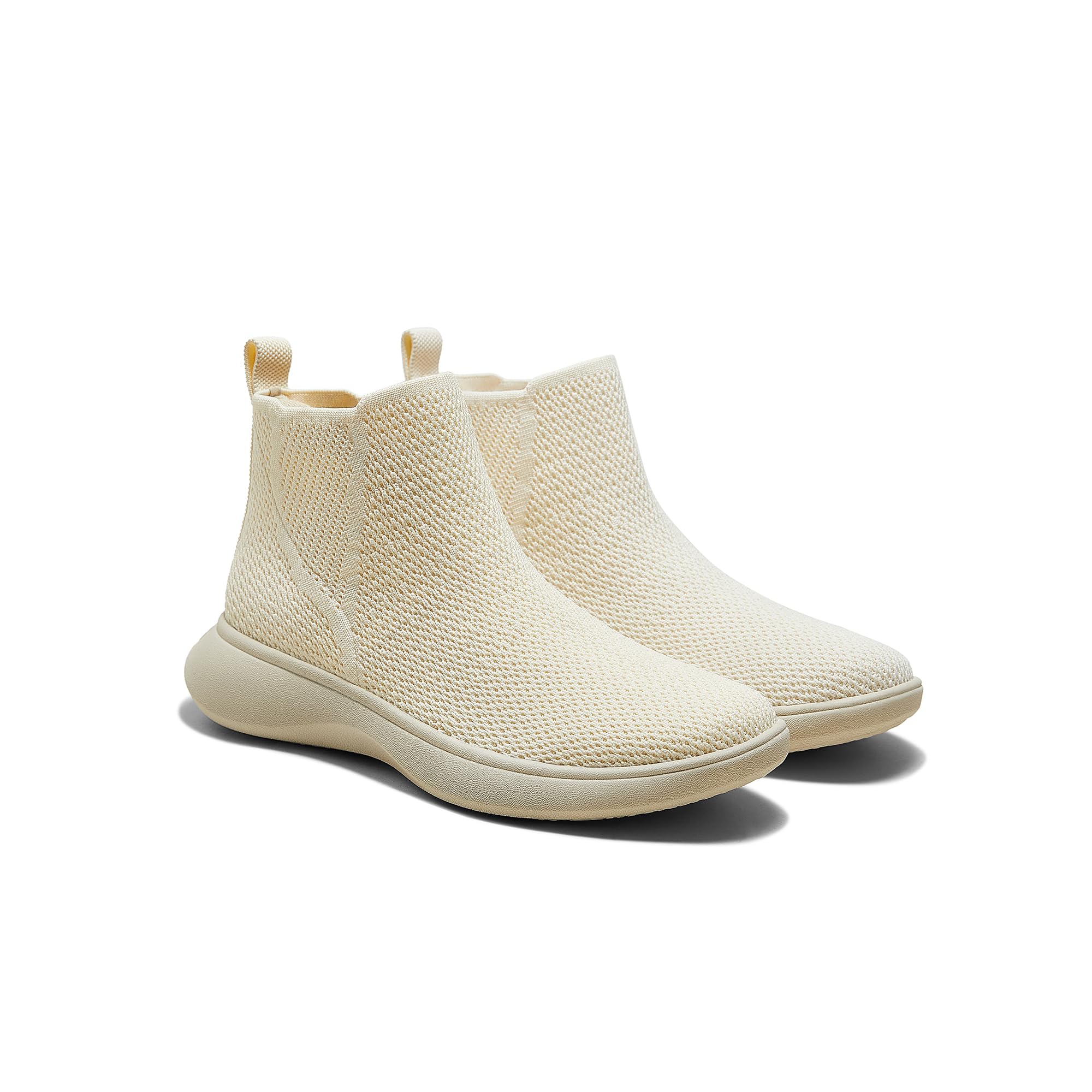
Chelsea and ankle boots use elastic side panels or a short shaft, so they slip on quickly and pair easily with jeans or trousers. They suit office days, errands, and anyone who wants a tidy look without laces. The trade off is ankle support, since a low, slip-on cut holds the foot less firmly than a lace-up pair. Look for a heel that stays settled when you walk and a sole that grips on smooth floors.
Waterproof Boots
Waterproof boots use membranes, sealed seams, and water resistant uppers to keep rain and slush out. They suit commuters who walk in all weather, people who cross wet grass or gravel, and anyone whose route includes puddles. The main trade off is airflow, since sealed pairs tend to feel warmer than open pairs. A gusseted tongue helps block water at the front, and a lugged sole helps on wet stone and mud.
Lace-Up Work Boots
Lace-up work boots offer an adjustable fit, a firmer midsole, and a sturdier outsole than most fashion styles. They suit people who stand or walk for long periods and want a secure hold around the ankle. The break in period can be longer, and the added weight may feel noticeable at first. Check that the laces lock the heel without pressure on the top of the foot.
Lightweight Boots
Lightweight boots use thinner materials, a slimmer sole, and a simpler build to reduce fatigue on long city walks. They suit travel, school runs, and days with many stairs, where a heavy pair would feel tiring. The trade off is protection, since thinner uppers and soles offer less defense against rough ground or deep mud. Look for a sole that still grips well on wet pavement, and a toe box that does not pinch when feet swell.
Chelsea Boots vs Waterproof Boots: Which Should You Choose?
Choose Chelsea or ankle boots when your main priority is a quick, polished look for dry days. Choose waterproof boots when your main problem is wet weather, since no amount of style keeps feet dry in rain. Some pairs combine both features, but a combined pair may feel firmer and warmer than a single focus pair. If you face both situations, decide which one affects you more often, and treat the other as a secondary feature.
How to Choose the Best Boots for Everyday Wear
Daily wear rewards a careful fit check and a focus on the features you will notice after several hours. Work through the points below with your usual socks and your typical route in mind.
Features That Matter for Everyday Wear
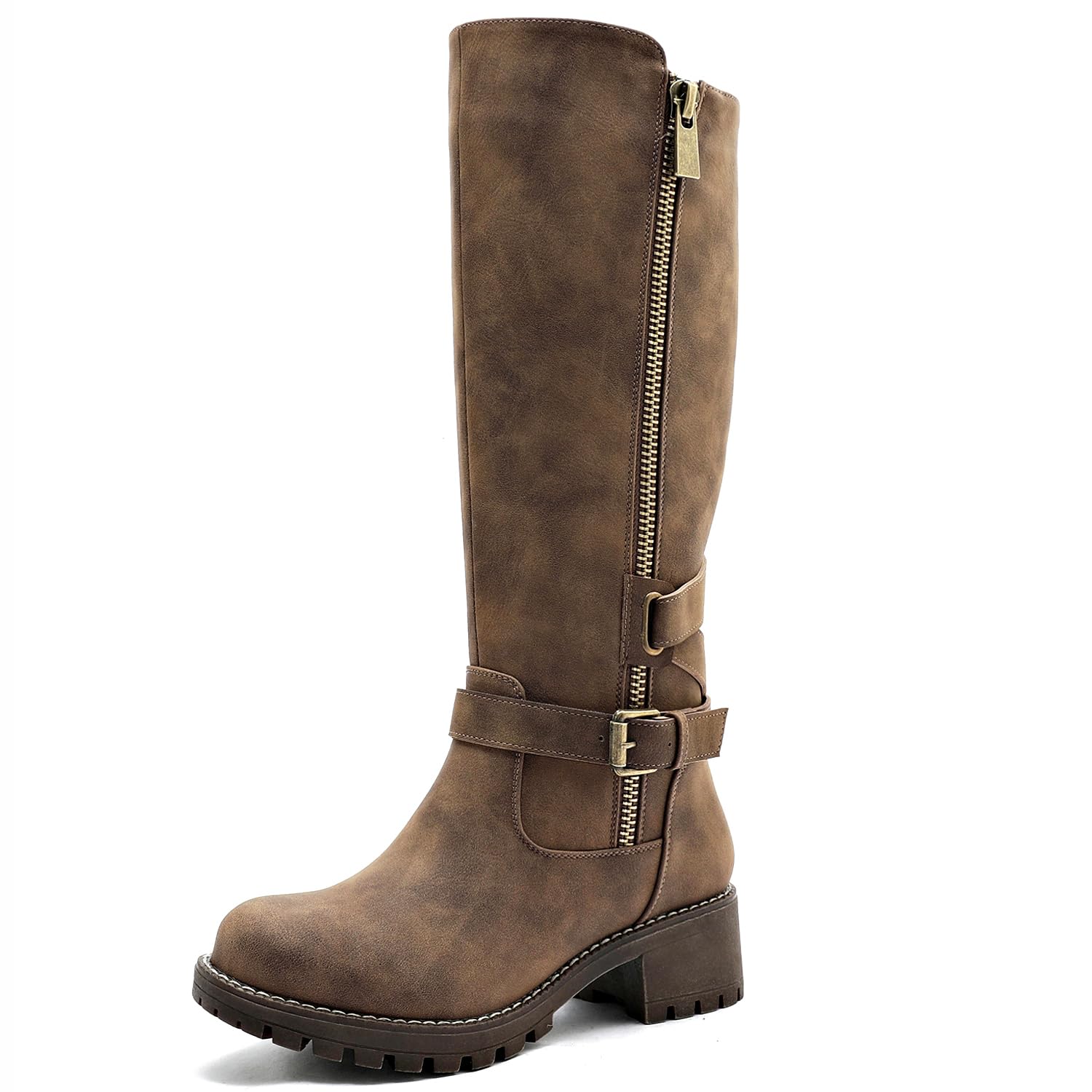
Everyday wear demands a sole that grips on wet pavement, a footbed that stays supportive through the day, and an upper that flexes without rubbing. A secure heel, a roomy toe box, and a closure that stays adjusted all matter more for daily use than a single standout feature. Look for stitching and sole attachment that can handle repeated bending, and check that the pair feels balanced rather than top heavy. If you walk in varied weather, weigh waterproofing against breathability, and choose the balance that fits your climate.
Break In Period and Comfort Out of the Box
Some boots feel comfortable at once, while thicker leather pairs need a few days to soften. A short break in period suits people who need a pair for an imminent trip or a busy week. A longer break in period can still be fine if you have time to wear the pair indoors first and build up gradually. Pay attention to hot spots during the first wears, since early rubbing often signals a fit issue rather than normal stiffness.
Fit, Sizing, and Toe Box
Measure your feet in the afternoon, when they tend to be slightly larger, and try boots with the socks you wear most. Your longest toe should have a small amount of room, your heel should stay settled, and the widest part of your foot should match the widest part of the boot. A roomy toe box helps on long days, when feet may swell slightly. For a related daily style, see our guide to best cowboy boots for everyday wear, which covers fit points for a taller shaft and a distinct heel shape.
Cushioning and Support
Cushioning softens each step, while support keeps the stride steady. A very soft midsole can feel pleasant at first but may feel less stable by late afternoon. A firmer midsole with a shaped footbed often holds up better over a long day. Sole flexibility also shapes the feel, with a flexible forefoot feeling more natural for walking and a stiff sole feeling more protective on rough ground.
A removable insole is useful, since it lets you adjust support without replacing the whole pair.
Durability and Expected Lifespan
Durability for daily wear depends on materials, construction, and mileage. Stitched soles often outlast glued soles, and thicker leather resists scuffs better than thin fabric. Daily use on rough surfaces wears tread faster than occasional use on smooth floors. Watch for thinning tread, a collapsing heel counter, or a footbed that no longer springs back, and replace a worn pair on time, since a flattened footbed can change your gait.
Picking the Right Boots for Different Uses
Different daily routines call for different strengths. Office days favor a tidy look and grip on smooth floors, while outdoor errands favor traction and weather protection. Travel days favor light weight and easy packing, while long standing days favor support and cushioning. Match the pair to your hardest routine, not your easiest one, and check that the style also works for the rest of your week.
Western Boots for Everyday Wear
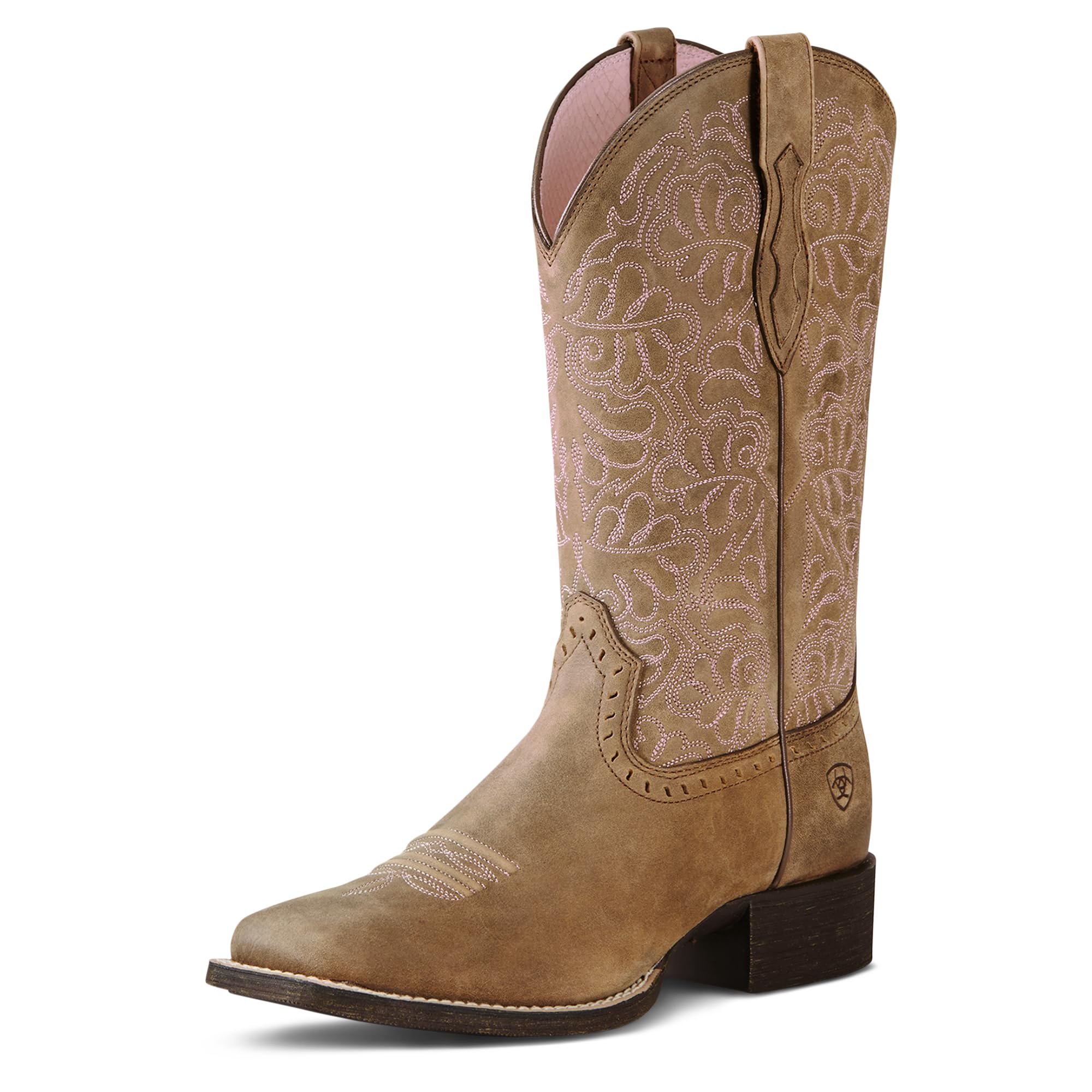
Western boots for everyday wear stand out for their tall shaft, angled heel, and decorative stitching, which give a distinct look and a different feel underfoot. The shaft can support the ankle, but it also needs room for the calf, so try the pair with the trousers you plan to wear. The angled heel changes the stride slightly, so walk indoors first to see whether it feels natural for long days. For a related rugged daily style, see our guide to best combat boots for everyday wear, which covers lace adjustment and ankle support for a taller, sturdier build.
More Everyday Styles to Consider
Some buyers want a tactical look with a secure lace system and a rugged sole, while others want a simpler men's fit for daily routines. For a secure, utilitarian option, see our guide to best tactical boots for everyday wear, which covers ankle lockdown and traction for varied surfaces. For fit notes in men's sizing, see our guide to best men's boots for everyday wear, which covers width, toe room, and heel hold for daily use.
Care and Maintenance Tips
Brush off dust and mud after wear, since grit wears down seams and dulls the finish. Let wet pairs air dry away from direct heat, and stuff them lightly to hold their shape. Rotate pairs when you can, because rest days let moisture escape and foam recover. Condition leather when it looks dry, following maker guidance for the finish, and replace laces when they fray.
Boots: Your Questions Answered
What features matter most in boots for everyday wear?
Fit, cushioning, support, and sole grip matter most in boots for everyday wear, because they shape comfort over many hours. A roomy toe box, a secure heel, and a footbed that stays supportive through the day are more important than a single standout feature. Traction matters too, especially on wet pavement and smooth indoor floors. Weather protection should match your climate, with waterproofing for rainy routes and breathability for warm days.
How often should I replace my boots?
Replace boots when tread wears smooth, the heel counter collapses, the footbed flattens, or stitching loosens in a way that affects support. Daily wearers reach that point sooner than occasional wearers, and rough surfaces shorten life further. Rotating pairs and caring for leather can extend use, but care cannot restore a worn sole. Notice changes in comfort, since new soreness can signal fading support.
Do I need waterproof boots for everyday wear?
You need waterproof boots for everyday wear when you regularly walk in rain, snow, slush, or standing water. A membrane and sealed seams help most in those conditions, while a water resistant finish may be enough for light drizzle and mostly dry use. Waterproof pairs tend to feel warmer, so they can be less pleasant in hot weather. Think about your route, including grass, gravel, and puddles, and your tolerance for wet feet.
How long is the break in period for everyday boots?
The break in period for everyday boots usually lasts from a few days to two weeks, depending on leather thickness and construction. Softer materials and flexible soles settle quickly, while thick leather needs more time. Wear the pair indoors for short periods first, then build up to full days as the material softens. If pain or numbness persists beyond the early stage, reassess the size or style, and seek medical advice if symptoms continue.
How should boots for everyday wear fit?
Boots for everyday wear should fit snugly at the heel and midfoot while leaving room for your toes to move. Measure both feet in the afternoon, try the pair with your usual socks, and walk indoors on a hard surface before deciding. Your heel should not lift much with each step, and the widest part of your foot should line up with the widest part of the boot. A pair that pinches at first may soften slightly, but it will not stretch enough to fix a narrow toe box.
Are expensive boots worth it for everyday wear?
Expensive boots are worth it for everyday wear when the extra cost buys a better fit, stronger construction, or a build that can be repaired. Price alone does not guarantee comfort, so judge the pair on fit, materials, and sole quality. For light, occasional use, a value pair may serve just as well. For daily wear, a midrange build often balances comfort and durability well, while a premium build suits hard use and long hours.
Wrapping Up
Start with fit, then weigh support, cushioning, and traction against your daily route and weather. A pair that feels settled after a full day, grips well on your surfaces, and matches your dress code will serve you far better than a stylish pair that pinches. The product table and the comparison table above can help you compare the options at a glance. With the right balance of comfort and durability, best boots for everyday wear can become a dependable part of your daily routine.