
Best Combat Boots Fashion in 2026: Which Type Is Right for You?
Disclosure: We may earn a commission when you buy through links on this page, at no extra cost to you. As an Amazon Associate I earn from qualifying purchases. Learn more

Compare the best combat boots fashion by style type, from classic black leather to chunky soles, with fit, comfort, and care guidance for everyday wear.
Combat boots have moved far beyond their military roots, and the range of styles can stall a purchase. Classic lace up leather, chunky platform soles, glossy finishes, and soft suede versions all wear the same name but land in very different outfits. The best combat boots fashion for you depends on the look you want, how long you will stand in them, and how much break in effort you accept.
This guide compares the main style types side by side, then covers the fit, support, and care details that decide whether a fashionable pair also stays comfortable. Start with the comparison table below, then read the type that matches your wardrobe.


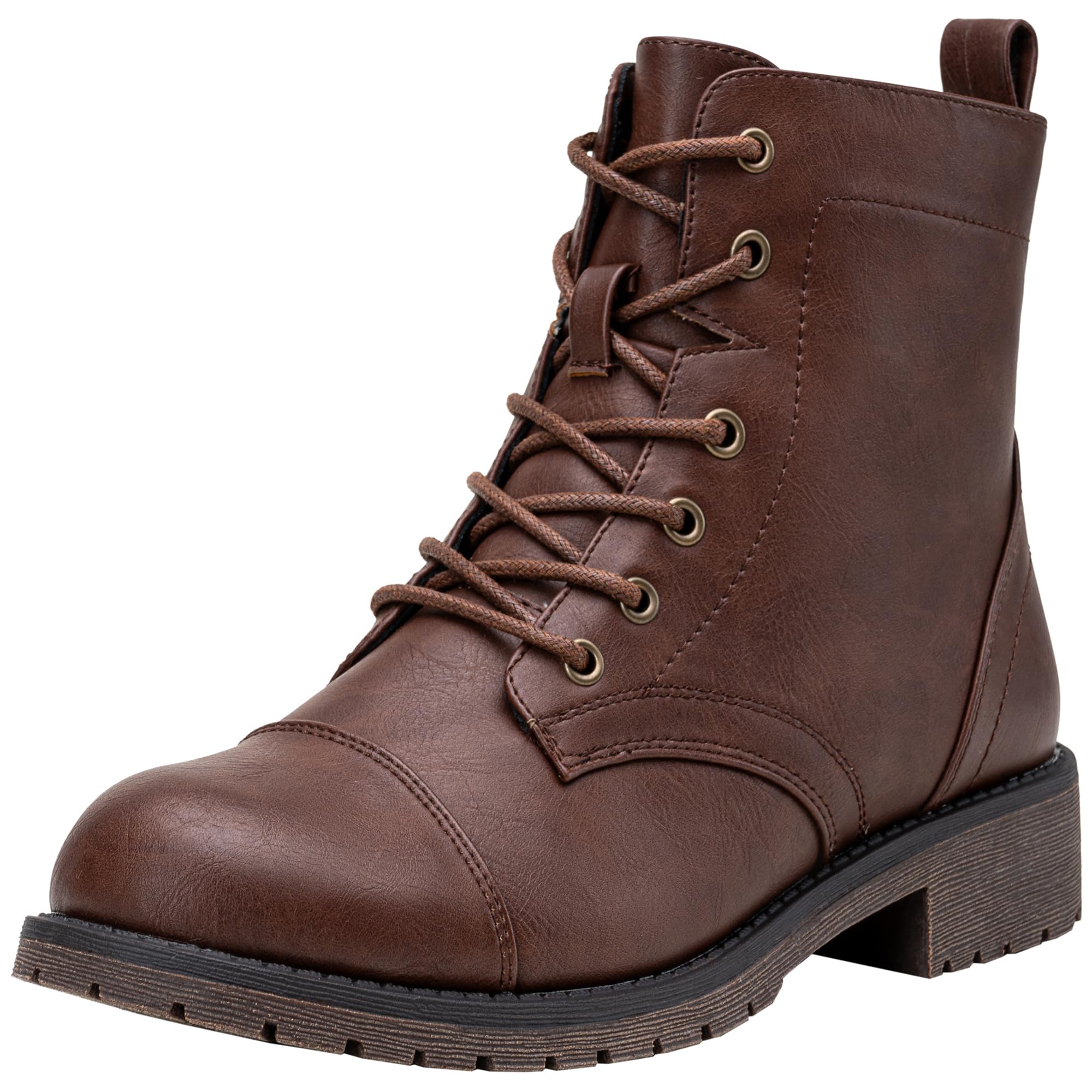
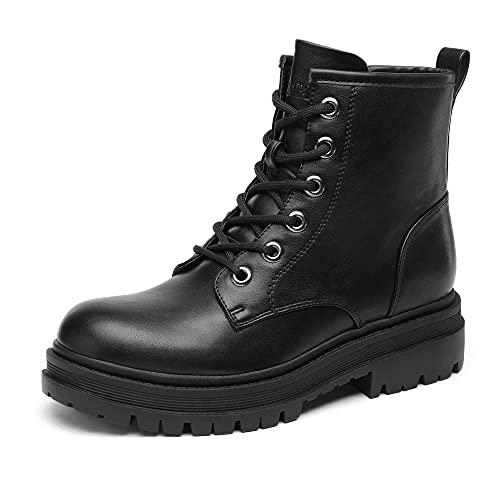

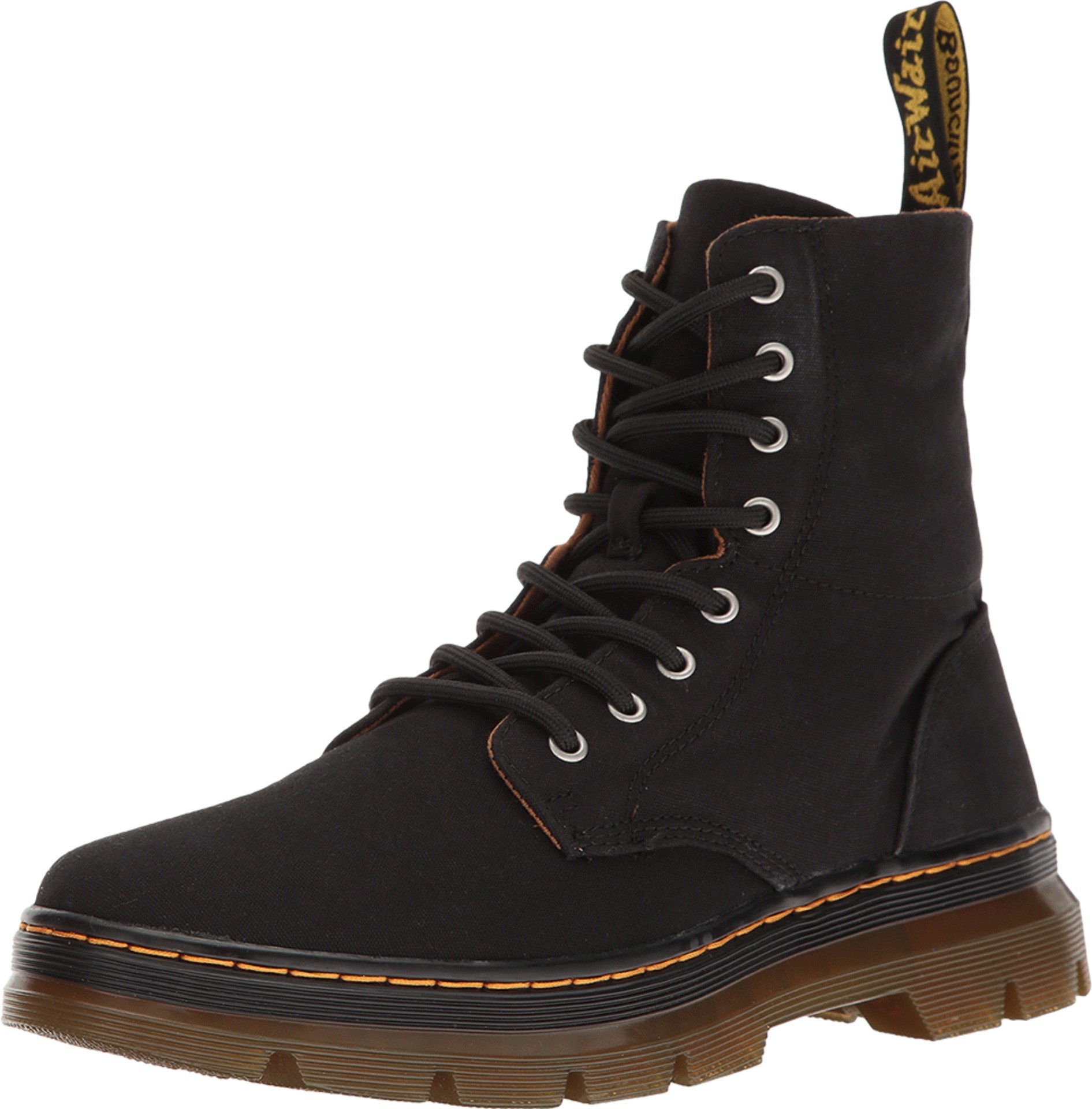
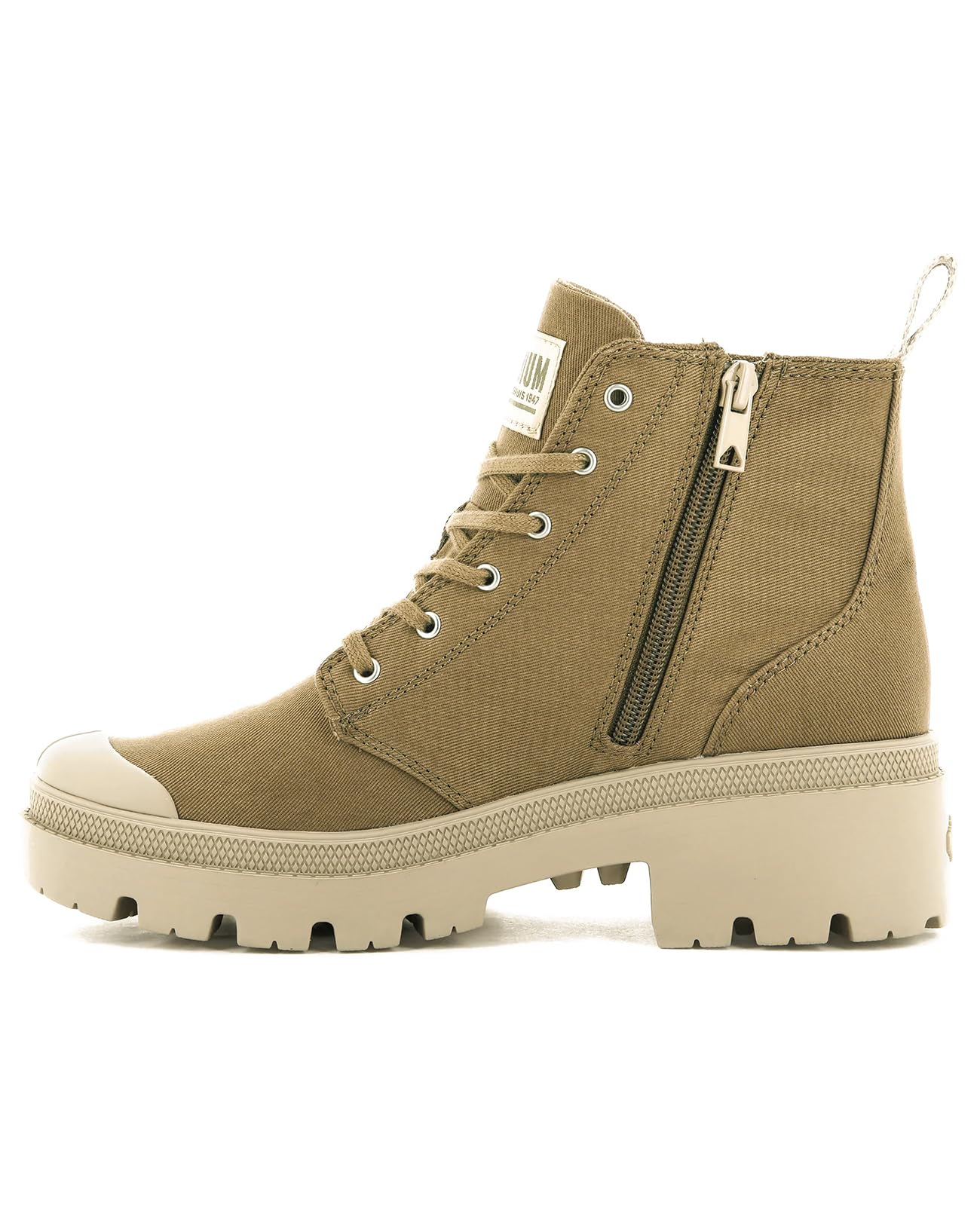

Types of Combat Boots Fashion Compared
Fashion combat boots split into three broad types. Classic leather styles carry the original silhouette. Chunky and platform styles push the look bolder and taller. Water resistant styles trade some polish for weather tolerance. Each type below explains how it wears, what it does well, and where it falls short.
Classic Black Leather Styles
The classic type keeps the original formula: smooth or lightly grained black leather, a rounded toe, metal eyelets, and a moderate lug sole. It pairs with almost everything in a modern closet, from jeans and a jacket to a dress that needs an edge, and it moves between seasons without looking dated. This is the safest first pair and the one most likely to still suit you in five years.
The trade offs are break in time and weight. Stiff leather needs several wears before the ankle and toe flex comfortably, and a traditional pair is heavier than a sneaker by a wide margin. Prices usually run about $80 to $200. Choose this type when you want one pair that covers work, weekends, and evenings with the least outfit planning.
Chunky and Platform Styles
Chunky styles build the same upper on a thick, exaggerated sole, sometimes with a platform that adds one to two inches of height. The look is bolder and more current, and the extra sole cushions pavement better than a slim classic sole. These boots suit statement outfits, concerts, and anyone who wants height without a heel. They also photograph as the centerpiece of an outfit, so the rest of your clothing can stay simple.
The costs are weight and subtlety. A chunky pair can feel tiring on long walks, catches on stairs until you adjust your stride, and reads too casual for dressier settings. Most cost about $70 to $180. If you want a deeper look at functional versions built for hard use rather than looks, our guide to the best combat boots covers durability first designs.
Water Resistant and Suede Styles
This type covers fashion boots built for weather or softness: treated leathers and membranes that shrug off rain, plus suede versions in black, brown, or taupe that soften the whole silhouette. Water resistant pairs suit wet climates and commuters who refuse to change shoes at the office. Suede pairs suit dry climates and dressier outfits, since the matte texture reads calmer than glossy leather.
Each side gives something up. Membranes make a boot warmer and less breathable in summer, and treated leather still needs drying time after a soaking. Suede stains easily, marks in rain, and needs a brush and protector spray to stay presentable. Expect about $90 to $220. Choose this type when climate, not trend, is your deciding factor. For related styling range, see our roundup of the best boots fashion across boot categories.
Classic Leather vs Chunky Soles: Which Should You Choose?
Compare them on five points. Look: classic leather blends into outfits, chunky soles lead them. Comfort: chunky soles cushion hard floors better at first, while classic leather molds to your foot and wins over months. Weight: classic pairs usually feel lighter by late day. Versatility: classic black leather reaches semi formal settings that chunky styles cannot. Longevity: classic silhouettes outlast trends, while chunky soles are tied to a fashion cycle that will turn.
Your answer follows your priority. If this is your only pair of boots, choose classic leather. If you already own a neutral boot and want a bolder second pair, choose chunky. People who stand all day on concrete often prefer the chunky sole for its padding, accepting the trend risk, while people buying for a capsule wardrobe should protect versatility first.
How to Choose the Right Combat Boots Fashion
Water Resistance and Membranes
Decide by climate and season. A waterproof membrane earns its cost if you walk through rain and slush weekly, since wet leather that never fully dries cracks and stains. In dry or indoor heavy routines, the membrane only adds warmth and price. Water resistant treated leather sits in the middle: fine for splashes and light rain, wrong for standing in puddles. Remember that fashion boots rarely seal the seams and tongue the way work boots do, so treat fashion water claims as splash protection unless the construction clearly says otherwise.
Break In Period and Comfort Out of the Box
Full leather fashion boots usually need five to ten wears before the ankle collar and toe box flex without rubbing. Wear them at home first, then on short outings, with thick socks during the early wears. Synthetic and soft suede uppers feel comfortable immediately but stretch less predictably and can loosen at the heel. Blisters at the back of the heel during week one are common and usually pass; pain across the top of the foot or numb toes signal a fit problem that break in will not fix.
Durability and Expected Lifespan
Construction decides lifespan more than price does. Stitched soles outlast glued soles and can sometimes be replaced by a cobbler, while glued fashion soles often separate after a few seasons of wet weather. Leather thickness, metal rather than plastic eyelets, and a reinforced heel counter all point to a longer life. With regular wear and basic care, a well built fashion pair should serve three to five years. Rotate them with another pair and the uppers rest and dry between wears, which can add a full season or more.
Fit, Sizing, and Toe Box
Try boots late in the day, when your feet are slightly swollen, wearing the socks you plan to use. You want a thumb width of room in front of your longest toe, a heel that stays seated when you walk, and no pressure across the widest part of the foot. Combat styles often run long and narrow, so wide footed buyers should look for wide sizes rather than sizing up, which adds length without width and invites heel slip. Lacing matters too: a snug midfoot lace lets the toe box stay roomy without looseness.
Arch Support and Foot Type
Most fashion combat boots ship with flat, thin insoles that offer little arch support. If you have flat feet or high arches, plan on swapping in a supportive insole from the start, and check that the boot has enough depth to accept one without crowding your toes. A stable, slightly raised heel in most combat styles helps posture on hard floors, but it does not replace real support. Anyone managing foot pain or a diagnosed condition should confirm footwear choices with a clinician or podiatrist rather than relying on general fit advice.
Choosing Combat Boots Fashion for Your Situation
Best Men's Combat Boots Fashion: Which Type Works Best
For best men's combat boots fashion, the deciding factors are shaft height, sole profile, and color range. Men often choose a slightly higher shaft that sits above the ankle bone, which suits straight leg trousers and keeps the silhouette clean. A moderate lug sole reads rugged without tipping into work boot territory, while very chunky soles pair better with relaxed and streetwear fits. Black and dark brown cover nearly every outfit; gray and oxblood work as deliberate second pairs. Fit runs longer in many men ranges, so check length before assuming your sneaker size transfers. Buyers focused on men specific lines can compare them in our guide to the best combat boots for men, and women specific fits are covered in our guide to the best combat boots for women.
How to Make Your Combat Boots Fashion Last Longer
Rest each pair at least a day between wears so the leather dries fully, and use shoe trees or loosely stuffed paper to hold the shape. Wipe road salt and mud off promptly, since both pull moisture and dye out of leather, and let wet boots air dry at room temperature away from radiators and direct heat, which crack leather fast. Condition smooth leather a few times a season, brush suede after each wear, and check heel caps and sole edges twice a year so a small repair happens before a sole separates.
FAQs
Do I need waterproof combat boots for fashion wear?
Only if rain is a regular part of your routine. For occasional showers, treated leather and prompt drying protect a fashion pair well enough. A full membrane adds warmth that feels wrong in summer and raises the price, so buy it for a wet climate, not as insurance. One point buyers miss: waterproof fashion boots still leak at the tongue and seams in heavy rain, so they are rain resistant in practice even when the label says more.
Can I wear combat boots fashion styles all day?
Yes, once they are broken in and the insole suits your feet. The first week is the wrong time to judge, since stiff leather softens steadily. For long days on hard floors, a cushioned replacement insole makes a bigger difference than switching styles. If your job involves ladders, slick floors, or safety rated footwear rules, fashion boots are the wrong tool, and you should wear rated work footwear instead.
How should combat boots fashion fit?
Firm around the midfoot and ankle, roomy at the toes, and secure at the heel. A small amount of heel movement in a brand new stiff pair is normal and settles as the sole flexes, but sliding that rubs the skin is a wrong size or wrong last. Lace from the bottom with even tension, and use the top hooks or eyelets, since a loose collar is the most common cause of ankle rub in this style.
How long is the break in period for combat boots?
Expect roughly two weeks of regular short wears for smooth leather, less for suede and soft synthetics. The ankle collar is usually the last area to soften. Speed it up safely with thick socks, short walks, and leather conditioner on stiff spots, and never soak boots in water to soften them, a common tip that damages glue and dries leather out. If one spot still cuts skin after ten wears, a cobbler can stretch that exact area.
How often should I replace my combat boots fashion?
Replace them when the sole tread is smooth, the heel is worn unevenly enough to change your stride, or the upper cracks through at the flex points. For most wearers that lands between three and five years for stitched leather pairs and closer to two for glued fashion soles worn daily. A pair that still fits well can often gain another season from a resole or heel repair, which costs far less than replacement.
Are expensive combat boots fashion worth it?
They are worth it when the price buys thicker leather, stitched construction, and metal hardware, because those parts decide how the boot ages. Past a certain point, around $250 and up, extra money mostly buys branding and finish details rather than years of wear. For a trend led chunky style you expect to retire in two seasons, mid priced is the rational buy. For a classic black pair you plan to keep, spending more once usually costs less per year.
Final Thoughts
Decide your type first, classic leather for versatility, chunky for statement, weather ready for wet climates, then verify fit, insole depth, and sole construction before paying. Break in time is normal and temporary, while a wrong size is permanent. Compare the styles in the product table above, and you will choose the best combat boots fashion for your wardrobe, your weather, and your walking days.


