Best Colored Pen Sets 2026: Choose by How You Use Them
Disclosure: We may earn a commission when you buy through links on this page, at no extra cost to you. As an Amazon Associate I earn from qualifying purchases. Learn more
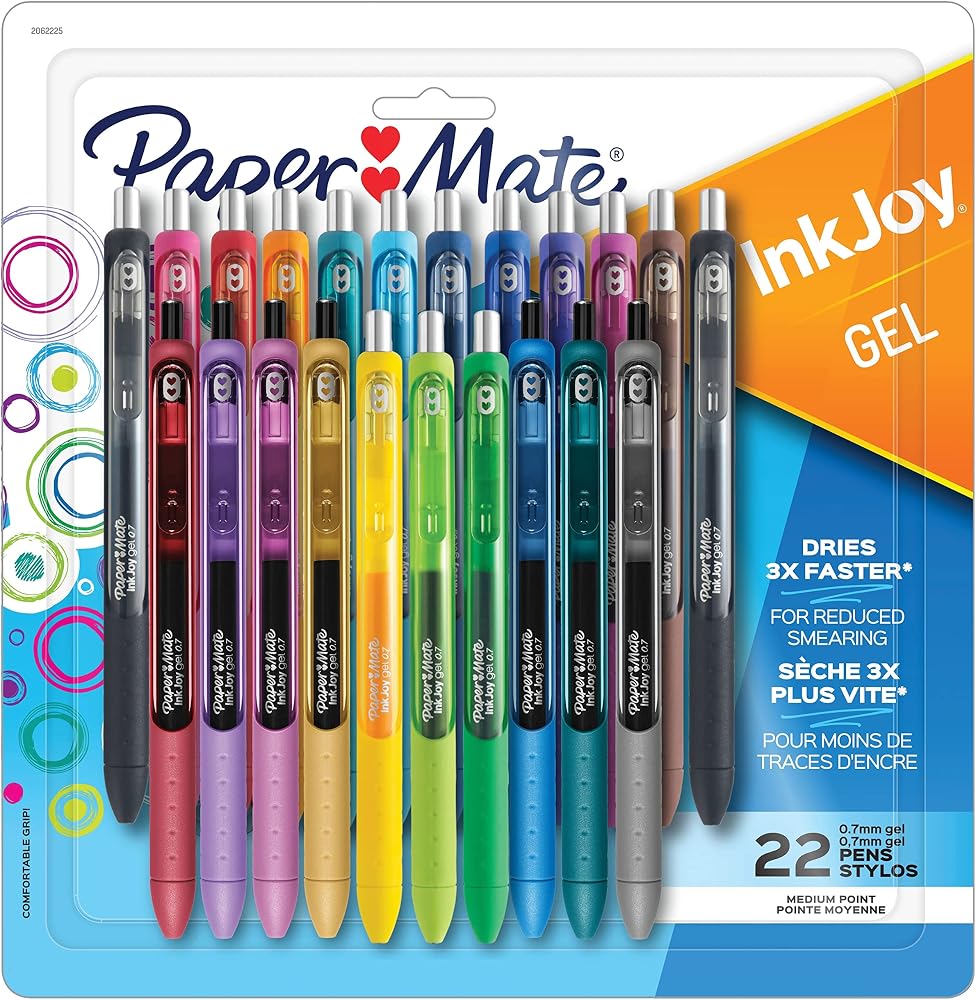
Which colored pen set fits your desk? Compare gel, felt tip, and fineliner sets by tip size, ink flow, paper match, and price.
There is no single pen set that suits every desk, classroom and studio. A student color coding notes needs reliable flow and low bleed, while an artist layering color in a journal needs smooth laydown and a wide shade range. That is why choosing best colored pen sets starts with your routine, your paper and how often you reach for color each week.
This guide sorts buyers by use, explains the features that change daily writing and drawing, and flags the mistakes that waste money. You will also get simple care steps that keep tips flowing and caps sealing well. Start with the product table below, then match your main use to the sections that follow.

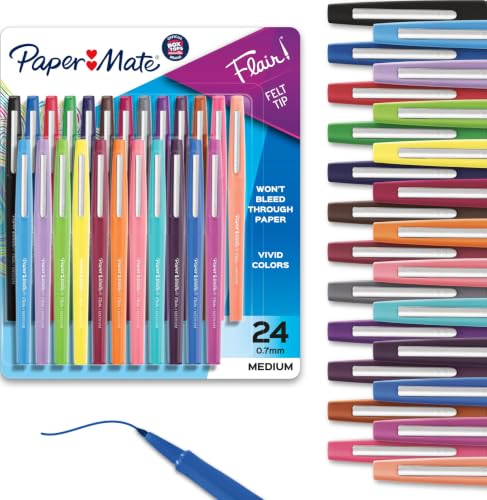

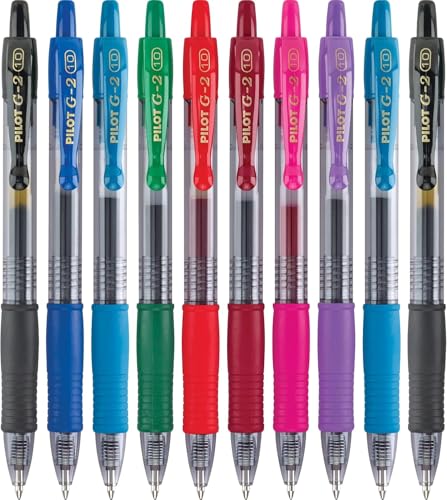
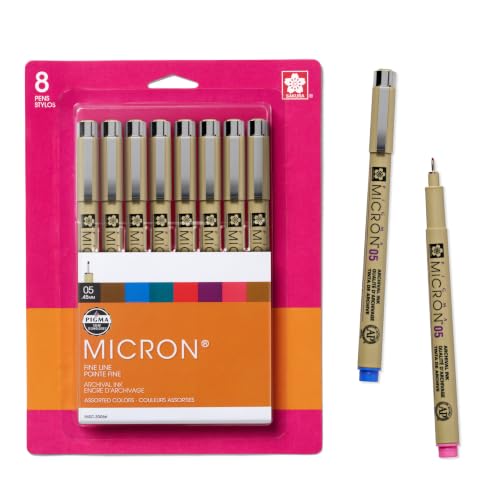


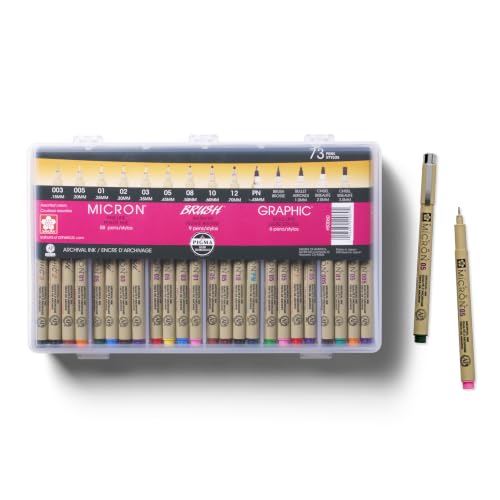
Who Should Buy Which Colored Pen Sets?
For First Time Buyers
Start with a modest set in the range of about 12 to 24 colors, with a tip size suited to your main task. Fine tips around 0.4 mm to 0.7 mm suit notes, planners and detailed coloring, while broader tips lay down color faster on larger areas. Look for pens that feel balanced in your hand for a full page, with caps or click mechanisms that seal well so ink does not dry between uses. A smaller first set teaches you which shades you actually use, so your next purchase can fill real gaps instead of duplicating colors that sit untouched.
For Value Seekers
Value comes from cost per pen that performs, not from the largest count in the box. A set of 24 pens with consistent flow and no duds beats a set of 60 where a third skip, leak or dry early. Check whether single replacement pens or refill options exist for your favorite shades, because heavy users burn through blue, black and red style workhorse colors first. If you compare broader writing kits as well, see our guide to the best pen sets for general desk use. Store value sets tip down or flat as the maker directs, so ink stays at the tip and ready.
For Gift Shoppers
A pen set makes an easy gift when you match it to the recipient hobby, such as journaling, study notes, card making or adult coloring. Choose a tidy case or roll that keeps colors in order, because presentation and storage matter more for a gift than a bulk box. Include a small pad of suitable paper if you know they are starting out, since good paper makes any pen feel better. Check the return window and avoid highly personal choices such as scented inks unless you know they enjoy them. A mid sized set around 24 to 36 colors feels generous without overwhelming a new user.
Key Features to Compare
Durability and Care
Durability shows in barrel strength, cap seals and tips that keep their shape after weeks of pressure. Gel and liquid ink pens need caps replaced firmly after each use, because a loose cap is the top cause of dried tips. Felt tips wear faster under heavy pressure and on rough paper, so match tip type to your hand and your paper stock. Keep pens away from heat in cars and sunny windows, since heat thins ink and can cause leaks. A set that survives a school bag or a daily commute without cracked barrels will outlast a fragile set with prettier packaging.
Price and Value
Budget sets around $10 to $20 suit classrooms, shared desks and trying a new tip style with little risk. Mid range sets around $20 to $40 usually bring smoother flow, better color consistency and cases that actually protect the pens. Premium sets above about $40 should justify the jump with archival or fade resistant inks, refill paths, or artist grade pigment that layers cleanly. Judge price alongside paper costs, because pens that bleed force you into thicker and costlier notebooks. Spend on the colors and tips you use weekly, and skip giant counts bought only for shades you will open once.
Size and Design
Set size shapes your daily experience more than most buyers expect. Small sets travel well in a pencil case and force a simple palette that speeds up note taking and planning. Large sets shine for art and design work, where subtle shade steps let you blend and shade without mixing. Barrel design matters too, since triangular or cushioned grips reduce finger strain during long study or coloring sessions. If you also keep pencils for sketching, see our guide to the best colored pencil sets to compare dry color with ink color side by side.
Purpose and Who It Is For
Match ink type to purpose before you fall for a color range. Gel pens write smoothly on most papers and suit journals and cards, fineliners give crisp lines for planners and technical notes, and brush pens serve lettering and calligraphy practice. Students need quick drying ink that will not smear under a highlighter, while artists may accept slower drying for richer color. If lettering is your goal, see our guide to the best calligraphy pen sets for tools built for that craft. Households sharing a set should favor washable or low odor options around young children, with adult supervision for small caps.
Common Mistakes to Avoid When Buying Colored Pen Sets
- Buying the biggest count first. Huge sets often repeat near duplicate shades while skimping on tip quality and flow.
- Ignoring your paper. Pens that feel perfect on thick journal paper can bleed through thin notebook pages, so test on the paper you use daily.
- Skipping tip size. A tip that is too fine scratches through detailed work slowly, while a tip that is too broad floods small handwriting and planner boxes.
- Storing pens loosely in a hot bag. Heat, loose caps and rattling barrels cause leaks and dried tips that look like defects.
- Forgetting combined kits. If you write and sketch together, see our guide to the best pen and pencil sets before buying separate kits that duplicate tools.
Care and Maintenance Tips
Follow the care directions for your ink type, and recap or retract every pen as soon as you finish a session. Store sets flat or as the maker directs, in a cool drawer away from direct sun, and keep the case closed so dust stays off the tips. If a water based tip feels dry, cap it and rest it tip down overnight before you throw it away, because ink often returns to the tip. Check any warranty or satisfaction terms when your set arrives and keep the receipt, since a pen that arrives dry should be exchanged at once rather than nursed along.
A quick home test saves returns and frustration. Scribble each color on your usual paper, write a full sentence at normal speed, and check the back of the page for bleed or shadowing. Leave one pen uncapped only as long as the maker allows for testing, then seal it and check flow again the next day. Note any pen that skips, pools or feels scratchy at once, because early faults are easiest to exchange while the set is new.
Frequently Asked Questions
Is it worth paying more for colored pen sets?
It is worth paying more when you write or draw daily and need smooth flow, consistent color and tips that hold their point. Higher tiers usually add better seals, refill options and inks that resist fading in journals you plan to keep. For occasional card making or classroom use, a sound budget set covers the job well. Compare cost per working pen, not box count, and let your weekly use decide the tier.
Are colored pen sets a good gift?
Yes, colored pen sets make a good gift because they suit many ages and hobbies and need no sizing or setup. Choose a mid sized set with a tidy case, and match the tip to the recipient, such as fine tips for a student or brush tips for a lettering fan. Add a suitable notebook if your budget allows, because fresh paper makes the first use feel special. Avoid scented or glitter inks for professional settings unless you know the recipient taste well.
What features matter most in colored pen sets?
Tip type, ink flow and paper match matter most. Decide whether you need crisp fineliner lines, smooth gel coverage or flexible brush tips, then check that the ink dries at a speed your paper and hand can handle. Grip comfort follows for long sessions, and a case that keeps order matters more than extra shades. Most buyers need that fit between tip, paper and routine more than a giant color count.
How long do colored pen sets last?
Most sets last from several months to over a year, depending on use frequency, ink volume and storage care. A student writing daily may finish favorite colors within a school term, while a journal keeper using many shades in rotation can enjoy a set far longer. Caps left off, heat and rough paper shorten life the fastest. Note which colors run out first, because that pattern tells you whether refills or singles will save money next time.
Final Thoughts
Choose by purpose first, then tip and paper fit, then color count. That order keeps you from paying for shades you never open while missing the smooth daily performance you actually feel. When you judge best colored pen sets by those checks, the product table above turns into a short and practical list for your desk, bag or studio.