Best Calligraphy Pen Sets: Pen Types, Nibs and Ink Explained 2026
Disclosure: We may earn a commission when you buy through links on this page, at no extra cost to you. As an Amazon Associate I earn from qualifying purchases. Learn more

Compare the best calligraphy pen sets by pen type, nib variety, ink flow and budget, with tips for beginners and hobbyists.
A calligraphy pen set can mean anything from a wooden dip pen with a drawer of steel nibs to a pack of felt tip markers, and the best calligraphy pen sets are the ones that match the style of lettering you want to learn. Beginners often buy the biggest kit they can find and then struggle with ink flow, so it pays to understand the main pen types first. The comparison table below lists current sets with their nib counts and prices.
This guide covers the four common pen types, what to look for in nibs and ink, and how to budget for a set that lasts beyond the first few practice sheets.


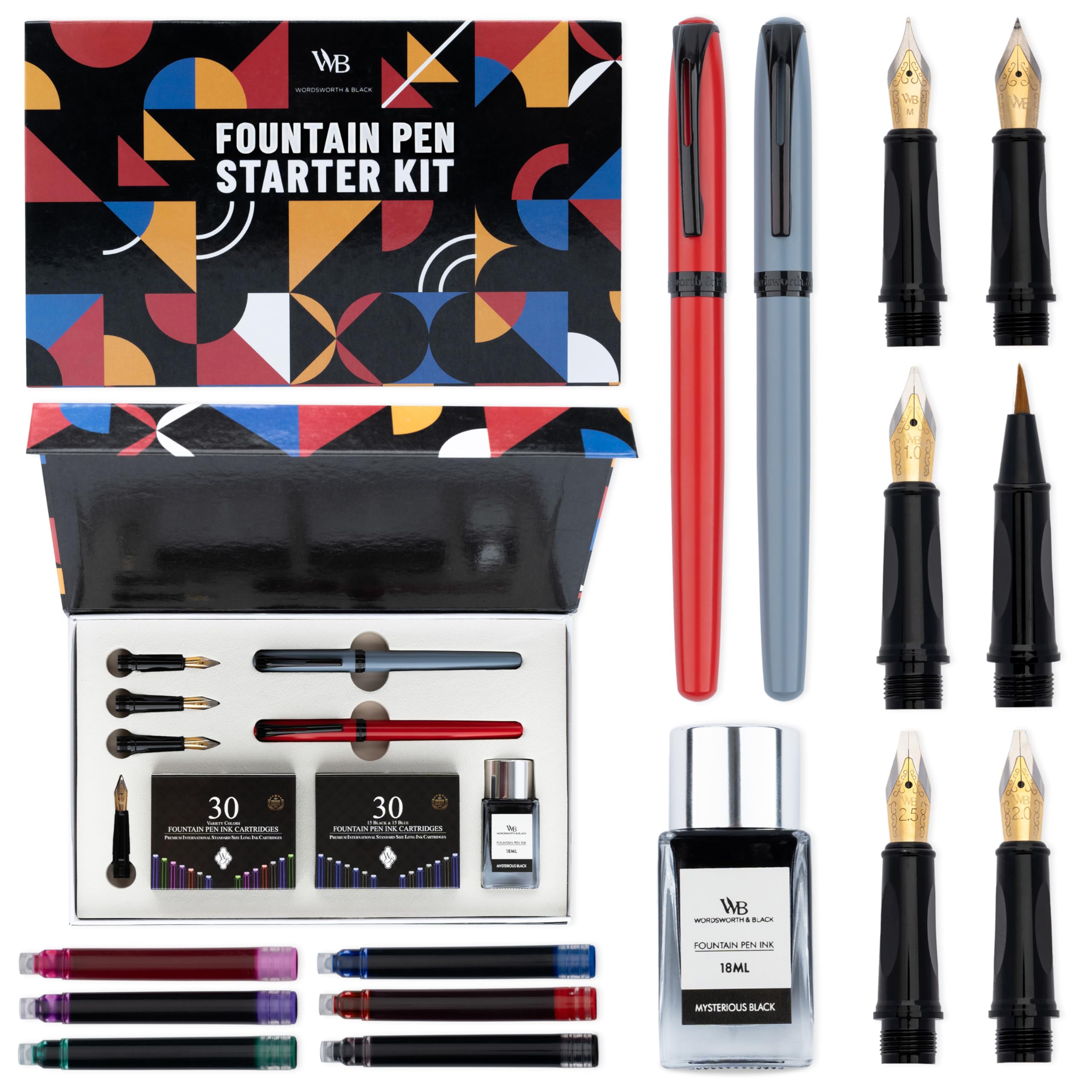
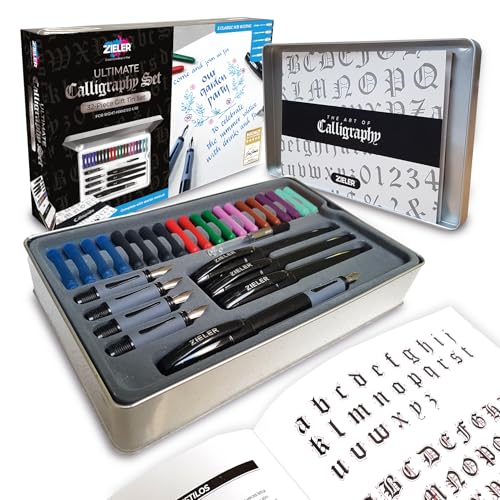


Calligraphy Pen Types Compared
| Pen type | How it writes | Best for |
|---|---|---|
| Dip pen with steel nibs | Dip the nib in bottled ink, flexible nibs create thick and thin lines | Copperplate, Spencerian, wedding envelopes |
| Fountain style calligraphy pen | Cartridge or converter, chisel nib in fixed widths | Italic and gothic scripts, everyday practice |
| Parallel pen | Two plates feed ink to a wide, flat tip | Bold italic, headings, easy first use |
| Brush or felt tip pen | Soft tip varies line width with pressure | Modern brush lettering, cards and journals |
If you only want to try the hobby, a parallel pen or a fountain style set is the easiest start. If you are drawn to flowing, high contrast scripts, a dip pen set gives the widest range, but it needs patience.
Who Should Buy a Calligraphy Pen Set
Beginners learning letterforms benefit from a kit that includes several nib widths, a practice guide and ink in a few colours. Hobbyists who make invitations, place cards or bullet journal headers often prefer a set with a comfortable holder and a mix of nibs.
A calligraphy pen set also makes a good gift. Look for a case or tin that keeps nibs and bottles organised, and choose a set with clear instructions so the recipient can start without hunting for extra supplies.
Choosing the Best Calligraphy Pen Sets
Nib Variety and Quality
Sets with many nibs look generous, but most of them stay unused. Two or three well made nibs of different widths are more useful than a dozen thin ones. Steel nibs should be smooth, evenly split and free of burrs, and they often need a quick clean with a damp cloth before the first use to remove the protective oil.
Ink Flow
A pen that feeds ink steadily avoids blotches, which matters more than decoration when you are learning letterforms. Calligraphy ink is thinner than most drawing ink, and thick inks clog fine nibs. If your set comes with a bottle, shake it gently and dip only the nib, not the shoulder of the pen.
Holder and Grip
A holder that suits your hand lets you practise longer without cramping. Straight holders suit most Roman and gothic styles, while oblique holders hold the nib at an angle for scripts with a slanted baseline. Wood feels warm, while lacquered plastic is lighter and easier to clean.
Paper and Extras
Smooth, bleed resistant paper matters as much as the pen. Rough sheets catch the nib and fray the line. Some kits include practice pads, guide sheets and rulers, which are useful if you plan to learn a specific script.
Scripts to Try with a Starter Set
Italic is the friendliest first script, because it uses a single pen angle and consistent letter shapes. Gothic or blackletter looks dramatic but demands careful spacing. Copperplate and other pointed pen scripts need a flexible nib and a lighter touch, so save them for when your basic strokes are steady.
Many starter kits include a guide sheet for one script. Follow it for a few weeks before switching, and you will see progress faster than if you jump between styles every session.
Setting Your Budget
Basic beginner sets cost around $15 to $30 and usually contain a wooden holder, several nibs and a few small ink bottles. Mid priced sets in the $30 to $60 range often add better nibs, a case and guide sheets. Higher priced sets, up to about $120, may include a fountain pen with a converter or hand finished holders.
A larger set is not always better value. If the nibs are poor, you will end up buying a couple of replacements anyway, so aim for quality over count.
Getting Started with Your First Set
Start with a medium nib, since a very broad nib hides mistakes while a very fine nib exposes every wobble. Clean the nib, load a little ink and draw simple strokes: straight lines, curves and circles. Once the strokes feel steady, move on to single letters, and keep the paper at a slight angle for comfort.
Wipe the nib on a damp cloth when you finish, and never leave it sitting in ink. Dry steel nibs fully, because rust spots ruin the point.
Common Mistakes to Avoid
- Choosing the widest nib first, which makes small mistakes hard to correct.
- Using thick drawing ink, which clogs the slit and causes blobs.
- Pressing too hard on dip nibs, which splays the tines and breaks the point.
- Skipping practice paper, which wastes ink on sheets that feather.
- Buying a huge set for the nib count rather than the quality of the pens.
Care and Storage
Rinse nibs with water after each session and dry them before putting them away. Store pens capped or in a case so the tips do not bend, and keep ink bottles upright with the lids closed. Fountain style pens should be flushed with clean water every few weeks if you do not use them daily.
Related Guides
If you are comparing writing sets, our guide to the best pen sets covers general writing pens, and the best pen and pencil sets suit those who sketch as well. For presents, see the best pen gift sets, and for everyday note taking, the best gel pen sets are a simpler choice.
Frequently Asked Questions
Is a dip pen or a fountain pen better for beginners?
A fountain style or parallel pen is easier at first because the ink supply is built in. A dip pen offers more line variation but needs frequent dipping and more practice.
How many nibs do I need?
Two or three nibs are enough to learn the basics. Choose one fine, one medium and one broad nib so you can compare line widths on the same alphabet.
Can I use any ink in a calligraphy pen set?
Use the ink type the pen was designed for. Dip pens work with calligraphy or sumi ink, while fountain style pens need fountain pen ink. Thick acrylic or drawing inks can clog fine nibs.
What paper works best?
Smooth, heavyweight paper that resists feathering gives the cleanest lines. Many beginners use a laser printer paper pad or a dedicated calligraphy pad.
Are calligraphy sets suitable for left handed writers?
Yes, but left handed writers often prefer an oblique holder or a slightly rotated page to avoid smudging. A quick drying ink also helps.
Final Thoughts
Choose the pen type that suits the script you want to learn, keep the nib count modest and look for steady ink flow and a comfortable holder. Compare the sets in the product table above and pick the one that fits your budget and style. The best calligraphy pen sets are those you will happily reach for every week.