Best Coffee Table Book Printers: How to Print Your Own Book
Disclosure: We may earn a commission when you buy through links on this page, at no extra cost to you. As an Amazon Associate I earn from qualifying purchases. Learn more
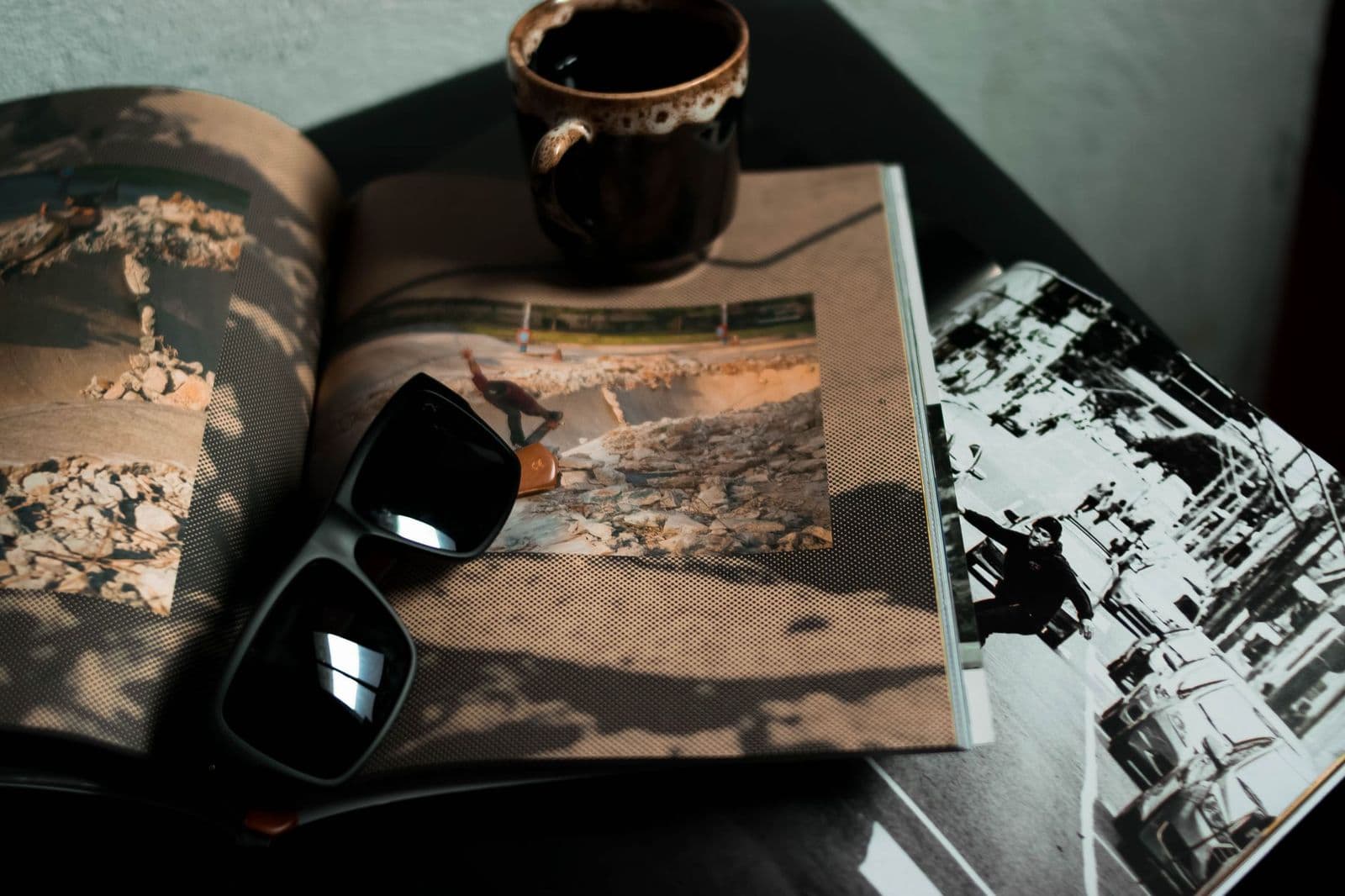
Best coffee table book printers are printing services for photo and art books. Learn how to compare paper, binding, size and proofs before you order.
A coffee table book is a large, heavy, image-rich book meant to sit on display and invite browsing. When people look for the best coffee table book printers, they almost always mean a printing service that turns photos or artwork into a bound book, not a printer for the desk. The right choice depends on your budget, print run and how closely the colors need to match your files.
Printing services fall into a few groups, from online photo book makers to offset printers that produce hundreds of copies. This guide explains how to choose among them, which options affect quality and what to check before you place an order.
Best coffee table book printers: print on demand or offset
Among the best coffee table book printers, print on demand services print one copy at a time, with no minimum. They are ideal for a personal album, a family history or a small portfolio. The unit price is higher, but you avoid stock and upfront costs. Digital presses have improved so much that the results are often excellent.
Offset printing is a traditional press process that suits runs of a few hundred copies or more. The unit price falls sharply with volume, and you can choose special papers and finishes. It requires a larger investment and careful proofing, so it suits photographers, authors and brands with a plan to sell.
Choosing the format and size
Coffee table books are usually large, often landscape or square, so that images have room to breathe. Popular layouts include square, landscape and large portrait. Pick a size that suits your images: wide landscapes shine in a landscape format, while portraits need a tall page.
Remember that larger books cost more to print and ship, and heavy books need strong binding to survive handling.
Paper and print quality
Paper choice shapes the feel of the book. Glossy paper gives vivid color and deep blacks but shows fingerprints. Matte paper has a calm, modern look and reduces glare. Lay-flat binding, in which the pages open fully, is valuable for double-page spreads and panoramas.
Ask whether the service offers a printed sample or a proof. A proof lets you check color and cropping before you commit to a full run, which is worth the small cost.
Binding and cover options
Hardcovers are the standard for coffee table books. Options include image wraps, printed cloth and dust jackets. Softcovers are cheaper and lighter, suitable for catalogs or zines. Layflat and stitched bindings last longer than glued ones, especially in a large book.
File preparation
Good results start with good files. Use high resolution images, set your layout at the printer's recommended size and allow margins for trimming. Use the color profile suggested by the service, and avoid placing important details close to the edge or the spine.
Proofread text carefully, because mistakes in a printed book are expensive to fix.
Cost and timing
Costs depend on page count, size, paper and quantity. Online services often show prices instantly. Offset printers give quotes after you send specifications.
Allow time for proofs, printing and shipping, particularly before gift occasions. Ordering early avoids rush charges, and a short buffer protects you if a proof needs a second round of changes. If you plan to sell the book, add the cost of shipping boxes and any tax into your price.
Display and care
A finished book looks best on a coffee table, shelf or stand. Keep it away from direct sunlight and moisture, handle it by the covers and store it flat to protect the binding. A coffee table book is both decor and keepsake, so treat it like a favorite album.
Questions to ask a printer before you order
Ask about minimum quantities, available sizes, paper weights and turnaround times. Request a sample book or a proof to judge color and binding. Ask what file formats and color profiles the printer prefers, and whether a layout guide is available. Find out how shipping is handled, and what happens if a copy arrives damaged.
A good printer answers these questions plainly. Be wary of services with unclear pricing or no way to see a sample before ordering.
Common mistakes
The most frequent mistakes are low resolution images, text placed too close to the trim and mismatched colors between screen and print. Screens glow, while paper reflects light, so a vivid image on a monitor can look flat on paper.
Soft proofing and a printed sample reduce surprises. Another mistake is skipping the proofread, which leads to costly reprints.
Plan your layout early, and leave time to review the proof carefully.
Ideas for your own book
Coffee table books suit travel photography, wedding albums, family histories, art portfolios and business showcases. A strong theme and a clear order make the book enjoyable. Mix large images with white space, and add short captions that tell the story behind each photo.
Think about the reader. A book on a coffee table is picked up casually, so open with a strong image and keep text short and inviting.
Eco-friendly and specialty options
Some printers offer recycled or responsibly sourced papers, vegetable-based inks and carbon-neutral shipping. Specialty options include foil stamping, embossed covers and linen finishes, which add cost but give a distinct feel. Ask what is available and check samples, because a special finish can look different in person than on a website.
For gifts and keepsakes, a well-chosen cover finish adds a lot of charm for a small extra cost.
Common questions
Can I print just one copy?
Yes. Print on demand services print a single copy.
What resolution do I need?
Use high resolution images, and follow the printer's guidelines.
How long does printing take?
Allow one to several weeks, depending on service and shipping.
Do I need a proof?
For important projects, yes. It lets you check color and layout.
Final thoughts
The best coffee table book printers are the ones that match your budget, print run and image quality needs. Compare print on demand and offset options, order a proof and prepare your files carefully, and your book will look as good in hand as it did on screen.