
Best Colored Drinking Glasses 2026: Types for Real Homes
Disclosure: We may earn a commission when you buy through links on this page, at no extra cost to you. As an Amazon Associate I earn from qualifying purchases. Learn more

Compare colored drinking glasses by size, color method, dishwasher care, and price tier to find a set that suits your table and shelves.
A colored set can change how a plain kitchen table feels, but color alone will not make a glass pleasant to use every day. You need the right size for your shelves, a shape your hands like, and glass that holds up to washing and daily knocks. This guide to the best colored drinking glasses helps you choose by room style, household size, and budget, and the product table below sums up the main types at a glance.
Colored glass also hides small water spots better than clear glass, and it can mark drinks for guests without extra tags. The trade off is that tint changes how drinks look, so think about what you serve most before you commit to a deep shade.
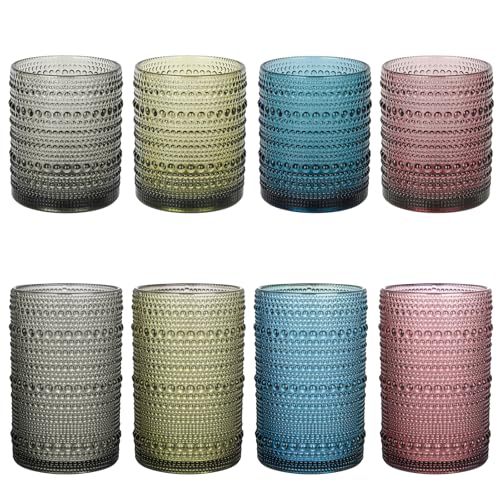
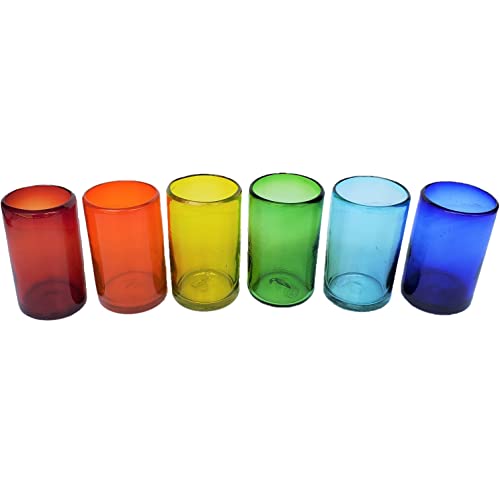
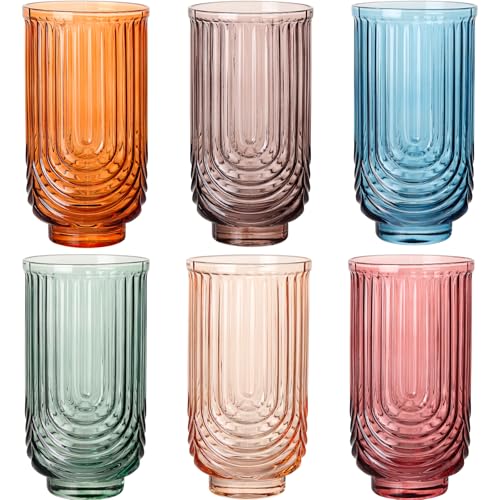
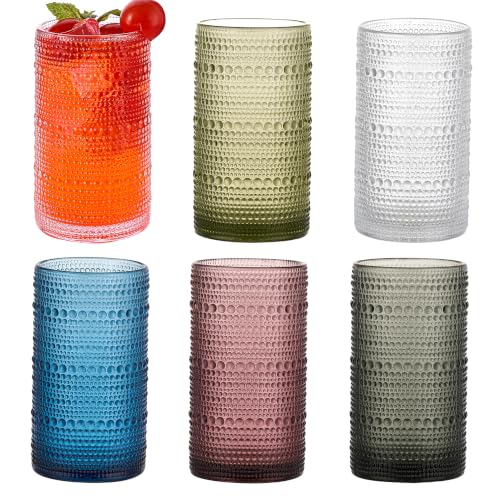
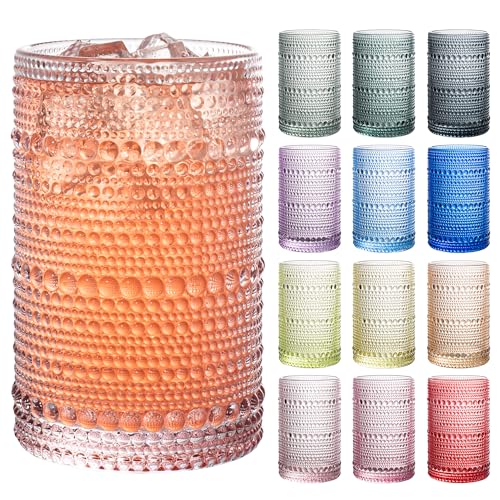


Quick Answer: The Main Types
For most homes, a mid size tinted tumbler set in a soft amber, smoke, or blue tone gives the best balance of looks and daily use. If you host often, a larger highball shape in a lighter tint serves water, iced tea, and soda without looking too dark. If breakage is a worry, a colored acrylic set suits patios and busy family meals.
Before You Buy: A Quick Checklist for Choosing Colored Drinking Glasses
Start with how you live, not with the shade you saw in a photo. Count the people at your table, measure one shelf, and note whether you wash by hand or rely on a dishwasher.
Size: Match It to Your Space
Sets come as a set of 4, a set of 6, a set of 8, or a set of 12, and common sizes sit near 12 oz and 16 oz. A 12 oz glass suits juice and mixed drinks and fits short shelves with ease. A 16 oz glass suits water and iced drinks but needs more height and width in storage. Measure shelf height and depth, leave room to lift a glass out without tilting, and buy for your usual group plus two spare glasses for guests or breakage.
Which Type Fits Your Routine
Plain tinted tumblers work for daily meals and show color evenly from base to rim. Ribbed and fluted styles add grip and catch light, though the grooves need a good rinse. Heavy base styles feel steady on the table. Highball shapes suit tall drinks with ice, while double old fashioned shapes suit short pours. Vintage inspired shapes look charming for guests but can feel less practical for stacking. For a broad starting point, compare your shortlist with our guide to the best drinking glasses.
Features Worth Paying For and Ones to Skip
Worth paying for are thick rims that resist chips, color that runs through the glass rather than sitting on the surface, and a base that sits flat without rocking. A rolled rim also feels smoother on your lips. Features you can often skip include lids and straws for a main dining set, bamboo lids that need separate care, and match sets with many shapes you will rarely use. Add lidded cups later only if you carry drinks from room to room often.
Lead and Cadmium Free Color
Color in glass comes from minerals added during making, and buyers often ask about lead and cadmium. Look for clear maker statements that a set is lead free and cadmium free, and prefer color that is part of the glass itself over paint on the outside. Painted color can fade or peel with washing. If a listing gives no material detail at all, choose a set that states its makeup plainly instead.
Dishwasher, Microwave, and Oven Safety
Most plain colored glass can go in a dishwasher, but maker guidance varies, so check the listing for each set you consider. Place glasses so they do not touch, since rattling contact is a common cause of small chips. Colored glass is rarely meant for oven use, and sudden heat change can crack it, so keep it for drinks. Microwave use also varies and matters little for cold drinks.
Set Size and Open Stock Availability
Open stock means you can buy a single glass or a small refill set later in the same color and shape. That matters with colored sets, since a shade can be dropped from sale and a clear spare will stand out. Before you buy, check whether the maker sells the same glass on its own. Families may want a set of 8 or a set of 12 from the start, while smaller homes can start with 4 or 6 and add more while the color is still sold.
Realistic Budget Ranges
At about $20 or less, expect simple tinted tumblers in a set of 4, often with thinner walls and fewer spare options. At about $30, sets grow to 6 or 8 glasses and color choice improves. At about $50, you will see thicker glass, more even color, and better open stock support. At about $100, you pay for refined shapes and tones made to match tableware. No tier promises strength on its own, so judge wall thickness and rim finish alongside price. Spending more helps most when it buys replaceable glasses you can keep for years.
Types Compared: How to Choose Without Picking by Color Alone
Use the three type groups below as your shortlist. Each suits a different home, depending on who drinks from the set and where you use it.
Classic Tinted Glass Tumblers for Most Homes
This group covers smooth sided glasses with color through the whole wall, in tones such as amber, green, blue, and smoke. They suit daily water, juice, and soda, and they pair well with plain plates. Choose a mid weight wall if children will handle them, and a lighter tint if you like to see how much drink is left. If daily use is your main goal, our guide to the best drinking glasses for everyday use shows what shapes hold up to daily washing.
Textured and Vintage Style Colored Glassware
Ribbed, fluted, and pressed pattern glasses hide fingerprints and small marks, and they make a simple table feel set for guests. The texture also helps wet hands keep a grip. The cost is cleaning, since grooves can hold residue if glasses sit unwashed. Choose this group for hosted meals rather than packed family shelves. Check that the pattern does not make the rim uneven, since an uneven rim feels rough and can chip.
Colored Acrylic Glasses for Patios and Low Worry Use
Acrylic gives you color without the fear of broken glass on stone or tile. It feels lighter in the hand and suits outdoor meals and homes where drops are common. Good acrylic resists clouding for a while, though it can scratch if you scrub it with rough pads. If this sounds like your home, see our guide to the best acrylic drinking glasses for shape and care points. For indoor dining, most people still prefer the weight of real glass.
How Colored Drinking Glasses Compare
Types are compared by material and durability, dishwasher and microwave guidance, design, set contents, and value for the price tier. The comparison draws on maker specifications and patterns in buyer reviews, such as notes about chipped rims, fading color, and shelf fit. A type earns a place when its color method, size range, and replacement options are stated clearly.
Colored Glass Versus Clear and Acrylic Options
Colored glass adds warmth to a table and can tie a set to your room colors, from soft green in a plant filled kitchen to deep blue in a coastal dining space. It also makes it easier to spot your own drink at a crowded table. On the down side, dark tints hide the level of a drink and change the look of wine and juice. Milk and pale drinks can look dull in green or smoke glass.
Clear glass shows every drink at its true color but shows spots and chips at once. Acrylic avoids breakage but lacks the cool weight of glass. If breakage is your top concern, our guide to the best unbreakable drinking glasses covers tougher options. Colored glass sits in the middle, giving style and solid feel while asking you to accept a tint on everything you pour.
Common Buying Mistakes to Avoid
- Buying a shade that is too dark for daily drinks, so water and pale drinks look dull and you stop reaching for the set.
- Skipping shelf measurements, then finding that tall highball glasses only fit when tilted or stored in another room.
- Choosing painted color that fades in the dishwasher, when color through the glass would have lasted far longer.
- Buying a set of 12 for a small home, which crowds shelves and leaves most glasses dusty and unused.
- Ignoring open stock, so one broken glass leaves a set that no longer matches and cannot be topped up.
Cost of Ownership and Care
The main cost after buying is replacement. A set with open stock costs less over time than a cheap set you must replace whole. Wash colored glass soon after use when drinks are sweet or milky, since dried residue needs harder scrubbing that can dull the surface. Use a soft sponge and mild soap. Our page on how to clean drinking glasses adds steps for cloudy glass.
Store glasses upright with a little space between them, and avoid stacking unless the maker says the shape is made for it. Stacked glasses can stick, and pulling them apart can crack a rim. With calm handling, a good set can serve daily meals for years, and the color itself will not wear out when it is part of the glass.
Your Questions, Answered
What makes colored drinking glasses reliable for daily use?
Reliability comes from even wall thickness, a smooth and thick rim, and a base that sits flat. Color through the glass also helps, since the tone stays the same after many washes. Makers with clear specs and steady open stock tend to offer more consistent sets. If a known maker interests you, a focused read such as a duralex picardie review shows how one tempered style is judged.
How do you clean colored drinking glasses without fading the color?
Wash soon after use with warm water and mild soap, using a soft sponge rather than a scouring pad. Rinse well so soap film does not dull the tint, and dry upright on a rack. For dishwasher use, keep glasses apart so they cannot knock. Color that is part of the glass will not fade from gentle washing, while surface paint can wear.
Are expensive colored drinking glasses worth it?
They can be worth it when the higher price buys thicker and more even glass, a better finished rim, and open stock you can reorder. Those gains show up in daily handling and in lower replacement cost over years. A high price for a rare shade alone adds little. Compare two sets by rim finish, weight in the hand, and spare availability, not by color name or packing.
How long do colored drinking glasses last?
A well made set used daily can last for years, and most losses come from chips and drops rather than from the color wearing out. Thin rims chip first, often in the dishwasher or sink. Keep one or two spare glasses from the same batch. When a rim chip feels sharp on your lips, retire that piece at once, since a chipped rim can cut and will only worsen.
Are colored drinking glasses worth it for a small home?
Yes, if you choose a small set in one versatile tint and size. A set of 4 or a set of 6 in light amber or pale blue can serve water, juice, and guests without crowding one shelf. The value drops if you buy several colors that each need storage space. One set you use daily beats two sets that leave half the glasses untouched for months.
Final Thoughts
Choose size and shape first, then pick a tint light enough for the drinks you pour most, and favor color that runs through the glass with open stock you can reorder. On that basis, the best colored drinking glasses for your home are the ones that fit your shelf, suit your table, and survive daily washing without fuss. Look back at the product table above to compare types side by side before you order.


