
Best Colored Wine Glasses 2026: How to Choose for Your Home
Disclosure: We may earn a commission when you buy through links on this page, at no extra cost to you. As an Amazon Associate I earn from qualifying purchases. Learn more

Compare colored wine glasses by tint, stem style, set size, and care, with a checklist for choosing by room, household, and budget.
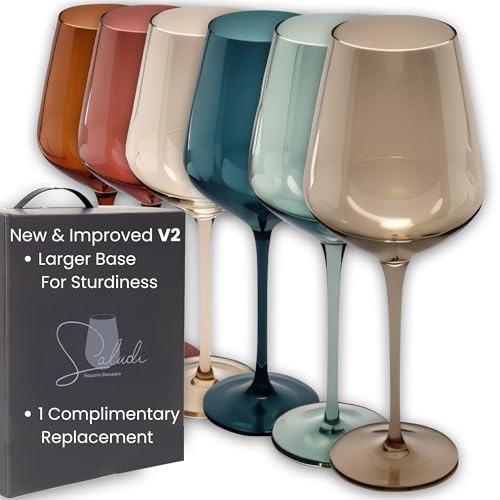
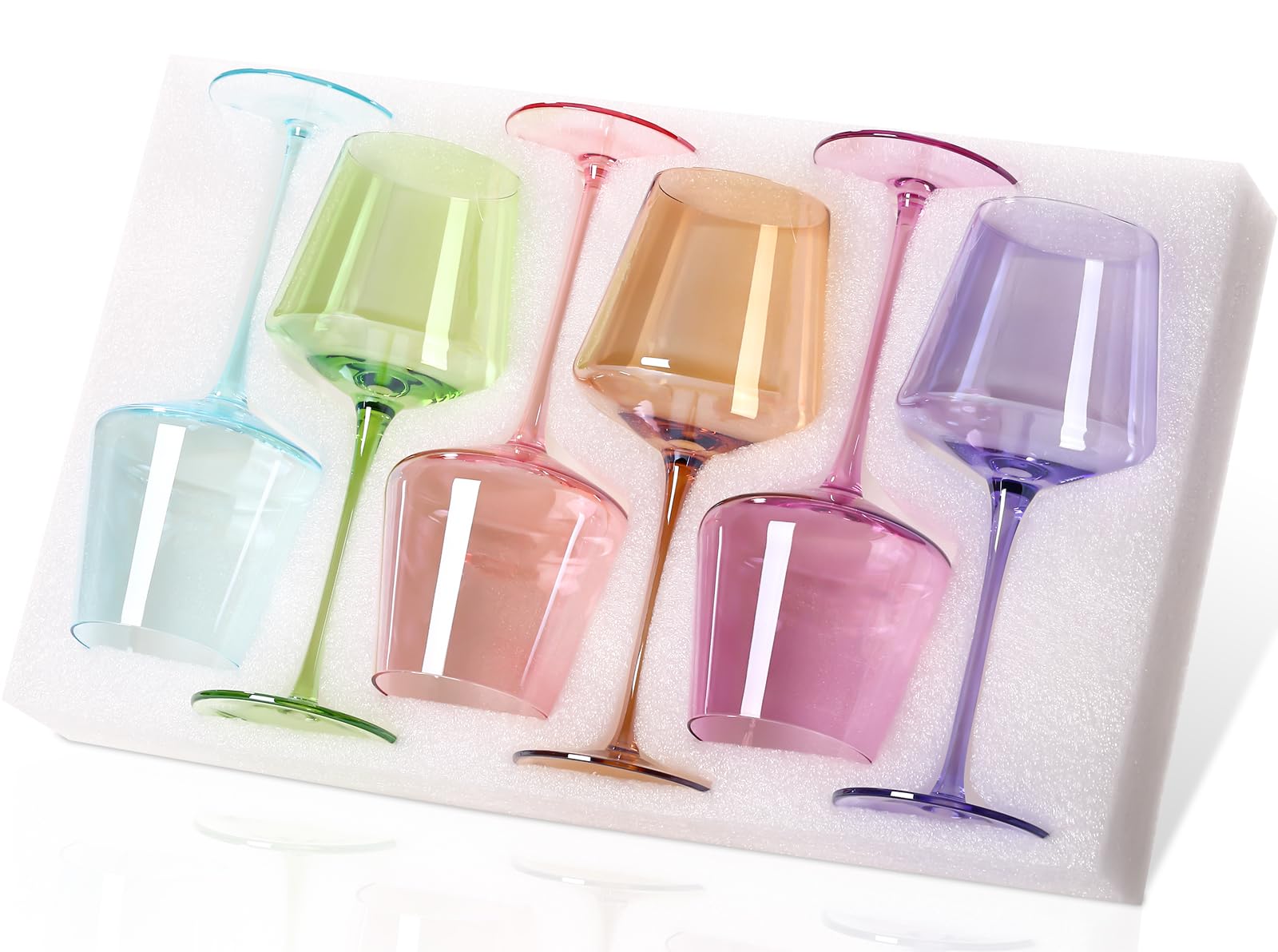
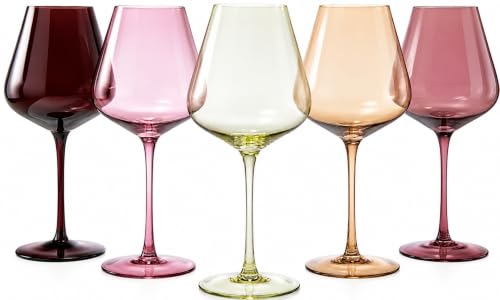
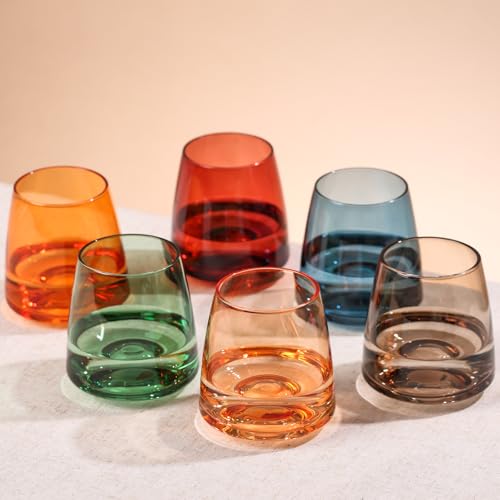
A set of amber glasses can make a plain weeknight table feel warm and finished, yet the wrong set can crowd a small cabinet, hide the color of the wine, or fade after a few washes. This guide to the best colored wine glasses helps you choose by room, household size, and budget instead of by color alone. Start with the product table below, then use the checklist to match bowl shape, material, and set size to your home.



Quick Answer: How to Choose
For most homes, choose a set of four or six stemmed glasses in a light tint with color that runs through the glass rather than sitting on the surface. That style suits daily dinners and guests, and a midweight bowl feels sturdy without looking clumsy. If storage is tight or most meals happen outdoors, stemless colored glasses fit cabinets more easily. If the set is mainly a gift, deeper colors and a gift box matter more than a large count.
Before You Buy: A Quick Checklist
Size: Match It to Your Space
Count the people who sit at your table most weeks, then add two spare glasses for guests or a breakage. A set of 2 suits a couple who rarely hosts, a set of 4 or 6 covers most families, and a set of 8 or 12 makes sense only if you host often and have shelf room for it. Measure cabinet height before you buy tall stemmed glasses, since a bowl that fits the table but not the shelf will end up living on the counter.
Which Type Fits Your Routine
Colored glass falls into three broad types, and the type matters more than the shade. Glass with color mixed in during making keeps its tone even if the surface gets tiny scratches. Coated glass can look bold at a lower price, but the outer layer may wear at the rim and base over time. Hand painted glass adds charm for gifts, yet it usually needs gentle washing. Bowl shape matters too, so compare our guide to the best wine glasses for red wine if you pour mostly reds, since wide bowls give red wine more air.
Features Worth Paying For, and Ones to Skip
Pay for a smooth rim, a base that sits flat, and color that looks even when you hold the bowl up to light. A sturdy gift box is worth it when the set will travel to a wedding or a housewarming, and it doubles as safe storage at home. A matching decanter is worth it only if you already decant wine often, since it adds one more fragile piece to wash and store. Skip novelty shapes with very narrow openings, since they trap aromas and are hard to dry inside the bowl.
Lead and Cadmium Safety in Colored Glass
Some vivid colors in glass have in the past come from metal based pigments, so safety deserves a quick check before you fall for a shade. Look for clear labeling that the glass is lead free and that any glaze or paint is food safe, and be cautious with unlabeled vintage pieces for daily drinking. Colored crystal raises a separate question about clarity and weight, and our comparison of crystal vs glass wine glasses explains how the two materials differ. When a listing says nothing about materials, treat the set as decor.
Dishwasher, Microwave, and Oven Safety
Plain colored glass is often fine on the top rack of a dishwasher, but painted and coated finishes can dull with heat and strong detergent, so the care label on the exact set should decide your routine. Wine glasses do not belong in an oven, and putting a cold glass into a microwave with hot liquid can stress the glass, so warm drinks belong in a mug instead. Stems and thin bowls also need space between items in the machine, since contact is a common cause of chips.
Set Size and Replacement Availability
Glasses break, so think about the second year of ownership before you buy the first set. Sets sold in open stock let you replace one broken glass without hunting for a full new box that almost matches your shade. This matters more with unusual colors, since dye lots can vary and a later green may not match your first green. If a design is sold only as a fixed set, buying one extra set while the color is current can be cheaper than replacing everything later.
Realistic Budget Ranges
At under about $20, expect simple soda lime glass in a set of 4, with color that does the decorative work and a slightly thicker rim. Between about $20 and $50, bowls get thinner, tints look more even, and sets of 6 become common, which suits most family tables. From about $50 to $100, you pay for finer rims, more refined colors, and better gift packaging. Above about $100, the gain is mostly craft, such as hand blown bowls and unusual shades, rather than basic function.
Colored Glass Types Compared
Everyday Stemmed Sets for Most Homes
A stemmed set in a soft tint, such as pale amber or light smoke, is the safest all round choice for a family dining room. The stem keeps your hand off the bowl, so the wine stays closer to serving temperature and the glass shows fewer fingerprints. This style pours well for both red and white wine, and readers who lean toward whites can compare shapes in our guide to the best wine glasses for white wine. Choose a universal bowl if your household pours a mix.
Casual Stemless Sets for Small Spaces and Outdoor Meals
Stemless colored glasses suit apartments, casual kitchens, and patios because they fit under low shelves and feel stable on uneven tables. They also travel well to a picnic basket or a camper cabinet. The trade off is warmth from your hand reaching the wine faster, which matters more for chilled whites on a hot day. If you are weighing that trade off for daily use, our page on stemmed vs stemless wine glasses walks through the comfort and storage points in detail.
Bold and Hand Finished Sets for Gifts and Display
Deep cobalt, emerald, or ruby tones make a strong gift and look striking on an open shelf or a holiday table. These sets earn their price through color and finish rather than through everyday toughness, so treat them as occasion glassware and store them where they will not be knocked. Dark tints hide the true color of the wine, which is fine for a party pour but less helpful when you want to judge clarity. Buy this type when the look is the point.
How to Judge Quality When You Shop
Hold one glass up to a window and look for streaks, bubbles in odd clusters, or color that pools dark at the base and fades at the rim. Roll the base on a flat surface to spot a wobble, and run a fingertip around the rim to feel for roughness. Check that every glass in the set matches in height and tint. Finally, read the care and material notes with the same care you give the photos. Shoppers comparing plain and colored options can start from our general guide to the best wine glasses and then narrow by color.
Colored Versus Clear Wine Glasses: Pros and Cons
Colored glasses bring mood to a table with almost no effort, and they hide minor water spots better than clear glass, which helps in hard water homes. They also make it easy to give each guest a distinct shade at a party, so drinks get mixed up less often. On the down side, tint changes how the wine itself looks, and a dark bowl can mask sediment or a pale rosé tone you wanted to see. Colored sets also date faster than clear ones, since a shade tied to one decor trend can feel old once you repaint the room.
- Pro: instant color for a table without extra decor
- Pro: small spots show less on midtone tints
- Con: dark bowls hide the true color of the wine
- Con: matching a replacement shade later can be hard
Common Buying Mistakes to Avoid
- Buying a set of 12 for a cabinet that fits 6, so half the set lives in its box and never gets used.
- Choosing the darkest tint for tasting pours, then finding you cannot judge the color of the wine at all.
- Ignoring the care label and putting painted glasses in the dishwasher, which fades the finish within months.
- Paying for a decanter and gift add ons you will not use, instead of a better bowl.
- Forgetting replacement stock, so one broken glass leaves an odd set.
Cost of Ownership and Care
The purchase price is only part of what a colored set costs over its life. Hand washing takes time but protects painted and coated finishes, while dishwasher use trades a little sparkle for convenience on plain tinted glass. Budget for one or two replacement glasses over a few years, and store stems upright with a gap between bowls so rims do not chip. Our step by step guide to how to clean wine glasses covers washing and drying.
Your Questions, Answered
Are colored wine glasses worth it?
Yes, if you enjoy setting a table and your plain glasses already cover tasting and formal pours. Colored glasses add mood for family dinners, holidays, and outdoor meals at a modest cost per use over several years. They are less worth it as your only set if you often compare wines side by side, since tint changes what you see. Many homes keep one colored set for casual meals and clear glasses for guests who care about the look of the wine.
Can colored wine glasses go in the dishwasher?
Many plain tinted glasses can, but run one glass through a few cycles first and compare its color with an unwashed spare before you commit the whole set. A test glass shows quickly whether your detergent or water heat dulls the finish. Painted and metallic trimmed glasses should stay out of the machine from the start. If the test glass fades, switch the set to hand washing while the color is still even across all pieces.
Are expensive colored wine glasses worth the money?
They can be, when the higher price buys hand finished bowls, even tint, and a rim that feels fine against your lip. What extra money does not buy is strength, since thin premium glass often chips more easily than a sturdy budget set. Think about cost per use instead of price alone, because a costly set that sits in a cabinet for fear of breakage delivers little value. If the set will be used weekly and handled by adults, paying more for craft makes sense.
How long do colored wine glasses last?
A tinted glass with color through the material can serve for many years, since the shade itself does not wash away. Coated and painted finishes have a shorter cosmetic life and may look tired after a year or two of machine washing, even though the glass under the finish is sound. Actual lifespan in a family home is usually set by chips and drops rather than by fading. Buying open stock designs stretches the useful life of the set as a matching group.
What tint works best for both red and white wine?
Light amber, pale green, and soft smoke are the most flexible tints, since they warm up a table without hiding the wine. You can still see the difference between a pale white and a deep red through these shades, which keeps pours honest at a mixed dinner. Save saturated blue and ruby for parties where the look matters more than judging the wine. If you serve a lot of rosé, note that some green tints make pink wine look dull.
Final Thoughts
Start with your cabinet, your table, and how often guests join you, then let color be the last decision rather than the first. A light tint in a universal bowl, bought in a set size you can store and replace, will serve more meals than a dramatic set that only suits one holiday. Use the product table above to compare materials and set sizes, and choose the best colored wine glasses for the home you have now.


