
Best Coffee Sets for 2026: Cups, Serving Sets and Starter Kits
Disclosure: We may earn a commission when you buy through links on this page, at no extra cost to you. As an Amazon Associate I earn from qualifying purchases. Learn more

Best coffee sets cover espresso cups, Turkish serving sets and pour over starter kits. Compare pieces, materials and who each one suits.
A coffee set can mean several things: matching cups and saucers, a pot with cups for serving guests, a Turkish brewing kit or a starter kit for pour over. The best coffee sets bring all the pieces together in one purchase so that the drinks look good, taste good and need no extra shopping.
The product table above covers espresso cup sets, mug sets, a Turkish serving set and brewing starter kits. This guide shows how to choose among them, depending on how you brew and who will use the set.






Types of the best coffee sets
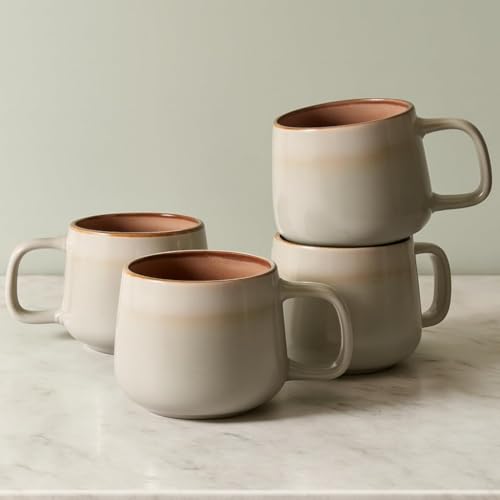
Cup and saucer sets are classic: small porcelain cups, often stackable, with saucers and sometimes a stand. Mug sets are larger and suit everyday brewed coffee. Turkish and Greek sets include a small pot, cups, a tray and sometimes lids. Starter kits pair a dripper with filters and a server for pour over.
Decide first what you want to make with the best coffee sets. A set designed for espresso will feel tiny for a big drip coffee, and a mug set will look large next to a strong shot.
Espresso cup sets
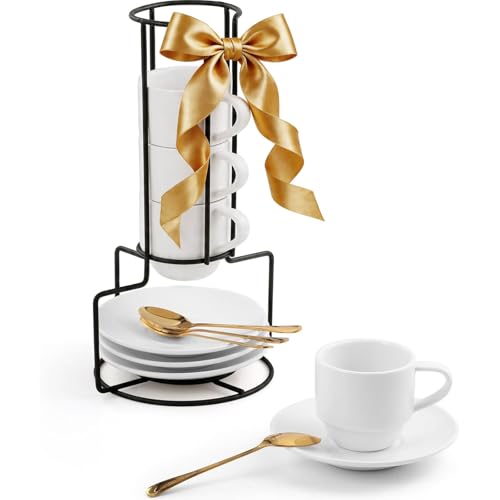
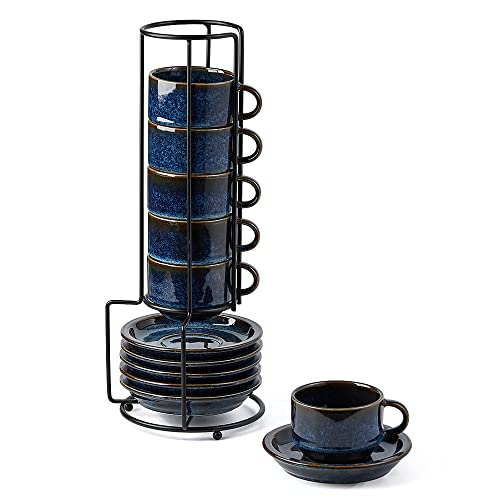
Espresso cups are small, thick-walled and designed to hold heat for a short drink. Sets often include saucers and spoons, and some come with a metal stand. Porcelain is the usual material, and it keeps the shot warm without altering taste. Stackable designs save space on a shelf.
Check the stated volume. A true espresso cup holds only a few ounces, while a demitasse for cappuccino holds a little more.
Turkish and serving sets
A Turkish coffee set typically includes a small long-handled pot, tiny cups, saucers and a serving tray. The pot is used on a stovetop and the coffee is served with its fine grounds in the cup. It is a distinctive way of serving guests, and a set makes a fine gift.
Check whether the pot is suitable for your stove type, and wash copper or brass pieces by hand to keep their finish.
Pour over starter kits
A pour over kit includes a dripper, filters and a server or mug. It is the simplest way to start making better coffee at home, with little equipment and a small cost. Ceramic and plastic drippers are both common, and a starter size covers one or two cups.
These kits suit people who like a quiet morning ritual and a clean, bright cup.
Material and care
Porcelain and stoneware are the most common and can usually go in the dishwasher. Glass sets show the drink, while copper sets look beautiful but need hand washing. Check any metallic trim before placing a set in the microwave or the dishwasher.
Gift ideas
A coffee set suits weddings, housewarmings and holidays. Choose a neutral set if you do not know the recipient's taste, or pick a distinctive set for someone who loves coffee culture. A mug set suits a family, while a Turkish set suits someone who enjoys hosting.
Price and value
The table covers sets from around $20 to about $65. Spend more for a larger number of pieces, a stand or more careful finishing. A modest set of good porcelain is usually a better buy than a larger set of thin cups.
How to choose the best coffee sets for your home
Look first at how often you will use the set. For daily use, durability matters most, so choose thick porcelain or stoneware that can take the dishwasher. For special occasions, a delicate set with saucers and a stand adds an elegant touch. For gifting, choose a set that arrives in good packaging and includes everything the recipient needs.
Think too about storage. A set with a stand or stackable cups takes less room, while a large tray needs a shelf of its own. Measure the space before you buy so that the set fits comfortably.
Serving guests
A good coffee set turns a simple cup into a small ceremony. Place cups on saucers with a spoon, serve with a small plate of cookies and keep the pot warm nearby. Espresso sets make guests feel looked after, and a Turkish set makes the coffee itself part of the conversation.
If you host often, buy a set of six, and consider a second set of mugs for larger drinks. Keep a few extra cups on hand in case one chips.
Building a home coffee corner
A coffee set looks lovely on display. Combine it with a tray, a small jar of sugar and a pot, and the corner of a counter becomes a welcoming spot. Add a few coasters and a small plant, and the setup looks styled without much cost.
Keep the set clean and dust free, and rotate which pieces you use so that the whole set ages evenly. Open shelves look best when the colors match the rest of the room.
What to avoid
Be cautious of very thin cups that chip, glazes that look uneven, and sets with metallic trim if you plan to use the microwave. Avoid sets with no stated capacity, as the cups may be too small for your drink. Read reviews for comments about packaging and breakage, since ceramic sets can arrive damaged if poorly packed.
Caring for delicate cups
Thin porcelain cups chip when knocked against each other, so stack them with a cloth or paper liner between pieces. Rinse saucers and cups soon after use to prevent stains, and dry them upright. A soft sponge protects the glaze, and a mild soap keeps gold or silver edging bright.
Store cups on a shelf with enough room to lift each one out without touching its neighbor.
Frequently asked questions
How many pieces do I need?
Four cups suit most couples, and six suit a family.
Can I use espresso cups for tea?
You can, but they are small. A mug is better.
Are copper sets safe?
Choose sets listed as food safe and lined correctly.
Is a set cheaper than buying single pieces?
Often, and the pieces match.
Final thoughts
The best coffee sets match how you drink and how you host. Choose the type, check materials and care, and compare the options in the table above.


