
Best Color Paint for Gates: The Buyer Checklist We Use for 2026
Disclosure: We may earn a commission when you buy through links on this page, at no extra cost to you. As an Amazon Associate I earn from qualifying purchases. Learn more

The best color paint for gates pairs a color you like with rust protection, weather resistance and a sheen you can keep clean.
A gate is the first thing visitors see, and it takes more weather, sunlight, and daily handling than almost any other surface at your home. Choosing the best color paint for gates is really two decisions at once: a color that suits your house, and a paint formula that can survive rain, sun, and constant opening and closing without peeling or fading within a season or two.
This guide walks you through a simple checklist you can use with any brand. We cover the finishes that hold up outdoors, how your gate material changes what you should buy, the warning signs of a weak product, and the upkeep that keeps color looking fresh. Start with the comparison table below, then use the criteria here to narrow your choice.


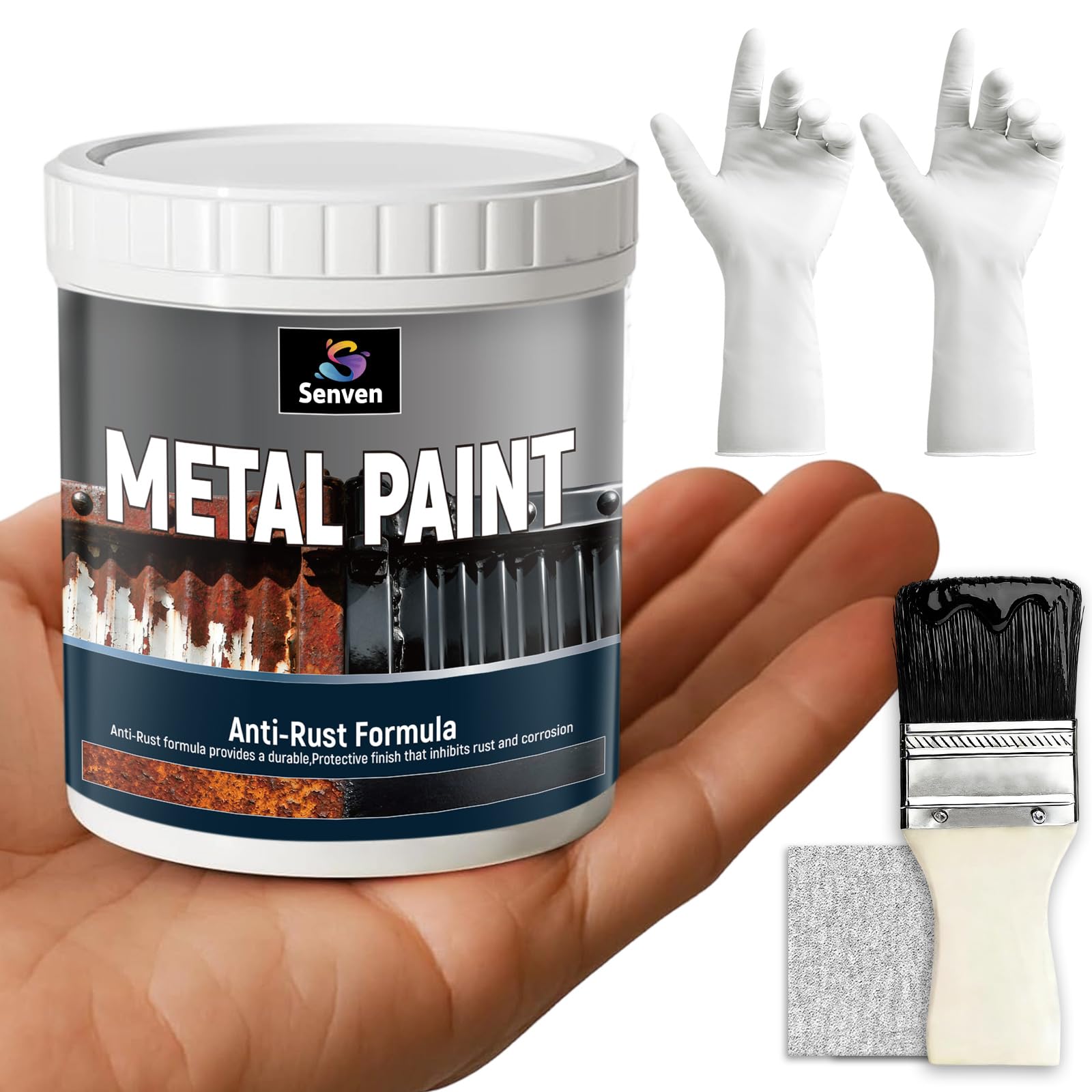
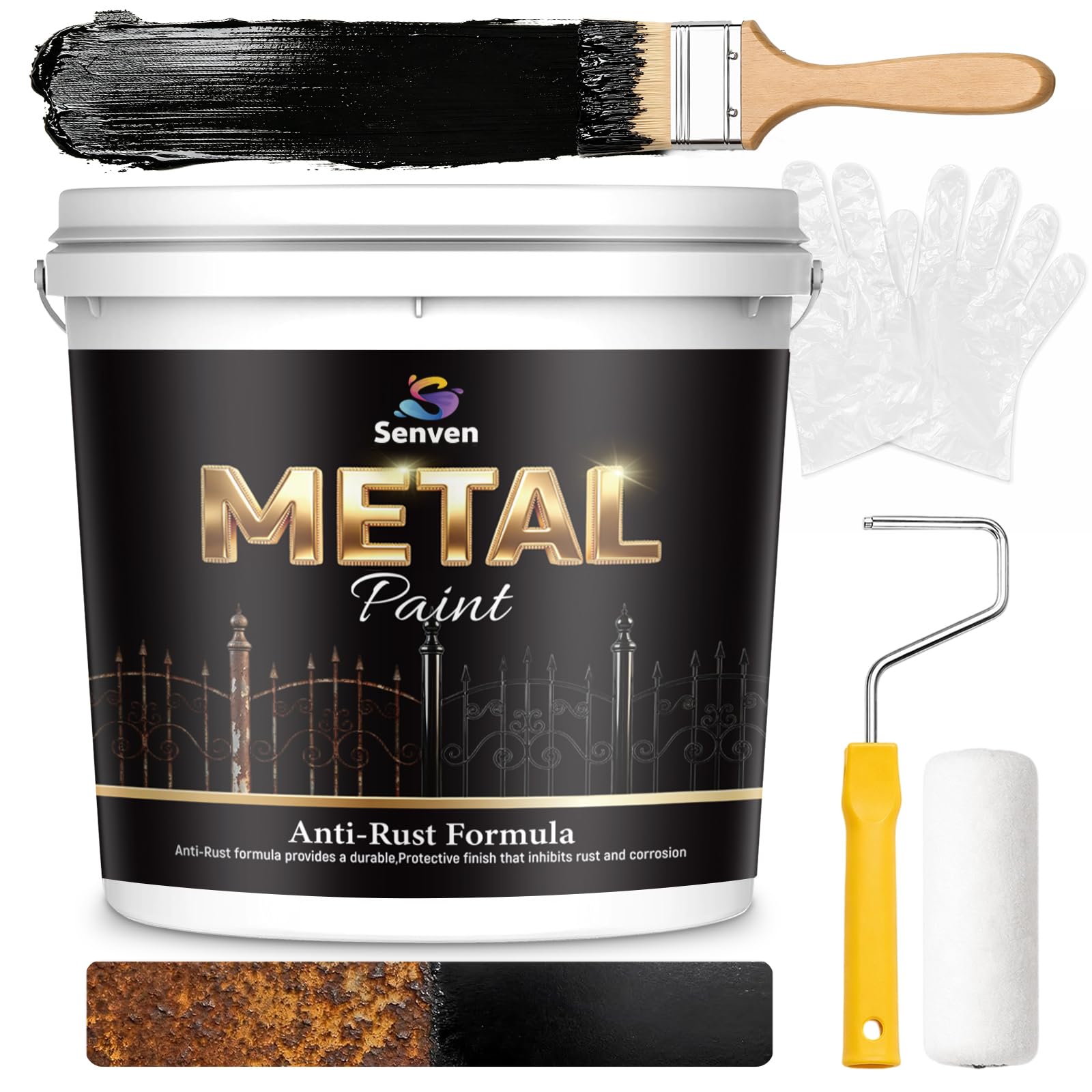
Key Features to Compare in Gate Paint
Gate paint is not ordinary exterior paint with a nicer color card. It has to bond to metal or wood, flex slightly as the gate moves, and resist moisture at hinges, latches, and bottom edges where water tends to sit. When you compare options for the best color paint for gates, the criteria below separate a finish that lasts for years from one that needs redoing next spring.
Finish and Sheen That Suit a Working Gate
Sheen changes both the look and the practicality of a gate color. Gloss finishes reflect the most light, make colors look deeper, and wipe clean easily, which helps on gates that collect road dust or muddy splashes. Satin sits in the middle, hiding small surface flaws while still shedding water well. Matte finishes look modern but show scuffs and hold grime, so they need more frequent washing. For most homes, satin or gloss is the safer pick.
Rust and Weather Protection for Metal Gates
On steel and iron gates, the paint is your main barrier against rust, so look for formulas that include rust inhibitors or that are designed to go directly over properly prepared metal. Good gate paints also resist ultraviolet light, which breaks down color pigments and turns a deep black or green chalky over time. Near the coast or in regions with harsh winters, weather resistance matters even more, because salt air and freeze and thaw cycles attack weak coatings at every chip.
Color Depth, Coverage, and Fading
Strong pigments give you full, even color in fewer coats, which saves both paint and weekend hours. Thin, weak formulas can need three or four coats over a dark or rusty surface, and the color may still look patchy. Fade resistance matters as much as first day color, because a gate sits in direct sun for much of the day. Deep shades such as black, charcoal, and dark green hold their appearance longest, while bright reds and blues are usually the first to fade.
Compatibility With Your Gate Material
The right formula depends on what your gate is made of. Metal needs a coating that bonds tightly and blocks moisture, and many products combine primer and color in one can for that job. Wood needs a flexible coating that moves as the boards expand and contract, plus protection against moisture soaking into end grain. If your gate mixes materials, such as a steel frame with wood panels, you may need two products rather than one compromise can. For metal specific options, see our guide to the best paint color for metal gates.
Ease of Application and Drying Time
Most gate paints go on by brush, roller, or spray, and the best choice depends on your gate design. Spray gives the smoothest finish on ornate ironwork but needs careful masking and calm weather. A brush is slower yet better for control on bars, hinges, and detailed edges. Check the recoat window on the label, because a paint that dries to the touch in an hour but needs a full day before a second coat can stretch a small job across a whole weekend.
Coverage and Long Term Cost
A low price per can means little if the paint covers poorly. Check the stated coverage per quart or gallon and compare it against the size of your gate, counting both faces and the frame. Paints with built in primer can cost more upfront yet save you a separate primer purchase and a full extra round of labor. Also think about touch up costs: a widely available color is far easier to match in three years than a limited shade that may be discontinued.
Choosing Paint by Gate Material and Use
Once you know the features that matter, match them to your actual gate. The three situations below cover most homes, and each one shifts which checklist items deserve the most weight.
Steel and Iron Gates That Face Rust Risk
For steel and iron, protection comes first and color comes second. Prioritize rust inhibiting formulas, plan on thorough surface prep, and treat any existing rust spots before painting rather than covering them and hoping for the best. Dark colors are popular on metal gates partly because they hide minor imperfections and touch up work blends in more easily. If your gate is steel, our guide to the best paint for steel gates focuses only on that material.
Wooden Gates That Need Flexible Color
Wooden gates move with the seasons, so a rigid coating that cracks at the joints will let water in and start peeling from the inside out. Look for exterior paints and stains with flexible resins, and give extra attention to the top and bottom edges of each board, where moisture enters first. Color choice also works differently on wood, because grain can show through lighter shades and change how the color reads. For material specific advice, see our guide to the best paint for wooden gates.
Driveway and High Traffic Gates
A gate that opens many times a day, especially a driveway gate, takes knocks from hands, keys, bikes, and car doors near the latch and edges. For these gates, a harder wearing gloss or satin finish pays off, because it resists scuffing and cleans up without dulling. Keep a small amount of the same paint stored for quick touch ups, since a chip repaired within weeks protects the metal beneath, while a chip left for a season can become a rust patch.
Quick Buyer Checklist
Before you order, run through these questions. A good candidate should earn a yes on nearly all of them, and any no tells you exactly what to double check.
- Is the paint made for exterior use on your gate material, metal, wood, or both?
- Does the formula include rust protection if your gate is steel or iron?
- Is the sheen practical for a surface that gets touched and splashed daily?
- Will one or two coats give full color over your current surface?
- Does the color suit your house and hide dirt reasonably well between cleanings?
- Is the recoat time short enough to finish the job in one weekend?
- Can you buy the same color again later for touch ups?
- Does the stated coverage match the size of your gate with a little to spare?
If two or three answers are no, keep looking. The product table above can help you compare coverage and finish claims side by side before you commit.
Red Flags to Watch For
Some warning signs show up right on the product page or label. Walk away, or at least pause, when you spot these.
- The listing never states whether the paint suits metal, wood, or both, because vague compatibility claims often mean weak bonding on at least one surface.
- There is no mention of rust protection on a paint marketed for metal gates, which leaves the most common failure point completely unaddressed.
- Coverage figures are missing or unusually high for the price, a sign the color may go on thin and need extra coats.
- The color range shifts often or shades are being cleared out, which makes future touch ups hard to match.
- Instructions skip surface preparation entirely, even though prep is what decides whether any gate paint lasts.
None of these points requires expert knowledge to check. They simply separate products with honest, complete information from ones hoping you will not ask. If you are still deciding between a dedicated gate product and a general exterior paint, our overview of the best paint for gates explains how the categories differ.
How to Make Your Gate Paint Last Longer
Good paint still fails early on a poorly prepared gate, so the work before and after painting matters as much as the can you buy. Wash the gate, remove loose or flaking old paint, sand glossy spots so the new coat can grip, and let everything dry fully before you start. Paint in mild, dry weather when you can, because extreme heat dries the surface too fast and cold slows curing.
After painting, simple habits protect the finish. Wash the gate a few times a year with mild soap and water to remove grime and road salt before they dull the color. Inspect hinges, the latch area, and the bottom rail each spring, since those spots wear first, and touch up small chips promptly. Keep stored paint sealed, indoors, and away from freezing temperatures so it stays usable. If you are choosing a shade purely on appearance, our guide to the best color for gates covers color selection on its own.
Color Paints for Gates: Your Questions Answered
What features matter most in color paint for gates?
The features that matter most are weather resistance, rust protection on metal, and a sheen you can keep clean. A gate lives outdoors full time and gets handled daily, so a coating that blocks moisture and sunlight will outlast a prettier color with weak protection. One point buyers often miss is adhesion on smooth metal, so check that the paint is rated for direct use on metal or plan on a separate bonding primer.
How much should you spend on color paint for gates?
Most homeowners do well in the mid range, about $20 to $45 per quart for a quality exterior gate paint with primer included. Budget cans can work on a sheltered wooden gate, but thin coverage often means extra coats that erase the savings. Because a gate is a small surface compared with a fence, buying one step up in quality usually adds only a few dollars to the whole project.
Is expensive color paint for gates worth the extra cost?
Premium gate paint is worth it when your gate faces strong sun, coastal air, or heavy daily use, because better pigments and resins slow fading and resist chipping longer. The real saving is labor, since repainting means another full round of sanding and masking. For a shaded side gate that rarely moves, a solid mid range product usually delivers the same result without the premium price.
What gate paint color hides dirt and wear best?
Mid tone and darker colors such as charcoal, deep green, bronze, and black hide dust, splash marks, and small scuffs better than white or pale shades. Very dark gloss can show fine dust in bright sun, so a satin finish in a dark shade is often the lowest upkeep combination. If your heart is set on a light color, plan on washing the gate more often and choose a gloss finish that releases grime easily.
How do you maintain color paint on a gate?
Maintain gate paint by washing it gently a few times a year, checking the latch and hinge areas for chips, and touching up damage while it is still small. One habit that helps is keeping a small labeled jar of leftover paint with the brush size noted on the lid, so a five minute repair never gets postponed for lack of supplies. Avoid pressure washing at close range, because the jet can lift edges of the coating.
How long does color paint last on an outdoor gate?
A quality gate paint typically lasts about five to eight years before the color needs a full refresh, though harsh sun or coastal conditions can shorten that span. South facing gates usually fade first, so judge repaint timing by the sunniest face rather than the shaded one. A finish that is only faded, with no peeling, can often be renewed with a light sanding and one fresh coat.
Final Thoughts
The right gate paint balances three things: a formula matched to your gate material, protection against rust and sun, and a color and sheen you can live with for years. Use the checklist here, compare your shortlist against the product table above, and do not let a pretty shade distract you from weak specs. Chosen well, the best color paint for gates turns a routine maintenance job into a finish that keeps your entrance looking sharp with little more than a wash and the odd touch up.


