Best Comfortable Patio Chairs for 2026: Everything to Know Before Your First Purchase
Disclosure: We may earn a commission when you buy through links on this page, at no extra cost to you. As an Amazon Associate I earn from qualifying purchases. Learn more
Learn seat height, frame materials, cushions and weather resistance to choose the best comfortable patio chairs without rookie mistakes.
Buying outdoor seating for the first time can feel oddly complicated. Two chairs that look nearly identical in photos can feel completely different once you sit down, and product pages are full of terms that assume you already know them. This guide slows everything down, explains each term in plain language, and shows you how the best comfortable patio chairs earn that label in real backyards.
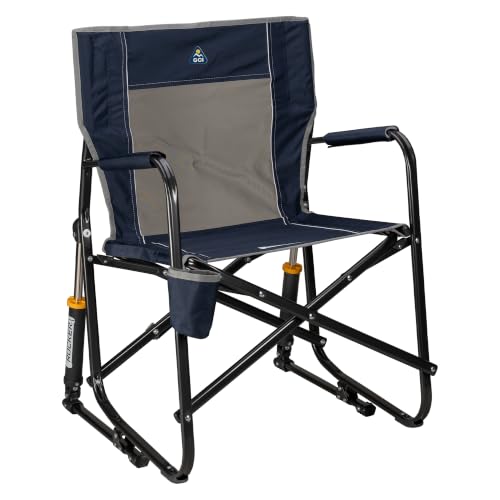
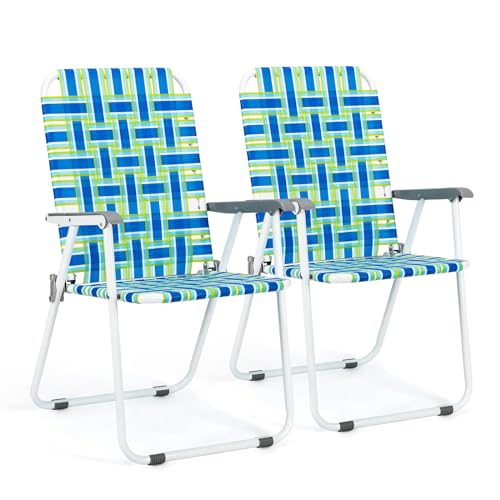
Start by scanning the comparison table below so the shapes and price ranges look familiar, then read on with fresh eyes. By the end, you will know how to judge seat size, frame materials, cushion quality, and weather resistance without guessing. You will also know which mistakes send many first time buyers back to the returns process within a single season.


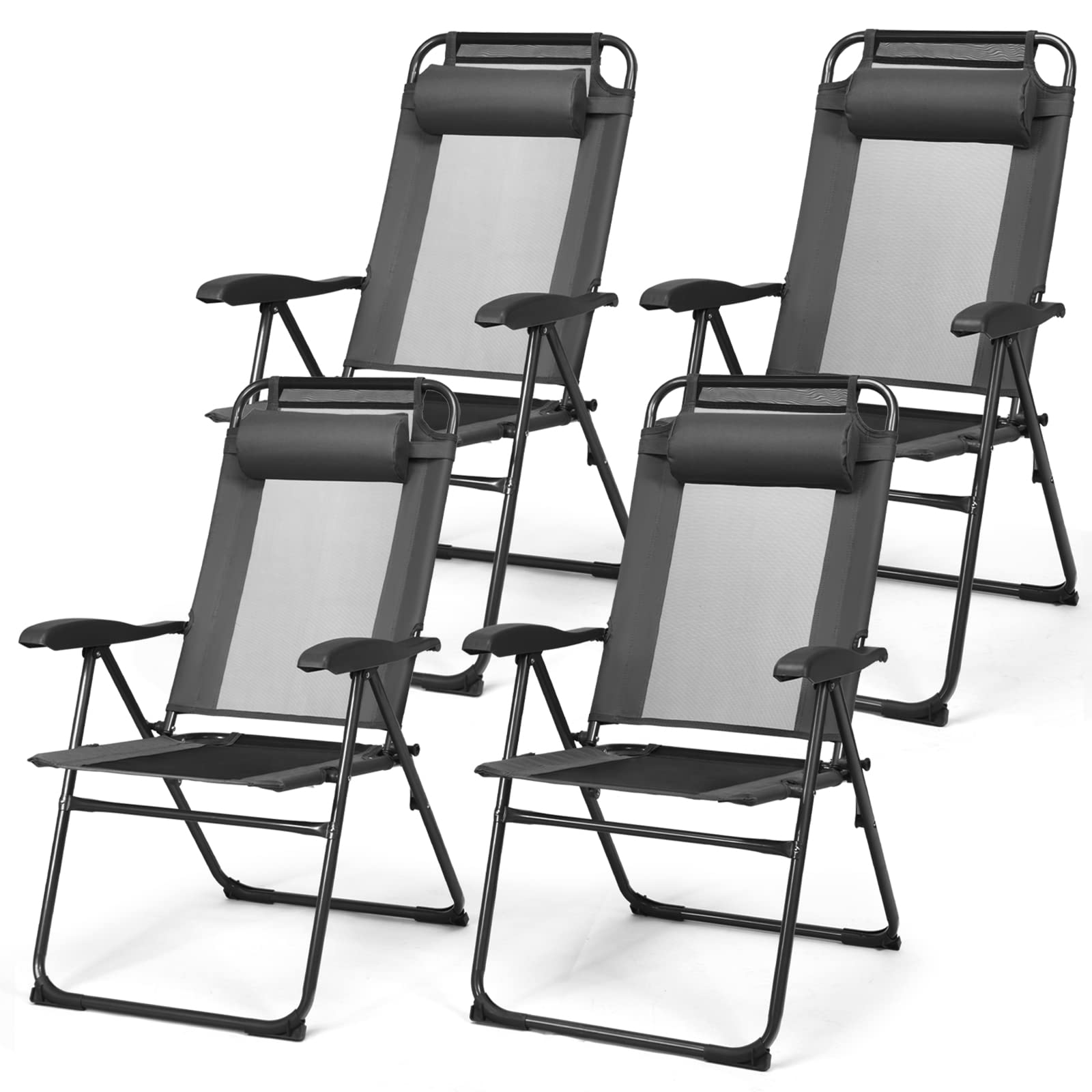
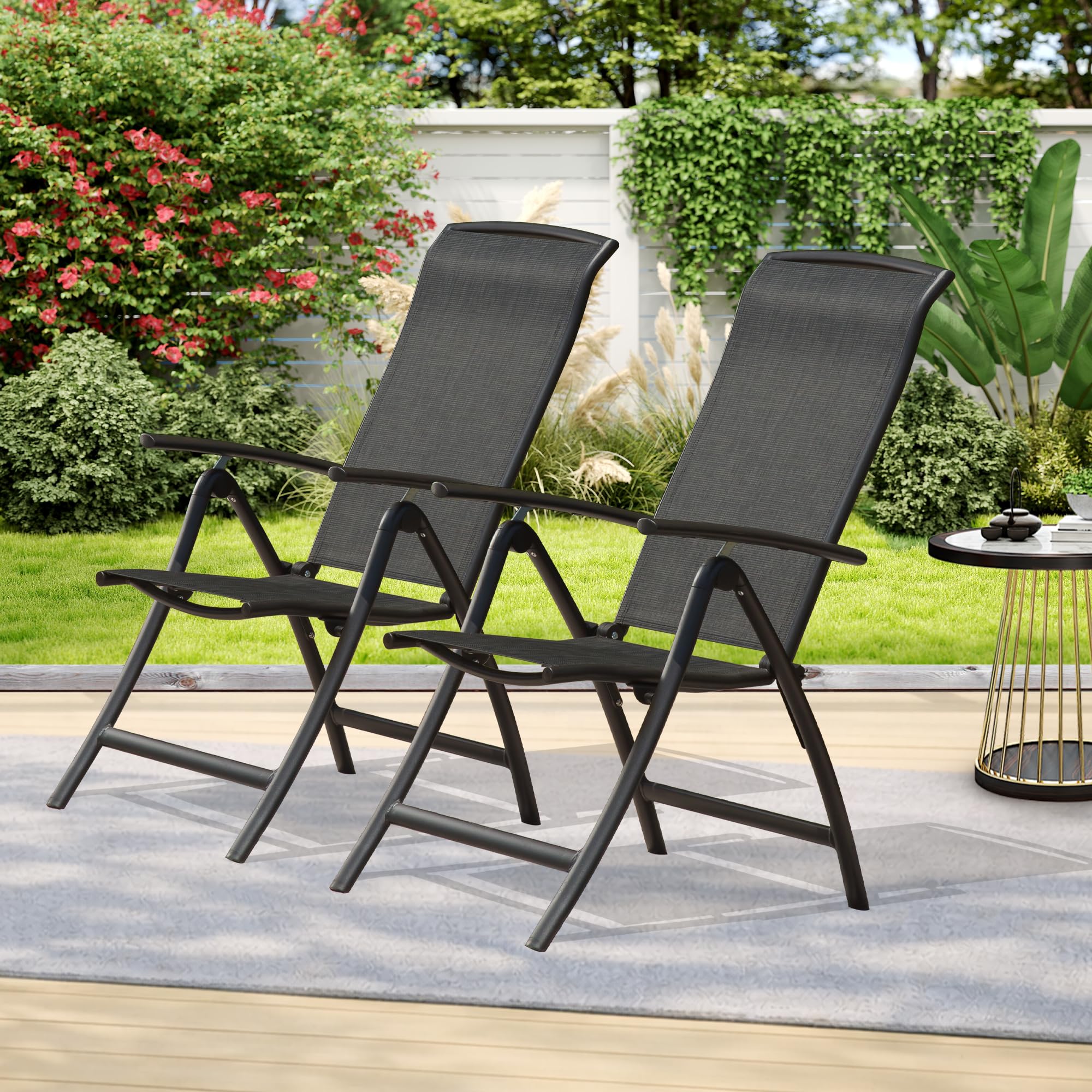


Comfort outdoors is not about one magic feature. It comes from a seat that fits your body, materials that survive sun and rain, and a style that suits the space you actually have. Keep those three ideas in mind and every section below becomes much easier to apply.
Comfortable Patio Chairs 101: The Basics
A comfortable patio chair is outdoor seating built to be sat in for long stretches, not just perched on during a quick meal. Compared with a basic folding chair, it usually has a shaped back, a deeper and better supported seat, and materials chosen to handle sun, moisture, and temperature swings. Some are dining height chairs meant for a table, while others are low lounge chairs, recliners, or rockers built purely for relaxing.
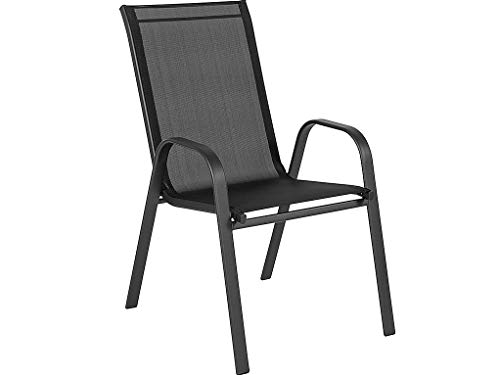
The vocabulary is simpler than it looks. Ergonomic simply means the chair is shaped to support your body instead of forcing your body to adapt to a flat board. A sling chair uses a sheet of strong fabric stretched across a frame as the seat and back, so it flexes slightly as you settle in. A recliner lets the back tilt rearward, sometimes with a footrest that rises at the same time. Once you know these few terms, most product descriptions become easy to decode.
It also helps to know what a patio chair is not. Indoor seating follows different rules, because it never faces rain or strong sun. If you are furnishing indoor rooms too, our guide to the best comfortable chairs covers the indoor side of comfort. Indoor chairs do not belong outside, because their foams, fabrics, and frames are not built for weather.
Key Specs Explained in Plain English
The sections below translate the main specs on a product page into what they mean for your body and your backyard, and they show which details separate the best comfortable patio chairs from the rest. Work through them in order and you will have a complete checklist before you spend anything.
Ergonomics and Adjustability
Seat height is the first number to check. Dining chairs usually place the seat about 17 to 19 inches off the ground so your feet rest flat and your knees bend at a natural angle, while lounge chairs sit lower, around 12 to 15 inches, for a leaned back posture. Lumbar support comes from a curved lower back panel or a small cushion that fills the hollow above your belt line, and it matters most if you sit for an hour or more. Recliners add a tilt lock that holds the back at your chosen angle, and adjustable armrests on some models let you raise or lower the support under your forearms.
Style and Space Fit
Measure your patio or balcony before you fall for a style, and sketch where each chair will sit with room to walk behind it. Large lounge chairs and recliners can need a footprint of about 30 by 35 inches each, plus space to extend. Compact and space saving models solve tight layouts by folding flat, stacking, or using slim arms, and they store far more easily in winter. Color plays a practical role too, since dark fabrics show dust and pollen more, while light fabrics show drink spills. If you are still deciding which chair types suit your layout, see our guide to the best chairs for patio for a layout focused overview.
Materials and Frame Choices
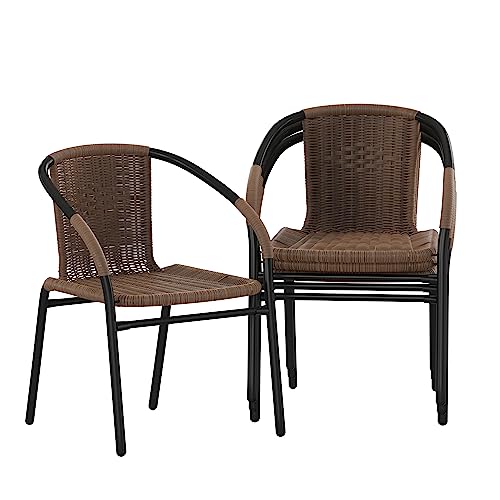
Frames decide how long a chair survives outdoors. Aluminum is light, easy to move, and naturally resistant to rust, which suits most buyers. Steel is heavier and very sturdy, but it needs an intact powder coated finish to keep rust away. Resin wicker wraps a metal frame in woven plastic strands that mimic natural wicker without rotting, and solid options like teak or recycled plastic lumber shrug off weather with little upkeep. For the seating surface, solution dyed acrylic fabric resists fading, polyester costs less but fades sooner, and a mesh back made from coated sling fabric lets air flow and dries fast after rain. Shoppers who want the broadest material comparison can also see our guide to the best outdoor patio chairs.
Comfort and Cushioning
Cushions feel soft in a showroom because of thickness, but they stay comfortable because of foam quality. High density foam holds its shape and support for years, while low density foam flattens quickly and leaves you feeling the frame through the seat. A cushion about 3 to 5 inches thick suits most dining and lounge chairs. Sling and mesh seats skip cushions entirely and spread your weight across tensioned fabric, which many people find cooler in hot weather. Whichever style you pick, plan to sit in your usual posture mentally: reading, eating, or napping each asks something slightly different of the seat.
Assembly and Delivery
Most patio chairs arrive partly assembled, and a single chair typically takes about 15 to 45 minutes with the included Allen key. Larger recliners and chairs with many bolts are easier with a second person holding parts in alignment. Check the delivery box dimensions against your gate, hallway, or balcony door before ordering, because a fully framed lounge chair may not fit through a narrow side gate. Keep the hardware bag and instructions until the chair is complete, and take a photo of the finished chair for your records. If a part arrives damaged, contact the seller before assembling further, since returns are simpler with an untouched box.
Warranty and Weight Capacity
Weight capacity tells you the load a frame is built to carry safely, and common ratings run from about 225 to 350 pounds per seat. Choose a rating comfortably above the heaviest regular user, because capacity also hints at overall frame strength. Warranties are usually split, with the frame covered longest, often several years, and fabric or cushions covered for a shorter period. Read what the warranty excludes, since damage from standing on a chair, dragging it across concrete, or leaving cushions soaked outdoors is rarely covered. Keep your order confirmation and a photo of the product label so a claim later takes minutes instead of guesswork.
Rookie Mistakes to Avoid
First time buyers tend to repeat the same handful of errors, and each one is easy to sidestep once you see it coming.
- Buying by looks alone, so the chair arrives with a seat too deep for your legs and your feet dangle above the ground.
- Skipping the space measurement, so two handsome lounge chairs block the walkway and crowd the grill on a small deck.
- Choosing indoor style fabrics for outdoor use, so the cushions fade, mildew, and crumble after one wet season.
- Ignoring weight capacity, so a frame flexes and loosens under a heavier guest and starts to wobble within months.
- Ordering a full set before trying one chair, so a sizing mistake gets multiplied across four or six seats at once.
Getting Started: Setup and First Use
When the box arrives, open it on a soft surface like a rug or the lawn so painted parts do not pick up scratches. Lay out every part and match it against the parts list before you touch a tool, because finding a missing bolt now is far easier than finding it halfway through. Assemble on flat ground, start every bolt by hand, and then tighten them in stages, moving around the chair so the frame pulls together evenly instead of twisting toward the first tight corner.
- Set the finished chair on a level spot and press down on each arm to check for rocking or loose joints.
- Sit down slowly, place your feet flat on the ground, and confirm your lower back touches the backrest without effort.
- On dining chairs, slide up to your table and check that the armrests clear the tabletop or apron underneath it.
- On recliners, work the mechanism several times and set the tilt lock at the angle you will use most.
Care starts on day one and stays simple for this type of chair. Rinse frames with a garden hose and mild soap when pollen or dust builds up, and let sling fabric dry fully before folding or stacking the chair. Bring cushions under cover during long rainy spells, since even outdoor foam stays fresher when it is not soaked for days. Every few months, check the bolts and tighten any that have worked loose, and look over sling fabric and wicker strands for fraying so small wear never becomes a tear.
Frequently Asked Questions
Is an expensive comfortable patio chair worth the extra cost?
It can be, when the higher price buys a stronger frame, denser foam, and fabric that resists fading. A useful way to judge is cost per season: a chair at about $250 that stays comfortable for eight seasons costs less per year than a chair at under $100 that flattens in two. Spend more when you sit outside daily, and spend less when the chair is for occasional guests.
How do I choose the right size comfortable patio chair?
Start with the tallest and shortest regular users, because one chair rarely fits both extremes perfectly. Your feet should rest flat with a small gap between the seat edge and the back of your knees, and the backrest should reach at least your shoulder blades. One check many buyers miss is armrest height against the dining table: measure the underside of your tabletop and confirm the arms slide under it before you order.
What features matter most for long hours in a patio chair?
A supportive back shape, a seat that does not bottom out, and breathable fabric matter most for long sessions. Beyond the chair itself, two additions change long afternoons more than any spec: a small footrest or ottoman so your legs are not hanging, and shade positioned so the sun leaves your face by midday. Changing position every half hour or so also helps, so a chair that rocks or reclines slightly beats a rigid one for all day sitting.
How long should a good comfortable patio chair last?
A well built chair with an aluminum or quality steel frame commonly lasts five to ten seasons, while cushions and sling fabric usually wear out first. Storing the chair under a cover or indoors during winter adds real life, sometimes doubling the span of the fabric parts. Plan to replace cushions before the frame, and treat a chair as finished when the frame wobbles after tightening, the sling sags beyond adjustment, or rust spreads under the finish.
Wrapping Up
If you remember only three things, make them these: fit the seat to your body, choose frame and fabric materials that match your climate, and measure your space before ordering. The product table above gathers the current options in one place, so use it to compare capacities, materials, and prices against the checklist you built here. Choose carefully once, and the best comfortable patio chairs for your home will reward you with seasons of slow mornings, long dinners, and quiet evenings outside.