
Best Color Changing Outdoor String Lights in 2026: Types and Buying Guide
Disclosure: We may earn a commission when you buy through links on this page, at no extra cost to you. As an Amazon Associate I earn from qualifying purchases. Learn more

Compare the best color changing outdoor string lights by control style, length and weather rating, with advice on placement, power and budget.
Choosing the best color changing outdoor string lights is harder than it looks, because two strands with the same length can differ a lot in brightness, color range, and how you control them. One strand may give you soft warm light only with a few added hues, while another lets you set each bulb to a different shade for a party. This guide sorts out those differences so you can match a strand to your patio, deck, or yard with confidence.
Below, you will find the main types compared, the features that actually change how the lights look and feel, and clear advice on sizing, placement, and budget. Use the comparison table below to scan the key options side by side, then read on for the detail behind each choice.

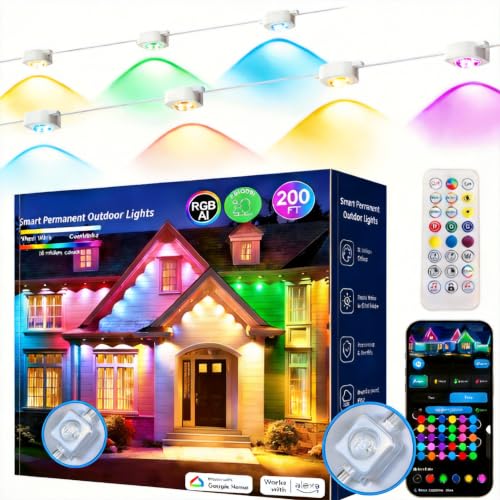

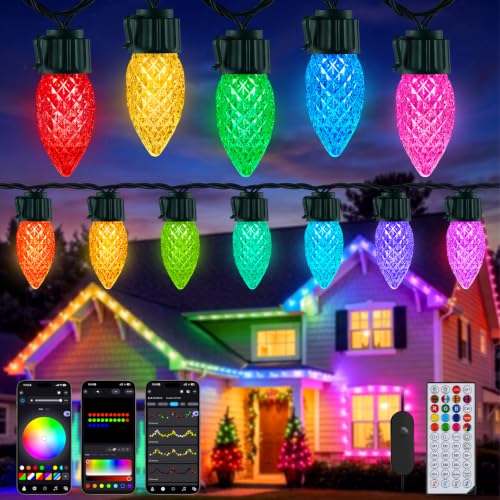


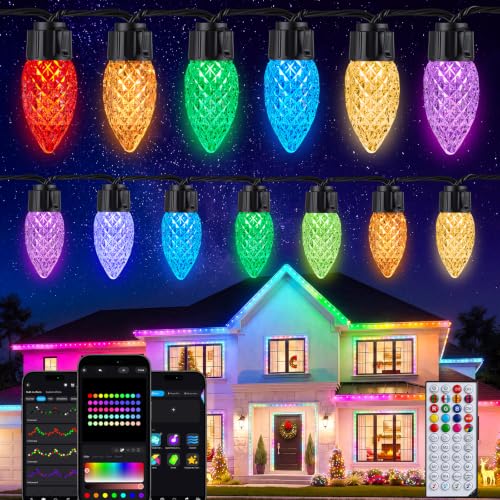
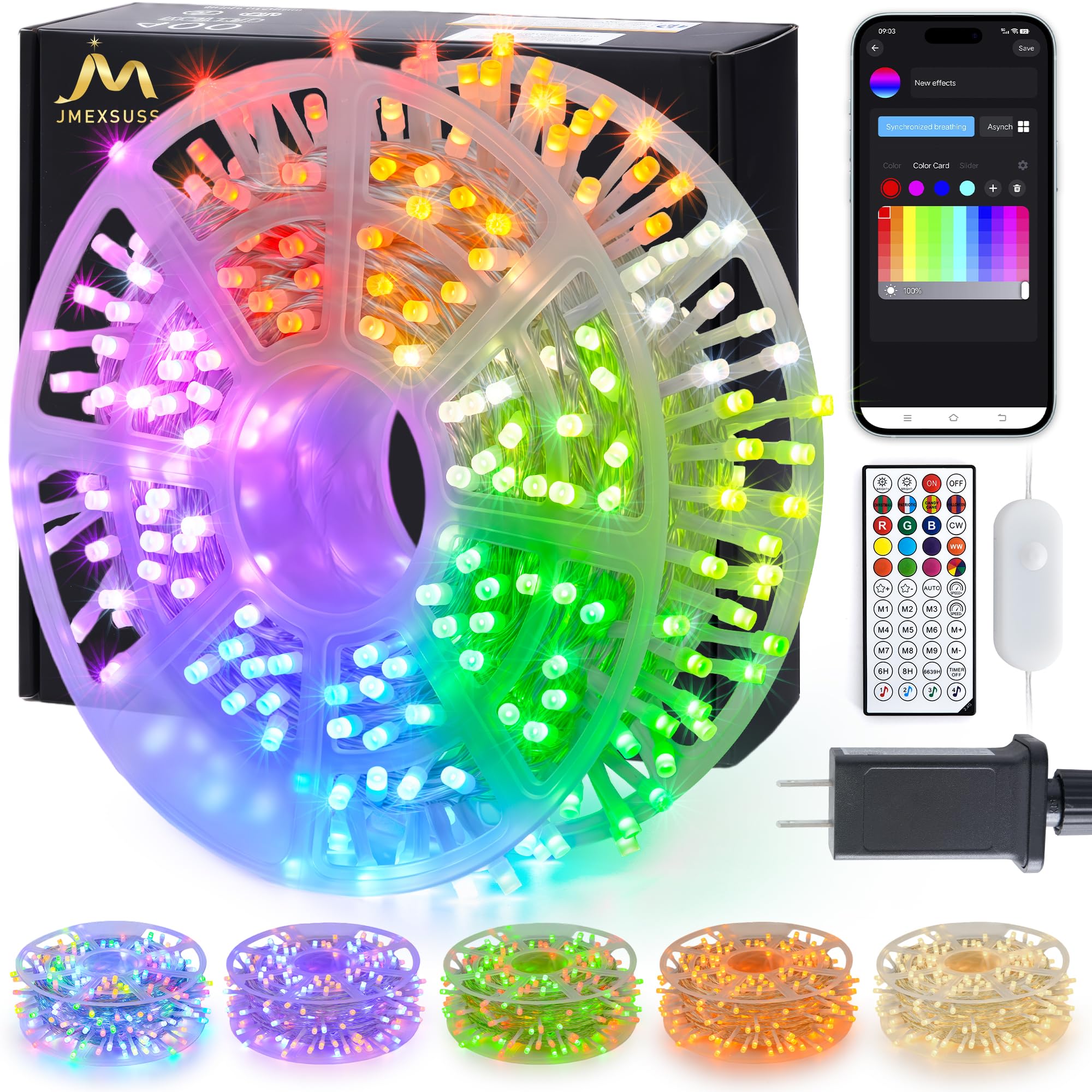
Color Changing Outdoor String Light Types Compared
Color changing strands fall into three broad types, and the type matters more than any single spec. The right type depends on how often you plan to change colors, how much control you want, and whether you enjoy using an app or prefer a simple remote on the table.
App Controlled Smart Strands
App controlled strands connect to your phone through WiFi or Bluetooth and give you the widest control. You can usually pick custom shades, build scenes for holidays or game nights, set schedules, and group several strands together. This type suits you if you like fine control and change your lighting often. The trade off is a more involved first setup, and the lights depend on a stable connection when you use advanced scenes.
Remote Controlled Strands
Remote controlled strands keep things simple. A small handheld remote switches colors, dims the light, and cycles through preset effects such as fade or flash, with no phone and no account needed. This type suits you if guests or family members will use the lights and you want anyone to adjust them in seconds. Color choice is usually limited to a fixed palette, and effects apply to the whole strand at once rather than bulb by bulb.
Preset Program Strands
Preset program strands use a small controller on the cord or plug to step through built in color modes. You get rotating colors, gentle fades, and a warm white setting without any app or remote to lose. This type suits a pergola or fence line where you mostly want to turn the lights on and enjoy a set look. Control is the most limited of the three types, so check that the preset palette includes a true warm white for everyday evenings.
How We Chose These Types and Criteria
We compared the best color changing outdoor string lights by brightness and color temperature, style and finish, installation method, energy use, and value for the length you get, using maker specifications and patterns in verified buyer feedback. If you want a broader view of plain white strands as well, see our guide to the best outdoor string lights. The sections below turn those same criteria into questions you can answer for your own space.
Who Should Buy Color Changing Outdoor String Lights?
Hosts Who Change the Mood Often
You host dinners, birthdays, and holiday gatherings and want one strand to handle all of them. Warm white covers a quiet meal, while saturated color makes a party feel festive without extra decorations. Look for an app controlled or remote controlled type with dimming, because bright color at full power can feel harsh over a table. A strand with memory helps too, since it returns to your last setting when you switch it on.
Families Who Want Simple Everyday Color
You want light the whole household can run without instructions. A remote controlled strand with large, clear buttons and a few favorite colors is usually the sweet spot. Choose shatterproof bulbs so a dropped strand or a knocked bulb is less likely to end the evening, and pick a length that reaches your outlet without an extra cord crossing a walkway where people carry food and drinks.
Backyard Owners Lighting a Larger Space
You have a bigger yard and need light that carries across seating, a grill area, and open lawn. Longer strands and connectable designs matter most for you, along with commercial grade cord that tolerates tension on long spans. For layout ideas focused on bigger spaces, see our guide to the best outdoor string lights for backyard setups. Plan your anchor points first, because color features will not fix a strand that sags or stops short.
How to Choose the Right Outdoor String Lights
Size and Form Factor
Start by measuring the exact path the strand will follow, including the drop at each swag between anchor points, because a straight line measurement always underestimates what you need. Common lengths include 24 ft, 48 ft, 96 ft, and 100 ft, and each swag can use about 10 to 20 percent more cord than the straight distance. Bulb shape shapes the look as well. Globe bulbs spread light widely and feel soft, while Edison style bulbs show a filament look and read more vintage from a distance.
Type and Power Source
Most color changing strands are plug in models, since color scenes and app control draw steady power that small batteries struggle to supply through a long evening. Solar strands remove the outlet problem and suit a fence far from the house, and our guide to the best solar outdoor string lights explains that trade off in detail. Battery operated strands work for short runs and events, but expect to recharge or replace batteries often if you use bright color modes nightly.
Lumens and Color Temperature
Brightness in string lights is modest by design, and what matters is whether the glow is enough to see faces and food without glare. For dining, a dimmable strand matters more than a high lumen number, since you can lower output once the sun sets. Color temperature describes white light only, with warm white around 2200 to 2700 K feeling amber and relaxed. If you also shop plain strands, our guide to the best led outdoor string lights covers LED efficiency in more depth.
Fixture Size and Placement
Bulb size changes both scale and spacing. Large bulbs spaced far apart make bold lines over a big patio, while smaller bulbs packed closer together read as a soft canopy over a narrow deck. Keep bulbs above head height over seating and walkways, and hang the lowest swag point high enough that tall guests never duck. Place the first bulb a little away from the outlet wall so the brightest point does not glare into the eyes of people facing the house.
Dimmable and Smart Options
Dimming is the feature most buyers use every night, because color looks richer at moderate brightness and softer light keeps a conversation area calm. Check whether dimming works inside the app, on the remote, or both, since some strands only dim in white mode. Timers and schedules add real convenience, turning lights on at dusk and off at bedtime without daily effort. Voice control through a home assistant can help, but confirm the strand works with your system before you count on it.
Installation
Plug in strands are the standard choice and simply need a covered outdoor outlet, while hardwired strands suit a permanent pergola install done by an electrician. For most homes, use guide wire on spans longer than about 15 ft so the cord does not carry its own weight, and clip each bulb socket to the wire. Keep connections off the ground and point sockets downward so rain sheds away from the seals. Always confirm the outdoor rating on the box before leaving a strand up through wet weather.
How Much Should You Spend?
At about $30 and under, expect shorter remote controlled strands with a fixed color palette and basic effects, which can be plenty for a small balcony. Between about $30 to $100, strands get longer, cords get sturdier, and app control with custom colors becomes common. Above about $100, you are paying for long connectable runs, stronger weather sealing, and richer scene control. Spend first on length and cord quality, because those decide whether the strand fits and lasts, then pay for extra color features.
Color Changing vs Other Outdoor String Lights: Pros and Cons
The clear advantage of color changing strands is range. One install covers everyday warm white, team colors on game day, and red and green at the holidays, so you never swap strands by season. App scenes also let you save looks you like and return to them in seconds.
The trade offs are cost and complexity. Color changing strands usually cost more than a plain warm white strand of the same length, and they give you more settings to manage. Some models also render white light a little less warmly than a dedicated white strand, so if you almost never use color, a simple white strand may look better and cost less.
- Pros: one strand covers daily light and party color, saved scenes return with one tap, and dimming gives you more control over mood.
- Cons: higher price than plain strands, more setup with apps and remotes, and white light quality varies between models.
FAQ
What are the best color changing outdoor string lights for a small patio?
For a small patio, a 24 ft or 48 ft remote controlled strand is usually the right fit. It covers a railing or a single overhead swag without leftover cord to coil and hide. Choose shatterproof globe bulbs and a remote with a dimmer, since a short strand sits close to seating and full brightness can feel strong at close range.
Are color changing outdoor string lights worth it?
They are worth it if you will actually use the color at least a few times each season, for holidays, parties, or kids who love choosing the shade. The added cost over a plain strand is modest compared with buying and storing separate colored strands. If your answer is honestly never, put the same budget into a longer or sturdier white strand instead.
How long do color changing outdoor string lights last?
LED color changing strands often run for many seasons when the cord, seals, and sockets hold up, and bulb failure is rarely the limit. The usual weak points are a remote that gets lost, an app that stops being updated, and water entering a connection that sat on wet ground. Storing strands loosely coiled in a dry place between heavy use periods helps the cord and seals age more slowly.
Are expensive color changing outdoor string lights worth the extra cost?
Paying more is worth it when the extra money buys a thicker cord, better weather sealing, and connectable length you truly need for a long span. It is less worth it when the price only adds more preset effects you will never open. Judge the strand by build and fit for your space first, and treat extra scenes and effects as a bonus rather than the reason to buy.
How do you clean color changing outdoor string lights?
Unplug the strand, wipe each bulb with a soft cloth dampened with mild soapy water, and dry the sockets before you plug it back in. Avoid soaking the cord or spraying water into the sockets, since the seals are made for rain, not direct jets. For a fuller routine, see our guide on how to clean outdoor string lights before the start of each season.
Can color changing outdoor string lights stay outside all year?
Many can, provided the strand carries an outdoor rating and the plug and connections stay sheltered from standing water. Snow load and strong wind are harder on a strand than cold alone, so long spans on guide wire fare better than cord alone. In regions with harsh winters, taking strands down for the coldest months reduces stress on the cord coating and keeps colors bright longer.
Final Thoughts
Start with your space, not the color chart. Measure your run, pick the control style your household will actually use, and make sure the white setting looks warm enough for ordinary evenings. When those basics are right, the best color changing outdoor string lights become the strand you reach for on quiet nights and party nights alike. Check the product table above once more, match a type to your patio or yard, and enjoy light that changes with the occasion.


