Best Collapsible Hoses: A Practical Guide for 2026
Disclosure: We may earn a commission when you buy through links on this page, at no extra cost to you. As an Amazon Associate I earn from qualifying purchases. Learn more

Compare the best collapsible hoses by length, fittings, durability, water safety and storage.
Collapsible hoses promise light weight and easy storage, but the difference between a handy tool and a frequent leak often comes down to a few buying details. The best collapsible hoses expand fully without kinking, hold steady pressure at the nozzle and shrink back for neat storage. This guide turns the comparison table below into a checklist you can run before you buy.
Start with your yard, not the box. Measure the farthest watering point, note where the hose will cross paths or steps and think about winter storage. The checklist below covers size, build, ease of use, value and safety, so you can spot a weak hose before it reaches your garden.

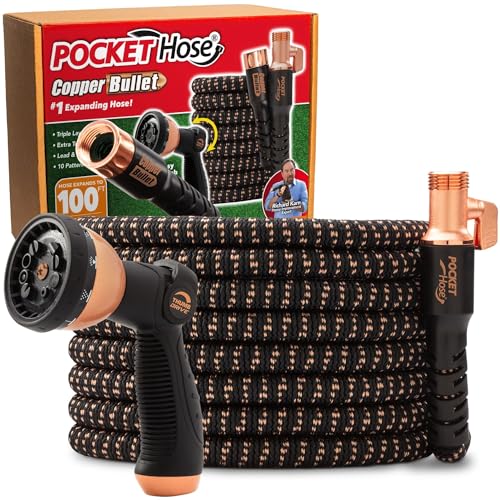
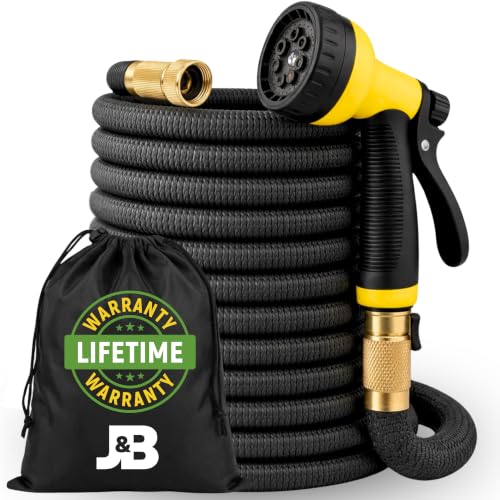


Buyer Checklist for the Best Collapsible Hoses
Use this section as a checklist rather than a set of performance claims. Each heading gives a clear good sign and a warning sign, so you can compare options side by side. Keep notes as you shop, and give extra weight to the points that match your yard and your watering habits.
Match the Hose to Your Garden Size and Layout
Measure from the spigot to the farthest bed, tree or container, then add a few feet for curves around corners and raised beds. A hose that barely reaches will pull tight at the nozzle and strain the fittings, while a hose that is far too long adds weight and tangles. Note slopes, narrow gates and areas where a hose must cross a path, because those spots raise the risk of kinks and trips. Choose the shortest length that reaches comfortably, and keep children away from a hose stretched across a walkway.
Durability and Weather Resistance
Look for a strong outer fabric, reinforced layers and fittings that feel solid rather than thin or loose. Sun exposure can fade and weaken fabric over time, so a hose stored in shade or indoors will usually last longer than one left in full sun. Freezing water inside a hose can split the inner core, so drain the hose fully before cold weather and store it in a dry place. Check the maker guidance for pressure limits and temperature limits, and avoid running the hose at full pressure when the nozzle is closed for a long time.
Ease of Use and Storage
A good collapsible hose should feel light when empty, expand smoothly when water flows and shrink back without a fight when you turn the water off. Run the idea through your routine: can you carry it to the far bed, coil it with one hand and hang it without dragging it through dirt? A compact storage size helps in a small shed or garage, but a very short coiled length can still tangle if the fabric twists. Look for a simple drain step and a storage bag or hook that keeps the hose off the ground.
Material and Build Quality
Inner material, outer fabric and fittings together decide how a hose handles pressure, abrasion and repeated expansion. Brass fittings usually resist corrosion better than thin plastic fittings, and a tight, well sealed connection reduces drips at the spigot and nozzle. A multi layer design can resist punctures from rough soil and stones better than a single thin layer. Check that washers are included and replaceable, because a worn washer is a common cause of a slow leak at the connection.
Value and Coverage per Dollar
Compare price by usable length and expected life, not by the headline length alone. A hose that reaches your far bed without strain and lasts several seasons can cost less per year than a cheaper hose that leaks after one summer. Look at what is included, such as a nozzle, washers and a storage bag, and whether spare parts are easy to find.
Prices in this guide are given as about $20 to $60 for many everyday options, with longer or heavier duty options often around $60 to $100. Choose the tier that fits your yard, not the largest hose on the shelf.
Safety, Drinking Water and Pet Safety
If you fill pet bowls, water edible plants or use the hose near children, check whether the maker states the hose is safe for drinking water. Look for clear statements about lead free materials and food grade inner layers, and avoid vague claims with no detail. Keep a hose used for garden chemicals separate from one used for drinking water, and flush the hose briefly before filling a bowl or watering herbs. Store the hose coiled and out of walkways, so it does not become a trip hazard for children, pets or guests.
Spending Levels at a Glance
Use these spending levels to match a hose to your budget and your yard. Each level describes what to expect and what to check, so you can compare any option fairly. Prices are approximate, and the right level depends on length, use frequency and storage conditions.
Everyday Value for Small Yards
For a small yard or a few containers, a shorter hose with standard fittings and a simple nozzle often does the job well. Expect light weight and easy storage, but check the fittings and washer quality closely, because those parts fail first on low cost options. This level suits light watering a few times a week, and it is a sensible choice when storage space is tight. Replace a worn washer early, and drain the hose after each use to extend its life.
Mid Range Choice for Regular Garden Use
For regular watering across beds, lawn edges and trees, a mid range hose with stronger fabric and brass fittings is often the better value over time. Expect smoother expansion, steadier flow and fittings that stay tight through the season. This level suits gardeners who water several times a week and need a hose that reaches without constant kinking. Check the pressure guidance, keep the hose out of full sun when stored and inspect the outer fabric for wear each spring.
Premium Choice for Large or Demanding Yards
For a large yard, rough ground or daily use, a longer and heavier duty hose with reinforced layers and solid brass fittings may be worth the extra cost. Expect better abrasion resistance and a more stable connection at the spigot, but still check the weight when full, because a long hose can be heavy to drag. This level suits frequent watering, long runs and yards with stones or uneven paths. Store it drained and coiled, and inspect fittings and washers before the first use each season.
Quick Buyer Checklist
- Does the expanded length reach your farthest watering point with slack to spare?
- Are the fittings solid, well sealed and easy to tighten by hand?
- Does the hose expand fully and shrink back without kinking or twisting?
- Is the outer fabric strong enough for your soil, stones and sun exposure?
- Will the coiled hose fit your storage space and hang off the ground?
- Is the hose safe for drinking water if you need it for pets or edible plants?
- Are washers replaceable and is the pressure guidance clear?
- Can you drain the hose fully before winter storage?
Red Flags to Watch For
- Vague length or pressure claims with no clear expanded and coiled measurements.
- Thin or loose fittings that wobble at the spigot or leak at the first use.
- No information about inner material, drinking water safety or washer replacement.
- Outer fabric that feels papery or snags easily on rough ground.
- Very short warranty or no maker guidance for draining and winter storage.
How to Make Your Collapsible Hose Last Longer
Drain the hose after each use, coil it loosely and store it out of direct sun and away from sharp tools. Avoid dragging the hose across concrete, gravel or thorny plants when you can, because abrasion wears the outer fabric over time. Drain and store hoses before freezing weather, and check washers, fittings and the outer layer at the start of each season.
Replace a worn washer promptly, because a small drip at the connection can strain the fitting and waste water. With steady care, a well chosen hose can serve for several seasons of regular watering.
Frequently Asked Questions
How do collapsible hoses expand and shrink?
Collapsible hoses expand when water pressure fills the inner core and stretches the outer fabric to full length. When you turn the water off and open the nozzle, pressure drops and the hose shrinks back toward its compact coiled size. The change in length can be large, so measure the expanded length rather than the coiled length when you shop. A hose that does not expand fully may be kinked, under pressure or blocked at the nozzle.
How long should a garden hose last?
A garden hose can last several seasons when it is drained after use, stored out of sun and protected from freezing. Heavy daily use, rough ground and constant full sun shorten life, while light use and indoor storage extend it. Fittings and washers often wear before the fabric, so inspect them each spring and replace a worn washer early. If the inner core splits, the outer fabric frays deeply or leaks persist after a washer change, it is time to replace the hose.
Is a drinking water safe hose worth it?
A drinking water safe hose is worth it when you fill pet bowls, water herbs and vegetables or use the hose for drinking water in any form. Look for a clear maker statement about lead free materials and a food grade inner layer, rather than a vague safety claim. Keep a hose used for garden chemicals separate, and flush the hose briefly before filling a bowl. For lawn watering only, drinking water safety matters less, but clear material information is still a good sign.
How much hose do I need for my garden?
Measure from the spigot to the farthest point you water, following the path the hose will actually take around beds and corners. Add a few feet of slack so the hose does not pull tight at the nozzle or drag plants when you reach. For a small yard, a shorter hose is easier to store and carry, while a large yard may need a longer hose or a second spigot. If one hose must cross a path, choose a route that keeps the hose out of walkways when possible.
Why does my collapsible hose kink or leak?
Kinks often come from a hose that is too long for the space, twisted during storage or pulled tight around a sharp corner. Leaks most often start at a worn washer, a loose fitting or a small puncture in the outer fabric. Check the washer first, tighten fittings by hand without forcing them and inspect the fabric for cuts or fraying. Drain the hose fully, coil it loosely and store it off the ground to reduce both problems in the future.
The Bottom Line
Match length to your yard, check fittings and fabric closely and choose a storage routine you can keep through winter. For related choices, see our guide to best collapsible garden hoses for garden specific options, and compare best quality hoses, best lawn hoses or best garden water hoses when you want a broader view. The best collapsible hoses are the ones that reach your far bed, hold pressure without fuss and shrink away neatly, so check the product table above and run the checklist before you buy.