Best Collapsible Garden Hoses: A First Time Buyer's Guide for 2026
Disclosure: We may earn a commission when you buy through links on this page, at no extra cost to you. As an Amazon Associate I earn from qualifying purchases. Learn more

Compare the best collapsible garden hoses by expanded length, fittings, cover strength and winter storage.
Shopping for best collapsible garden hoses for the first time can feel confusing, because these hoses look nothing like the stiff rubber hose you may remember from childhood. A collapsible hose stays light and compact when empty, then expands as water fills it, and it shrinks back down when you drain it. This guide explains the basics in plain language, compares the features that matter, and helps you pick a size that fits your garden, so you can check the comparison table below with confidence.
Think of this article as a walk through the buying decision, not a list of products to memorize. You will learn how length, fittings, and wall material affect everyday use, and you will see the rookie mistakes that shorten a hose life. By the end, you should know what to look for, what to skip, and how to use your first collapsible hose without kinks, leaks, or frustration.




Collapsible Garden Hoses 101: The Basics
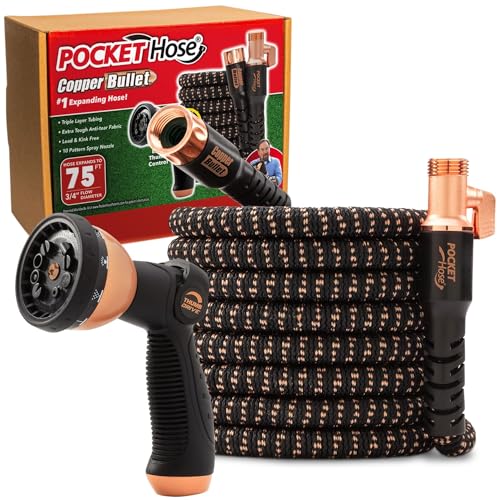
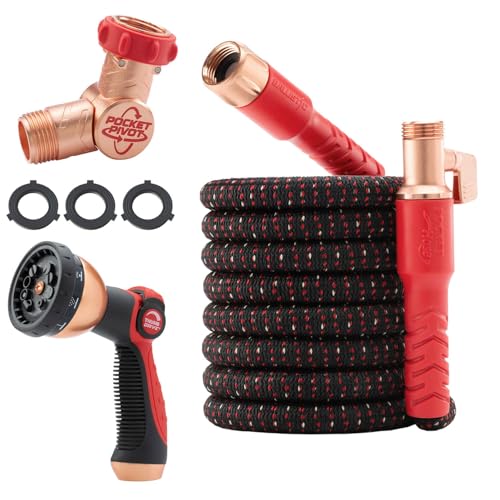
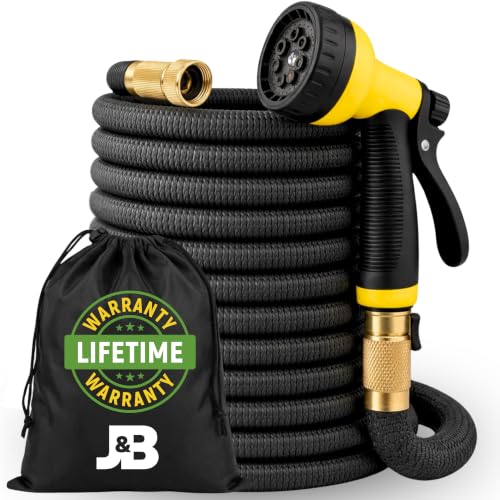
A collapsible hose has a flexible inner tube and a woven outer cover. When the tap is off and the hose is drained, it folds down to a small, light coil that is easy to carry and store. When you turn the water on, pressure fills the inner tube, the hose lengthens to its full reach, and it becomes firm enough to water beds, pots, and lawns.
Most collapsible hoses are sold by their expanded length, such as 25 feet, 50 feet, or 100 feet. That expanded length is the working length you should plan around, not the short coiled length you see in the box. A hose that is too short forces you to drag pots closer or add an extension, while a hose that is far too long adds weight, takes longer to drain, and can be harder to coil neatly.
The fittings at each end matter as much as the hose itself. Brass fittings tend to resist cracking and cross threading better than thin plastic fittings, and a good washer inside each connector helps prevent drips at the tap. Look for a shutoff valve at the spray end if you like to stop the flow without walking back to the tap, and check that the fittings match the thread size on your outdoor tap and spray nozzle. For a broader look at folding designs, see our guide to best collapsible hoses.
Key Specs of the Best Collapsible Garden Hoses Explained
Spec sheets can sound technical, but only a few numbers really change how a collapsible hose feels in daily use. The sections below translate each one into a simple choice, so you can compare options without getting lost in marketing terms.
Match the Product to Your Garden Size and Layout
Start by walking your garden with a tape measure, or by pacing off the distance from your tap to the farthest bed you water. Add a little slack for going around corners, raised beds, and paths, because a hose pulled tight around a sharp corner kinks more easily and puts strain on the fittings. For a small patio or balcony garden, a shorter hose is easier to store and faster to drain, while a large yard with beds at both ends may need a longer hose or a second tap point.
Also think about obstacles. Beds with stone edging, thorny shrubs, and rough concrete can wear the outer cover faster, so a thicker cover and a gentle path matter more in those gardens. If you water through a gate or around a shed, plan a route that avoids dragging the hose across gravel every day.
Durability and Weather Resistance
Durability in a collapsible hose comes from the inner tube, the outer cover, and the fittings working together. A denser woven cover resists scuffs and snags better, while a thicker inner tube is less likely to split at a fold point. Sun exposure also matters, since strong sun can weaken some materials over time, so storing the hose out of direct sun when it is not in use helps it last longer.
Freezing weather is the biggest seasonal risk. Water left inside a hose can freeze, expand, and crack the inner tube, so the maker guidance for winter storage should be followed closely. In cold climates, drain the hose fully before the first frost, coil it loosely, and store it in a shed or garage rather than leaving it connected outside.
Ease of Use and Storage
Weight is one of the main reasons people choose a collapsible hose, especially if carrying a heavy rubber hose up steps or across a yard is a chore. Check the weight when the hose is empty, since that is how you will carry it, and remember that a full hose is always heavier because of the water inside. A hose that coils easily and does not fight you when you wind it up will get used more often than one that tangles. Expandable designs stretch in a similar way; see our guide to best expandable garden hoses for how wall material differs.
Storage is simple if you drain the hose first, then coil it in wide loops rather than tight knots. A wall hook, a large bucket, or a storage bag keeps the coil tidy and protects the cover from sharp tools. Avoid hanging the hose by a single fitting, since that can stretch one end over time. A mounted reel is a different storage approach; see our guide to best retractable garden hoses if you prefer a reel to a coil.
Safety: Drinking Water Safe and Pet Safe Materials
If you plan to fill a pet bowl, a bird bath, or a vegetable bed with your hose, check whether the hose is labeled as drinking water safe. That label means the materials are made to limit substances such as lead in the water that passes through, which matters more for water that people or animals will drink. Hoses without that label are still fine for watering ornamental beds and lawns, but they are not the right choice for drinking water.
Keep children and pets away from a pressurized spray, since a strong jet can sting skin and eyes and can knock over small pots. Use a gentle spray setting for seedlings and pets, and never point the nozzle at a person or animal. Following the maker guidance for pressure limits also helps, since very high tap pressure can strain fittings and shorten hose life.
Value and Coverage per Dollar
Value is not just the lowest price, because a cheap hose that splits in one season costs more in the long run than a sturdier hose that lasts several seasons. Compare the expanded length you actually need, the fitting material, and the cover thickness, rather than paying for extra length you will never use. A mid priced hose with brass fittings and a dense cover often gives the best balance for a first time buyer. If durability is your top priority, compare best quality garden hoses before deciding.
Think about coverage per dollar in practical terms. A longer hose that reaches every bed from one tap may be worth more than a shorter hose plus an extension and extra connectors. On the other hand, buying two shorter hoses for two separate taps can be smarter than dragging one very long hose across a whole yard every day.
Rookie Mistakes to Avoid
- Buying by coiled length instead of expanded length, which leaves the hose too short to reach the far beds.
- Leaving the hose connected and full of water through winter, which lets freezing water crack the inner tube.
- Dragging the hose across sharp stone edging or thorny shrubs, which wears through the outer cover.
- Using a hose that is not labeled drinking water safe to fill pet bowls or vegetable beds.
- Cranking the tap to full pressure on a delicate seedling bed, which washes soil away and damages young plants.
Getting Started and First Use
When your hose arrives, uncoil it fully and check both fittings for a washer and for any visible damage. Connect the tap end first, then attach a nozzle or sprayer at the other end, and turn the tap on slowly so the hose expands evenly. Let water run for a short while to flush out any loose material from manufacturing, and check both connections for drips before you start watering.
Water early in the morning when the sun is mild, since that gives plants time to absorb water before the heat of the day and reduces evaporation. After watering, turn the tap off, open the nozzle to release pressure, and let the hose drain fully before you coil it. Drain and store hoses before freezing weather arrives, and keep the coil in a shaded, dry spot so the cover stays in good shape.
If you use the hose near a pool, never run it while people are swimming, and keep the nozzle and fittings away from the water when swimmers are present. Store the hose away from the pool edge when it is not in use, so no one trips over a coil left on a wet deck.
Frequently Asked Questions
Is a drinking water safe label worth checking on a collapsible hose?
Yes, if you will fill drinking water for people or pets, or water edible plants, the label is worth checking. A hose labeled drinking water safe is made with materials that limit substances such as lead in the water passing through it. For ornamental beds and lawns only, the label matters less, but it is still a useful sign of careful material choice. Check the label before you buy, since you cannot tell the material safety from the outside of the hose.
How much collapsible hose length do I need for my garden?
Measure from your tap to the farthest spot you water, then add slack for corners, paths, and raised beds. A hose that just barely reaches will be pulled tight and kinked, so a little extra length makes watering far easier. For a small patio, a short hose is lighter and faster to drain, while a large yard may need a longer hose or a second tap. Avoid buying far more length than you need, since extra hose adds weight and draining time.
How long should a collapsible garden hose last?
With gentle use and proper storage, a well made collapsible hose often lasts several seasons, while harsh treatment can shorten that life a lot. Sun exposure, dragging across rough surfaces, and freezing water left inside are the most common causes of early failure. Draining the hose after use, coiling it loosely, and storing it out of direct sun all help it last longer. Replace the hose if the inner tube bulges, leaks at a fold, or splits, since repairs rarely hold under pressure.
How do I store a collapsible hose for winter?
Drain the hose fully, then coil it in wide loops and store it in a shed or garage before the first frost. Disconnect it from the tap so trapped water cannot freeze inside the fittings, and keep it away from sharp tools that could puncture the cover. Do not leave it stretched tight on a hook by one fitting, since that strains the connector over time. A dry, shaded storage spot also protects the material from winter sun and cold.
Can I use a collapsible hose with a sprinkler?
Yes, many collapsible hoses work with a sprinkler, but check the maker guidance for pressure and flow first. A sprinkler needs steady pressure, and a very long or narrow hose can reduce flow at the far end. Use a gentle sprinkler setting for new lawns and seedlings, and keep children and pets clear of the spray pattern while it runs. After use, drain the hose fully before coiling it, so it stays light and ready for next time.
The Bottom Line
The right choice comes down to three things: enough expanded length for your garden, fittings and a cover sturdy enough for your paths and weather, and a material label that matches how you will use the water. A first time buyer does not need the longest or most expensive hose, just one that reaches every bed without strain and drains easily after use. Compare those points in the product table above, and pick the hose that fits your garden layout, your storage space, and your budget. With gentle use and proper winter storage, best collapsible garden hoses can make daily watering lighter, faster, and far less of a chore.