Best Coleus for Window Boxes: What Actually Matters Before You Buy for 2026
Disclosure: We may earn a commission when you buy through links on this page, at no extra cost to you. As an Amazon Associate I earn from qualifying purchases. Learn more

Compare the best coleus for window boxes by growth habit, light, spacing and plant health for window boxes.
Coleus can turn a plain window box into months of color without a single flower, but only when the variety fits the box, the light, and your watering habits. A sprawling type will swallow its neighbors by midsummer, while a shade lover scorches on a south facing sill. This checklist style guide shows you how to judge the best coleus for window boxes before money leaves your pocket.
Judge every option against the same criteria: growth habit, mature size, light tolerance, plant health at purchase, and value for the season. Use the comparison table below to compare candidates, then run your favorite through the quick buyer checklist near the end.
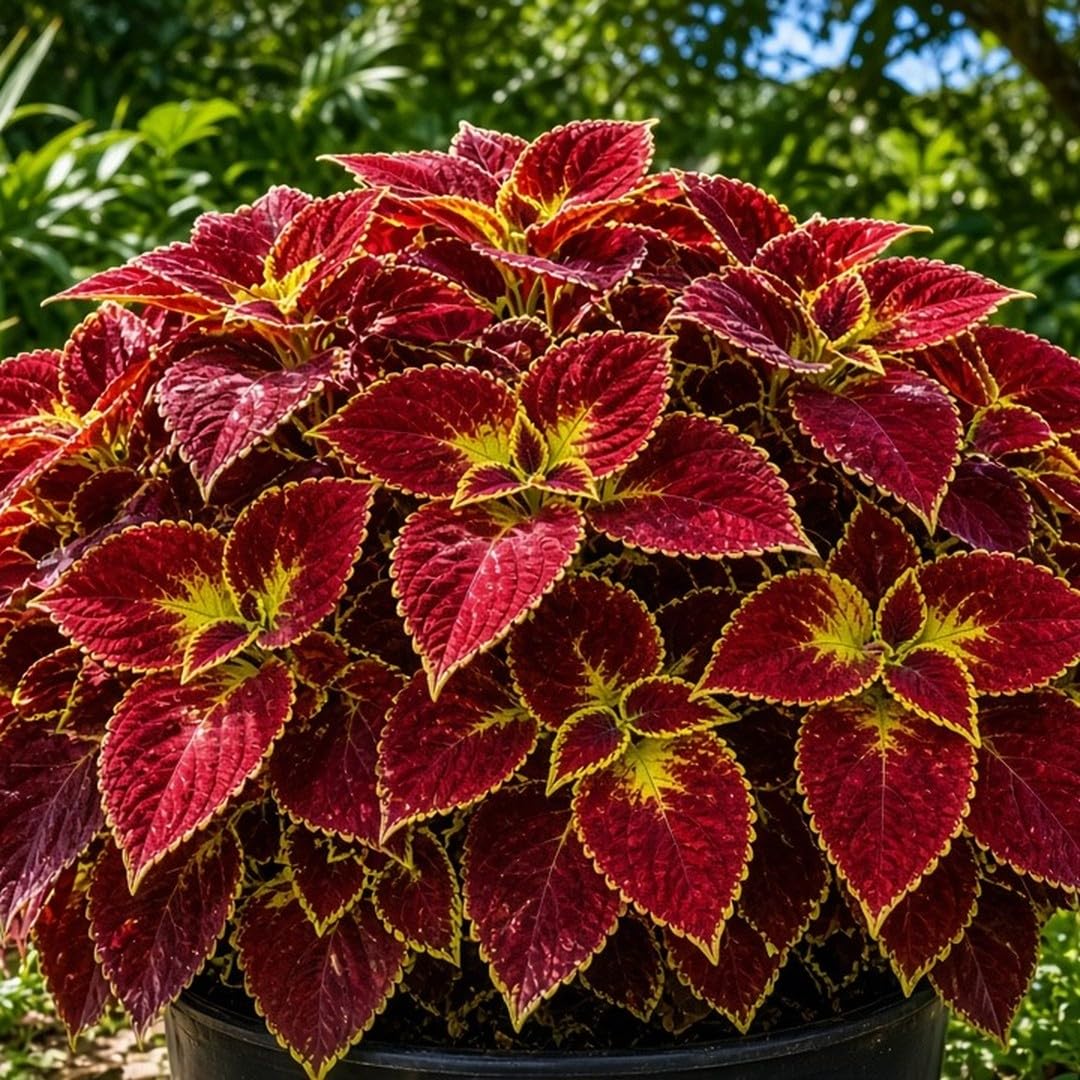
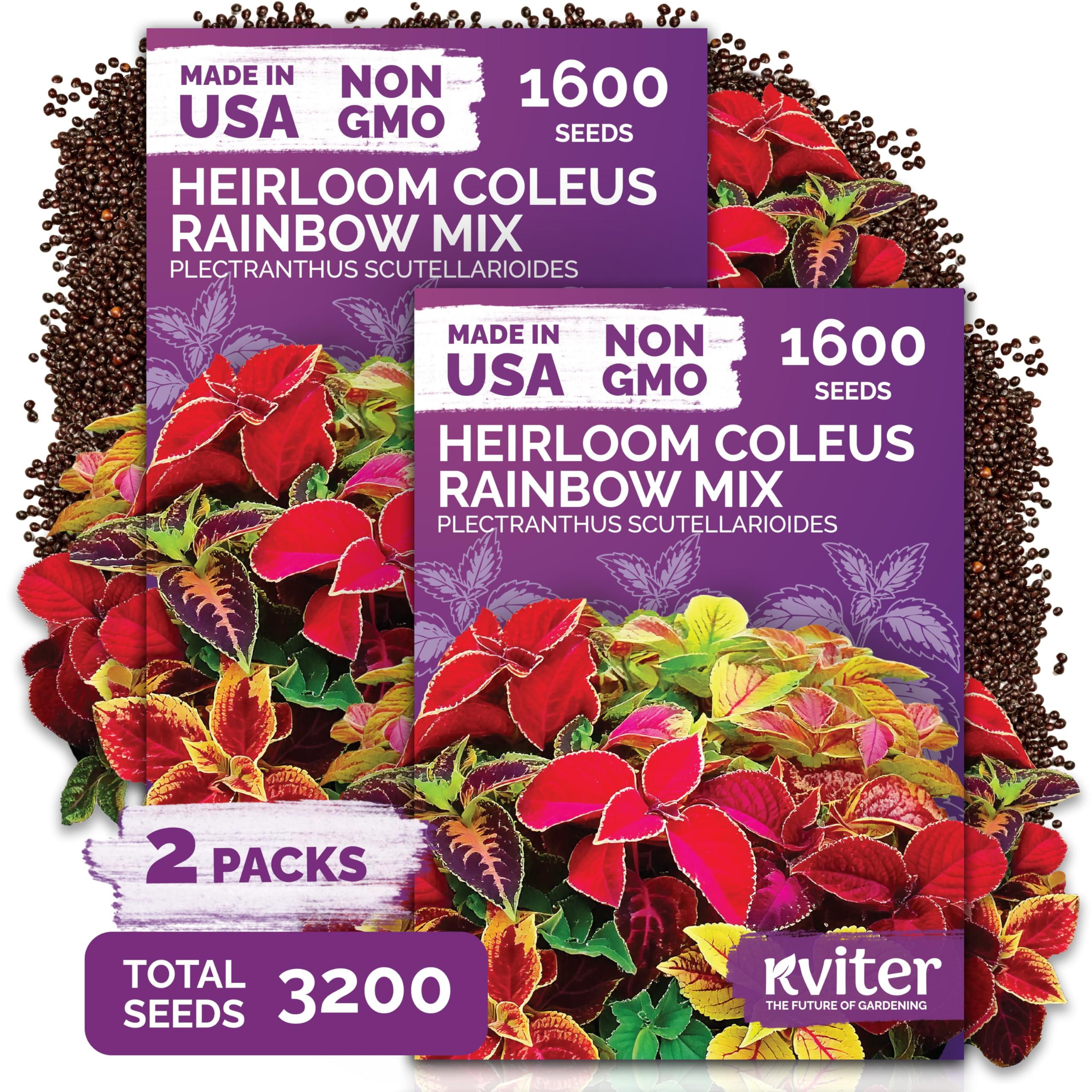
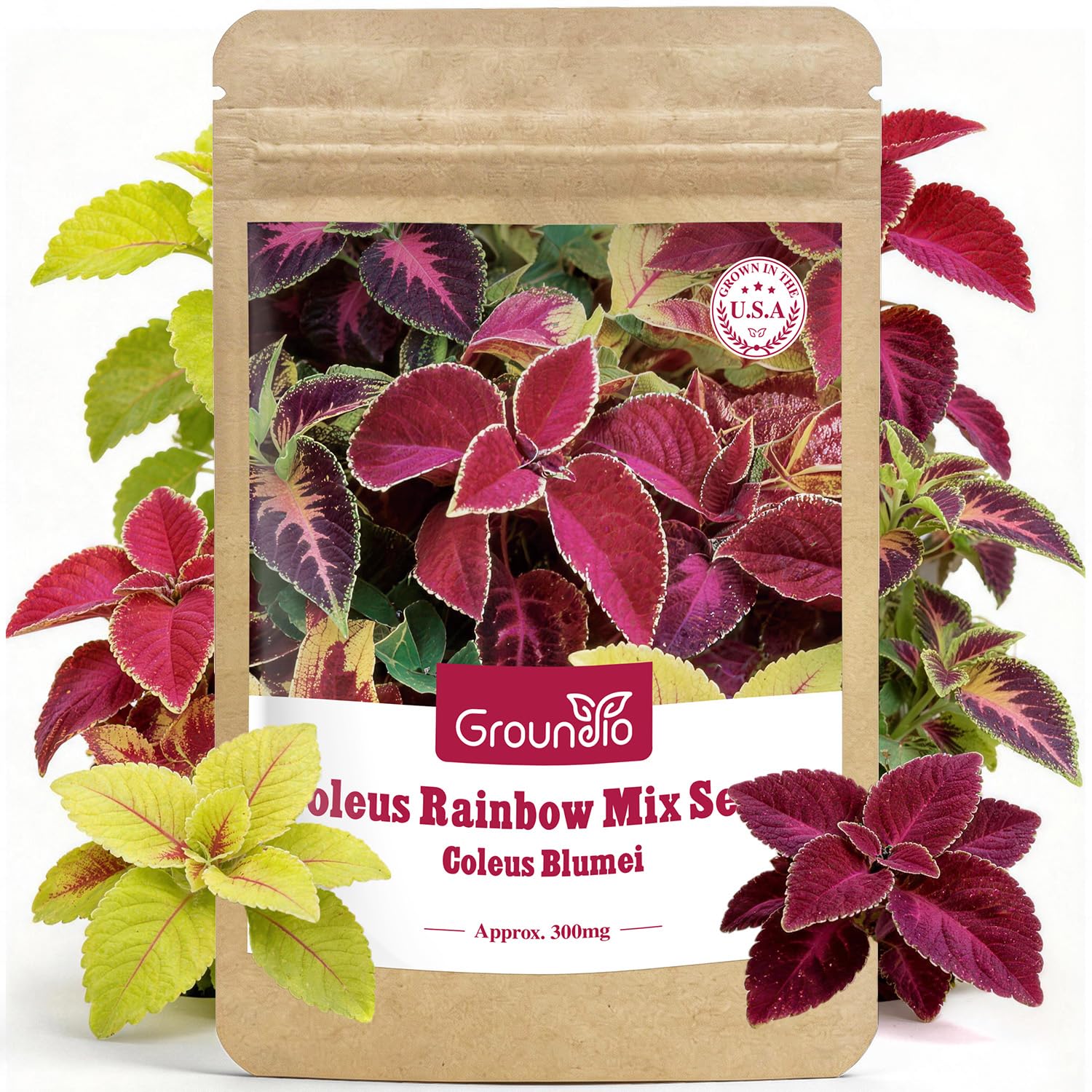
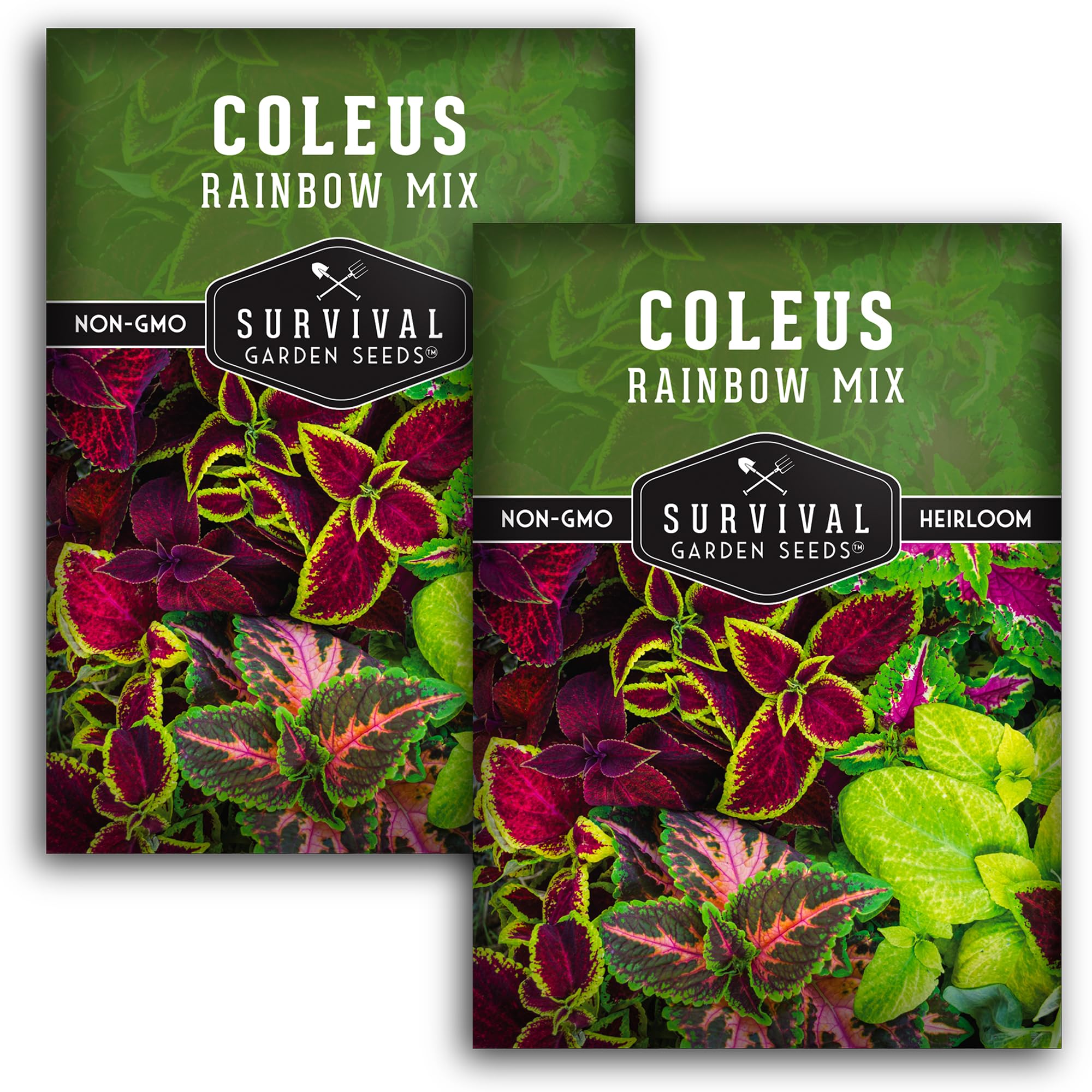

How to Evaluate the Best Coleus for Window Boxes
Features That Matter for Window Boxes
Window boxes impose limits that garden beds do not. Soil volume is small, roots share space tightly, and the display sits at eye level, so uneven growth shows immediately. Favor coleus described as compact, mounded, or trailing with controlled vigor, and check the mature spread on the tag. A plant that finishes at about 10 to 16 inches wide suits a standard box; anything far larger belongs in a large planter or the ground.
Intended Use and Who It Is For
Decide the job before you shop. Some gardeners want coleus as the star, massed in one bold color pattern. Others want it as a filler that knits flowering annuals together, or as a trailing edge softener that spills over the front. Star roles suit vivid, large leaf types; filler roles suit smaller leaf types in quieter colors. Knowing the role prevents the classic mistake of buying three stars that fight for attention in one small box.
Key Performance Specs
The specs that predict success are mature height, mature spread, and light rating. For most window boxes, plants finishing about 8 to 18 inches tall keep the display in proportion with the window. Light ratings run from full shade to full sun, and modern sun tolerant types handle six hours of direct sun if watered well. Match the rating to your actual sill, counting shade from awnings and nearby trees, not just the compass direction.
Build Quality and Materials
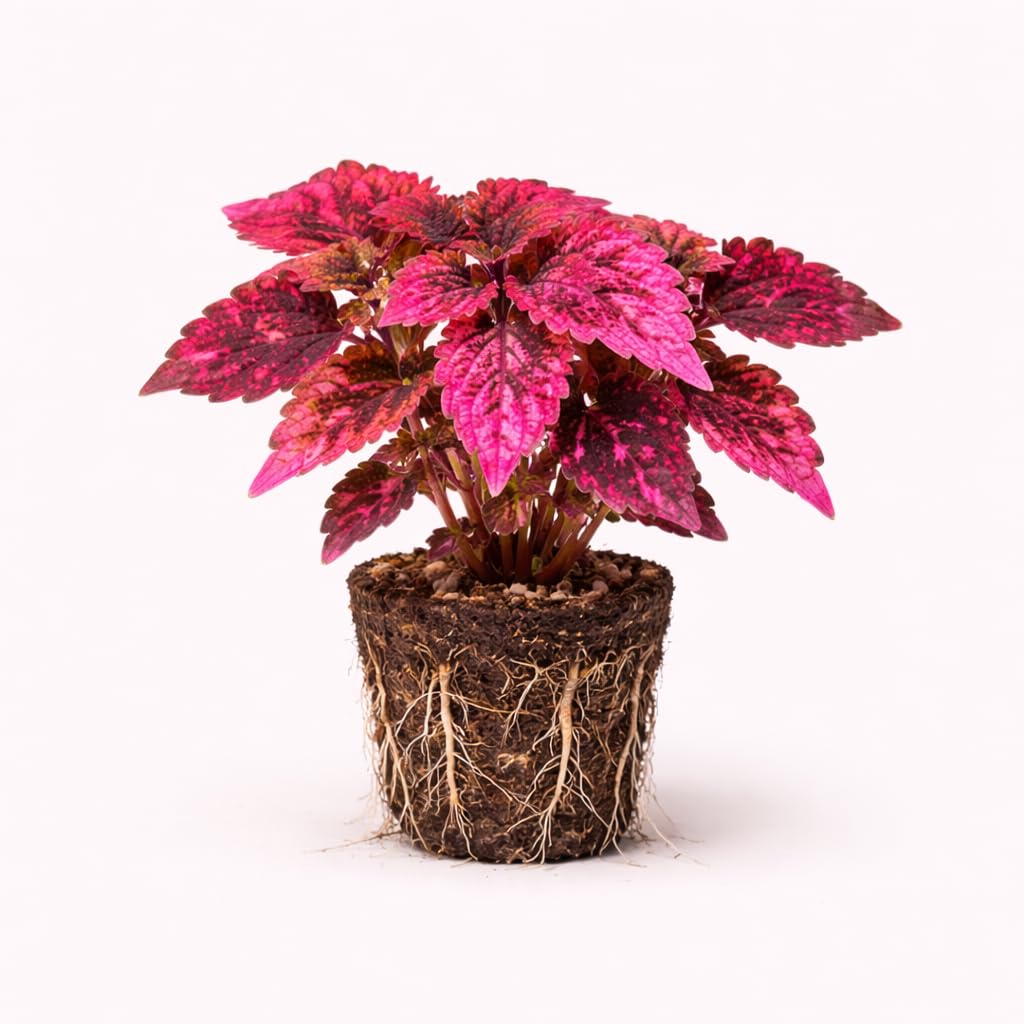
For a living plant, build quality means health at the moment of purchase. Choose stocky plants with leaves right down to the soil line, rich color, and no stretched gaps between leaf nodes, which signal weak light at the nursery. Turn a leaf over: whitefly, aphids, and webbing hide underneath. Gently slide the root ball out if staff allow; healthy roots look white and fill the pot without circling into a tight, brown mat.
Price vs Value
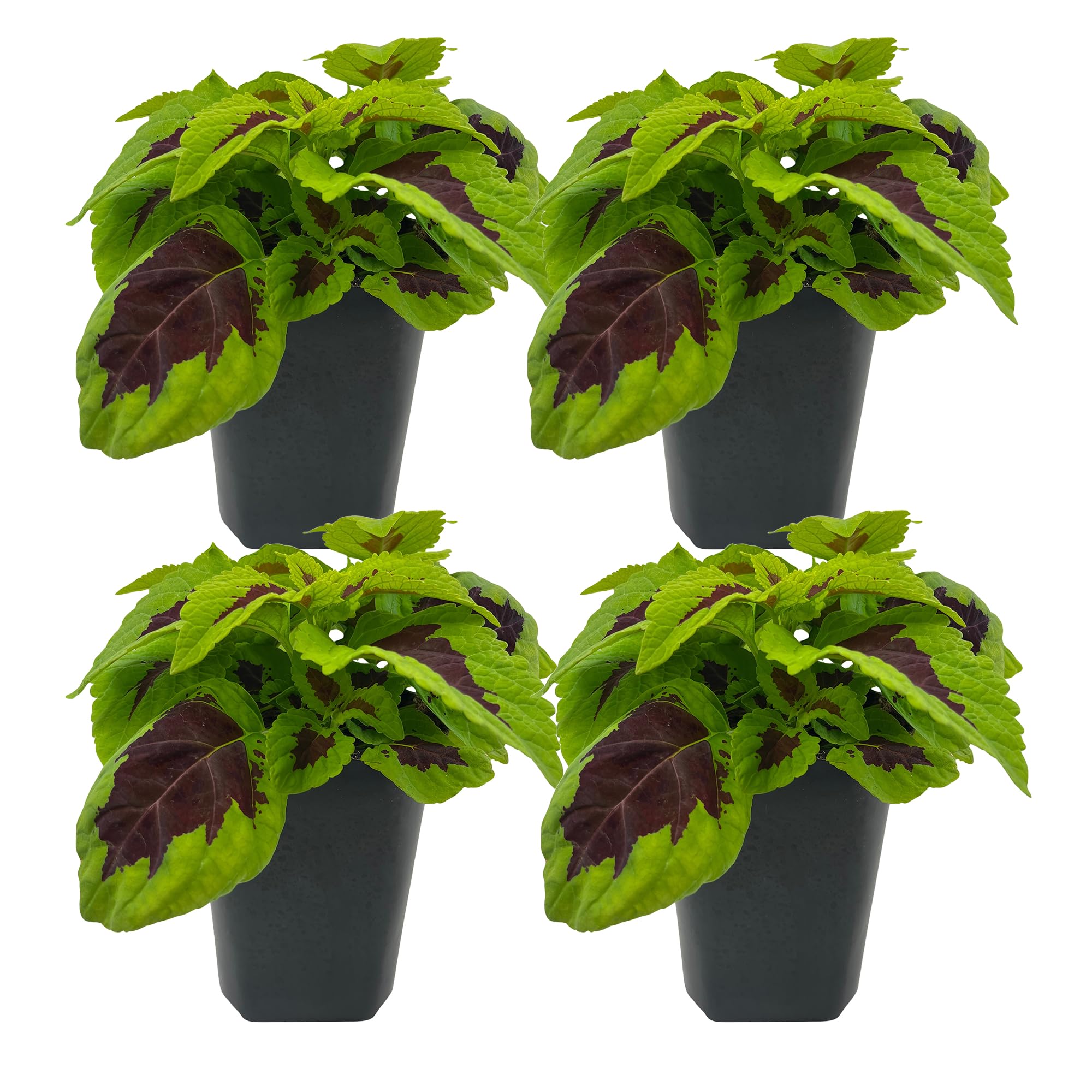
Coleus sells as seed, as small starter plants, and as larger premium pots. Seed costs the least, often a few dollars per packet, and gives you dozens of plants if you start early indoors. Starter four packs run around $5 to $10 and suit most boxes. Large single pots at about $8 to $15 each make sense only for instant impact or a special color you cannot find smaller. Value means cost per month of display, and a healthy starter usually wins.
Size, Weight, and Fit for Your Space
Count your box length before you count plants. Spacing coleus about 8 to 12 inches apart in the box gives each plant room to mound without crowding, so a 36 inch box takes roughly four plants of a compact type. The container itself matters too: if you are still choosing one, our guide to the best window box planters compares sizes and drainage, and the guide to the best material for window boxes explains how wood, metal, and plastic handle heat and moisture around roots.
Maintenance and Long Term Costs
Coleus asks for steady water, a pinch of fertilizer every few weeks, and regular pinching to stay bushy. Budget for liquid fertilizer and accept that window boxes dry faster than beds, sometimes needing water daily in heat. The ongoing cost stays low, but the time cost is real. If your schedule is tight, choose a slightly larger box with more soil volume, since extra soil is the cheapest insurance against missed waterings.
Three Plant Types Worth Considering
Compact Mounding Types for Most Boxes
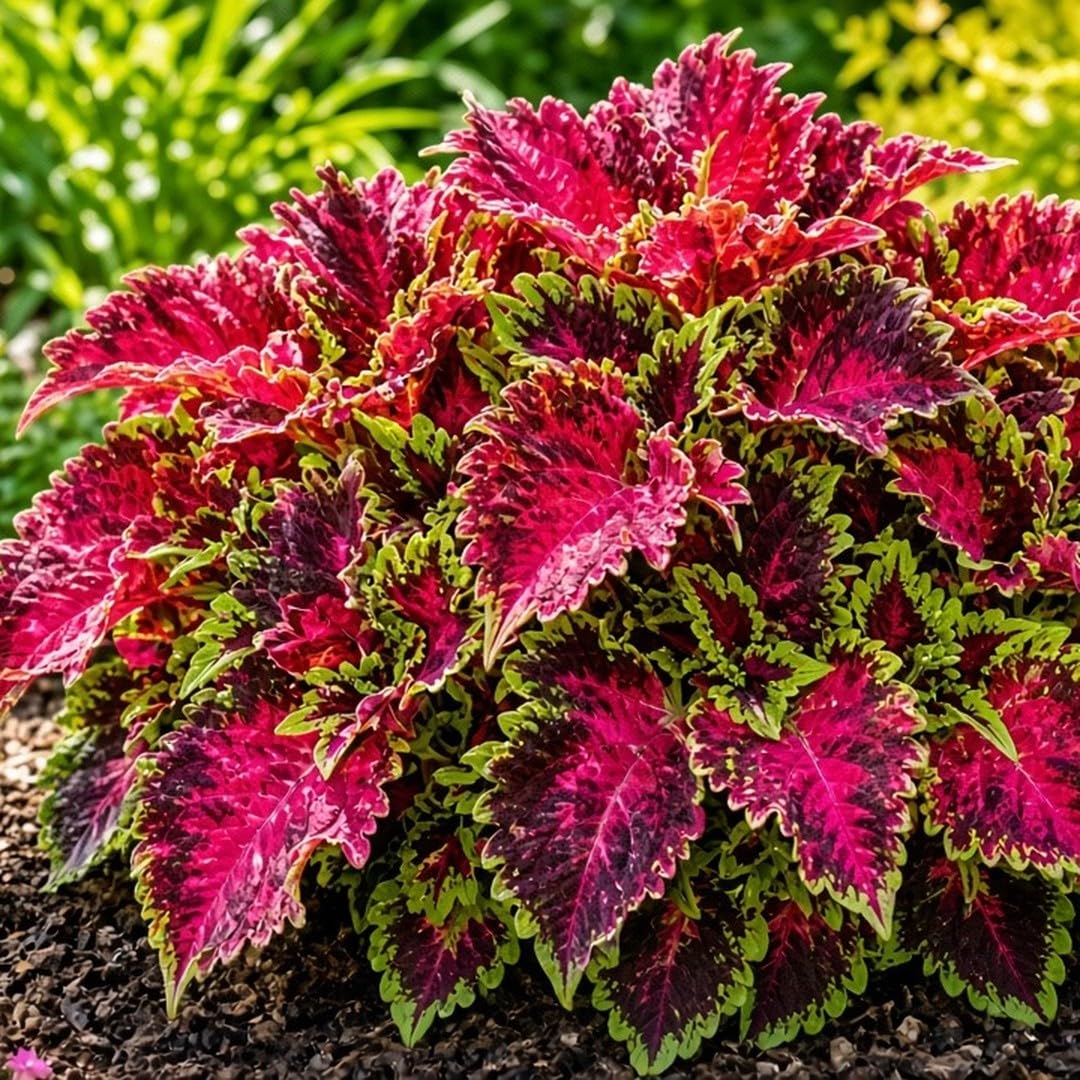
Compact mounding coleus earn the overall spot for most boxes because they fill space evenly, hold their shape with light pinching, and come in the widest color range. They sit neatly behind low edging plants and in front of taller accents, and their moderate growth forgives a missed pruning session. The limitation is drama: on their own they can look tidy rather than lush, so pair them with a trailing neighbor for softness.
Seed Grown Types for Low Cost
Seed grown coleus deliver the lowest cost per plant and a satisfying project for patient gardeners. Sow indoors about eight to ten weeks before your last frost, and expect some color variation among seedlings, which many gardeners enjoy. If starting from seed appeals to you, our guide to the best seeds for window boxes covers timing and germination basics. The trade off is time and a later start to the outdoor display compared with bought plants.
Sun Tolerant Cutting Grown Types for Bright Sills
Premium coleus raised from cuttings carry exact, stable colors and patterns that seed cannot guarantee, along with stronger sun tolerance and slower flowering. They cost more per pot, around $8 to $15, and justify it on bright sills where seed types fade or scorch. One caution: cutting grown types are often vigorous, so confirm the mature spread fits your box, and pinch early to keep the shape dense.
Quick Buyer Checklist
- Does the mature spread on the tag fit your box length at 8 to 12 inch spacing?
- Does the light rating match the actual sun your window receives each day?
- Is the plant stocky, fully leafed, and free of pests under the leaves?
- Do the leaf colors work with your house trim and the other plants in the box?
- Can you water at least every other day in summer heat, or daily if needed?
- Does your box have drainage holes and enough soil depth, about 8 inches or more?
- Have you checked the planting window for your area, as our guide to the best time to plant window boxes explains?
- Will a trailing companion soften the edge, an idea explored in our guide to the best vines for window boxes?
Red Flags to Watch For
- Leggy, stretched stems. Long gaps between leaves mean the plant grew in weak light and rarely fills out well.
- Faded or scorched leaves on the rack. Color problems at the store follow the plant home; healthy stock should look vivid.
- No mature size on the label. Vague tags hide vigorous types that overwhelm boxes by midsummer.
- Flower spikes already forming. Blooming coleus shifts energy from leaves and often declines; choose plants still focused on foliage.
- Soggy, sour smelling soil. Overwatered store plants may carry root rot that spreads to neighbors in a shared box.
Care and Maintenance Tips
Pinch the growing tips every two to three weeks to force branching and prevent flowering, and remove any flower spikes the moment they appear. Water when the top inch of mix feels dry, aiming for the soil rather than the leaves. Feed with a balanced liquid fertilizer at half strength every two weeks. A practical know how point: if a heat wave wilts your plants by noon despite moist soil, add afternoon shade with a temporary screen rather than adding more water to already wet roots.
Frequently Asked Questions
What features matter most in coleus for window boxes?
Controlled growth habit and honest mature size matter most, because a window box cannot absorb surprises. Light tolerance matched to your sill comes next, followed by leaf color that suits the display. One point buyers miss: root health at purchase predicts the whole season, so a smaller plant with white, active roots will outgrow a larger plant with a brown, circling root ball within weeks.
Are expensive coleus worth it?
They are worth it when you need an exact color pattern or strong sun tolerance that seed grown plants cannot promise. Cutting grown premium types also flower later, which extends the leaf display. For a shaded box in mixed colors, inexpensive starter packs perform nearly as well. Spend the premium on the one or two plants closest to the viewer, and fill the rest of the box with value choices.
How do I maintain a coleus?
Pinch tips regularly, water before the mix fully dries, and feed lightly every two weeks. Remove flower spikes immediately, since blooming signals the plant to slow leaf production. Watch the undersides of leaves each week while you water; catching aphids early means a strong rinse removes them, while a late discovery can mean losing the plant and checking every neighbor in the box.
How much should I spend on a coleus?
Most gardeners spend about $15 to $40 planting a standard box, depending on box length and plant size. Seed lowers the cost to a few dollars plus potting mix, while large premium pots raise it quickly. Set the budget per box rather than per plant, and leave a small reserve for one replacement plant in the first month, when a weak starter occasionally fails.
How long does a coleus last?
Outdoors, coleus lasts one frost free season, since it is a tender tropical plant that cold kills quickly. Indoors, a potted plant or cuttings rooted in water can live for years near a bright window. Many gardeners take cuttings in early fall, root them in jars, and grow them as houseplants, which also gives free, true to color starts for the next spring box.
What features matter most when buying coleus in a store?
In the store, judge the individual plant rather than the variety name. Look for short stems between leaf pairs, leaves colored right to the base, and a pot that feels evenly moist rather than soggy or bone dry. Pick from the middle of the display, where plants usually get the best light, and avoid the stretched plants at the back that reached for light all week.
Our Verdict
Match mature size to your box, match light rating to your sill, and buy the healthiest individual plants you can find. Those three checks decide almost every coleus success story. Compare candidates in the product table above, run them through the quick checklist, and you will land on the best coleus for window boxes for your home with no guesswork left.