
Best Color Area Rugs for Hardwood Floors: Types Compared and How to Choose for 2026
Disclosure: We may earn a commission when you buy through links on this page, at no extra cost to you. As an Amazon Associate I earn from qualifying purchases. Learn more

Compare types in this guide to best color area rugs for hardwood floors, with clear advice on color, material, pile, sizing, pads, and care for every room.
Hardwood gives you a beautiful base, but it also reflects light, shows dust, and can make a room feel echoing and unfinished. Rug color changes all of that at once, which is why choosing among the best color area rugs for hardwood floors can feel confusing when every shade looks good in a product photo. This guide compares rug types by color behavior, material, and care so the choice becomes simple.
Start with the comparison table below to see sizes and materials at a glance. Then work through the type comparison, because the right construction makes the right color far easier to live with.


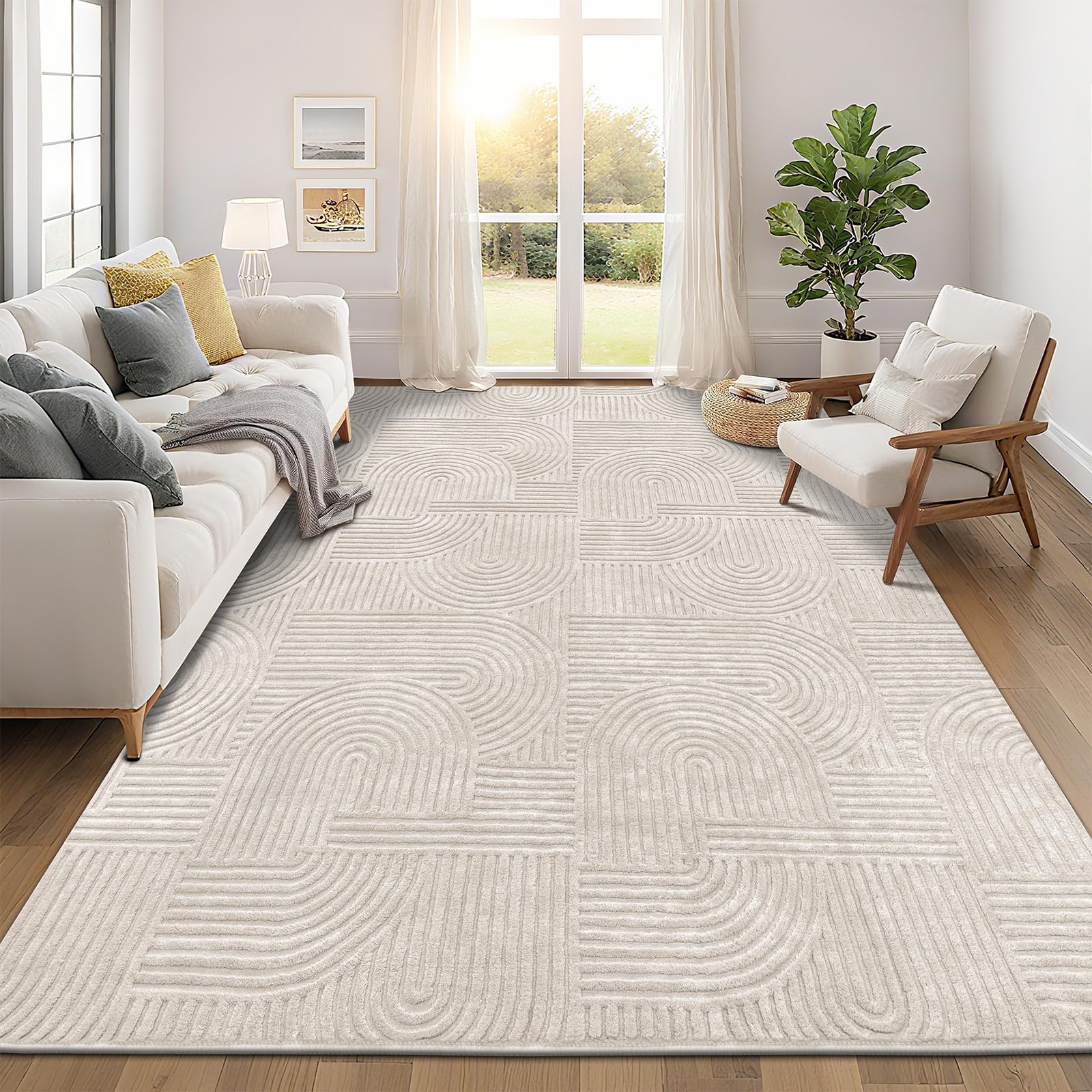
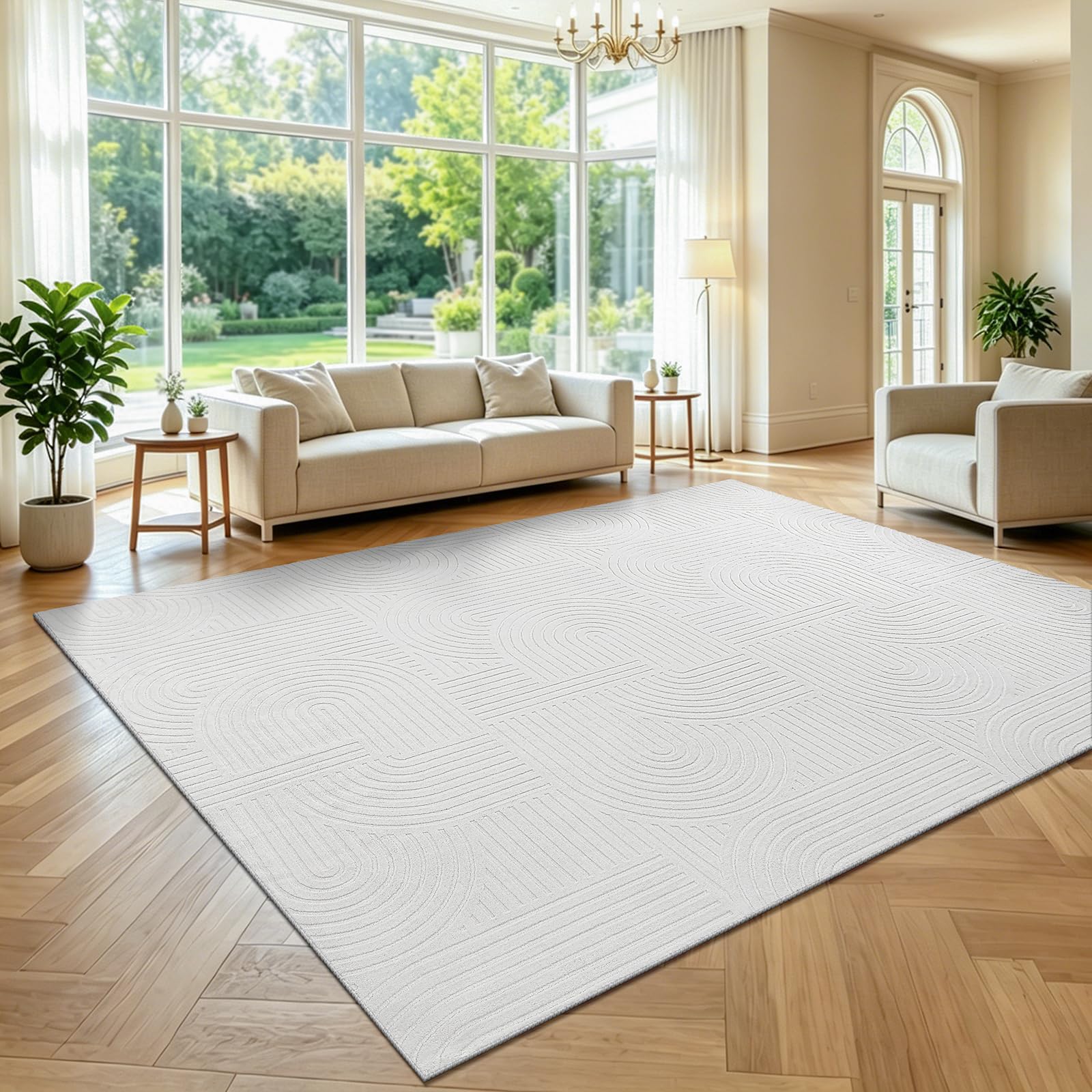
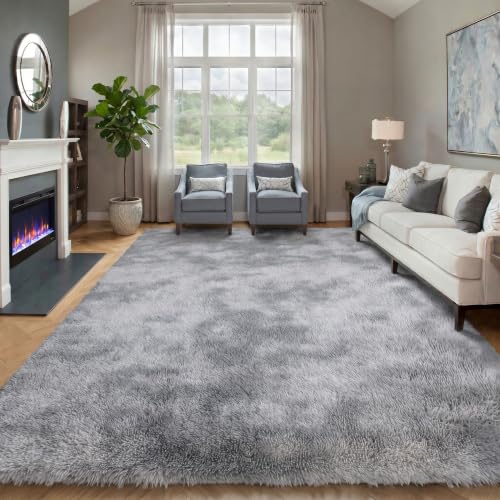

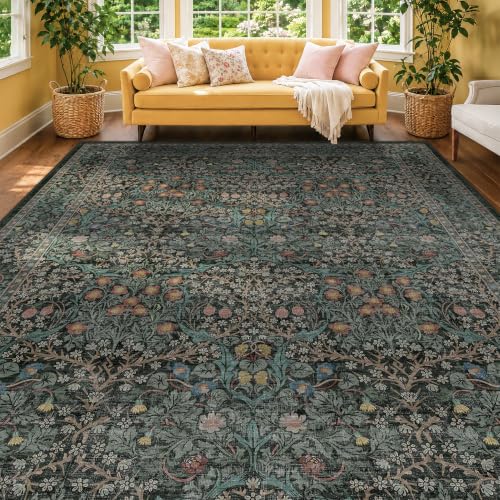
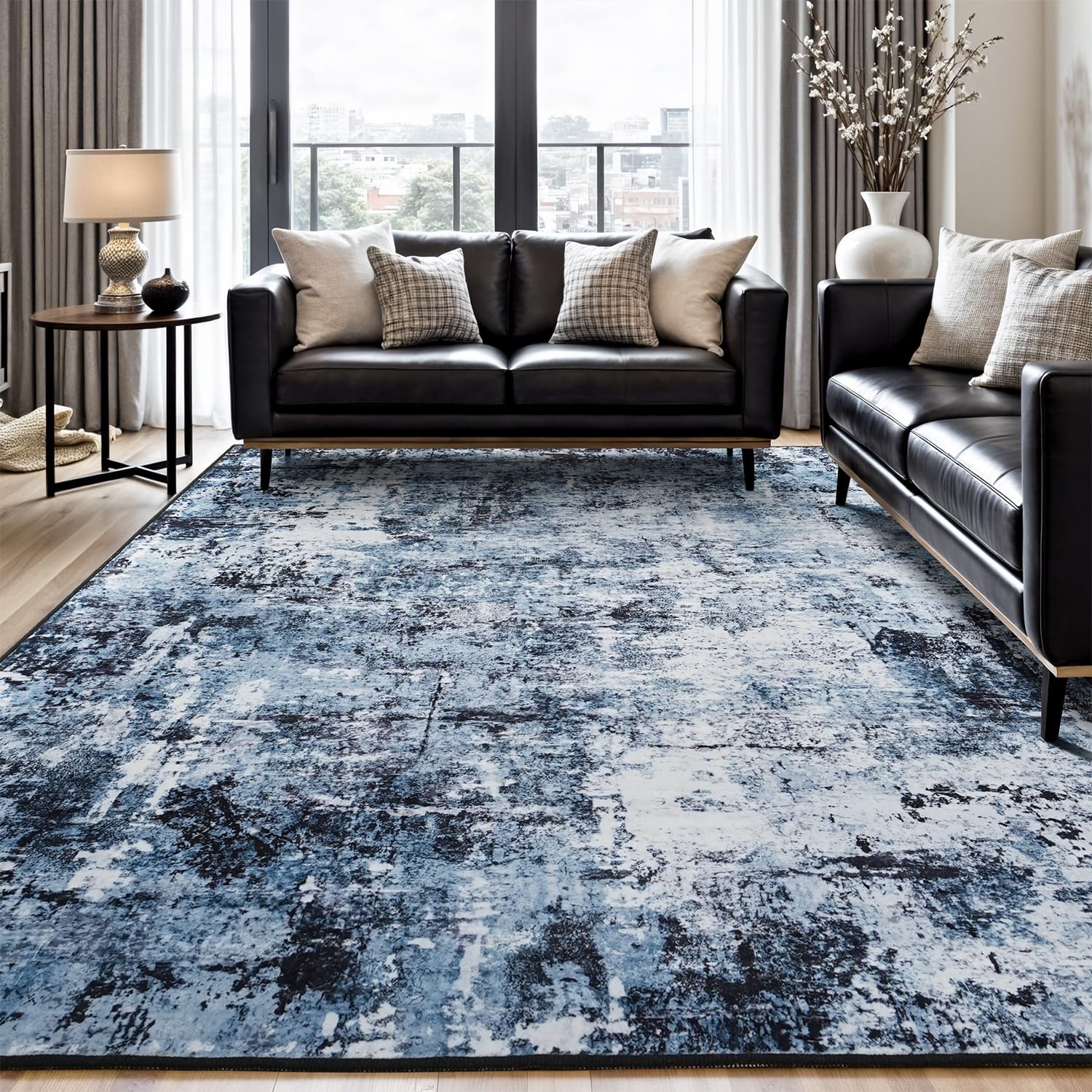
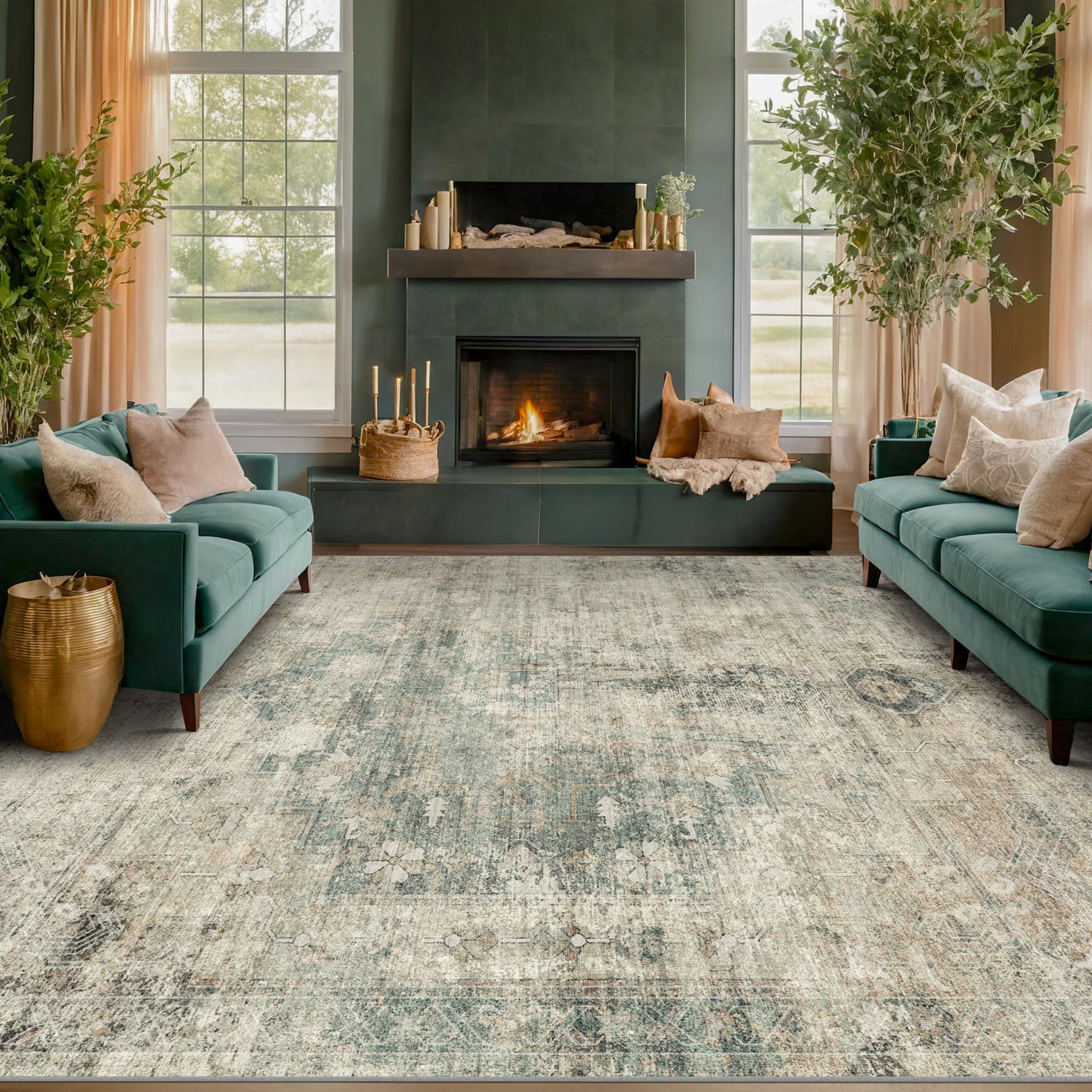
Types of Color Area Rugs Compared
Think of type first and exact shade second. A wool rug in a soft mid tone behaves differently from a synthetic rug in the same shade, because fiber changes how color looks in sunlight, how it fades, and how it cleans. The four types below cover nearly everything you will see for sale.
Wool Rugs
Wool holds dye in a deep, slightly varied way, so colors look rich rather than flat, and small tone changes across the surface hide wear gracefully. The fibers spring back under furniture and foot traffic, which keeps busy living rooms looking tidy for years. Wool suits buyers who want one rug to last a long time.
The trade offs are price and early care. Expect about $200 to $600 for a common living room size, plus light shedding during the first months. Wool also needs gentler cleaning than synthetic fibers. Choose wool when comfort, longevity, and nuanced color matter more than the lowest price.
Synthetic Rugs
Synthetic rugs, usually polyester or polypropylene, deliver the widest color choice at the lowest prices, often about $80 to $300 for standard sizes. Colors stay bright, stains lift more easily, and many newer styles are machine washable. Families with kids, pets, or rental timelines often start here for good reason.
The compromise is feel and lifespan. Synthetic pile can look slightly shiny in strong sun and may flatten in high traffic zones within a few years. Color can also appear more uniform, which shows dust sooner. Pick synthetic when easy care and bold color choice outrank heirloom durability.
Natural Fiber Rugs
Jute, sisal, seagrass, and cotton rugs bring texture forward and color into a supporting role. Their blended tan, sand, and soft brown tones pair easily with almost any hardwood stain, and the natural variation hides dust and crumbs well. They suit dining rooms, entryways, and relaxed living spaces.
These fibers are less soft under bare feet and can be stubborn after a spill, because liquids soak in quickly. Jute in particular dislikes excess water. Choose natural fiber when you want an easy neutral backdrop and texture, and place a softer rug or runner where you walk barefoot most.
Washable and Flatweave Rugs
Flatweave and washable rugs sit low, with little or no pile, so doors swing freely and chairs slide without catching. Their colors often come in vintage style patterns that disguise daily mess impressively well. Many can go into a large washing machine, which changes the care equation for busy homes.
The trade off is cushion. A flatweave feels firm, so pair it with a thicker felt pad in living rooms and bedrooms. Edges can curl until the rug settles, and very light colors still show stains between washes. Pick this type when cleaning ease and low profile matter most.
Wool vs Synthetic: Which Should You Choose?
Choose wool if the rug will anchor your main living space for years, you want color with depth, and you can vacuum gently and blot spills with care. Choose synthetic if the rug serves a playroom, a first apartment, or a pet heavy household, and you value stain resistance and a lower price over long lifespan.
On color alone, wool forgives more: its natural variation hides lint and fading. Synthetic wins on range, offering vivid shades wool rarely matches at low prices. On care, synthetic is simpler, while wool rewards patience. On cost per year, a well kept wool rug often wins despite the higher start.
If your floors are dark, our focused guide to the best color area rugs for dark hardwood floors goes deeper on contrast and dust hiding shades for that specific case.
How to Choose the Right Color Area Rug
Material and Color Behavior
Material decides how a color performs after the first month. Wool deepens muted tones and hides variation, synthetics keep brights vivid, and natural fibers limit you to earthy neutrals that blend with wood. Decide which behavior your room needs before you fall for a shade in a photo.
Also consider fading. Strong sun fades most rugs over time, but patterned and mid tone rugs show it least. If your room gets hours of direct light, rotate the rug regularly and treat a slightly varied, forgiving color palette as a feature, not a flaw.
Color Direction: Light, Mid Tone, or Dark
Light rugs brighten rooms and make small spaces feel larger, but they show soil sooner, especially near doors. Mid tone rugs are the balanced choice for most homes, giving contrast against both light and dark wood while hiding everyday dust. Dark rugs feel cozy and dramatic, yet they reveal light lint and pet hair quickly.
Match the direction to your floor. On light wood, a rug slightly deeper than the floor adds definition. On dark wood, a rug one or two steps lighter keeps the room open. When in doubt, order a small sample and live with it beside your floorboards for a few days.
Features That Matter for Hardwood Floors
Hardwood needs protection as much as decoration. The rug backing should never sit directly on the finish; always add a felt and rubber pad rated safe for hardwood to stop abrasion and sliding. Low or medium pile keeps grit from grinding into the pile where it is hard to vacuum out.
Cleaning access matters too. A rug you can vacuum thoroughly and spot clean quickly will protect the floor beneath, because trapped grit under a neglected rug can scratch the finish. Shake smaller rugs outdoors often, and check under large rugs a few times a year for trapped debris.
Durability and Care
Durability shows in fiber, density, and binding. Tightly woven or densely tufted rugs resist flattening, and well finished edges resist fraying where chairs and feet catch them. Read care labels before buying: some rugs need professional cleaning, while others tolerate home washing, and that difference shapes your real cost.
Warranty terms vary and often cover manufacturing defects rather than wear, so treat them as a quality signal, not a promise. A rug you can maintain with your own vacuum and supplies will almost always outlast a delicate rug that waits months for proper care.
Size and Fit
Size errors are the most common regret. In living rooms, fit at least the front legs of seating on the rug; in dining rooms, allow about 24 inches of rug beyond the table on all sides so chairs stay on the rug when pulled out. Bedrooms work best when the rug extends past both sides of the bed.
Leave a visible border of wood around the rug so the floor still reads as part of the design. Tape the outline on the floor before ordering, walk around it, and open every door that swings over the space. Five minutes of measuring prevents the most expensive returns.
Picking the Right Color Area Rugs for Different Uses
Best Color Area Rugs for Light Hardwood Floors: Which Type Works Best
With best color area rugs for light hardwood floors in mind, the goal shifts: light wood already brightens a room, so the rug should add depth without going heavy. Mid tone and softly saturated colors, such as muted terracotta, sage, slate blue, or warm greige, define the zone and hide dust that pale floors reveal less but rugs still collect.
Wool and synthetic types both work well here, because the contrast comes from color rather than construction. Avoid rugs almost identical to the floor tone, which can look washed out, and avoid pure white, which turns yellow gray beside warm pale wood. A patterned mid tone rug is the most reliable formula.
Tips to Get the Most From Your Color Area Rug
- Vacuum both sides a few times a year. Grit that reaches the backing can scratch hardwood, so flip smaller rugs and clean underneath.
- Rotate every six months. Rotation balances sunlight and traffic, keeping color even across the whole surface.
- Blot, never rub, spills. Press a clean cloth into the spot, lift, and repeat; rubbing spreads color and damages fibers.
- Keep the pad in place. A pad that bunches or creeps lets the rug slide and wear unevenly, so reposition it during deep cleans.
- Air the rug outdoors on dry days. Fresh air and indirect sun reduce odors without harsh chemicals.
For daily upkeep across mixed flooring, see our guide to the best vacuum for hardwood floors and area rugs. If you prefer automated cleaning, our roundup of the best roomba for hardwood floors and area rugs explains pile limits, and our guide to the best dyson for hardwood floors and area rugs covers stick vacuum options for quick passes. For general construction and style background, browse the best area rugs for hardwood floors as well.
Frequently Asked Questions
What features matter most in color area rugs for hardwood floors?
A hardwood safe pad, the right size, and a forgiving color matter most. Add low to medium pile for easy vacuuming and a fiber that matches your cleaning habits. Pattern and heathered blends hide daily dust far better than flat solid colors. Judge samples in your own light, because store lighting shifts every shade.
How do I wash color area rugs safely?
Follow the fiber label first. Vacuum loose grit away, then spot clean with a small amount of mild cleaner and plenty of blotting. Washable rugs can use a gentle cold cycle in a machine large enough to avoid tight folding. Dry flat and fully before returning the rug to the floor, because trapped moisture can harm hardwood.
What rug colors make a small room feel larger?
Lighter and mid tone rugs make small rooms feel larger, especially when the color stays close to the wall color family. A large rug with a border of wood showing also stretches the visual space better than a small rug island. Avoid very dark, heavy patterns in tight rooms; they pull the eye down and shrink the footprint.
Are washable color area rugs worth it?
They are worth it in homes with pets, kids, or dining spills, because a rug you can actually wash stays cleaner and smells fresher. The trade off is a thinner, firmer feel, which a good felt pad can offset. For a formal living room that sees gentle use, a traditional wool rug may still be the better long term value.
How often should I replace my color area rug?
Replace it when pile stays flat after cleaning, edges fray, colors fade unevenly, or odors persist. Quality wool can last a decade or more, natural fiber often serves about 5 to 8 years, and budget synthetic rugs in busy rooms may tire in about 3 to 5 years. Backing that cracks or sheds dust is a clear end point.
Is a higher pile always more comfortable?
No, comfort depends on the pad and fiber as much as pile height. A medium pile wool rug over a thick felt pad often feels better than a tall synthetic pile over bare floor. High pile also traps more grit and makes vacuuming harder on hardwood homes. Choose the lowest pile that still feels good under your feet.
Wrapping Up
Pick the type that fits your cleaning life, choose a color with clear but kind contrast against your wood, and size the rug to anchor real furniture. The best color area rugs for hardwood floors do all three at once, which is why they still look right years later. Compare your finalists in the product table above, check them against your light and floor tone, and order with confidence.


