Best Color Area Rugs for Dark Hardwood Floors: Buying Guide for 2026
Disclosure: We may earn a commission when you buy through links on this page, at no extra cost to you. As an Amazon Associate I earn from qualifying purchases. Learn more

Learn how to choose best color area rugs for dark hardwood floors, with guidance on contrast, pattern scale, materials, pile, sizing, pads, and everyday care.
Dark hardwood floors look rich, but they also show dust, pet hair, and lint far more than lighter wood does. The wrong rug color can make a room feel heavy or can highlight every speck between cleanings. This guide to the best color area rugs for dark hardwood floors shows you which colors, patterns, and materials balance beauty with practical daily life.
Use the comparison table below to compare sizes, materials, and color families side by side. Then use the sections that follow to match a rug to your light, your furniture, and how much upkeep you honestly want.



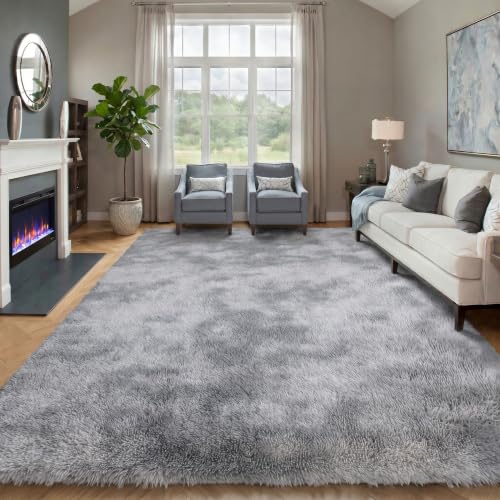
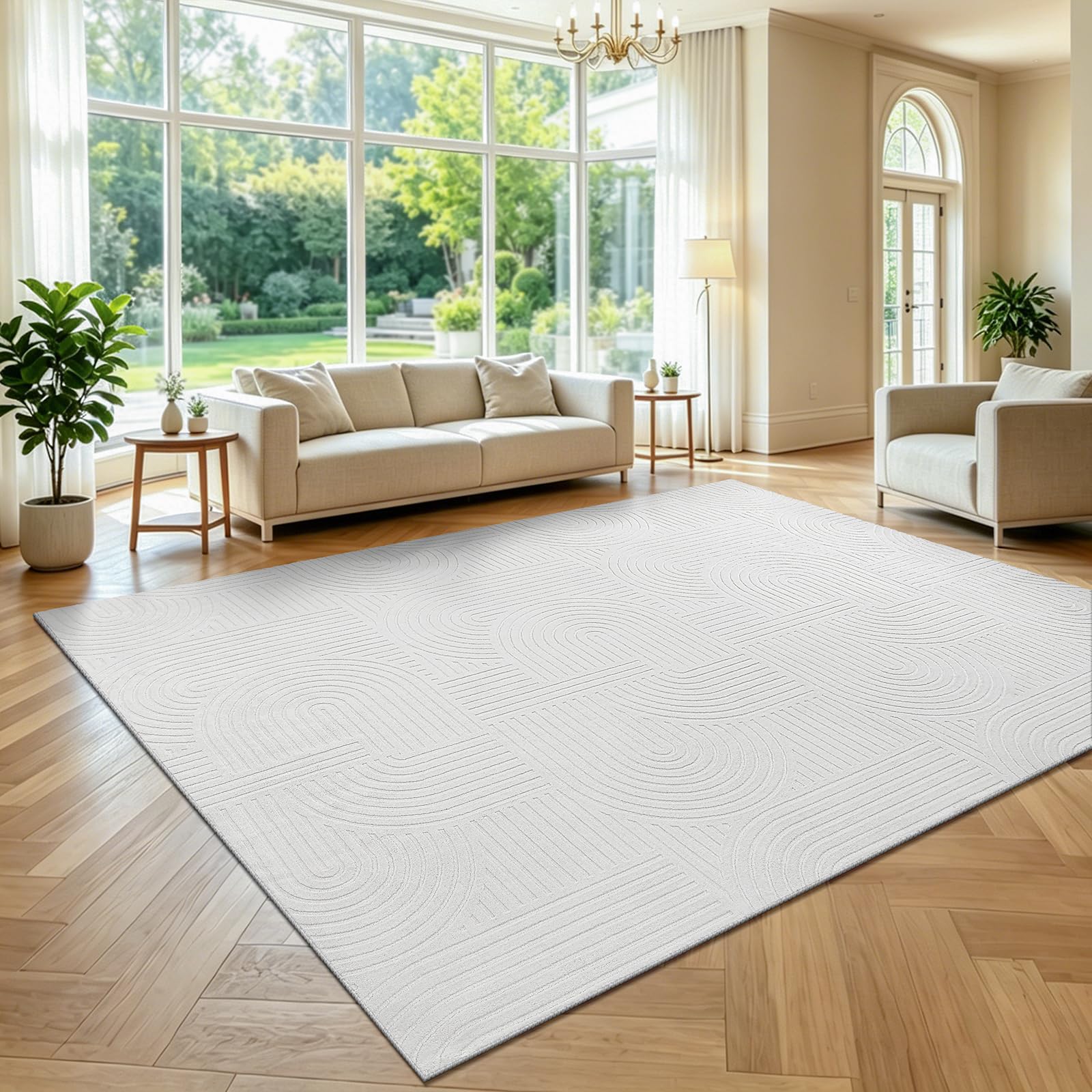

How to Choose: A Buying Guide for Dark Floors
Features That Matter for Dark Hardwood Floors
Contrast is the first feature to judge. A rug that is much lighter than the floor brightens the room and defines the seating area clearly, while a rug close in tone to the floor creates a calm, layered look but can feel flat. Aim for a clear step in value between floor and rug, in either direction.
Also judge how the color behaves under your light. Warm dark floors with red or orange tones pair well with rugs that carry some warmth, while cool dark floors suit gray, blue, and green families. Bring home a sample or order the smallest size first, and view it in daylight and evening light before you commit.
Color Families That Work Hardest
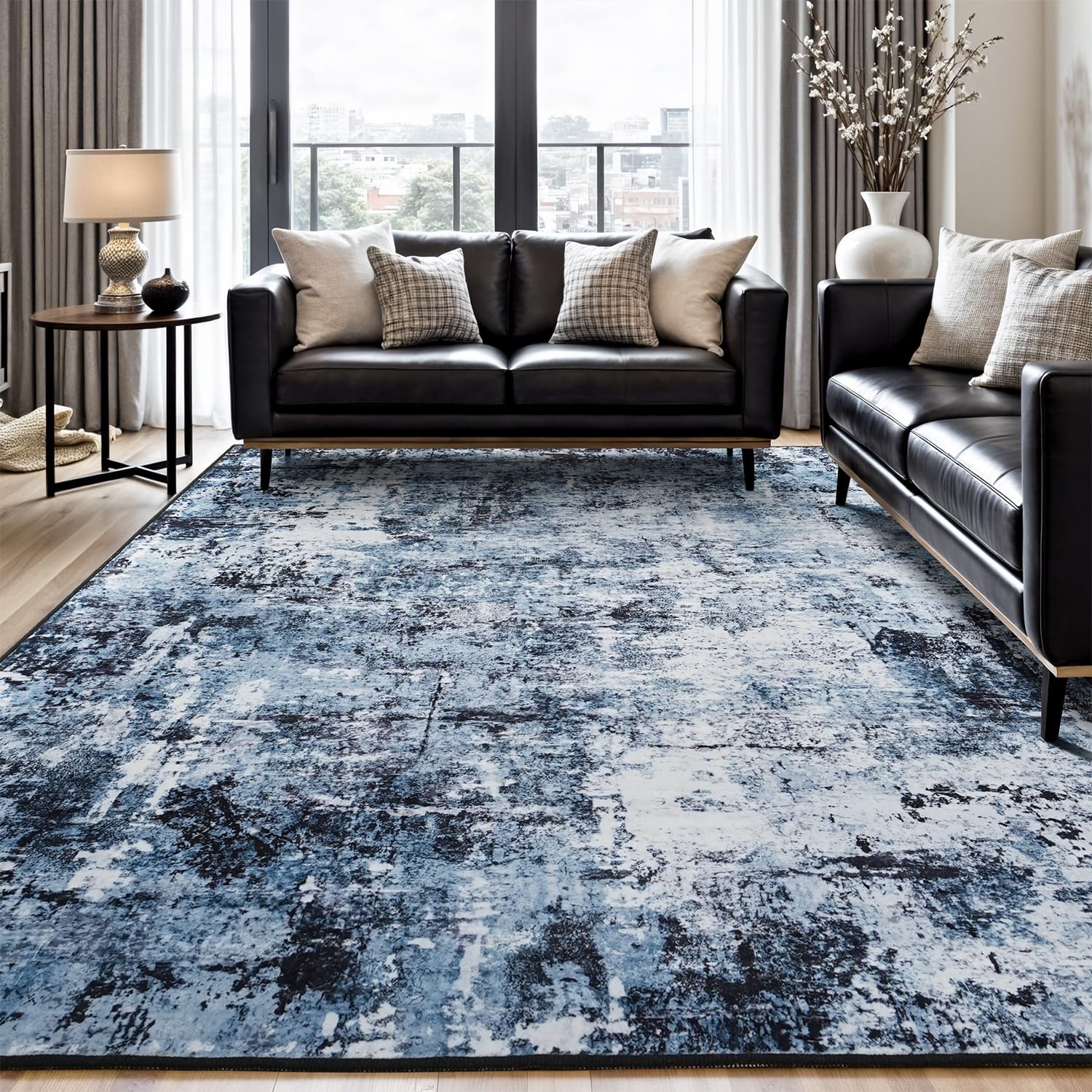
Mid tone colors are the quiet heroes on dark floors. Soft sage, muted blue, warm taupe, and dusty clay hide dust better than pure white or near black, and they still give clear contrast against dark wood. These shades also forgive the mix of lint and pet hair that dark floors reveal so quickly.
Bold colors can work beautifully when the rest of the room is simple. A deep rust or rich teal rug on dark walnut looks intentional and warm, as long as cushions or art echo the color somewhere else. Keep walls and large furniture calmer so the rug reads as the accent, not as a clash.
Material and Pile
Wool offers natural resilience, a soft feel, and colors that look deep and slightly varied, which hides wear well. It costs more, often about $200 to $600 for a living room size, and it sheds lightly at first. Synthetic fibers such as polyester and polypropylene cost less, resist stains, and hold bright color, though they can look flatter in strong light.
Pile height changes both comfort and cleaning. Low pile, under about half an inch, vacuums easily and lets doors swing freely. Plush pile feels luxurious underfoot but traps more debris and shows footprints. For dining areas and hallways on dark floors, low pile in a mid tone is the most forgiving mix.
Pattern, Texture, and Hiding Power
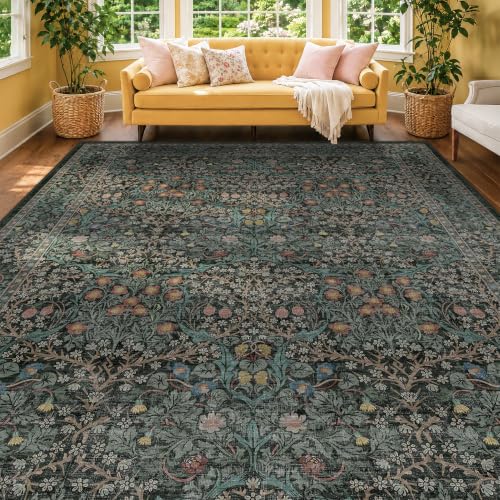
Pattern is your best defense against visible dust. A gentle all over motif, a faded vintage style pattern, or a heathered blend of two or three close tones will disguise crumbs and hair between cleanings. Solid light rugs look crisp in photos but demand the most upkeep on dark floors.
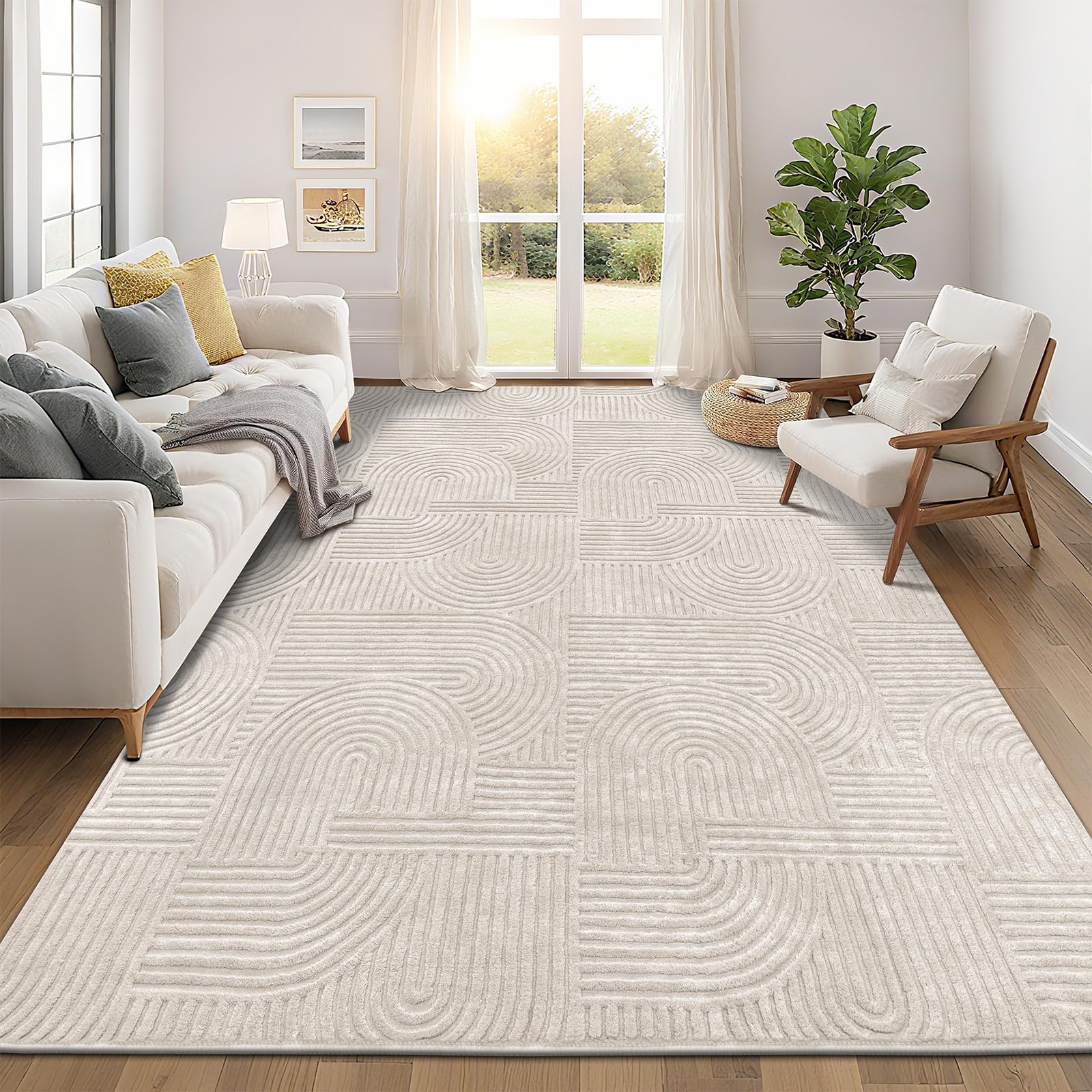
Texture adds interest when you prefer a quieter palette. A looped wool rug in oatmeal, a carved pattern in soft gray, or a subtle stripe gives the eye something to hold without adding bold color. Texture also helps a light rug feel grounded instead of stark against dark boards.
Backing, Pads, and Floor Protection
Always use a rug pad on hardwood. A felt and rubber pad stops sliding, adds cushion, and protects the floor finish from the abrasive backing many rugs have. Avoid cheap rubber pads that can react with some floor finishes; choose a pad stated as safe for hardwood and trim it about an inch smaller than the rug on each side.
The pad also extends rug life by reducing friction as people walk. If your rug will sit under a dining table, pick a thinner pad so chairs slide without catching the rug edge. For a living room where comfort matters, a thicker felt pad feels noticeably softer.
Size and Fit
In a living room, choose a rug large enough for at least the front legs of sofas and chairs to rest on it; for most rooms that means about 8 by 10 feet or larger. A rug that floats in the middle with no furniture anchoring it looks lost against a dark floor and makes the room feel smaller.
Leave a border of floor showing, roughly 8 to 18 inches, so the dark wood frames the rug. In bedrooms, extend the rug beyond the sides and foot of the bed so your feet land on it in the morning. Measure with tape on the floor before ordering, and mark corners with painter tape to live with the outline for a day.
Types of Color Area Rugs
Wool Rugs
Wool rugs bring depth of color and a natural ability to bounce back from foot traffic. They suit living rooms and bedrooms where comfort and longevity matter most. The trade offs are higher price and early shedding, which settles after regular vacuuming. Choose wool when you plan to keep the rug for many years.
Synthetic Rugs
Synthetic rugs lead on stain resistance and price, often about $80 to $300 for common sizes. Colors stay bright, and many styles are washable, which suits homes with kids and pets. The compromise is a slightly less rich look and a shorter lifespan under heavy use. They are a smart first rug while you learn your room.
Natural Fiber and Flatweave Rugs
Jute, sisal, and cotton flatweaves add texture and a relaxed feel, and their blended natural tones hide dust well on dark floors. They are less soft than wool and can be harder to clean after spills. Use them in dining rooms and sunrooms where texture matters more than plush comfort, and add a quality pad beneath.
If you are still comparing the wider category, our guide to the best area rugs for hardwood floors covers construction and care basics that apply to every color family.
Tips to Get the Most From Your Color Area Rug
- Vacuum weekly with suction only settings when possible. A rotating brush can be rough on wool loops; use it gently or switch it off for delicate piles.
- Rotate the rug twice a year. Even turning spreads foot traffic and sunlight so color fades evenly across the surface.
- Blot spills at once. Press with a clean cloth, work from the edge inward, and avoid rubbing, which pushes the spill deeper and spreads the stain.
- Check color under your own light. Keep tags on until you have seen the rug in morning, noon, and evening light in your room.
- Use a proper pad from day one. It prevents sliding, protects the floor finish, and keeps edges from curling.
- Lift furniture with protectors. Felt pads under chair and table legs stop dents and snags in the pile.
For upkeep tools that treat both surfaces gently, see our guide to the best vacuum for hardwood floors and area rugs, which explains suction and brush choices for mixed flooring.
Color choice also connects with neighboring rooms. If your hallway uses lighter wood, our companion guide to the best color area rugs for hardwood floors helps you keep the palette coherent across both spaces, and the focused advice on the best area rugs for dark hardwood floors adds sizing and style notes for dark boards specifically.
Finally, if your floors read more brown than black, the ideas in our guide to the best color rugs for dark wood floors show how warm and cool rug tones shift against different wood stains.
FAQs
What features matter most in color area rugs for dark hardwood floors?
Contrast, pattern, and pile matter most. Pick a rug clearly lighter or richer than the floor, choose a pattern or heathered blend that hides dust, and keep pile low in busy rooms. A hardwood safe pad is essential, because it protects the finish and stops sliding. Color samples viewed in your own light prevent the most common buying mistake.
What rug colors hide dust and pet hair best on dark floors?
Mid tone heathered colors hide debris best. Shades that mix two or three close tones, such as warm greige, muted blue gray, or soft sage, disguise both light dust and dark pet hair at once. Pure white shows every dark speck, and near black shows every light fiber, so both extremes need far more frequent cleaning.
How do I wash color area rugs safely?
Start with the care label, because wool, synthetic, and natural fiber rugs need different methods. Vacuum first, then spot clean with a mild solution and blot rather than soak. Washable synthetic rugs can go in a large machine on a gentle cycle with cold water. Let any rug dry fully, flat and away from direct heat, before replacing the pad.
Should a rug be lighter or darker than dark hardwood floors?
Lighter is the safer and more popular choice, because it lifts the room and defines the seating zone. A darker rug can look elegant in a large, bright room, but it needs texture or pattern to avoid a flat, heavy feel. If you go darker, add light cushions, throws, or art so the space keeps balance and depth.
How often should I replace my color area rug?
Replace it when the pile no longer recovers, colors fade unevenly, or the backing cracks and sheds. A quality wool rug can serve 10 years or more with rotation and prompt cleaning, while a budget synthetic rug in a busy room may tire in about 3 to 5 years. Persistent odors after cleaning are another clear sign.
Our Verdict
Start with contrast, then let pattern and mid tone color do the daily hiding work, and finish with the right size and a hardwood safe pad. The best color area rugs for dark hardwood floors balance all of that, so the room looks brighter and stays easier to keep clean. Look back at the product table above, compare your shortlist against your light and furniture, and choose the rug you will still enjoy on an ordinary dusty Tuesday.