Best Area Rugs for Dark Hardwood Floors: Matching the Right Model to Your Routine for 2026
Disclosure: We may earn a commission when you buy through links on this page, at no extra cost to you. As an Amazon Associate I earn from qualifying purchases. Learn more

Choose the best area rugs for dark hardwood floors by room and routine, with guidance on color contrast, safe pads, pile height, and easy care.
Dark hardwood makes a room feel rich and grounded, but it also shows every crumb, dust outline, and pale pet hair, and the wrong rug can either vanish into the floor or fight it. The best area rugs for dark hardwood floors depend on how you actually use the room: a quiet bedroom, a busy entry, and a dining space each ask for something different.
There is no single winner for every home. This guide sorts buyers by routine first, then covers the features that protect dark finishes and keep the floor looking deep and even. Start with the comparison table below to note sizes and color families, then match them to your daily habits.
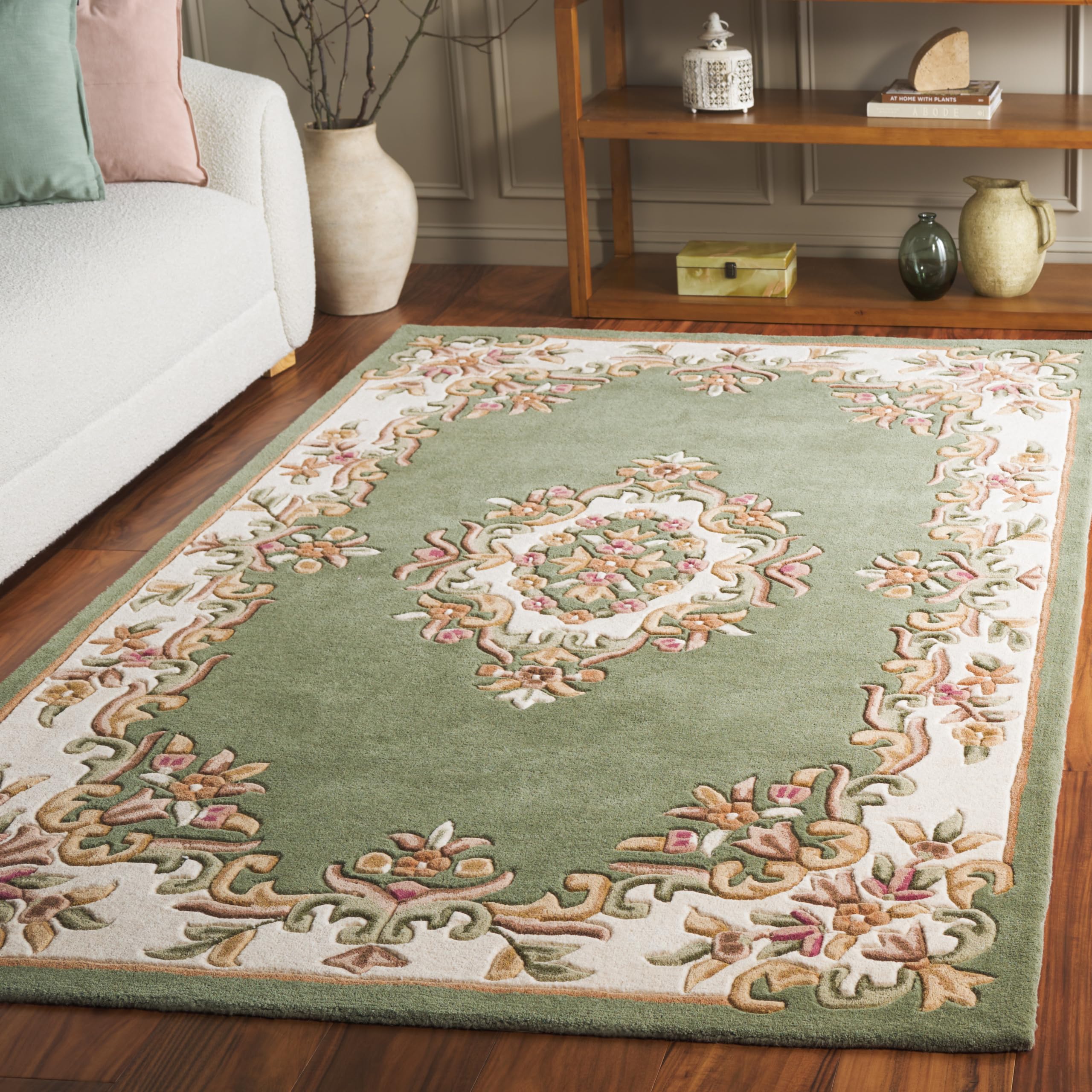

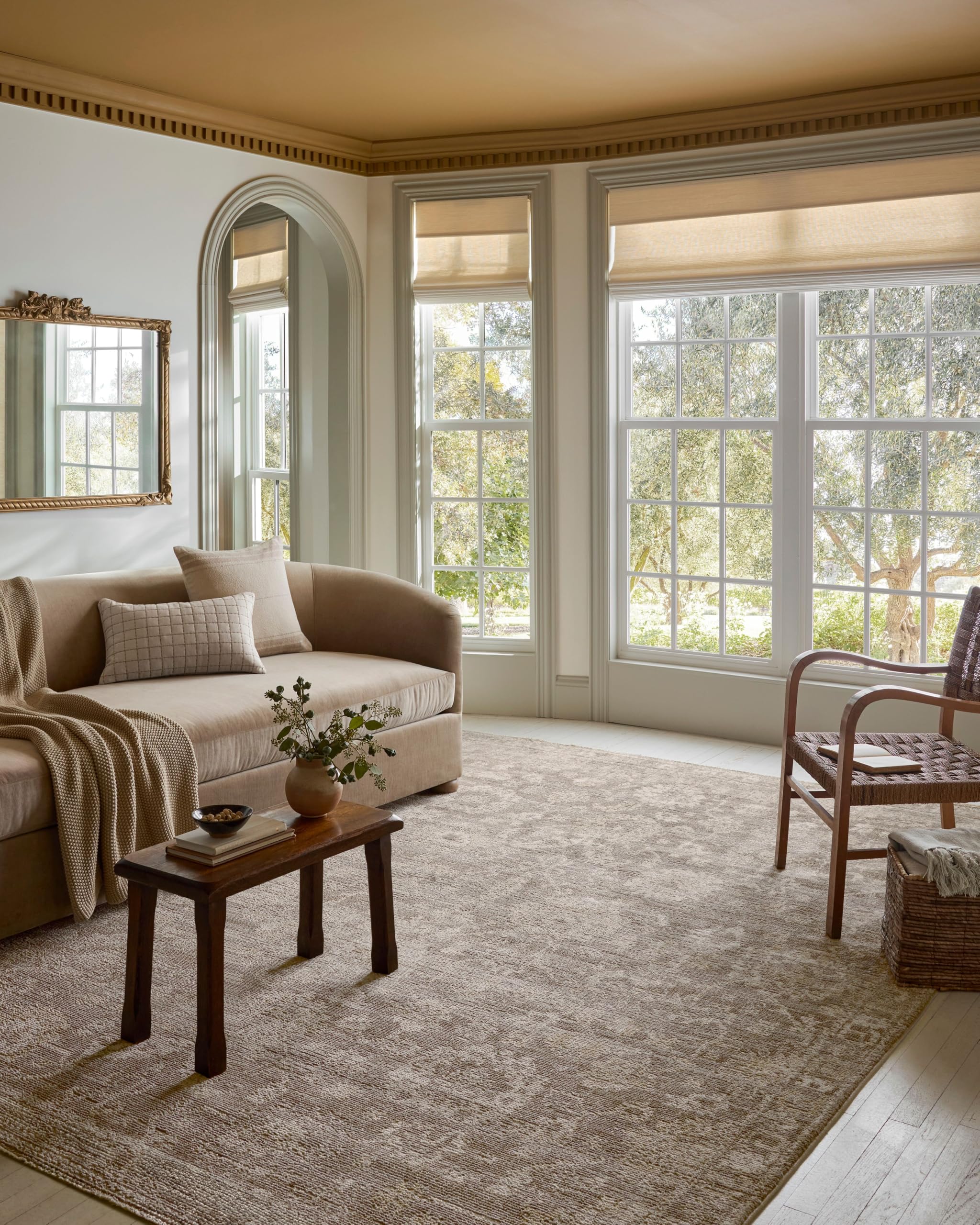


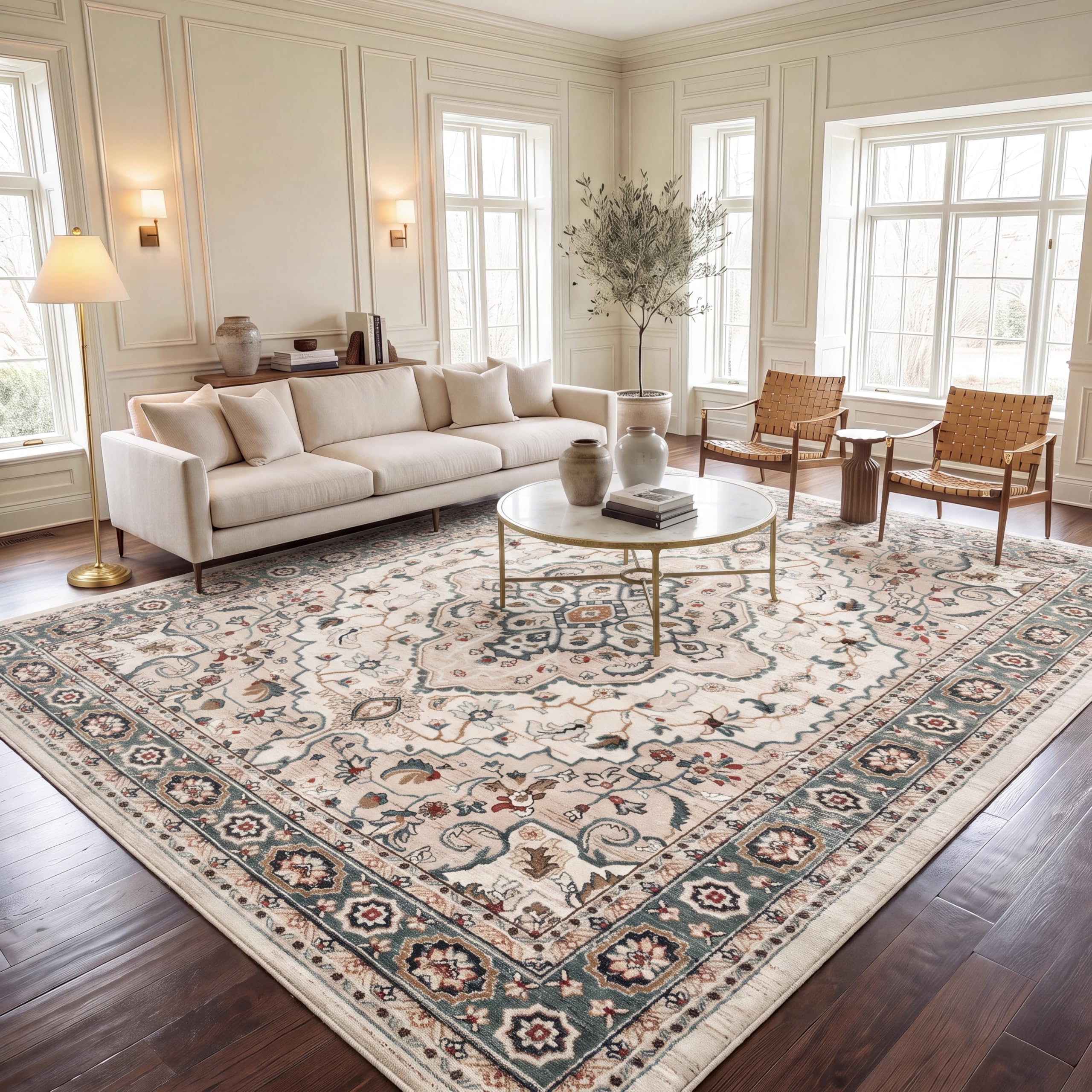
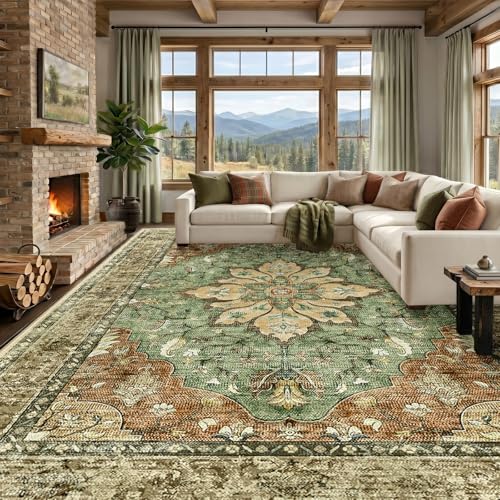
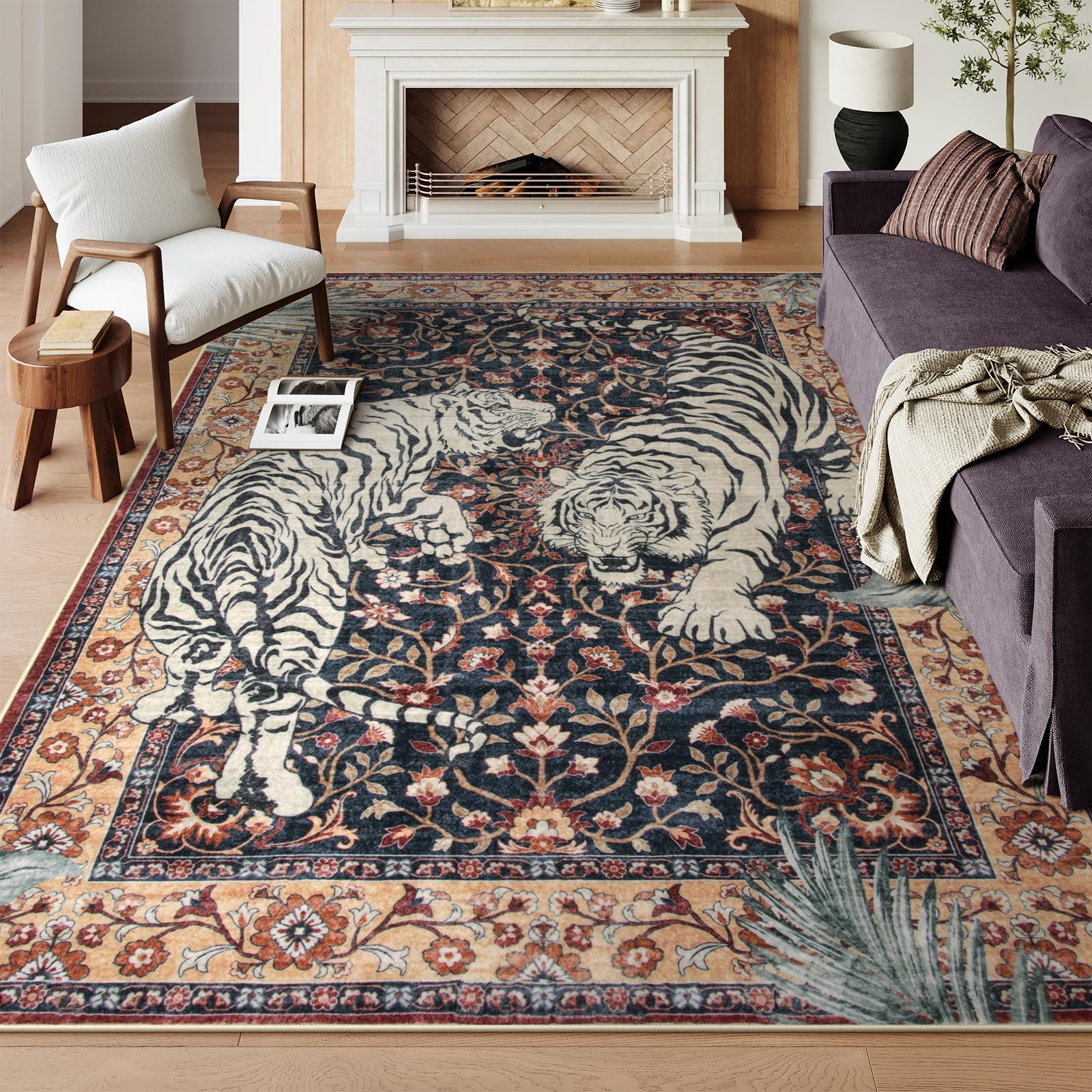
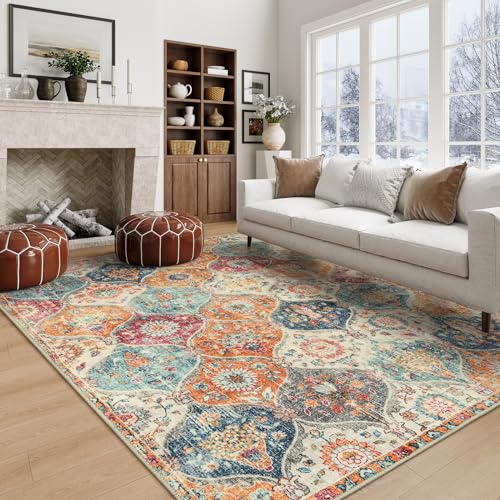
Who Should Buy Which Area Rugs?
For People Who Want the Best Performance
If the rug will anchor your main living room for years, performance means a dense pile that resists crushing under sofa legs, a pad that grips without staining the finish, and colors woven in rather than printed on. Wool and quality nylon earn their higher price here because they bounce back after furniture moves and clean without fading into the dark floor. You also gain pattern depth, so the rug reads as a deliberate design layer instead of a dark rectangle that disappears at night.
For First Time Buyers
Start simple: a mid tone patterned rug in a standard size, a low pile synthetic that forgives spills, and a felt pad made for hardwood. This combination is easy to place, easy to vacuum, and easy to return if the color looks different in your light. Skip delicate natural fiber rugs and very pale solids for your first purchase, because both demand careful upkeep while you are still learning how your floor shows dust and scratches. Measure twice, tape the outline on the floor, and live with the tape for a day before ordering.
For Value Seekers
Value on dark hardwood means spending on the pad and the pile, not on a designer label. A machine made polypropylene rug in a heathered pattern hides lint between cleanings, resists moisture from entryway traffic, and costs far less than wool while lasting for years in most rooms. Put the savings toward a quality pad, since a cheap rubber backing can discolor dark finishes over time. In spare rooms and rentals, this tier is usually the smartest money. Our broader guide to the best area rugs for hardwood floors covers pad safety in more depth.
For Gift Shoppers
A rug is a bold gift, so choose a modest size, a forgiving pattern, and a seller with a painless return window. Runners for a hall or a small rug for a reading corner are safer than a room sized piece, because they fit more layouts and cost less to ship back. Neutral warm tones suit most dark floors without clashing with existing furniture. Include the receipt and a note that a swap is welcome, and avoid non returnable vintage pieces unless you know the recipient collects them.
Key Features to Compare
Durability and Care
Dark floors reveal a pale film of dust within days, so a rug that vacuums clean in a few passes matters more than an intricate texture that traps grit. Choose fibers you can spot clean with mild soap, and check whether the rug is washable if it will sit near doors or dining chairs. Vacuum weekly with suction or a gentle brush setting, and lift the rug every few months to sweep the fine grit beneath it, because trapped grit acts like sandpaper on a dark finish when the rug shifts.
Material and Pile
Wool offers natural resilience and a matte finish that pairs beautifully with dark wood, though it sheds early on and costs more. Polypropylene and polyester bring stain resistance and lower prices, and heathered blends hide hair and lint best. Cotton flatweaves feel casual and light but need a pad to stay put. Whatever the fiber, low to medium pile is the practical range: it clears door swings, lets chairs move, and keeps dust visible on the surface where you can remove it instead of buried deep.
Features That Matter for Dark Hardwood Floors
Three details matter specifically on dark wood. First, contrast: a rug several shades lighter than the floor, or one with a strong pattern, defines the seating zone, while a near matching dark rug makes the room feel smaller. Second, color behavior: dark floors spotlight pale lint and pet hair, so mid tones and mixed patterns forgive more. Third, finish safety: use a pad labeled safe for hardwood and avoid latex backings of unknown origin, which can react with some finishes. For color planning help, see our guide to the best color area rugs for dark hardwood floors.
Certifications and Safer Materials
Labels such as OEKO TEX tell you a textile was screened for harmful substances, a reasonable plus for a product that covers much of your living space. CertiPUR US applies to foam pads, so look for it if you choose a cushioned pad rather than felt. New rugs can carry a factory odor; air yours in a ventilated room for a day before placing it, and confirm the smell fades. Treat certifications as a supporting detail, and let fiber, pad safety, and care requirements make the final decision.
Pile Height and Underfoot Comfort
With rugs, pile height and pad thickness set the feel. Low pile over a felt pad gives a firm, stable surface that suits dining chairs and desks. A medium pile with a cushioned pad feels warmer in bedrooms and reading corners where you walk barefoot. Very thick piles look plush but show footprints, complicate vacuuming, and can hold dust against a dark floor edge where the contrast makes it obvious. Match the loft to the room job, not to a showroom squeeze test.
Common Mistakes to Avoid When Buying Area Rugs
- Choosing a rug the same shade as the floor, so the seating area loses definition and the room feels flat.
- Skipping the pad or buying a cheap rubber backing that can stick to or discolor a dark finish.
- Buying too small, leaving the rug floating in the middle of the room instead of anchoring furniture legs.
- Picking a pale solid color that shows every hair and dust speck on a dark background within a day.
- Ignoring door clearance and chair movement, then fighting a thick rug that catches on both.
How to Make Your Area Rug Last Longer
Rotate the rug 180 degrees every few months so sunlight and traffic wear it evenly, especially where a window fades one side faster. Vacuum the top weekly and the underside and floor beneath every season, since fine grit under a rug is the quiet enemy of dark finishes. Blot spills at once rather than rubbing, and test any cleaner on a corner hidden under furniture. If you rely on a robot vacuum, check our guide to the best roomba for hardwood floors and area rugs for models that handle rug edges gently, and for everyday suction advice see the best vacuum for hardwood floors and area rugs guide.
Frequently Asked Questions
What features matter most in area rugs for dark hardwood floors?
Color contrast, a finish safe pad, and easy vacuuming matter most. Pick a rug clearly lighter or more patterned than the floor so the space reads as layered, and pair it with a felt or natural rubber pad made for hardwood. Low to medium pile keeps dust on the surface, chairs moving freely, and door clearance safe, which together decide how the rug performs every single day.
Will a rug scratch or discolor dark hardwood?
It can if the pad or backing is wrong. Rough backings and trapped grit scratch the finish, and some rubber backings can mark it. Use a pad labeled safe for hardwood, sweep under the rug often and lift the rug a few times a year to check the floor.
Should the rug be lighter or darker than the floor?
Usually lighter or more patterned. A rug a few shades lighter defines the seating area against dark wood, while a near-matching dark rug makes the room feel smaller. Mid tones and mixed patterns also hide pale lint and pet hair better than light solids.
How often should I replace my area rug?
Replace it when the pile stays flat after cleaning, edges curl despite a pad, or the backing begins to flake onto the floor. Quality wool rugs can last a decade or longer, while busy entry synthetics may tire in three to five years. Check the floor beneath at each deep clean: if the finish looks dull only where the rug sits, the pad or grit is the problem, not the calendar.
How big should a rug be in a living room with dark floors?
Large enough that at least the front legs of the sofa and chairs sit on it, which for many living rooms means an 8 by 10 foot rug. Leave a border of dark floor visible around the rug so the contrast frames the seating area.
How do I wash area rugs safely?
Follow the care label first. Vacuum both sides, then wash only rugs labeled machine washable, using cold water and air drying flat to protect the backing. For other rugs, blot spills, clean with a mild solution tested in a hidden spot, and rinse by blotting with plain water so soap residue does not attract dirt. Let the rug dry completely before returning it, since moisture trapped against hardwood can damage the finish.
Final Thoughts
Start with contrast and pad safety, then match pile and fiber to your routine, and the best area rugs for dark hardwood floors for your home will be easy to spot. First time buyers can stay simple, value seekers can trust heathered synthetics, and long term owners can invest in wool with confidence. Compare your shortlist in the product table above, tape the size on your floor, and order from a seller whose return terms let you judge the color in your own light.