
Best Bargain Treadmills: Budget, Midrange, and Premium Tiers for 2026
Disclosure: We may earn a commission when you buy through links on this page, at no extra cost to you. As an Amazon Associate I earn from qualifying purchases. Learn more

Best bargain treadmills explained by price tier, with belt size, motor, folding and ownership cost advice for walkers and joggers.
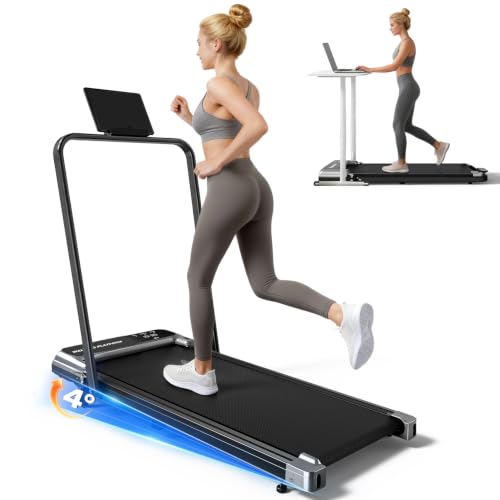
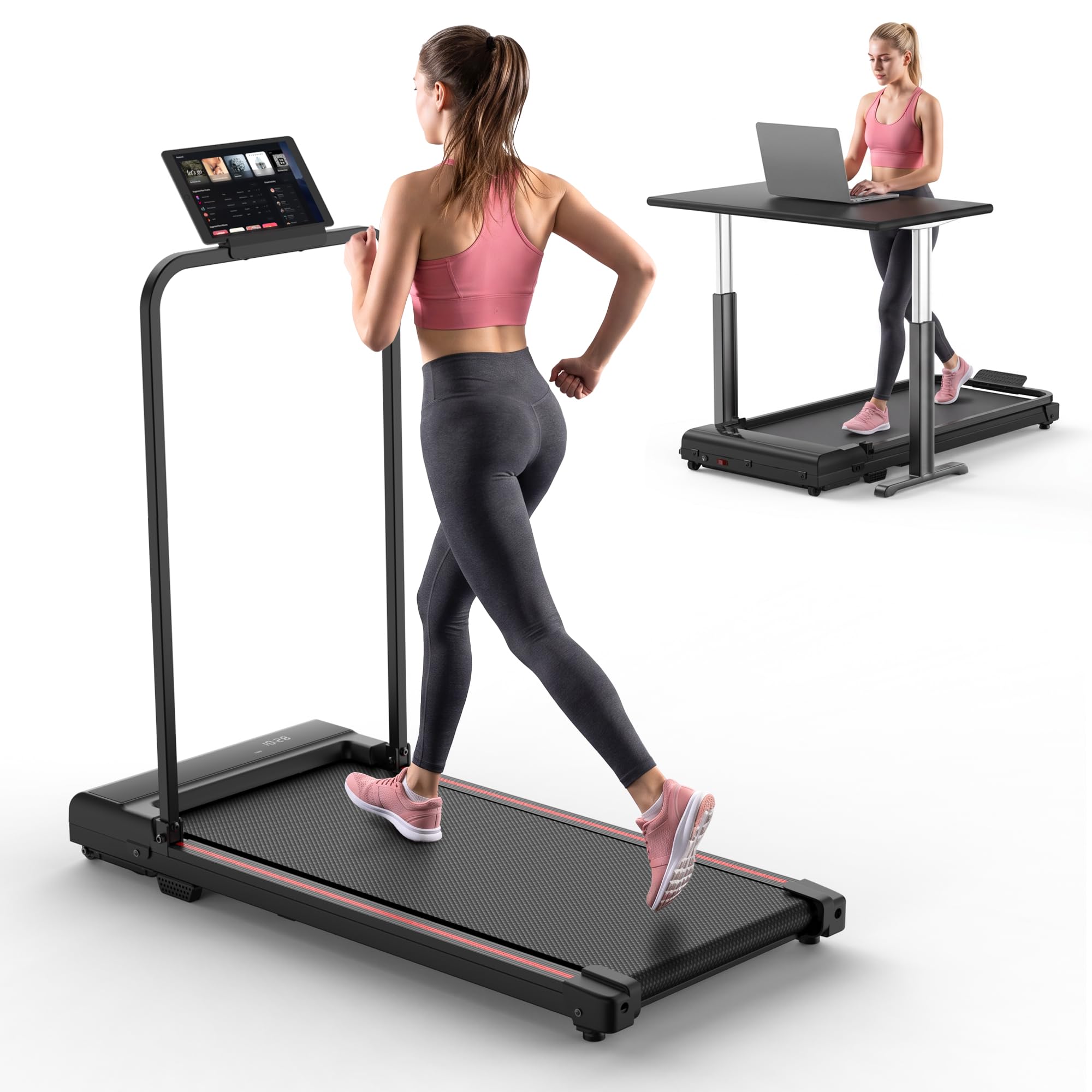
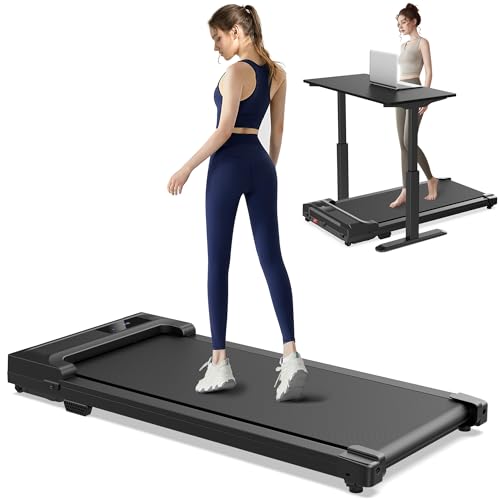
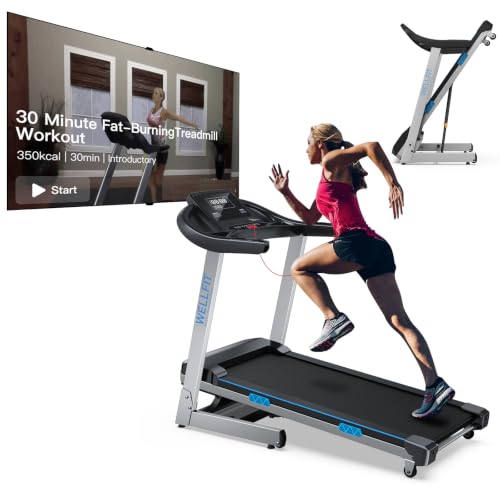
Treadmill prices stretch from under a hundred dollars for simple walking pads to several thousand for heavy duty runners, and the gap is not just about screens or brand names. The honest way to shop the best bargain treadmills is to start with price tiers and ask what each tier really buys in belt size, motor strength, and build. The product table lists picks you can compare while you read the tier guidance below.
A bargain only counts if the machine fits your body, your stride, and your room for years of regular use. A cheap treadmill that feels cramped or strains under your weight is money lost, while a modest machine matched to walking can serve well. This guide walks through each tier, the features worth paying for, the costs that arrive later, and the safety basics every owner should know.


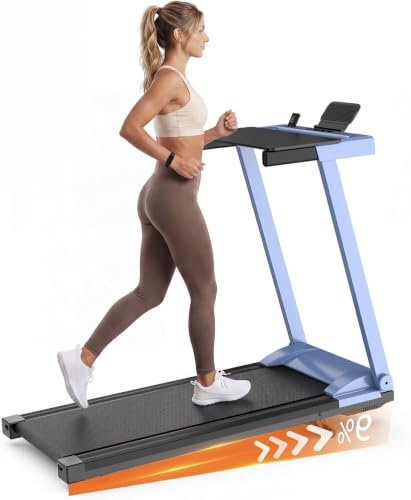
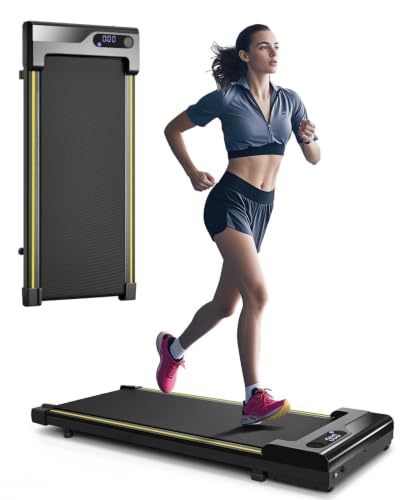

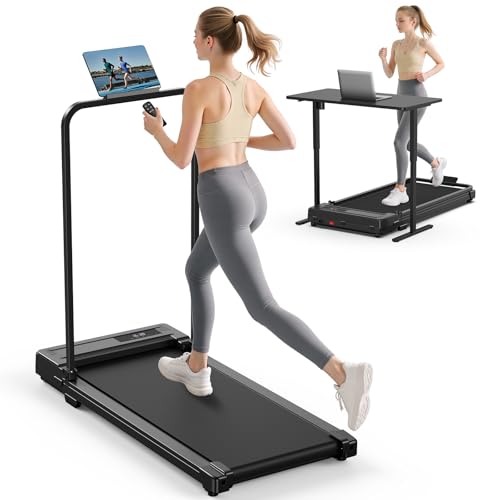
Best Bargain Treadmills: What Each Price Tier Buys
Price tiers in this market follow a rough pattern, even though sale prices move around during the year. As you climb, the money mostly buys a longer and wider belt, a stronger motor, a sturdier frame, and a longer warranty. Screens and app features grow too, but those matter less than the parts your feet and weight stress every session.
Budget Tier: What to Expect
Budget treadmills at about $300 to $600 are, plainly, walking class machines. Expect a short and narrow belt, often around 16 to 18 inches wide and about 45 to 50 inches long, plus a small motor that suits steady walking rather than running. At this level you buy basic transportation for your steps, and that can be a fair deal for a lighter walker with a short stride.
The trade offs are real and worth naming before you order. Weight capacity figures at this tier often sit around 220 to 250 pounds, the deck cushioning is simple, and incline, if present, may need manual adjustment. Folding designs are common here and help with storage, but the frame will flex more and the parts warranty is usually short, often a year or less.
Midrange Tier: Where Most Buyers Land
Midrange treadmills at about $600 to $1,200 add the upgrades most households actually feel. Belts grow to around 20 inches wide and 55 to 60 inches long, which gives joggers room to drift a little without catching a side rail. Motors get stronger, frames feel steadier at speed, and power incline becomes a normal feature rather than a rare extra.
This tier also brings better consoles, more built in programs, and Bluetooth links to training apps. Weight capacity figures commonly reach about 275 to 325 pounds, and warranties stretch to several years on parts. For a mixed household where one person walks and another jogs, this is usually the sensible ceiling.
Premium Tier: When Spending More Pays Off
Premium treadmills at about $1,200 to $2,500 buy durability and comfort rather than a different kind of exercise. You get a large belt, a strong motor built for daily running, a heavy steel frame, and a deck that stays quiet and stable at higher speeds. Taller and heavier runners, and homes where the machine will log miles every day, feel this difference the most.
Beyond the running gear, this tier adds longer warranties, better cushioning, and larger screens. What it does not add is a new health result, because the exercise is the same walking or running motion. Pay this much for build quality and fit, not for promises.
Who Should Buy Which Tier
Your pace, stride, and body size decide the tier more honestly than any feature list. Match the machine to the fastest and heaviest regular user in the home, not to the average session. The groups below cover the patterns that come up most often in this price range.
Walkers Who Want Steady Daily Steps
If your plan is walking at a comfortable pace while you watch a show or take calls, a budget or lower midrange machine can be enough. Look for a belt at least 18 inches wide, a capacity figure comfortably above your weight, and a console you can read and adjust without stopping. A simple folding frame suits walkers who tuck the machine into a corner between sessions.
Be honest about incline, because walkers who grow fitter often add hills within a few months. A model with power incline saves you from outgrowing the machine in the first year. Skip paying extra for a huge screen, since a tablet on the console shelf covers entertainment for far less.
Joggers and Runners on a Budget
Jogging changes the math, because each stride lands harder and needs more belt behind and beside your feet. If running is the goal, start your search in the midrange tier and treat the budget tier as walking only, whatever the speed dial claims. Our guide to the best treadmills for jogging explains the belt and motor needs for faster paces in more detail.
Motor strength matters here, but read it with care, as the next section explains. A longer deck matters more than a small speed increase, since a top speed around 10 to 12 miles per hour covers nearly every home runner. Runners who train most days should also weigh the parts warranty heavily.
Households Sharing One Machine
Shared machines live a harder life, so buy for the tallest stride and the highest weight among regular users. A midrange model with a capacity figure that clears the heaviest user by a clear margin will feel steadier and last longer than a budget model at its limit. Quick speed and incline controls matter too, because several people changing settings each day will wear out a fiddly console.
Programs and user profiles sound minor until several people reset each others settings every morning. A console that stores a few profiles, or an app that keeps each persons history on their own phone, removes that friction.
Features Worth Paying For and Ones to Skip
Feature lists are long at every price, but only a handful of items change how the machine feels and how long it lasts. Spend first on the running surface and the frame, then on controls you will touch daily. Treat entertainment extras as the last place your money should go.
Belt Size and Weight Capacity Tell More Than Badges
Belt width and length shape every step, so measure them against your stride before anything else. Walkers can manage with about 18 to 20 inches of width, while runners should look for about 20 to 22 inches and a length near 60 inches. A short belt forces a choppy, shortened stride that makes longer sessions tiring and can feel unsafe at speed.
The weight capacity figure is set by the maker and works as a practical ceiling for the frame, deck, and motor. Stay comfortably below it rather than right at the number, because the figure assumes even, normal use. Shoppers close to a budget models limit are better served by a midrange frame than by hoping the smaller machine copes.
Motor Horsepower Figures Are Marketing Peaks
Motor ratings need a plain warning: horsepower figures are marketing peaks, measured differently by every maker, and they are not scored on one shared standard. A budget motor with a bold peak number may still strain, heat up, and slow under a heavy runner at speed. That is why belt size and the capacity figure tell you more about real strength than the biggest number on the box.
Look instead for the continuous duty rating where a maker lists it, and match the motor class to your use. Walking motors can be modest, jogging calls for a step up, and daily running deserves the strongest motor your tier allows. A motor that works within its comfort zone also runs cooler and quieter, which your household will notice every evening.
Space, Footprint, and Ceiling Height
Measure the room before you fall for a model, including the space behind the belt where you would step or fall off. Leave about 6 feet of clear floor behind the machine and about 2 feet on each side, following the guidance in most manuals. Then check the ceiling, because a runner on a raised deck with incline needs headroom above their tallest point.
A simple check is to add your height, the deck height, and the incline rise, then make sure several inches remain above your head. Folding decks save floor space between sessions, but a folding treadmill is still a heavy object that needs two adults to move safely. Plan where it will live most of the time rather than assuming you will fold and shift it daily.
Console, Programs, and App Connectivity
A good console is easy to read at arm level, with large speed and incline keys you can hit without looking down for long. Built in programs add variety by changing speed and incline for you. Bluetooth links let the machine send workout data to apps, and some models stream classes through a subscription service.
Ask whether the features you want need that subscription, and what the console still does if you let it lapse. On bargain models the honest answer is often a basic display, manual controls, and your own tablet for video. That setup costs less over the years and ages better than a large screen tied to one paid service.
Frame, Deck, and Incline Build
A steel frame with wide, stable feet keeps the machine planted when you run near the belts edge or push the speed up. Deck cushioning softens foot strikes compared with a hard road, though makers describe their systems in their own terms with no shared scale. Feel matters more than labels here, and a deck that flexes too much can feel bouncy and unstable.
Power incline, usually up to about 10 to 15 percent on home models, lets you add hill work without raising the speed. That is valuable for walkers who want harder sessions at a gentle pace. Check that the incline motor runs smoothly, because a jerky lift is distracting and wears parts faster.
Safety Basics Every Owner Should Know
A treadmill is exercise equipment, not a medical device, and no machine in this guide promises any health outcome. What it offers is a controlled place to walk or run, and the results depend on your own health, effort, and consistency. Anyone with heart, joint, balance, or other health concerns should ask a doctor before starting treadmill exercise.
Use the safety key and clip on every session, without exception, and pull the key out when you finish. The clip stops the belt fast if you trip or drift too far back, which is exactly when you cannot reach the stop button. Stop if you feel unwell, and get medical help for any symptom that worries you.
Children and pets should stay away from the treadmill while it runs and while it sits plugged in. A moving belt can pinch small fingers and paws in a second. Keep the key out of reach, unplug the machine when children are around it, and follow the manufacturer's instructions on safe use and storage.
Long Term Costs to Factor In
The sticker price is only the first payment, so add the running costs before you decide which tier is truly a bargain. A belt lubricant, a floor mat, and eventual belt or deck replacement are normal ownership costs, not surprises. Electricity use is modest for walking but grows with daily running, and a worn belt makes the motor draw more power as friction builds.
Warranty length is part of the price story, so compare frame, motor, parts, and labor cover separately rather than trusting one headline number. Delivery and setup fees can also narrow the gap between tiers, since a heavy premium machine may include placement that a budget model charges for. Reading about the best time to purchase treadmills can help you plan around sale periods and clearance cycles.
A mat under the machine is a small cost that protects floors and cuts the noise that travels to neighbors below. Budget for a mat and lubricant in the first year, then set aside a little for a service visit every few years. The product table above is a good place to compare what each option includes.
Common Mistakes to Avoid
- Buying a walking class belt for running, then fighting a short and narrow deck at every faster pace.
- Trusting the peak horsepower badge instead of checking belt size and the makers weight capacity figure.
- Crowding the machine against a wall, leaving no clear space behind the belt for a safe step off.
- Skipping the safety clip for short sessions, which removes the fastest way to stop the belt in a fall.
- Forgetting lubricant, alignment, and mat costs, so the cheapest model ends up costing more to keep.
- Choosing a screen and subscription first, then discovering the running gear underneath is too small.
Care and Maintenance That Keep Costs Down
Belt lubrication and alignment are the owners routine, and they take only a few minutes on the schedule the manual sets. A belt that drifts to one side wears its edge and strains the motor, so adjust it in small turns and check it at a slow walk. Wipe sweat off the console and rails after sessions, because salt and dust work into buttons and the belt surface over time.
Vacuum under and around the machine now and then, since pet hair and carpet fibers collect near the motor cover. Check the power cord for damage and keep the area dry. A cleaned and aligned machine used within its capacity figure will usually outlast a neglected model from a higher tier.
Treadmills: Your Questions Answered
Is a bargain treadmill quiet enough for an apartment?
Most bargain treadmills are quiet enough for daytime apartment use, especially at walking speeds. The loudest sound is usually foot strikes passing through the floor, not the motor, and a thick mat under the deck softens that thud for neighbors below. Running early in the morning is the riskiest habit in a flat, so walkers keep better hours, and a machine placed away from shared walls and bedroom ceilings causes the fewest complaints.
How much space does a bargain treadmill need in a small room?
A bargain treadmill needs its full footprint plus clear space behind the belt, which surprises many small room buyers. Plan a working zone of roughly 3 feet by 7 feet for the machine itself, then keep about 6 feet open at the rear where you step off. Folding models shrink the stored size, but the running zone stays the same whenever the deck is down, so measure for the unfolded shape first.
How long does a bargain treadmill usually last?
A bargain treadmill usually lasts a few years of regular walking, and less under daily running loads. Life depends most on use within the capacity figure, belt lubrication on schedule, and keeping dust out of the motor area. One detail buyers miss is that the walking belt itself is a wear part, and a replacement belt can cost a fair share of a budget machines original price, so factor that into very cheap models.
Which bargain treadmill tier suits a complete beginner?
The budget tier suits a complete beginner whose plan is walking, provided the belt fits their stride and the capacity figure clears their weight with room to spare. Beginners often value simple controls more than programs, because a clear start button and big speed keys build confidence fast. If you already suspect you will jog within months, beginning in the midrange tier avoids buying twice, which is the most common beginner saving of all.
Is a subscription required to use a bargain treadmill?
No subscription is required to walk or run on a bargain treadmill, because the belt, motor, and manual controls work on their own. Subscriptions only unlock streamed classes, extra programs, or detailed app tracking on models that offer them. Before paying for a connected model, check what the console still shows and adjusts if the service lapses, and remember that a phone on the console shelf runs many free training apps beside a basic machine.
Final Thoughts
Start with the tier that fits your pace and your body, then spend inside that tier on belt size, capacity headroom, and warranty length. The product table above pulls options together so you can compare them without chasing marketing peaks. For most homes, the midrange tier is where a treadmill stops feeling like a compromise and starts feeling like equipment you will keep.
Measure your room, plan the ownership costs, and keep the safety habits in place from the first session. Chosen that way, the best bargain treadmills are simply the machines whose size, build, and price all match the walking or running you will really do.


