
Best Collapsible Cooling Rack: A Practical Guide for 2026
Disclosure: We may earn a commission when you buy through links on this page, at no extra cost to you. As an Amazon Associate I earn from qualifying purchases. Learn more

Compare the best collapsible cooling rack by design, size, oven limits, folding hinges and storage.
Your cookies are out of the oven, the counter is already crowded with a cutting board and a mixing bowl, and the one rack you own has nowhere to live once baking day ends. That storage problem is exactly why the best collapsible cooling rack earns its place in a real home. It gives hot pans and fresh bakes a safe place to cool, then folds down to slide into a drawer, a cabinet gap, or the space beside your sheet pans.
This guide helps you choose by the things that matter day to day: the room you have, how many people you bake for, and what you can spend. Compare the types, sizes, and materials in the comparison table below, then use the checklist that follows to match a design to your kitchen.


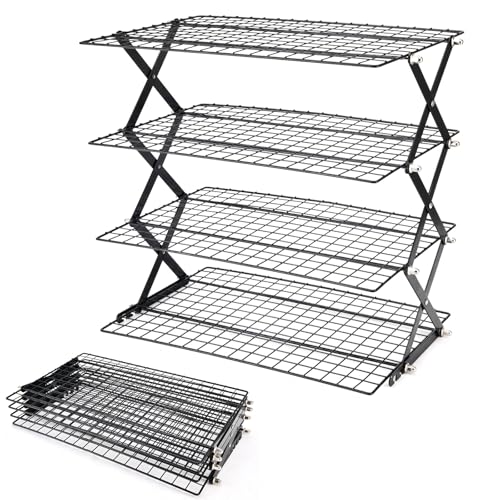
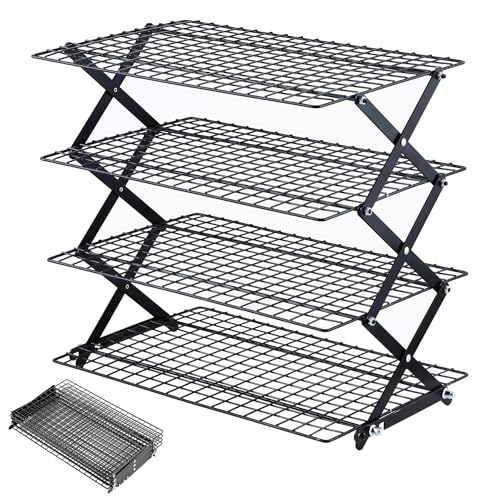
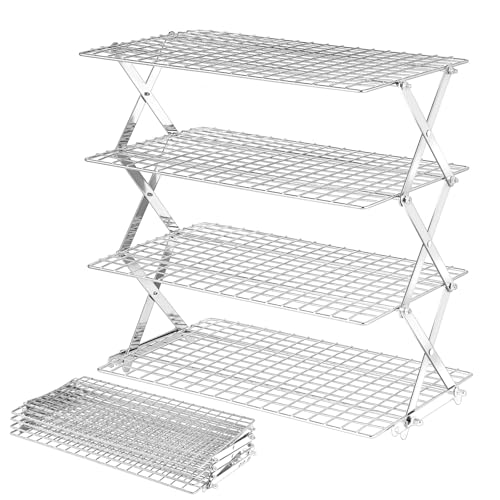
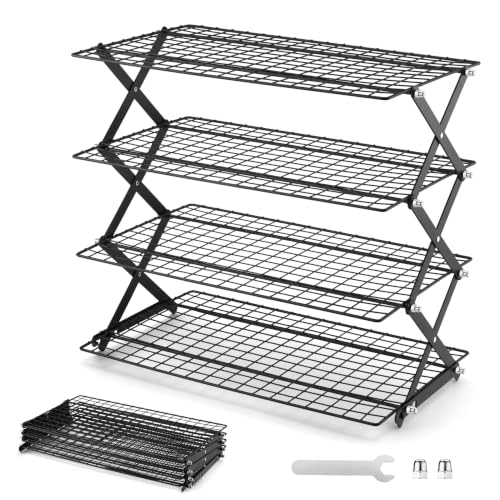
Quick Answer: How Collapsible Types Compare at a Glance
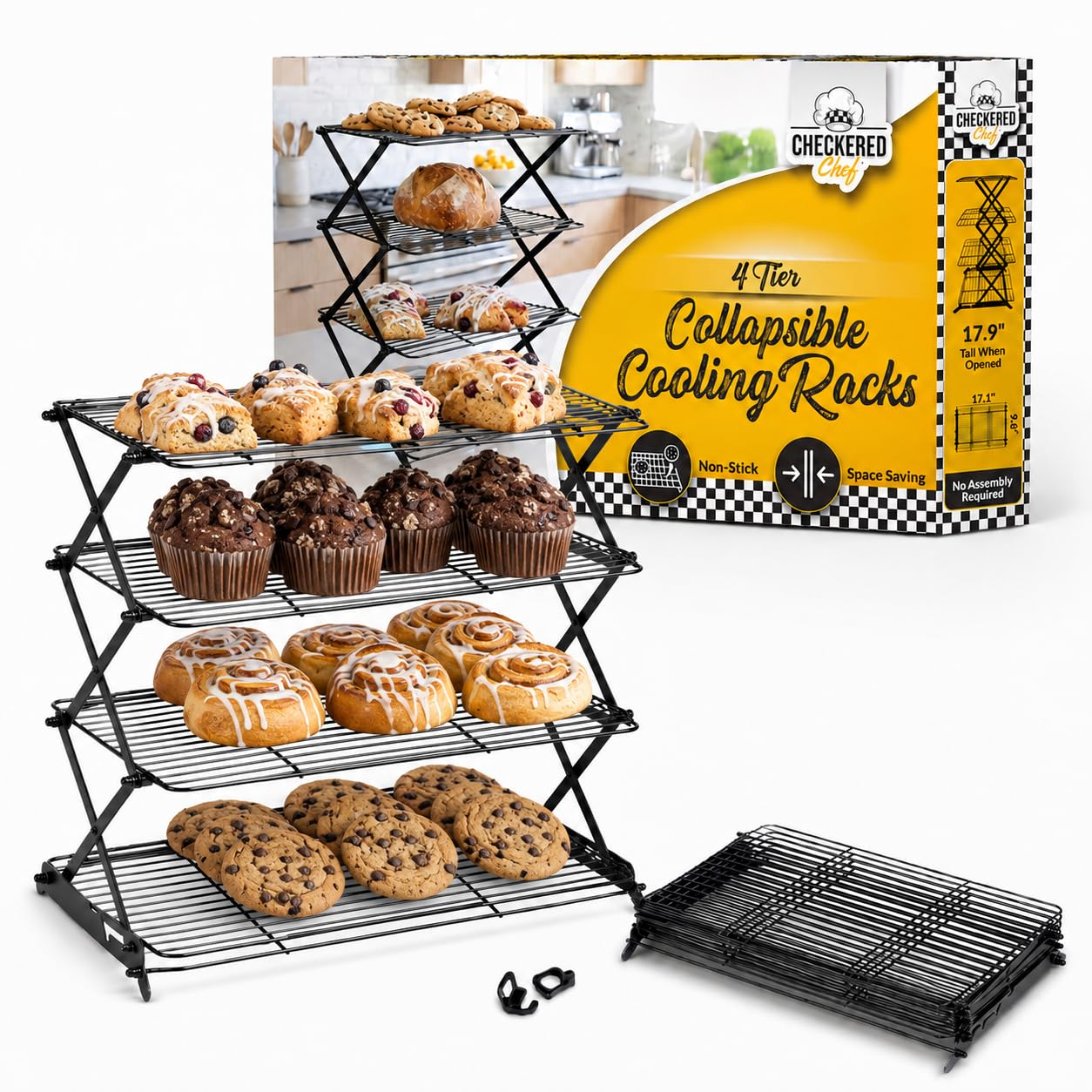
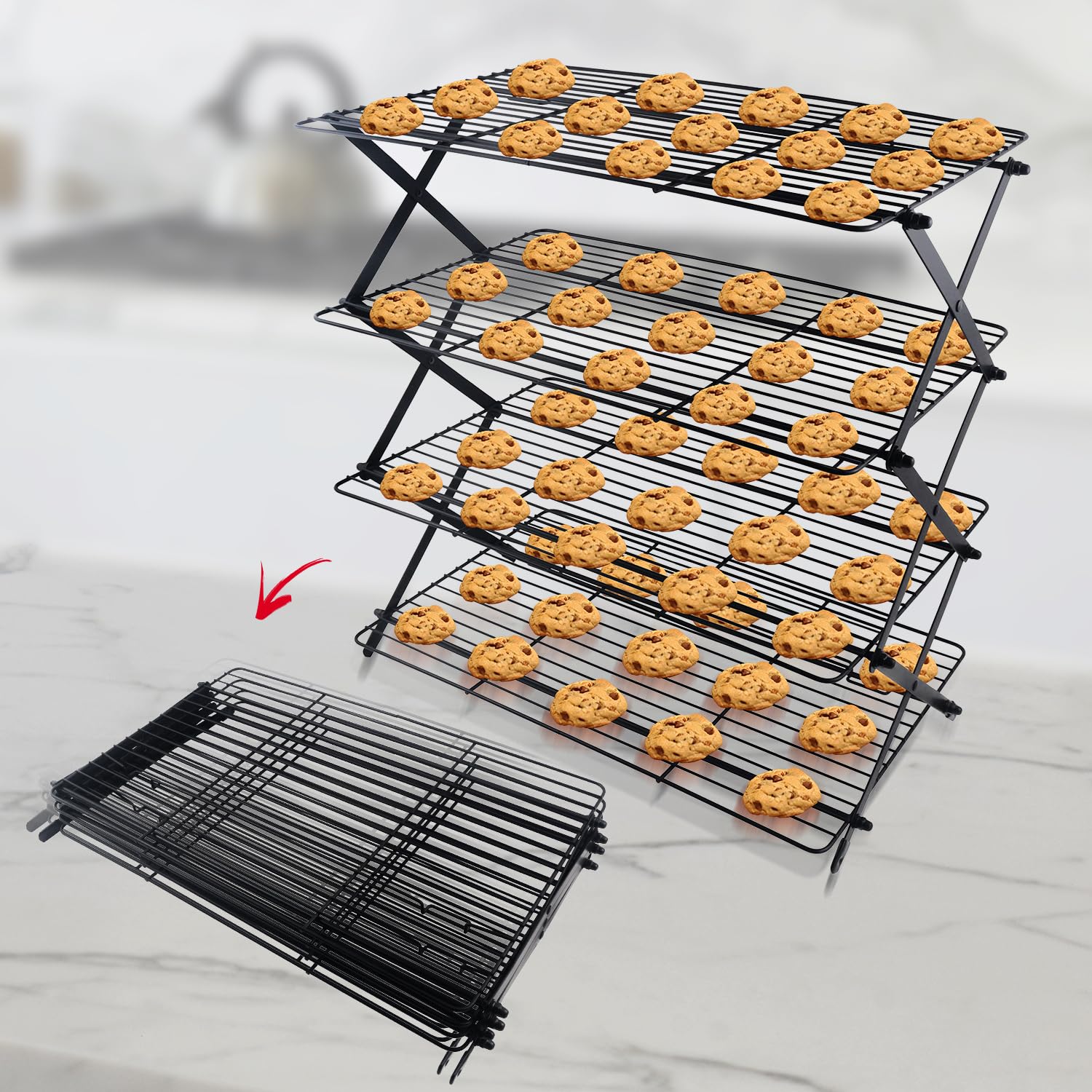
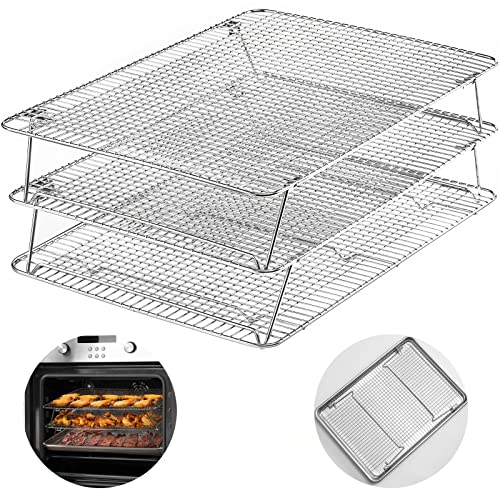
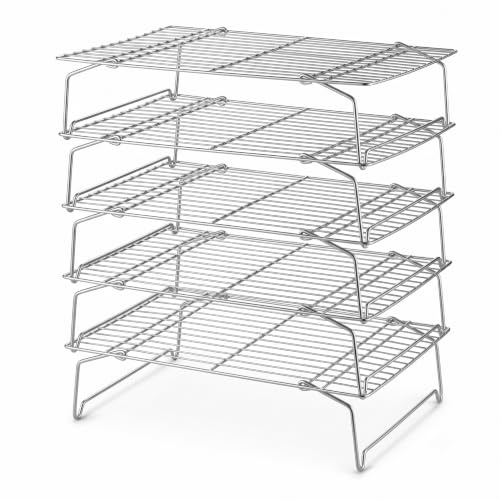
Three designs cover most homes. A flat folding rack suits one batch at a time and stores the thinnest. A tiered stacking design adds levels for big baking days without taking more counter room. A hinged leg rack lifts food higher for stronger airflow and often handles heavier loads. For broader background, our guide to the best cooling rack covers fixed and folding styles side by side.
Before You Buy: A Quick Checklist for Choosing a Cooling Rack
Work through these six points in order and most listings will sort themselves quickly.
Size: Match It to Your Space
Start with the pans you use most. A rack sized for a half sheet pan handles most cookie batches and roasted vegetables, while a quarter sheet size suits toaster oven bakes and small households. Measure the drawer or cabinet where the folded rack will live, since folded length decides whether storage feels easy or annoying. Bakers who cool several trays at once should look at a set of two or a tiered design rather than one oversized rack that dominates the counter.
Which Type Fits Your Routine
Think about how a baking day actually runs in your house. If you bake one tray, cool it, and put everything away, a simple folding grid is enough. If holidays mean tray after tray, a tiered design keeps batches moving without spreading racks across the table. Some racks are oven safe and can double as a roasting insert inside a pan, which suits cooks who crisp bacon or wings. Frequent cookie bakers will find shape and spacing advice in our guide to the best cooling rack for cookies, since delicate cookies need closer wire spacing than sturdy loaves do.
Light Versus Dark Finish and Browning
Finish matters most when a rack goes into the oven rather than only cooling on the counter. Dark finishes absorb more heat and can brown bottoms faster, which helps crisping but can overdo thin cookies or pale pastry. Light metal finishes heat more gently and give you a wider margin before bottoms darken. For counter cooling only, finish is mostly about looks and cleaning, since airflow under the food does the real work. Choose based on whether oven use is a weekly habit or a rare extra in your kitchen.
Oven Safe Temperature Limits
Check the stated heat limit before you plan to roast or crisp on any rack, because folding parts and coatings often set a lower ceiling than plain wire does. Hinges and folding legs are the weak points, and some designs are rated for counter cooling only. If oven use matters to you, pick a rack whose limit comfortably covers your usual roasting range and confirm that any coating is rated for that heat too. Keep the rack off direct broiler heat unless the maker clearly allows it, since intense top heat is harder on joints than steady oven air.
Nonstick Coating Versus Uncoated Wire
Nonstick coatings help sticky glazes and melted cheese release with less scrubbing, but they can scratch when metal tools scrape across them and they may limit oven heat. Uncoated wire tolerates higher heat and rougher handling, though sugary drips need a short soak before washing. Material plays a role here as well, and readers weighing durability against upkeep can compare options in our guide to the best stainless steel cooling rack. For most home bakers, uncoated wire is the calmer long term choice, while nonstick suits people who mostly cool glazed or cheesy foods.
Realistic Budget Ranges
At under $10, expect a basic folding grid with thinner wire and simple legs, fine for light and occasional baking. The range of about $10 to $20 is where sturdier wire, smoother hinges, and sizes matched to common pans become easier to find. Spending about $20 to $30 usually buys tiered sets, heavier wire, or a finish that cleans up faster. Pay more only when it solves your actual problem, such as storage depth or batch size.
Types Compared: Three Collapsible Designs for Different Homes
Instead of chasing names, compare these three design families against your space, your batch size, and your budget.
Flat Folding Racks for Single Batch Baking
This is the simplest design: a wire grid with legs that fold flat or a panel that folds in half. It stores in the least depth, often beside cutting boards or inside a wide drawer, and it sets up in seconds. Choose it if you live in an apartment, bake for one or two people, or cool one tray at a time. The trade off is capacity, since a single layer fills up fast on big baking days. Look for legs that lock or sit firmly, because a rack that wobbles under a hot pan is a safety problem, not a bargain.
Tiered Stacking Racks for Small Counters
Tiered designs stack two or three levels on one footprint, so a holiday cookie run can cool in the space of a single tray. They suit larger families, bake sales, and anyone who freezes batches for later. Check the gap between levels before buying, since tall muffins and frosted cupcakes need more clearance than flat cookies do. Stability matters more as height grows, so favor frames that connect securely between levels. When baking day ends, the levels come apart or fold down, which keeps the storage promise that made you choose a collapsible design in the first place.
Hinged Leg Racks for Baking and Roasting
These racks raise the grid on taller folding legs, giving hot air more room to move under roasts, bread, and fried foods that need to drain. Many are sized to sit inside a sheet pan, catching drips while food crisps. If that pan based setup is your main use, our guide to the best half sheet cooling rack explains pan fit in more detail. Choose this type if you roast as often as you bake. Confirm the oven rating and leg lock carefully, since this design works hardest under heavy, hot loads.
Our Selection Process for Collapsible Cooling Racks
We judge designs on airflow under the grid, how cleanly food releases, resistance to warping, material safety for food contact, and how easily the rack washes and dries. We also weigh how smoothly the folding action works, since stiff or flimsy hinges are where collapsible designs usually fail first. Our comparisons draw on maker specifications and patterns in verified buyer feedback about fit, stability, and storage, rather than on claims we cannot support.
What We Like and What We Do Not Like About Collapsible Racks Versus Other Cooling Racks
The clear win is storage. A fixed rack claims the same cabinet space all year, while a folding one nearly disappears between baking days, which matters in small kitchens, shared homes, and seasonal baking routines. Tiered folding sets also give occasional big batch capacity without a permanent footprint.
The trade offs are real. Hinges and folding legs add moving parts that can loosen, trap crumbs, or flex under a heavy roast where a fixed rack would feel rock solid. Very thin folding models may sag in the middle under a full tray. If you bake daily and have storage to spare, a sturdy fixed rack can be the simpler tool. If you bake in bursts and space is tight, the collapsible design gives up a little rigidity and gains a lot of livability.
Common Buying Mistakes to Avoid
- Buying a rack larger than your pans and your storage spot, so it cools well once and then lives on the counter in the way.
- Ignoring the space between wires, so small cookies sag or break through gaps that were sized for roasts and loaves.
- Assuming every folding rack is oven safe, then warping hinges or damaging a coating at roasting heat.
- Choosing a tall tiered set without checking level clearance, so frosted or domed bakes touch the grid above them.
- Paying for extra levels you will use once a year, when a single rack plus one borrowed tray would cover your real routine.
Cost of Ownership and Care
A cooling rack has no running costs, so ownership comes down to cleaning habits and how you store it. Wash it soon after sticky or greasy use, dry it fully before folding it away, and store it flat or upright without heavy pans resting on the wires. Sugary drips harden fast, and a brief soak in warm soapy water loosens them without harsh scrubbing that can bend thin wire. Keep folding joints free of packed crumbs so the legs keep moving smoothly.
Your Questions, Answered
How do you clean a collapsible cooling rack?
Let the rack cool, then soak it in warm soapy water for about ten minutes so baked on sugar and grease soften. Work along the wires and around each hinge with a soft brush, since crumbs hide where the legs fold. Rinse well, shake off water, and let it dry fully in the open air before you fold it away. Storing it damp invites spots and stale smells, so that drying step matters more than any special cleaner.
Is a collapsible cooling rack worth it for a small kitchen?
Yes, if storage is your main frustration with baking gear. A folding rack can share a drawer with sheet pans or stand in a narrow cabinet gap, while a fixed rack needs a dedicated wide space year round. Apartment bakers and people who bake in seasonal bursts gain the most. If you already own a fixed rack that stores easily and you bake every week, the upgrade adds little beyond a tidier cabinet.
How long does a collapsible cooling rack last?
There is no fixed lifespan, but the folding joints usually decide it. Watch for legs that no longer sit level, hinges that feel gritty or loose, and wires that stay bent after a heavy load. Any of those signs means the rack is near the end of safe use, since a rack that rocks under a hot pan is a burn risk. Gentle washing and dry storage slow that wear, while broiler heat and overloaded tiers speed it up.
Are collapsible cooling racks sturdy enough for heavy roasts?
Some are, but design matters more than the folding label suggests. Look for thicker wire, legs that lock or brace, and a grid sized to sit inside a pan so the pan rim shares the load. Spread heavy food evenly instead of centering it on one spot. Very light folding grids are better kept for cookies and bread. When a roast is both heavy and hot, a pan supported setup is the safer and steadier choice.
What is the best collapsible cooling rack for your home?
It is the one that matches your pan size, your batch size, and your storage spot at the same time. Single batch bakers do well with a flat folding grid, large families with a tiered set, and roast lovers with a hinged leg design rated for the oven. Use the product table above to compare those three traits first. A rack that fits your real routine will feel right every time you reach for it.
Final Thoughts
A folding rack succeeds when it disappears between baking days and works without fuss when you need it. Match the size to your pans, pick the type that fits your batch habits, and respect the heat limits of hinges and coatings. Chosen that way, the best collapsible cooling rack is simply the one your kitchen can store, your hands can clean, and your baking routine can rely on for years.


