
Best Colanders for rice: Size, Type and Care Guide for 2026
Disclosure: We may earn a commission when you buy through links on this page, at no extra cost to you. As an Amazon Associate I earn from qualifying purchases. Learn more

Match hole size, capacity and storage to how you cook rice so the colander you choose drains well and stays easy to clean.
Rinsing rice at a busy family sink often ends the same way. You tip the pot, grains scatter, and half a cup slides toward the drain while cloudy water spills over the rim. The best colander for rice stops that small daily mess. Its holes hold the grains in while the water and loose surface starch run out.
This guide helps you choose by how many people you cook for, how much cupboard space you have, and how you clean up. Start with the product table, then use the checklist to match a style to your routine.

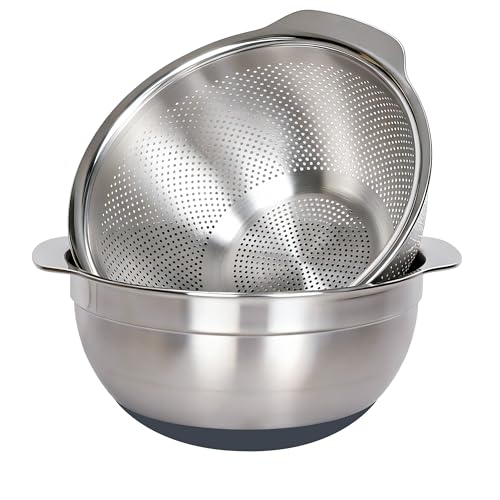

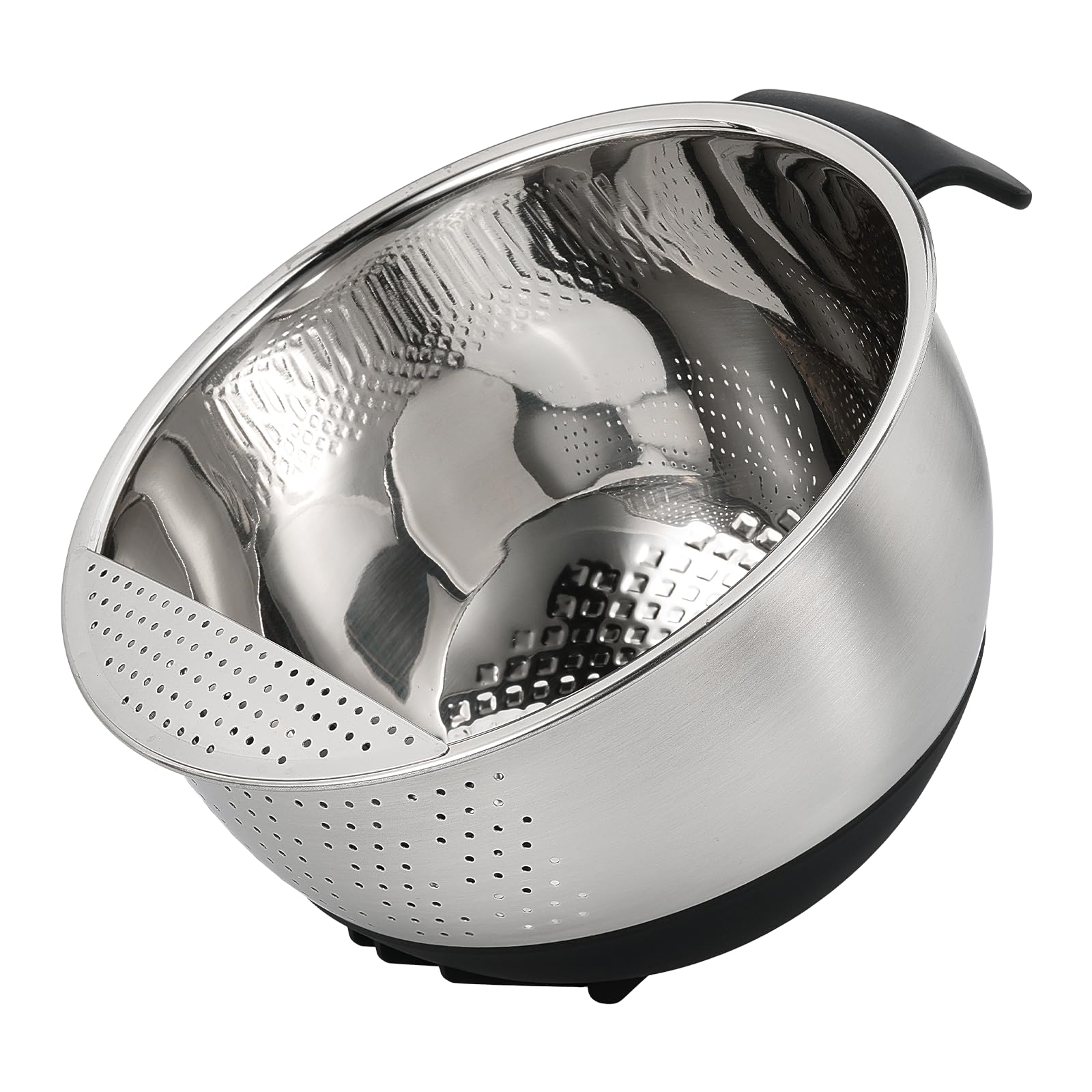


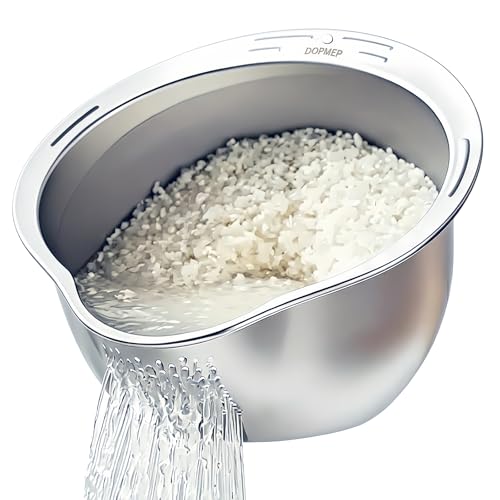

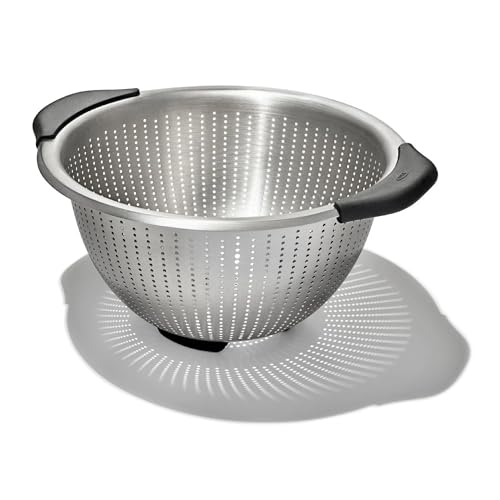
Quick Answer: Which Type Fits Your Home
If you rinse rice most days, choose a fine mesh colander with a stable base and a capacity that matches your usual batch. If your kitchen is tight on storage, a collapsible or clip on style may serve you better, as long as the holes stay small enough for short grain rice.
Households that cook large batches should favor a wide bowl shape with strong handles, since wet rice gets heavy fast. For a wider look at draining tools for other foods, our guide to the best colander covers the general options beyond rice.
- Fine mesh: the safest choice for small grains and thorough rinsing.
- Perforated metal: sturdy and quick to drain, best for long grain rice.
- Collapsible or clip on: kind to small kitchens, with some trade offs in stability.
Before You Buy: A Quick Checklist for Choosing a Colander for Rice
Six checks cover almost every buying decision for this tool. Work through them in order, since size and hole spacing rule out more options than price ever will.
Size: Match It to Your Space
Match capacity to the dry rice you cook most often, remembering that rice needs room to move while you swirl it. A small 3 quart size suits one or two people and rinses about 1 to 2 cups of dry rice with space to spare. A 5 quart size handles family batches of 3 to 4 cups without grains piling over the rim. Storage matters just as much. If deep bowls already crowd your cupboards, the best collapsible colander styles fold flat and free up real space.
Which Type Fits Your Routine
Fine mesh strainers catch even small grains and let you rinse until the water looks much clearer. Perforated metal bowls drain fast and shrug off knocks, but their larger holes can pass broken grains and some short grain rice. Over the sink models rest on extendable arms and keep both hands free for pouring, though they need a sink of matching width. Clip on strainers snap onto a pot for draining, yet they offer little room for rinsing raw rice. Silicone and plastic versions stay light and quiet against the sink.
Features Worth Paying For, and Ones to Skip
Pay for a base that keeps the bowl steady and lifted, since rice sitting in pooled water stays gummy. Strong handles earn their cost too, because a full load of wet rice pulls hard on weak joints. Mesh that reaches the rim helps when you shake the bowl at an angle. Skip decorative finishes, extra nesting pieces you will never use, and very tall legs that make the bowl tip in the sink.
Materials and Food Safety
Stainless steel resists rust, holds no odors from past meals, and tolerates hot water without warping. Look for steel described as food grade, with a rim that covers the cut edge of the mesh so no sharp wires poke out. If steel is your pick, the guide to the best stainless steel colander explains grades and finishes in more depth. Plastic costs less and feels gentle on delicate sinks, but it can stain and may soften near a hot pot. Silicone handles heat well and grips pots firmly in clip on designs.
Dishwasher Safe or Hand Wash
Most steel and silicone colanders go in the dishwasher, which suits homes that rinse rice daily and want cleanup done fast. Mesh still benefits from a quick rinse right after use, since starch dries into a film that traps grains later. Plastic often needs the top rack to avoid warping from the heating element. If your household hand washes most tools anyway, choose the smoothest interior you can find, with few seams where starch can hide.
Realistic Budget Ranges
Basic mesh and plastic models sell for under $15 and work fine for occasional use. The middle band, about $15 to $25, usually buys sturdier steel, a stronger base, and handles that feel secure under load. Spending about $25 to $50 makes sense for large sizes, thick steel, or a two size set. Price alone does not tell you the hole size, so check that detail first and treat cost as the last filter.
Types Compared: What Each Style Does Best for Rice
With the checklist in mind, compare the three main styles by how they handle grains, water, and storage. Each suits a different kind of home.
Fine Mesh Strainers for Thorough Rinsing
A fine mesh strainer is the default pick for rice because its woven screen holds back broken grains that slip through punched holes. You can swirl, shake, and rinse again without watching the sink for losses. Mesh also doubles as a sifter for flour and a strainer for sauces, which helps it earn cupboard space in smaller homes. Its one weakness is cleanup, since starch clings to the weave. A soft brush and a rinse before the mesh dries keep that job short.
Perforated Metal Bowls for Speed and Strength
Perforated bowls use drilled holes in solid metal, so the whole tool feels rigid and rinses clean in seconds. Drainage runs fast, which suits cooked rice dishes and large batches of long grain rice. The risk sits with small or broken grains, which can escape through holes sized for pasta water. Test any perforated bowl with a spoonful of your usual rice before trusting it with a full batch. For homes that cook both foods often, comparing hole size against the best colander for pasta helps you see why one shared tool rarely fits both jobs well.
Collapsible and Clip On Styles for Small Kitchens
Collapsible colanders flatten into a drawer or hang on a hook, a real gain in apartments and shared kitchens. Their panels still need small holes, and some flexible walls bow under a heavy wet load, so support the base with one hand. Clip on strainers take almost no storage space and shine when you drain a pot with one hand. For rinsing raw rice, though, their shallow curve holds little and offers no bowl for soaking. Many small kitchens pair one with a compact mesh strainer.
How to Compare Colanders for Rice
To judge the best colander for rice against its rivals, weigh five things. Hole size comes first, then capacity, base stability in a wet sink, handle strength under a full load, and how fast starch washes off. Maker specifications and patterns in buyer feedback are the best evidence you can check before ordering.
Living With It: What Really Matters Day to Day
Rice washing has its own technique. Put the rice in the colander, set the colander inside a larger bowl of water, and swirl gently with your fingers so the grains rub against each other. Lift, drain, and repeat with fresh water until the runoff looks mostly clear. Our walkthrough on how to use a colander covers grip and pouring angles if this routine is new to you.
A bowl under the colander also lets you soak rice before cooking, which many households do for softer results with brown rice. After cooking, the same colander drains rice noodles, as long as the pieces stay larger than the holes. Keep the tool near the sink or the rice supply. A colander stored across the kitchen tends to get skipped, and unrinsed rice turns stickier in the pot.
Common Buying Mistakes to Avoid
- Buying by bowl size alone and ignoring hole size, so short grain rice escapes during the first rinse.
- Choosing a huge colander for tiny daily batches, which wastes cupboard space and makes small amounts hard to swirl.
- Picking a bowl with no base or feet, leaving drained rice sitting in a puddle of starchy water.
- Trusting weak handles with a heavy wet load, which bends joints and can dump the batch into the sink.
- Paying for a large nesting set when one right sized strainer covers every batch your household cooks.
Cost of Ownership and Care
A colander asks for almost nothing after purchase. There are no filters or parts to replace, so the real cost is storage space and cleaning time. Steel models can serve for many years if you dry them before stacking, which prevents water spots and keeps the mesh bright.
Stuck starch softens after a short soak in warm water with a drop of dish soap. A soft brush lifts grains from mesh without bending the wires. For deeper stuck on residue and odor removal, follow the steps in how to clean a colander before you reach for harsh pads. Avoid steel wool on mesh, since broken wires create sharp points and wider gaps.
Your Questions, Answered
Can you rinse rice in a regular pasta colander without losing grains?
Often you cannot, because pasta colanders use holes sized for noodles, not grains. Do a dry test first. Pour a quarter cup of uncooked rice into the dry colander over a clean bowl and shake gently twice. Count what falls through. If more than a few grains escape while dry, far more will escape under running water, when the grains get slick and heavy. That quick test saves a ruined batch and tells you whether a finer strainer is worth buying.
Should you rinse rice until the water runs fully clear?
Not always. Two or three rinses remove most loose surface starch, and the water often stays faintly cloudy after that, which is normal. Brown rice can tint the water slightly from its bran layer even when it is clean. Enriched white rice carries added nutrients on the surface, and very long rinsing washes some of them away, so keep rinsing brief for that type. Stop when the water shifts from milky to mostly clear and the grains no longer feel gritty between your fingers.
Can a colander for rice also drain quinoa and other small grains?
Quinoa is smaller than rice, so only the finest mesh keeps it in. Hold the strainer up to the light. If you can see clear gaps rather than a tight woven screen, quinoa will likely pass through. Millet and amaranth are smaller still and need a cloth lined strainer instead. Couscous sits between the two and usually drains fine in mesh that works for rice. When in doubt, rinse a spoonful first and check the bowl beneath before doing the full amount.
How do you keep rice from sticking to a mesh colander?
Wet the mesh before you add the rice. A dry screen grips starchy grains, while a wet one lets them slide. After rinsing, shake the colander in short side to side bursts instead of one hard shake, which packs grains into the weave. If a layer still clings, run your damp fingers or a silicone spatula lightly across the mesh from above, never from below, since pushing from underneath can stretch the screen over time.
When should you replace a colander used for rice?
Replace it when the mesh pulls away from the rim, because that gap leaks grains and keeps widening. Wobbling handles matter too, since a joint that flexes under a light load may fail under a full one. Rust spots that return soon after washing suggest the protective finish has worn through, and that surface no longer belongs against food. A bent base that rocks in the sink is a smaller issue, but it drains unevenly and pools water under one side.
Final Thoughts
For most homes, a fine mesh colander in the size you will actually store near the sink is the best colander for rice. Check the product table above once more against your batch size, your sink, and your cleaning habits. Get the hole size right first, and the daily rinse becomes a quick, tidy habit instead of a small cleanup job of its own.


