
Best Cold Saws in 2026: Which Type Is Right for You?
Disclosure: We may earn a commission when you buy through links on this page, at no extra cost to you. As an Amazon Associate I earn from qualifying purchases. Learn more
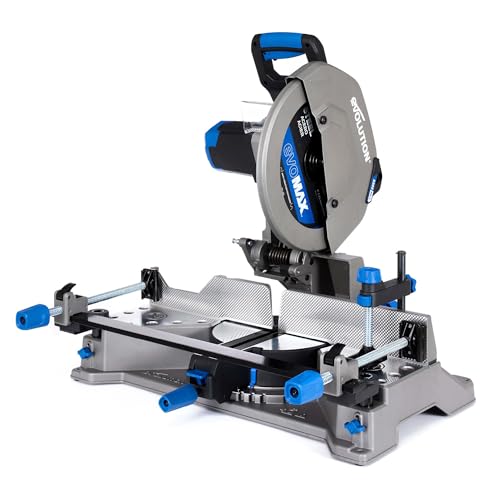
Compare the best cold saws by type, power source, blade size, and cutting capacity so you can choose a saw that fits your shop and your budget.
A cold saw cuts metal with a toothed blade that turns slowly and stays cool, so the cut edge comes out clean and ready to weld, thread, or bolt. Shoppers still get confused because listings mix stationary shop saws, portable dry cut saws, and general metal cutting tools under similar names. If you are comparing the best cold saws for a garage or a small fabrication shop, the right choice starts with the type of saw, not with any single spec on the box.
This guide compares each type in plain terms, explains how power source and blade choice change the result, and shows which features matter for steel tube, angle iron, and bar stock. Use the product table to scan capacities and price ranges side by side, then read on for the detail behind each row.
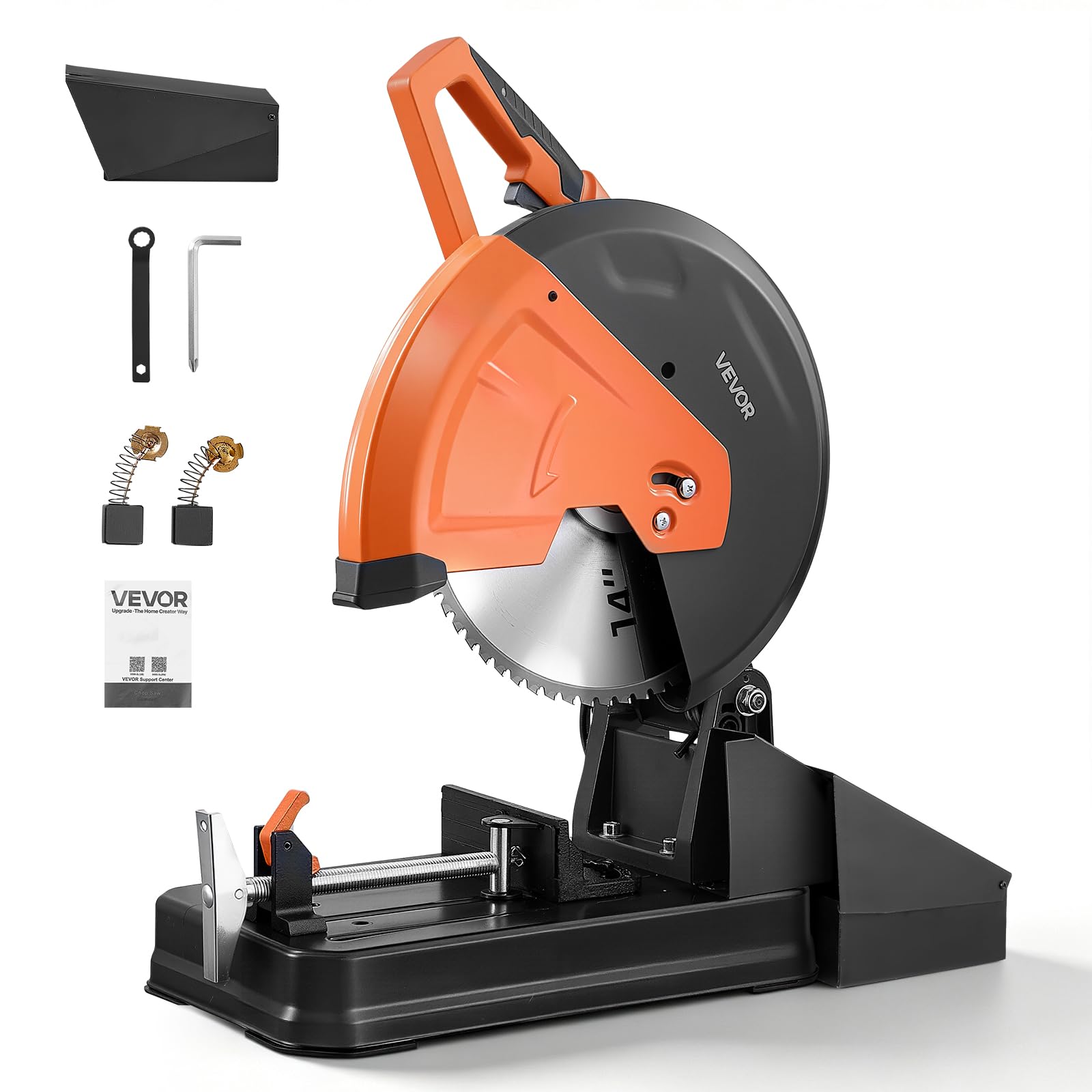

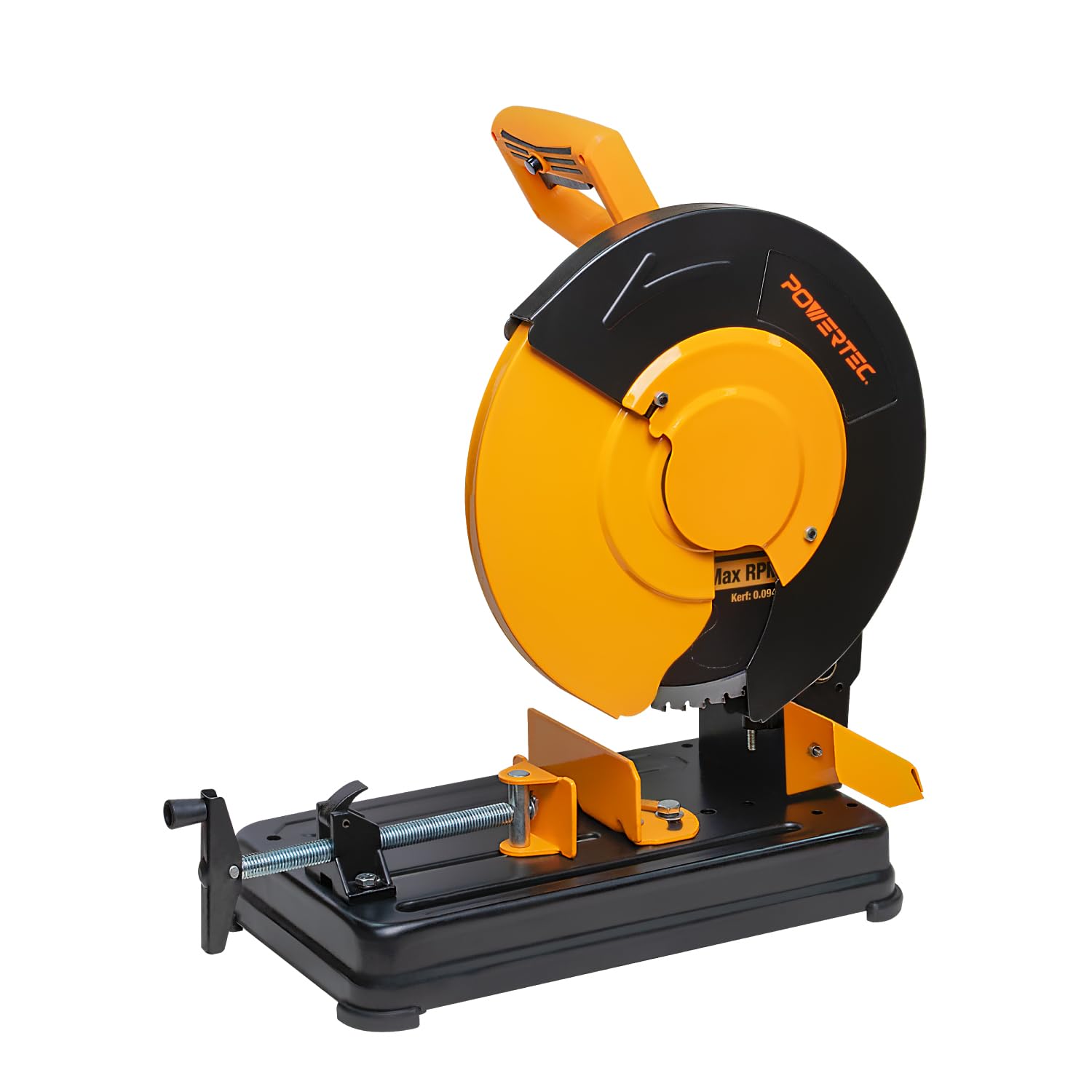


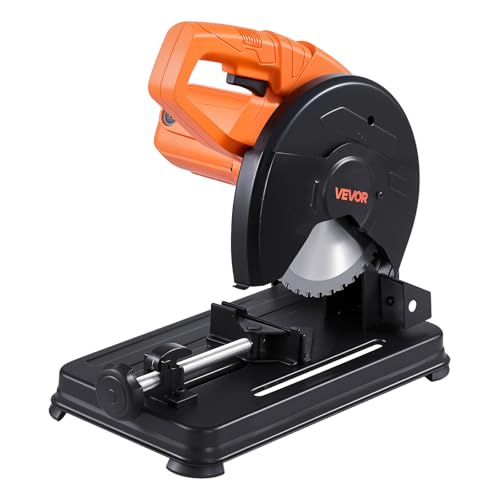
Types of Cold Saws Compared
Every cold saw works on the same idea. A blade with many teeth removes metal in small chips while friction stays low, so the workpiece and the blade stay near room temperature and the edge needs little cleanup. What changes between models is how the saw is powered, how it is mounted, and how much metal it can hold in its vise. Use the product table as a map while you read the four families below.
One useful contrast is the abrasive chop saw, which grinds through metal with a spinning disc, throws sparks, and leaves a rough edge that often needs grinding. If that is the tool you own now, see our guide to the best chop saws for how that style compares. A true cold saw costs more up front, but it trades noise, sparks, and cleanup for accuracy and a finish you can use right away.
Cordless Battery Tools
Cordless cold saws and portable metal cutting saws run on the battery platform of a major tool brand, and most use a brushless motor that turns a small blade at low speed with strong torque. Blades often run around 5 to 7 inches, which suits tube, conduit, threaded rod, and strut channel. You can carry the saw to the work instead of carrying long stock to a bench, and there is no cord to manage on a ladder or a lift.
The trade off is runtime and capacity. Thick solid bar drains a pack quickly and can overheat a small blade, so these tools fit installers, electricians, and plumbers who make many light cuts in the field. If you already own chargers and packs from one brand, staying on that platform is usually the smartest value move.
Corded Tools
Corded models cover the classic stationary cold saw on a bench or stand and the larger corded dry cut saw. Blades commonly run around 12 to 14 inches, the motor draws steady power all day, and a rigid vise holds stock at exact angles for repeat cuts. This is the style fabrication shops and serious home workshops choose for frames, railings, and production style cutting where every end must match.
The cost of that consistency is space and weight. A corded stationary saw wants a fixed home, a solid stand, and room on both sides for long stock support. It also ties you to an outlet, so it makes little sense for field repair. Buy this type when accuracy and volume matter more than portability.
Compact Tools
Compact cold saws shrink the format to a small benchtop footprint with a lighter frame and a modest vise. Capacity is limited, often around 2 to 3 inches of round tube depending on wall thickness, and the motors are tuned for thin wall material rather than solid bar. For hobby metalwork, bike and kart projects, and light repair, that limit rarely matters in practice.
Storage is the big win here. A compact saw tucks onto a shelf or under a bench, sets up in minutes, and still gives you the clean, cool edge that defines the category. Just be honest about your stock sizes before you buy, because a compact vise cannot grow with your projects the way a full size shop saw can.
DIY and Homeowner Tools
Homeowner grade dry cut saws sit between compact tools and shop machines. They pair a mid size blade with a simple stamped or cast base, a basic miter vise, and a price that undercuts pro models by a wide margin. For occasional jobs like steel bed frames, trailer repairs, metal shelving, and fence posts, that simpler build is usually enough.
Expect some compromise in vise stiffness and angle accuracy, and plan on slower cutting in thick stock. The blades also wear faster if you push them. For a garage that cuts metal a few weekends a year, though, this tier delivers the clean cold saw cut without paying for production features you will never use.
Cordless Battery Tools vs Corded Tools: Which Should You Choose?
Start with power consistency. A corded saw holds full torque from the first cut to the last, while a cordless saw fades as the pack drains and may shut down to protect itself on heavy cuts. Next, think about runtime and workflow. Cordless wins when cuts are scattered around a site, and corded wins when stock comes to one bench all day long.
Capacity and cost finish the picture. Corded saws accept larger blades and cut bigger profiles, while cordless tools cost less to start if you already own batteries, and more if you must buy packs and a charger. If your work mixes both worlds, many owners keep a corded bench saw for the shop and add a cordless saw later for installs. For a wider look at powered cutting tools, see our guide to the best power saws and how each family earns its place.
How to Choose the Right Cold Saw
Type narrows the field, but five details decide whether a specific saw feels right a year from now. Work through them in order and you will avoid the common mistake of buying on blade size alone. If your projects also involve a lot of wood, our guide to the best saws all in one place can help you plan a tool lineup that does not duplicate jobs.
Corded vs Cordless (Battery Platform)
Battery platforms come in 18 volt, 20 volt, and 40 volt families, and packs only work within their own brand system. A shared platform spreads the cost of batteries across your drill, impact driver, and saw, which makes cordless far better value than it looks from the bare tool price. Choose corded when you cut thick stock daily, because steady line power protects both the blade and your schedule.
Accuracy and Control Features
Accuracy comes from the vise, the base, and the angle scale more than from any electronic aid. Look for a cast base that does not flex, a vise with a quick clamp and firm jaws, and clear miter stops at common angles. Variable speed helps when you switch between steel and aluminum, since softer metal wants a faster blade and hard steel wants a slower one. A chip tray and a blade guard that moves smoothly also make the saw easier to live with.
Capacity and Working Range
Capacity ratings change with shape, so read them carefully. A saw rated for 4 inch round tube at 90 degrees will cut far less square stock at a 45 degree miter, and solid bar is harder on any saw than hollow tube of the same size. Match the rating to the largest profile you cut often, not the largest you might cut once. Also check support space, because long stock needs roller stands on both sides to stay level in the vise.
Do not try to solve capacity gaps with the wrong tool. A wood cutting circular saw fitted with a random metal blade is not a cold saw, and it spins far too fast for clean metal work. If you need that style of saw for lumber, see our guide to the best skill saws and keep each tool in the job it was built for.
Weight, Ergonomics, and Vibration
On a stationary saw, weight is your friend because mass damps vibration and keeps cuts true. On a portable saw, weight is a tax you pay on every trip up a ladder or across a site. Check the handle position, the trigger reach, and whether you can see the cut line without leaning over the blade. Low vibration matters more than most buyers expect, since a saw that buzzes through your hands will tire you and wander off line on long cuts.
Durability and Brushless Motors
Brushless motors in cordless models run cooler, last longer, and squeeze more cuts from each pack than brushed motors. On corded shop saws, durability shows up in the gearbox, the vise screw, and the quality of the blade that ships in the box. Blade supply is a hidden part of durability too. Confirm that replacement blades in your size are easy to order and priced sanely, because a saw you cannot feed with blades is a saw you cannot use.
Care and Maintenance Tips
Wear eye and hearing protection on every cut, and clamp stock firmly so it cannot spin or pinch the blade. Let the tool do the work at its own feed rate, because forcing the blade dulls teeth and can crack a carbide tip. Brush chips out of the vise and tray after each session, keep blades clean, and send dull shop blades out for sharpening or replace them before cut quality drops. Unplug the saw or remove the battery before any blade change, and let cut ends cool before handling them bare handed, since fresh edges are sharp even when they are not hot.
FAQs
Is a brushless motor worth it in a cold saw?
Yes, for most cordless buyers a brushless motor is worth the small price gap. It delivers more cuts per charge, holds torque better as the pack drains, and has no brushes to wear out and replace. It also tends to include electronic protection that stops the motor before a stalled blade overheats. On a corded bench saw the difference matters less, so spend that money on a stiffer vise instead.
Can I use batteries across brands in a cordless cold saw?
No, battery packs are built for one brand platform and do not fit rival tools. Aftermarket adapters exist, but they can confuse the charge and protection electronics in the pack and may void the warranty on both the battery and the saw. The practical answer is to pick your platform based on the tools you already own, or budget for at least two packs and a charger when you start a new one.
Corded or cordless: which is better for DIY use?
Cordless is better for most DIY users who cut tube, conduit, and small angle in short sessions around the house and yard. It stores easily and needs no dedicated bench. Corded is better if your projects are shop based, like building a steel workbench or a trailer, where you make many cuts in a row. Think about where the cuts happen, not just how many you plan to make.
What specs matter most for home projects in a cold saw?
Capacity at 90 degrees matters most, followed by vise quality and the price of replacement blades. Check the round and square ratings against the stock you actually buy, which for most home projects is tube and angle under 2 inches. A clear angle scale and a base that sits flat on your bench will do more for your results than a small difference in motor amps.
Final Thoughts
Choose type first, then capacity, then platform. Cordless suits field work and light stock, corded stationary saws own the workshop, and compact or homeowner models cover honest garage use at the lowest cost. Keep the vise, blade supply, and safety habits in mind and the best cold saws stop being a confusing category and become a short list that fits your work. Compare your finalists in the product table before you order.


