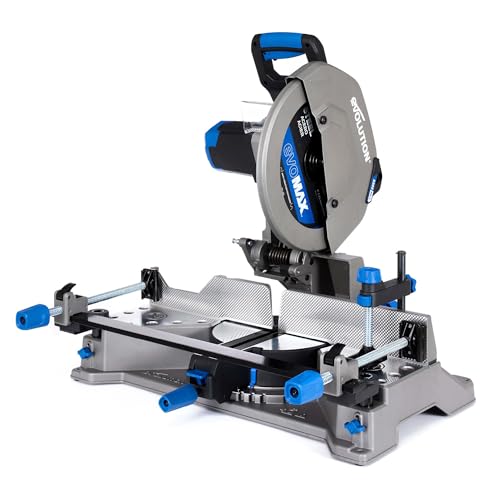
Best CNC Routers for Woodworking 2026
Disclosure: We may earn a commission when you buy through links on this page, at no extra cost to you. As an Amazon Associate I earn from qualifying purchases. Learn more

The best cnc routers for woodworking match your bench, panel size and software: a workshop guide to work area, rigidity, spindle power and dust control.
If you are shopping for best cnc routers for woodworking, this guide will help you compare options with confidence. A woodworking cnc router is judged by its work area, rigidity, spindle power, and software workflow, so a machine that fits your bench and your usual sheet size will serve you better than a larger machine you cannot feed or maintain.
The comparison table below gives a quick overview, while the sections that follow explain what to check before you order. Prices for a woodworking cnc router usually run about $300 to $3000, depending on size, materials, and features, so use that range as a planning guide and compare total cost including bits, clamps, dust control, and upkeep.
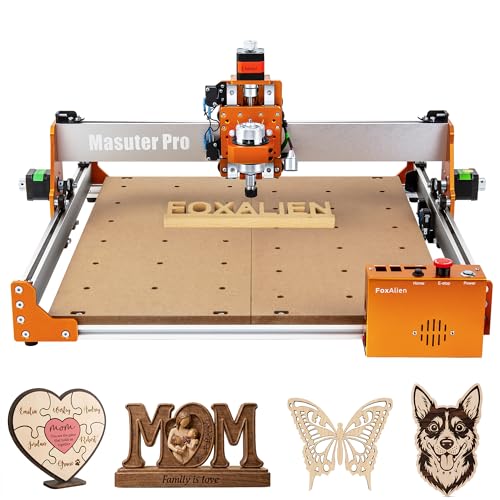


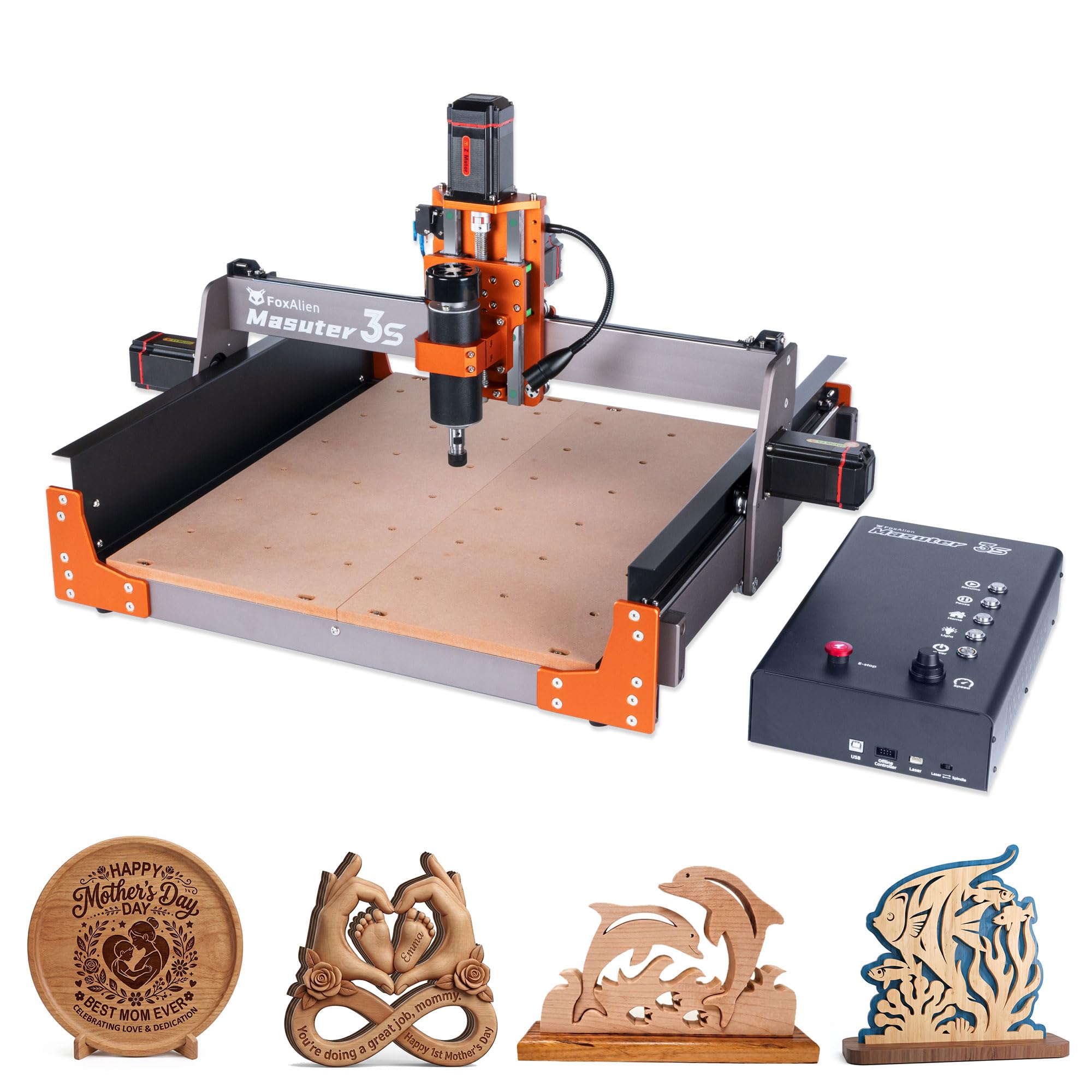

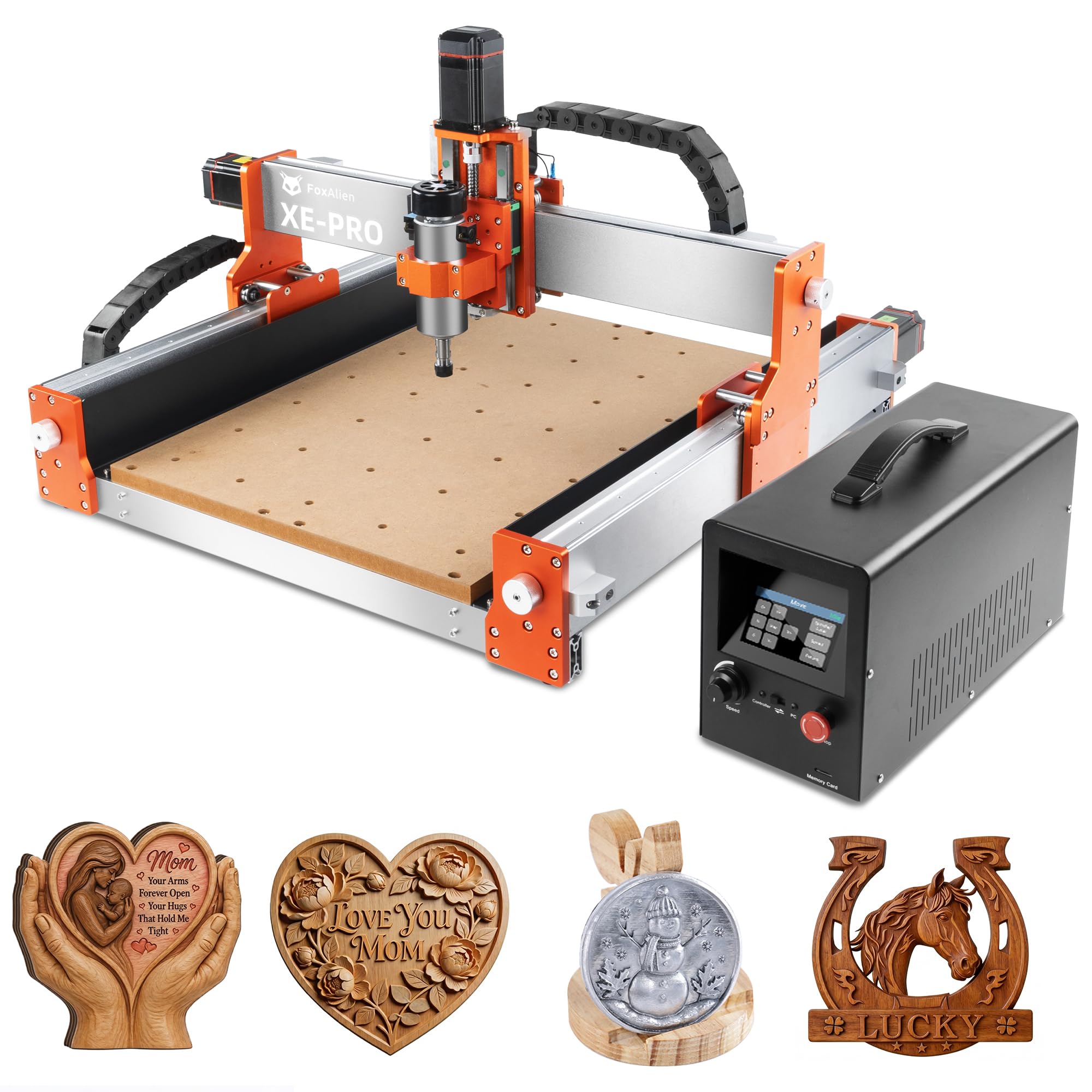

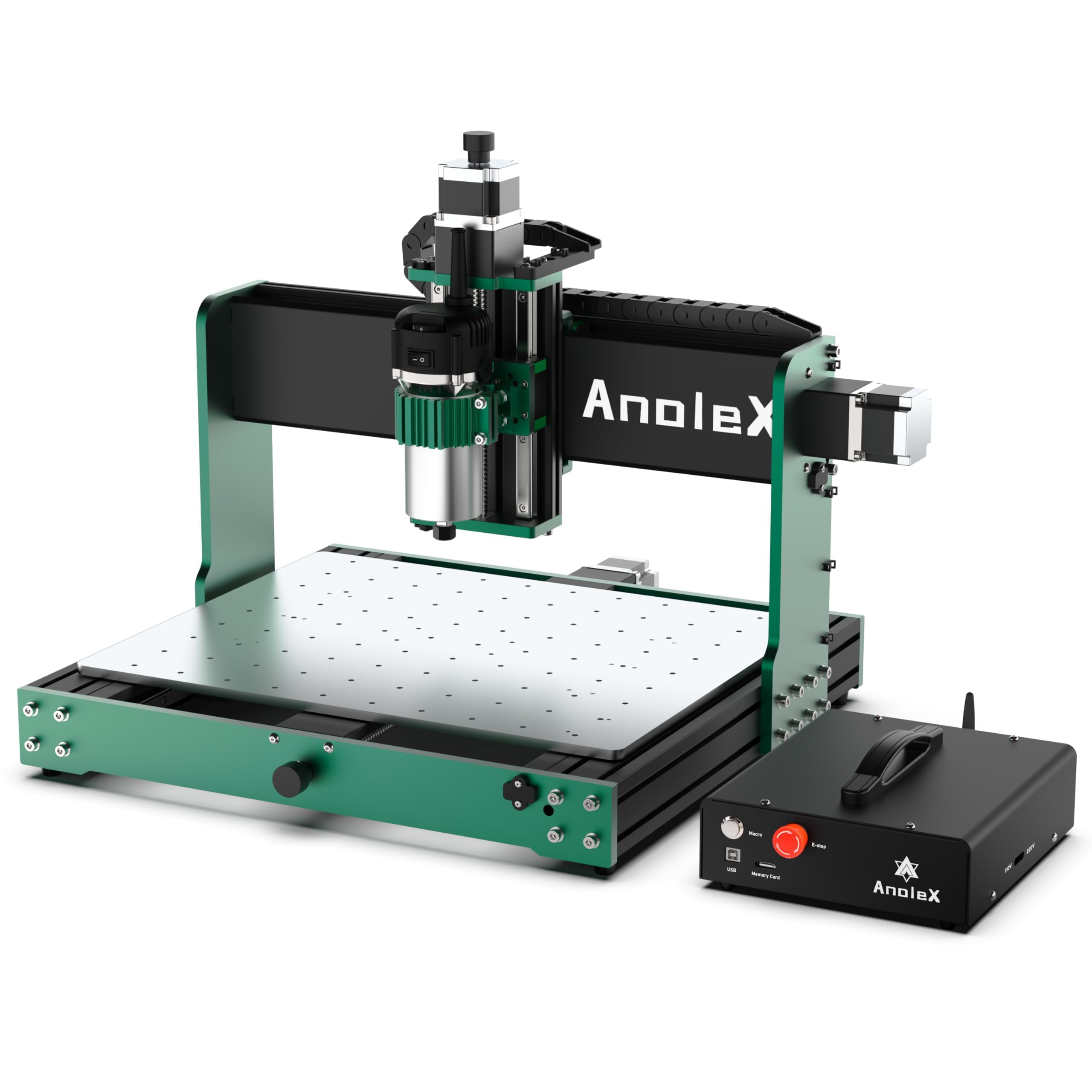

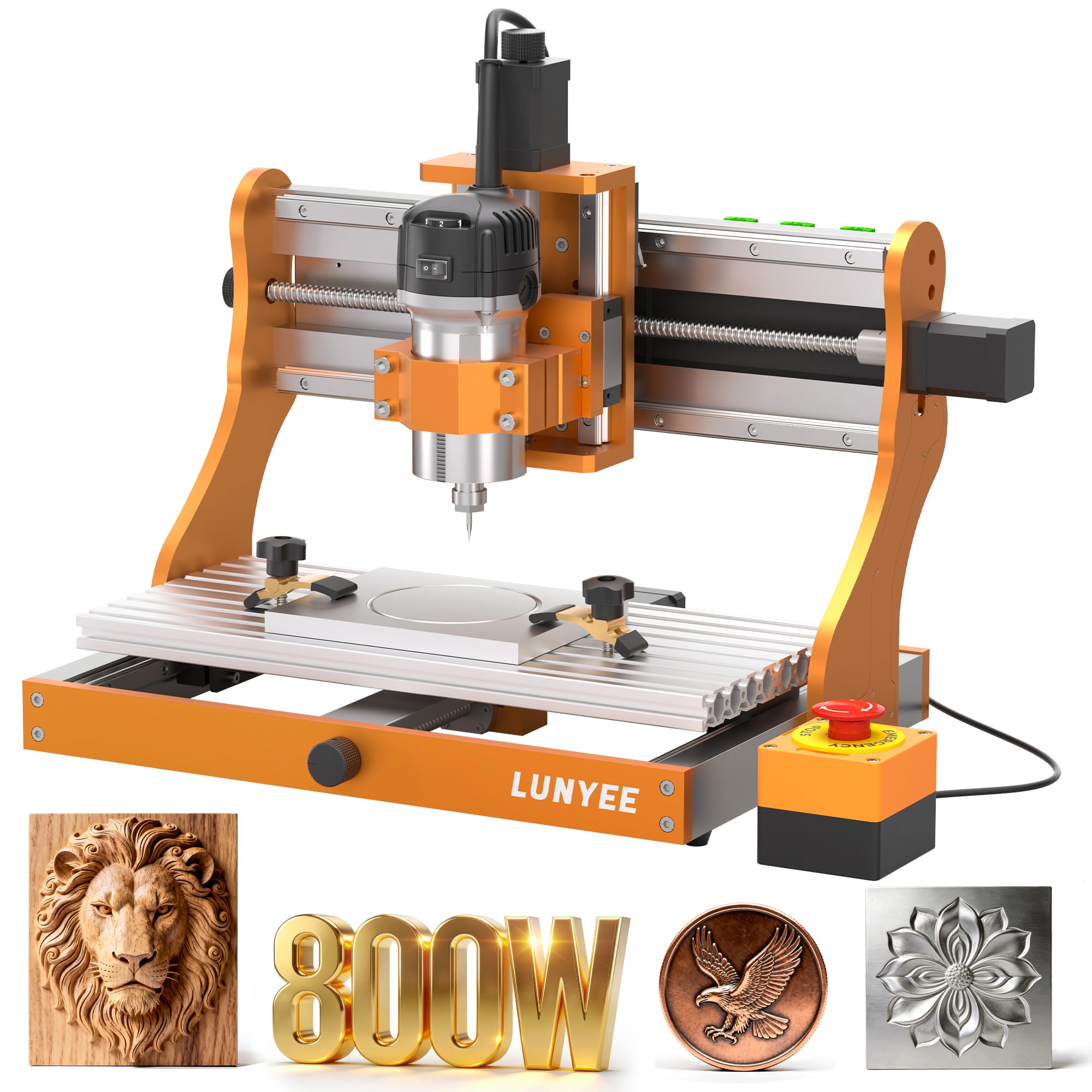
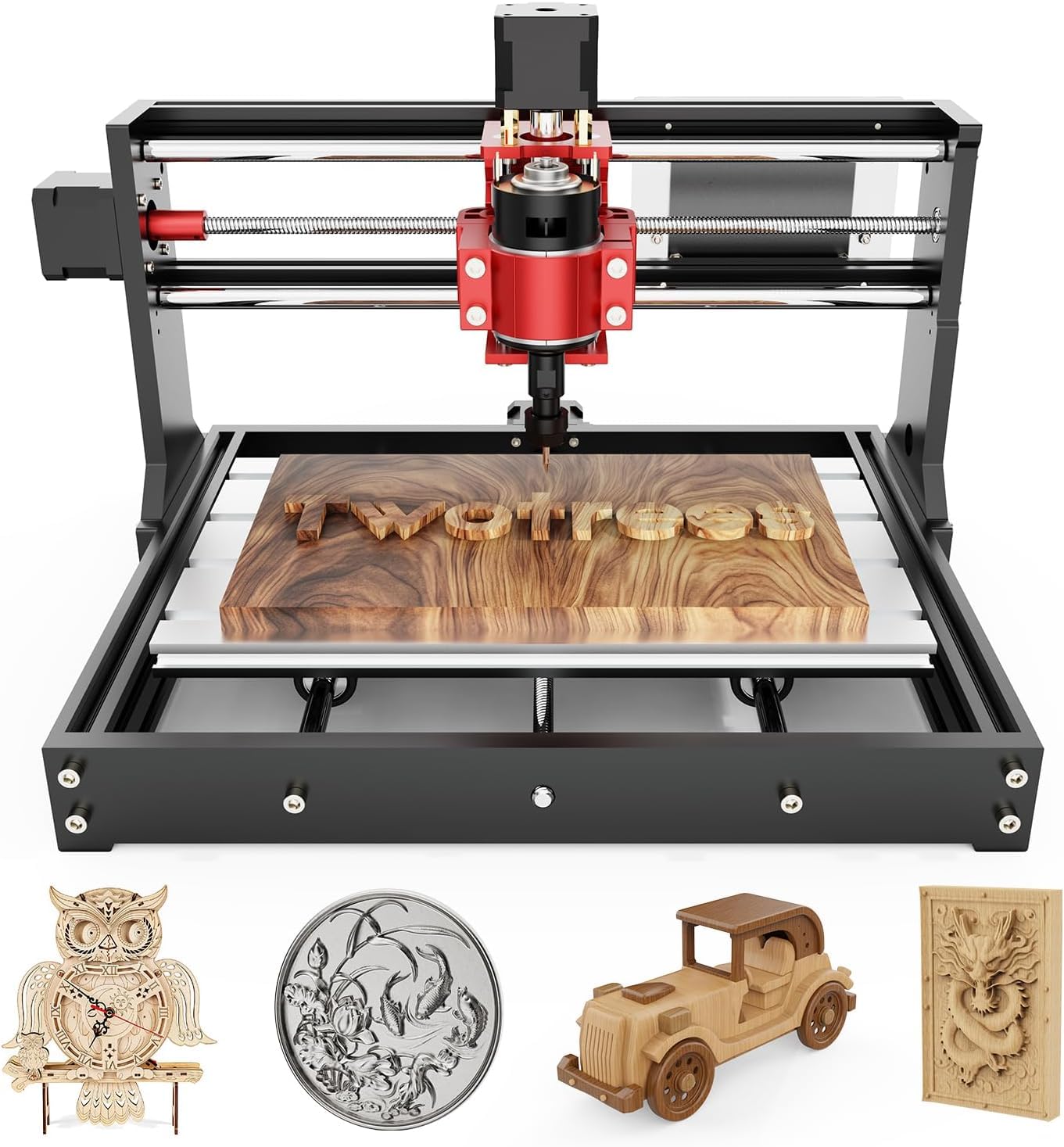
Who Should Buy This Kind of Cnc Router
Different buyers need different strengths from the best cnc routers for woodworking, so start by naming your main use. A shop that runs it daily needs rigidity and dust control, while a weekend maker may value a small footprint and simple software. The groups below cover the most common needs.
- Hobby makers: Start with a desktop machine and learn design and toolpaths on small projects.
- Small workshops: Choose a mid size machine that handles common cabinet and sign sizes.
- Production shops: Pick a larger machine with strong dust control and reliable support.
Types to Compare
Types differ in size, feel, and upkeep, so a quick comparison helps you narrow the field. Think about where you will use it, how often, and who else will share it. The types below cover the main choices without overwhelming detail.
- Desktop routers: Desktop models suit small signs, inlays, and hobby projects on a bench or in a small workshop.
- Mid size routers: Mid size machines handle cabinet parts, panels, and larger signs with less repositioning.
- Full sheet routers: Full sheet machines suit production work and large panels, but need space and dust control.
- Hobby kit routers: Kit machines cost less and teach the workflow, but may need assembly and tuning.
Key Features to Check
Features should support your main use, not distract from it. Check each feature in real use terms, such as cut quality in hardwood, dust left on the rails, or accuracy after months of use. The checklist below helps you compare like with like.
- Work area: Match the cutting area to your usual panel size, since repositioning large parts adds error.
- Spindle power: More power cuts hardwoods and thick stock more cleanly, while small spindles suit light work.
- Rigidity: A stiff frame reduces vibration and gives cleaner edges, especially on hardwood.
- Software workflow: Check design, toolpath, and control software compatibility before you buy.
- Dust control: Good extraction keeps the workspace safer and protects rails and electronics.
How to Choose the Right Option
Start by measuring your space and listing your must have features, then compare only models that meet those basics. This approach prevents a low price or a striking design from hiding a poor fit. Write down your top three needs before you browse.
Next, think about total cost, including accessories, consumables, and upkeep over a year. A slightly higher upfront price can be better value if it lasts longer or costs less to run. Check warranty terms and return options before you commit.
Finally, check practical details such as frame footprint, weight, power needs, and access for clearing chips. Read the product table above once more with your measurements in hand. If a detail is unclear, ask the seller before ordering rather than guessing.
Care and Everyday Use
Keep rails clean, check belts and screws regularly, and clear dust after each job. Use sharp bits suited to the material, secure stock firmly, and never leave a cutting job unattended. Wear eye and hearing protection and keep hands clear of the cutting area.
Good care also means feeding at rates the machine can handle and covering it between sessions. Avoid forcing cuts, running dull bits, or ignoring new vibration or chatter. Small habits, such as clearing chips after each job and checking fastenings, keep accuracy steady over time.
Common Mistakes to Avoid
- Buying the largest machine first, which can overwhelm bench space, dust control, and power supply.
- Ignoring software costs and learning time, which can delay the first useful project for weeks.
- Cutting without proper hold down, which can shift stock and damage bits or the workpiece.
A Final Check Before You Order
Before you order a cnc router, recheck the usable cutting area against your largest regular panel, confirm the Z clearance covers your thickest stock plus a clamp, and add up the full budget: machine, spindle upgrade, bits, hold down clamps, dust shoe, and any paid software. This short pause often reveals a missed detail, such as a frame that will not fit the bench or a spindle that needs its own circuit.
Also think about delivery and assembly. Larger gantry machines arrive in heavy boxes and take an afternoon to square and tram, so plan the time before the first cut. A clear return policy matters because frame flex and software fit are hard to judge from photos. Keep the packaging until you have run a few cuts and confirmed the machine homes repeatably.
Finally, confirm the workflow suits the people who will use it most. If a partner or an employee will run jobs, check that the control software is readable, that the emergency stop is easy to reach, and that the dust extraction is quiet enough for the space. A machine everyone can run safely gets used far more than a faster one only one person understands.
Related Guides to Compare
If you are still comparing options, our guides to best routers for woodworking and best cnc routers cover the handheld and general CNC choices, while best desktop cnc routers and best small cnc routers focus on bench sized machines. For tooling, best router bit sets for woodworking explains which bits to stock first.
Frequently Asked Questions
What work area do I need for woodworking projects?
List your common panel and sign sizes, then choose a work area that covers most of them without repositioning. A desktop area suits signs and small parts, while cabinet work needs a larger bed. Remember that the machine frame is larger than the cutting area. Measure your workshop door and bench before ordering.
Is spindle power more important than speed?
Both matter, but power affects cut quality in hardwood and thick stock, while speed affects feed rates. A stronger spindle can take deeper cuts without stalling or burning. For light plywood and signs, a smaller spindle may be enough. Match spindle choice to your hardest usual material, not your easiest job.
What software do I need to run a cnc router?
You need design software, toolpath software, and a control program, though some packages combine steps. Check file formats, post processors, and whether the control software runs on your computer. Free tools can suit beginners, while paid tools may speed production work. Try the workflow on sample files before you commit.
How much dust control does a cnc router need?
Cutting wood creates fine dust that affects health and machine parts, so extraction is important. A shop vacuum with a dust shoe helps, while a larger extractor suits frequent work. Clean rails and screws after jobs to prevent buildup. Wear a mask and eye protection even with extraction running.
Can a beginner learn cnc woodworking safely?
Yes, with careful setup, sharp bits, secure hold down, and short practice cuts in soft material. Start with simple signs and learn feed rates gradually. Never bypass guards or leave a job running unattended. A local maker space or online course can shorten the learning curve and improve safety.
How do I tell if a cnc router is the right size for me?
List the largest panel or sign you cut in a normal month, then add about 2 inches on each side for clamps and tabs. If a desktop machine covers that, buy the desktop machine and spend the savings on a better spindle and bits. If most of your work is cabinet doors or full sheets, step up to a gantry machine once rather than tiling every job, because repositioning stock adds error and time on every cut.
Final Thoughts
When you are ready to decide, return to your main needs and choose the option that fits your space, routine, and budget best. The right best cnc routers for woodworking should feel comfortable, practical, and easy to maintain in daily use. Check the product table above one last time before you order.
Take measurements, confirm key features, and allow time for delivery and setup. A calm, measured choice usually beats a rushed purchase, even when a deal looks tempting. With the guidance above, you can order with confidence and enjoy your choice for a long time.