
Best Circular Saw With Laser Guide: Buying Guide for 2026
Disclosure: We may earn a commission when you buy through links on this page, at no extra cost to you. As an Amazon Associate I earn from qualifying purchases. Learn more

The best circular saw with laser guide compared by type: cordless, corded and mini saws, with laser alignment, power, runtime, weight and price band advice.
A wandering cut line is a common frustration with a circular saw, and it usually shows up halfway through a sheet of plywood when fixing the mistake is no longer possible. A best circular saw with laser guide projects a thin line along your marked path so you can spot drift early and correct your stance in time. The comparison table below groups the main types by power source and size so you can narrow your search first.
The laser only helps if the rest of the saw suits your work, so this guide also covers motor power, blade size, battery runtime, and weight. If you want the broader picture, our guide to the best circular saw compares saws without this feature as well.
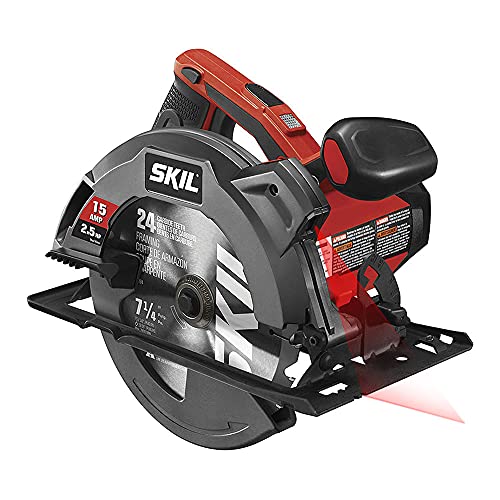


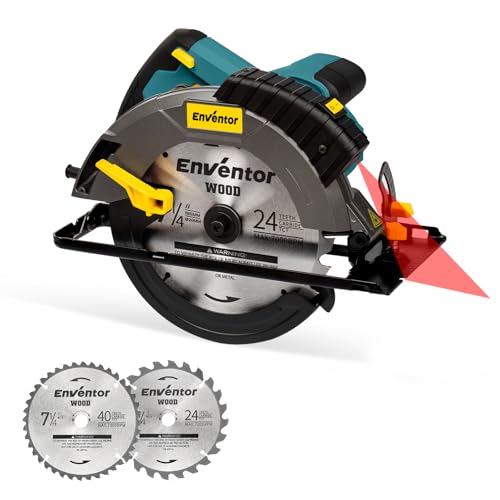
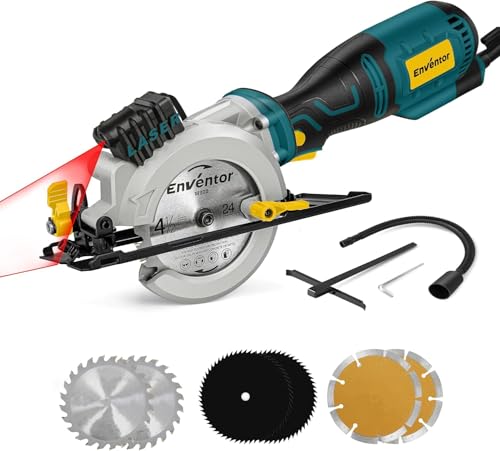
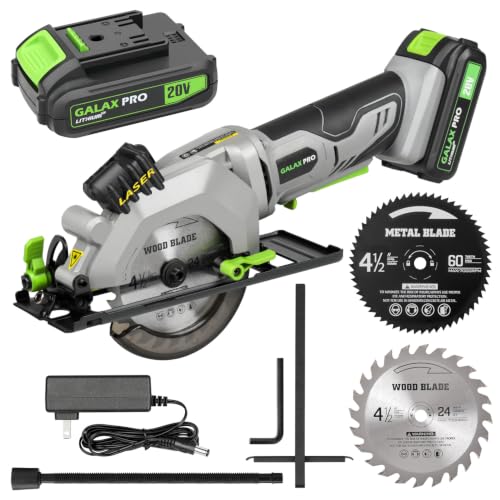
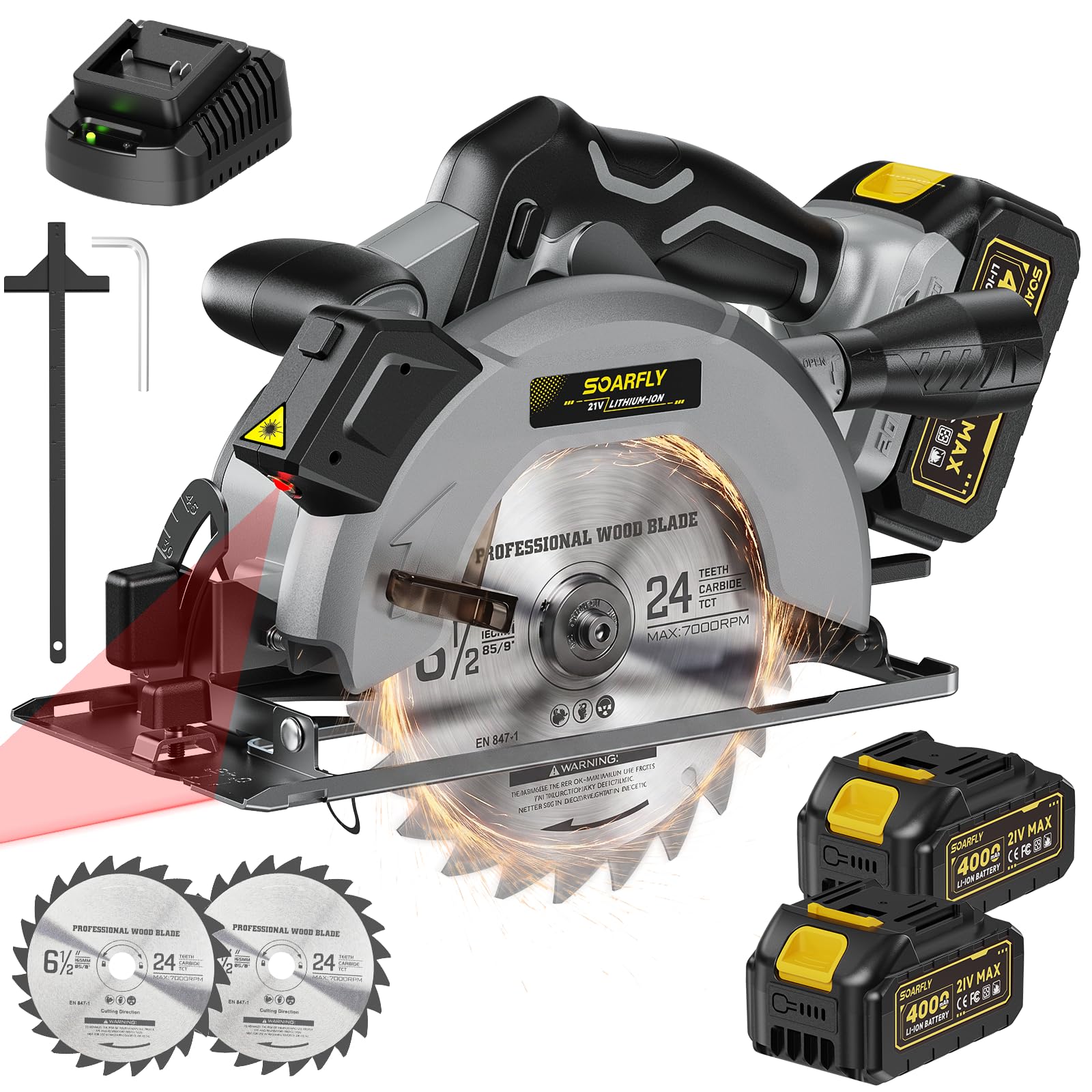

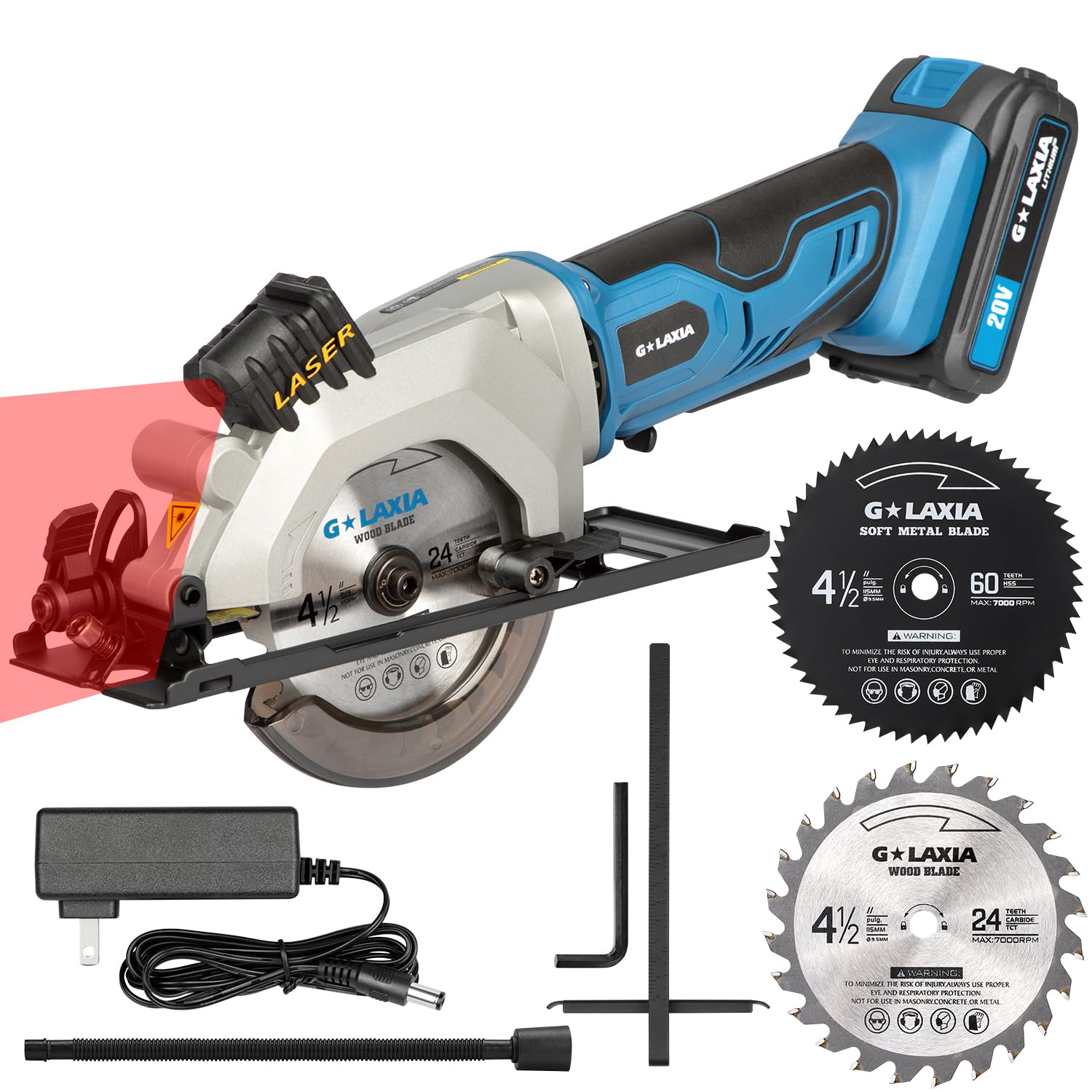
Laser Guide Saw Types at a Glance
Models with a laser guide fall into three broad types, and the type matters more than any single specification. Full size cordless saws suit framing and sheet goods anywhere on a site. Full size corded saws deliver steady power for long ripping sessions in a garage. Compact and mini saws trade depth of cut for light weight and easy storage.
- Cordless full size: best for framing, deck work, and cutting sheet goods away from an outlet.
- Corded full size: best for long rip cuts and repeated cuts in thick lumber at a fixed work spot.
- Compact and mini: best for laminate, thin plywood, and quick cuts where a full size saw feels clumsy.
Circular Saw Types With Laser Guides Compared
Cordless Full Size Saws
A cordless full size saw uses a 6 1/2 inch or 7 1/4 inch blade and runs on the same battery platform as other cordless tools from the same maker. That size cuts framing lumber in a single pass, and runtime depends on battery capacity and material thickness, so a second charged battery matters on big jobs. Weight climbs with larger batteries, which can tire your guiding arm during long plywood cuts. Choose this type if you cut away from outlets often and already own batteries that fit.
Corded Full Size Saws
A corded full size saw draws steady power from an outlet, often around 15 amps, so speed stays constant through dense lumber and long rip cuts. There is no battery to fade near the end of a cut, and the saw usually costs less than a comparable cordless kit. The cord limits where you can work and can snag on the edge of a sheet. Readers who mostly cut in one place often start with the best corded circular saw category, then check which models add a laser.
Compact and Mini Saws
Compact and mini saws use smaller blades, usually around 4 1/2 inch, and cut thinner stock such as laminate flooring, paneling, and plywood. Their light weight makes them easy to guide, and the laser line feels proportionally larger on short cuts. Depth is the clear limit, since these saws cannot handle thick framing lumber in one pass.
Storage is easy, and they suit apartments and small garages well. Choose this type for flooring, craft builds, and repairs rather than framing.
Criteria Used to Compare These Saws
Our comparison rests on five criteria drawn from manufacturer specifications and verified buyer feedback. Power and performance cover motor rating, blade speed, and depth of cut. Battery platform and runtime matter for cordless types, while ergonomics and weight shape control during long cuts.
Durability covers shoe material and guard action, and warranty terms show how long the maker supports the tool. The product table above reflects this specification based comparison.
How to Choose the Right Circular Saw
Size and Form Factor
Blade size sets depth of cut, and depth decides which materials you can finish in one pass. A 7 1/4 inch blade handles framing lumber and thick sheet goods, while a 6 1/2 inch blade cuts the same lumber in a lighter body that many people find easier to guide. Mini saws suit thin stock only, and our guide to the best mini circular saw explains their limits in detail. A wide flat shoe also tracks a guide edge more calmly than a narrow one.
Saw Type and Drive Style
Most laser guide models are sidewinder saws, where the motor sits beside the blade and keeps weight low and the body compact. Worm drive saws place the motor behind the blade, deliver strong torque for dense lumber, and stretch longer, which changes how the laser line sits relative to your view. Track style saws run on a rail for very straight cuts, but few include a laser because the rail does the guiding. Match the drive style to your material first, then look for the laser within that style.
Laser Alignment and Visibility
The laser should project a line that matches the blade path, and good designs let you adjust that alignment with a small screw or dial near the housing. Check the line against a trial cut in scrap before trusting it, and recheck after any blade change or hard knock. Bright sunlight can wash the line out outdoors, while indoor light shows it clearly.
Some lasers run on saw power and others use a small separate cell. Our walkthrough of how to use a circular saw covers safe trial cuts.
Other Features Worth Paying For
A rip fence that locks firmly helps repeat cuts stay parallel to an edge, and it pairs well with the laser on narrow strips. An electric brake stops the blade quickly after you release the trigger, which shortens the time you must hold the saw steady after each cut. A dust port that fits a shop vacuum keeps sawdust off the cut line and the laser lens, a small detail that protects the feature you paid for. Depth and bevel levers that move without tools also speed up adjustments.
Cordless or Corded Power
Cordless power wins on freedom, since you can cut on a roof, in a yard, or at the far end of a driveway without managing a cord. Corded power wins on consistency and price, and it never asks you to pause while a battery charges. Think about where most of your cutting happens rather than the rare job, because buying for the rare job leaves you managing drawbacks every normal day.
Battery Platform and Runtime
For cordless models, the battery platform is a long term commitment, since chargers and spare packs rarely swap between brands. Larger packs, rated in amp hours, run longer through thick material but add weight high on the saw where it affects balance. The calmest setup is two packs rotating so one always sits ready. Runtime claims vary with material, so treat maker figures as best case guides, and price the full kit rather than the bare tool.
Brushless Motors
Brushless motors control power electronically rather than through contact brushes, and in a circular saw that means stronger pull through dense cuts and less routine wear inside the motor. Cordless models gain the most, since efficient power use stretches each battery charge further. Brushed motors still serve well in corded saws and cost less to buy. Daily framing or frequent cuts in wet lumber reward the upgrade, while occasional plywood and trim work will not reveal much difference.
Accessories and Warranty
A carrying case protects the laser housing in transit, and a spare blade suited to your main material saves a trip before your first project. Rip fences and edge guides sometimes ship in the box and sometimes sell separately, so read the contents list before ordering. Warranty length varies by maker and by part, with motors and housings often covered longer than wear items.
How Much Should You Spend?
Expect to spend about $50 to $100 for compact corded models with a basic laser, suited to thin stock and light repairs. The middle band of about $100 to $200 covers most full size corded saws and cordless bare tools with adjustable lasers and stronger motors. Above about $200, cordless kits with large batteries, brushless motors, and longer warranties dominate.
Spending more mainly buys power, runtime, and build quality rather than a better laser. Put money toward blade size and power source first.
Do You Really Need a Circular Saw With a Laser Guide?
The laser earns its place when you make long freehand cuts in sheet goods and want early warning that your line is drifting. It also helps new users build confidence, since the line gives constant feedback that a pencil mark alone cannot. It adds little when you cut with a clamped straight edge, because the guide controls the path.
Outdoors in strong sun the line can fade so much that the guard notch becomes your real reference. Treat the laser as a helpful second opinion, never as the only guide.
Other tools solve some jobs differently. The breakdown at circular saw vs miter saw shows why a miter saw beats any handheld saw for repeated crosscuts at set angles. Likewise, circular saw vs track saw explains when a rail guided saw removes the need for a laser entirely.
FAQ
What is the best circular saw with laser guide?
The right answer depends on your material and work spot. Full size cordless models suit framing and sheet goods away from outlets, corded models suit long workshop sessions, and mini models suit thin stock and flooring. Within any type, favor a laser you can adjust, a shoe that sits flat, and enough depth for your thickest common cut.
Is a circular saw with laser guide worth it?
It is worth it when the price gap over a similar saw without a laser is small and your work involves long freehand cuts in plywood or boards. The line helps you notice drift early, when a small correction still saves the cut. One extra benefit is layout checking, since switching the laser on before a cut confirms your blade will land on the waste side of the line.
How long does a circular saw last?
A circular saw often lasts many years, and the blade usually wears out long before the tool does. Lifespan depends on dust exposure, storage, and how hard the motor works in dense material. One detail people miss is the lower guard spring, which weakens over time and should snap the guard closed briskly when you check it with the saw unplugged. A guard that closes slowly means the saw needs service.
How do you clean a circular saw with a laser guide?
Unplug the saw or remove the battery, then brush loose dust from the shoe, guard, and motor vents with a soft brush. Wipe the laser lens gently with a dry microfiber cloth, since a scratched or dusty lens spreads the line and makes it look out of alignment. Avoid strong compressed air, which can push grit deeper into the housing. Clean the lens before checking alignment, because dust alone can shift where the line appears to fall.
What is the most reliable circular saw brand?
No single brand wins for every buyer, and reliability often reflects the local service network as much as tool build. A more useful measure is support near you, since a saw you can service nearby beats a marginally tougher saw with no repair path.
Can a laser guide be added to a circular saw?
Some add on laser attachments exist, and they mount near the blade guard or upper housing. Their weakness is stability, since a small bump can shift the line and there may be no fine adjustment to correct it. Alignment can also change when the attachment flexes during a cut. A factory fitted laser with a proper adjustment holds its setting far better, so regular users should buy a saw built with the feature.
Final Thoughts
Start with blade size and power source, confirm the laser can be adjusted, and then compare weight, warranty, and kit contents within your budget. The product table above gathers the types side by side to make that shortlist easier. Chosen with those priorities, the best circular saw with laser guide will help you cut straighter from the first project onward. Check the current price and contents on the product page before you order, since kits and included accessories change over time.


