Best Cold Frame Greenhouses: Types, Sizing and Care for 2026
Disclosure: We may earn a commission when you buy through links on this page, at no extra cost to you. As an Amazon Associate I earn from qualifying purchases. Learn more

Match cold frame materials, glazing and size to your beds so the best cold frame greenhouse starts seeds early and shelters crops through frost.
A cold frame looks simple, just a low box with a clear lid, yet choosing the wrong one leaves you with cracked panels, a lid that slams in wind, and seedlings that cook on the first sunny day. The best cold frame greenhouse for your garden depends on your climate, the crops you grow, and how much lifting and venting you want to do each day. This guide compares frame and glazing types by build materials and weather resistance, size and capacity, and ease of assembly, so you can match a design to your beds instead of guessing from photos.
Use the product table to see how the main types differ at a glance, then read on for sizing help, anchoring advice, and care steps. If you later want a larger structure, our guide to the best greenhouse shows what you gain by stepping up in size and cost.
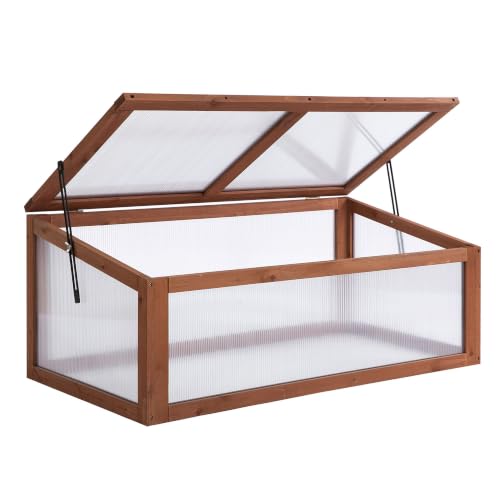
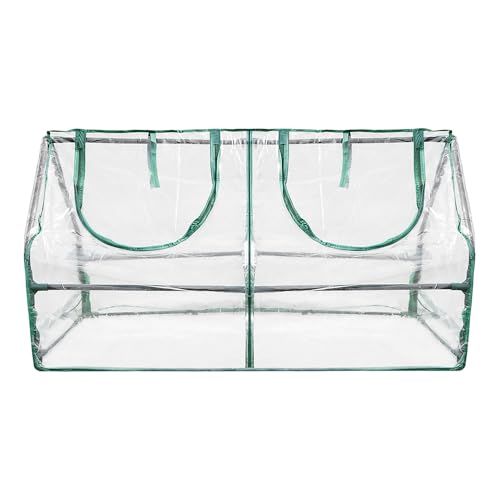
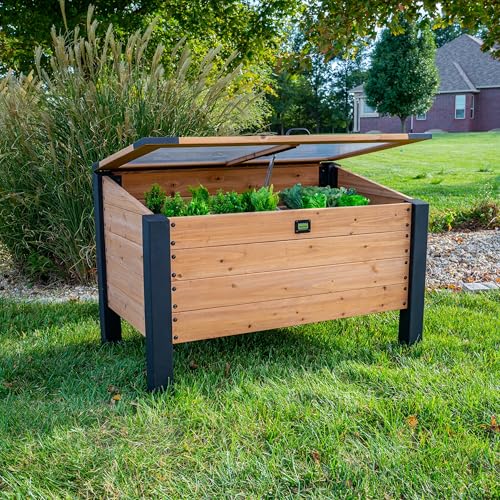

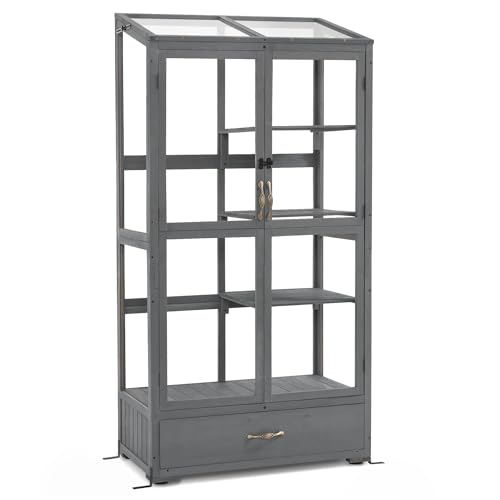

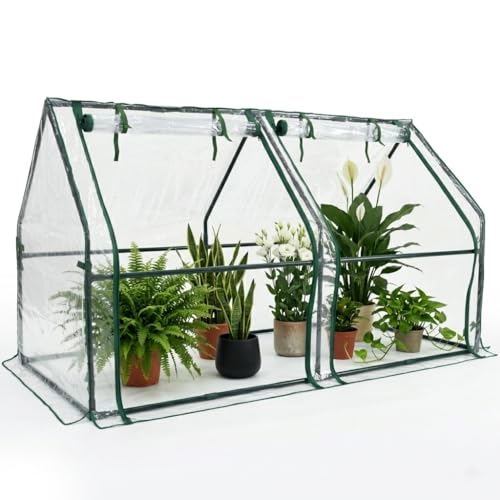

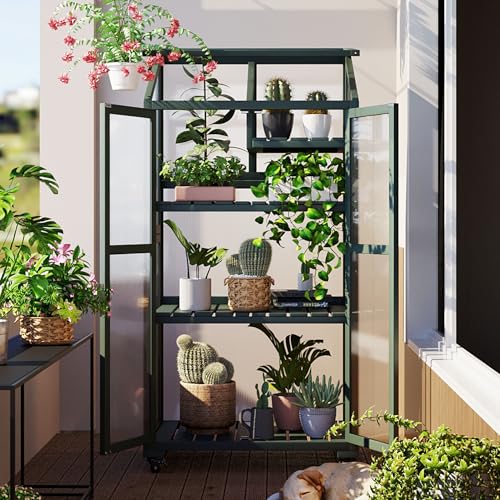
Cold Frame Types Compared
Cold frames fall into three broad types, and the type matters more than styling details. Each suits a different budget, climate, and length of service, and none needs power, plumbing, or a foundation slab.
- Wood frames with glass or rigid plastic lids. Wood insulates well and looks at home beside raised beds. It is heavy, so it stays put in wind, but it needs paint or oil to resist rot. Glass lids let in the most light and can be heavy to lift.
- Aluminum frames with polycarbonate panels. Aluminum will not rot and stays light for moving between beds. Polycarbonate panels resist impact from hail and stray tools, and they diffuse light so leaves scorch less often than under plain glass.
- Plastic frames with film or rigid plastic covers. These cost the least and arrive flat for quick assembly. They suit one or two seasons of seed starting, but thin covers tear sooner and light frames need extra anchoring on open sites.
Think of the choice as a trade between weight, durability, and light. Heavy wood and glass reward a fixed spot, while light aluminum and polycarbonate suit gardeners who move the frame as beds change.
Who Should Buy a Cold Frame Greenhouse?
Seed starters who want an early start
You sow tomatoes, peppers, and brassicas indoors, then need a bright outdoor step before planting out. A cold frame gives seedlings real sun and moving air while still shielding them at night, so stems grow stocky instead of leggy. Choose a lid that props open at more than one height, since young plants need small vents on mild days before they need the lid fully open.
Salad and herb growers extending the season
You grow lettuce, spinach, arugula, and herbs that stall once nights turn cold. A frame placed over an existing bed traps daytime warmth in the soil and keeps hard rain off tender leaves. You gain weeks of harvest in fall and an earlier start in spring without heating anything. Pick a frame that matches your bed width so the edges seal against the soil.
Gardeners protecting tender plants through winter
You keep potted figs, young perennials, or alpine plants that need cold but not deep freezing or winter wet. A frame in a sheltered corner buffers the sharpest frosts and sheds rain off crowns that rot in soggy soil. You still need to open the lid on bright winter days, since even cold loving plants overheat fast under glass when the sun is strong.
What to Compare in a Cold Frame
Compare cold frames on build materials and weather resistance, size and capacity, assembly, durability, and warranty, using maker specifications and patterns in buyer reports. A strong design holds its lid at set angles and seals well at the base. Weak points in owner reports include split joints, cloudy panels, and loose hinges, so those details carry real weight here.
How to Choose the Right Greenhouse
Size and form factor
Most cold frames cover a single bed section, commonly about 2 feet by 4 feet or 4 feet by 4 feet, with lids sloping from roughly 12 to 18 inches at the back down to 8 to 12 inches at the front. Taller backs suit potted plants and young shrubs, while low frames suit leafy crops. If space is tight on a patio or balcony, a best mini greenhouse may fit better than a wide frame, since it grows upward instead of outward across the ground.
Type and glazing options
Glazing decides how much light reaches your plants and how the frame handles knocks. Glass is clear and heavy, polycarbonate is light and impact resistant but slightly less clear, and thin film is cheap but short lived. If you are weighing a larger house later, the detailed comparison of polycarbonate vs glass greenhouse glazing explains clarity, insulation, and cost over time. For a dedicated panel house, see the best polycarbonate greenhouse options after you outgrow ground level growing.
Features worth paying for
Pay for a lid prop with several fixed stops, since seedlings need a crack of air long before they need full ventilation. Pay for hinges that bolt through the frame rather than thin screws into the surface, and for a lid handle you can grip with gloves on. A removable lid helps for planting and harvest in deep beds. Skip fancy extras such as built in shelves inside a low frame, since they shade the plants below and collect water where stems sit.
Weather resistant materials
Frames live outdoors in rain, frost, and strong sun, so material choice drives lifespan. Cedar and treated pine resist rot but still need a finish renewed every year or two. Powder coated aluminum resists rust at cut edges less well than anodized aluminum, so check how the maker protects joints. Panels rated for ultraviolet protection stay clear longer, while unrated plastic turns brittle and yellow. In cold regions, compare designs rated in guides to the best greenhouse for winter to judge snow and frost behavior before you buy.
Size for your space
Measure the bed, not the garden. Leave about 12 inches of clear space on the opening side so you can kneel, lift the lid, and set down a tray without stepping on crops. On slopes, place the tall back uphill so rain runs toward the low front and off the lid rather than pooling at the hinge. In small plots, two narrow frames often serve you better than one wide frame, since you can open one bed while the other stays closed for tender crops.
Assembly and anchoring
Most frames assemble with basic hand tools in under an hour, but panel frames need care to keep corners square before you tighten the last bolts. Set the frame on level soil or gravel, since a twisted base makes lids bind and leaves gaps that leak heat at night. Anchor light frames with ground stakes, bricks on the base flange, or screws into the raised bed frame. In windy gardens, add a simple cord or chain that stops the open lid from flipping backward in a gust.
Care and off season storage
Wash glazing with mild soap and water at the start of spring, since a film of dirt can cut light just when seedlings need it most. Oil wood frames before winter, tighten hinge bolts each season, and store thin film covers indoors out of sun when not in use. Rigid frames can stay in place year round if you prop the lid slightly in summer to prevent heat damage to empty soil. For larger structures, the steps in how to winterize a greenhouse cover sealing, cleaning, and water care before freezing weather arrives.
How much should you spend?
Basic plastic frames often cost under $50 and suit a single season of seed starting. Wood and polycarbonate frames commonly fall around $100 to $250, with larger designs above that range. Spending more should buy thicker glazing, stronger hinges, and better ultraviolet protection, not decorative trim. If a frame costs close to a small walk in house, compare footprint and headroom before you decide.
Cold Frame vs Other Greenhouses: Pros and Cons
A cold frame is the smallest step in protected growing. Unlike a full greenhouse, it has no door and no room to stand, and you work in it from outside with the lid raised. That limit is also its strength, since the soil itself stores warmth overnight.
- Pros. Low cost, no foundation, fast assembly, easy to move between beds, and strong season extension for low crops and seedlings.
- Cons. No working space inside, daily manual venting in sunny weather, limited height for tall crops, and less protection in severe cold than an insulated house.
Choose a cold frame when your crops stay low and your main enemies are light frost, heavy rain, and cold wind. Choose a larger house when you need to overwinter tall plants or grow crops that climb. Many gardeners use both.
FAQs
What is the best cold frame greenhouse for a beginner?
For a beginner, the best choice is a mid size polycarbonate frame with a lid that props at several heights and a base that fits your existing bed. Start with forgiving crops such as lettuce and radish while you learn venting habits. Keep a simple notebook of opening times on sunny days for the first two weeks, since that routine, more than any feature, decides whether seedlings thrive or scorch in a new frame.
Are cold frame greenhouses worth it for home gardeners?
Yes, if you start seeds, grow salads, or lose plants to late frost most years. The frame pays back fastest when you use it in both spring and fall rather than for one short sowing. One extra use many gardeners miss is hardening off plants bought from indoor garden centers, since even nursery grown stock needs a week of sheltered outdoor light before it faces full sun and wind in open beds.
How long does a cold frame greenhouse last?
A wood or aluminum frame with rigid panels often lasts about 5 to 10 years with yearly care, while thin film covers may need replacing after 1 to 2 seasons. Lifespan drops fast when lids slam, panels stay dirty, or frames sit in standing water. Brushing snow off the lid before it turns to ice protects joints and glazing, and that single winter habit prevents many of the cracks owners blame on cold alone.
Is a greenhouse worth it if you already use a cold frame?
A full greenhouse is worth it when you run out of frame space, need height for tomatoes and cucumbers, or want to work with plants during rain. It is not worth it if your beds are few and your crops stay low, since a house costs more to buy, site, and ventilate. Try keeping a simple list for one season of every task you wished you could do under cover, then judge the upgrade from real use.
How do you clean a cold frame greenhouse?
Empty the frame, brush out old compost and leaves, then wash panels inside and out with warm water and mild soap using a soft cloth. Rinse well, since soap residue can spot leaves and attract dirt. Check corners for algae and wipe them with a cloth, then leave the lid open until everything dries. Clean frames in late winter on a calm day, and avoid pressure washers that force water into panel channels.
What makes a cold frame greenhouse brand reliable?
Reliability shows in spare parts, clear assembly guides, and panels and hinges you can replace years later, not in bold claims on the box. A dependable maker publishes panel thickness, frame material, and warranty terms in plain language. Check whether replacement lids and hardware are sold on their own before you buy, since a frame you can repair will outlast a cheaper frame that must be thrown away when one hinge or panel fails.
Final Thoughts
A cold frame rewards simple, steady habits: vent on sunny mornings, close before cold nights, and keep the glazing clean. Match the frame to your bed size, pick glazing that suits your climate, and anchor it well, and the best cold frame greenhouse for your garden will start seeds earlier, stretch fall harvests, and shelter tender plants for years. Compare your short list against the product table above before you order, and start with one frame to learn the routine before adding more.