
Best Citronella Oil: Essential Oil or Torch Fuel, Which to Buy for 2026
Disclosure: We may earn a commission when you buy through links on this page, at no extra cost to you. As an Amazon Associate I earn from qualifying purchases. Learn more

Two products share the name. Our best citronella oil guide compares essential oil for diffusers with torch fuel for tiki torches, with sizes, labels and safe storage.
Two very different products share the name citronella oil, and buying the wrong one is the most common mistake in this category. One is a pure essential oil sold in small dropper bottles for diffusers and homemade sprays. The other is citronella scented torch fuel or lamp oil sold by the gallon for tiki torches and oil lamps. The best citronella oil for a quiet evening on the patio, a diffuser indoors, or a backyard party depends on which of those jobs you have in mind, so this guide covers both.
Start by thinking about where you will use the oil, how often, and how strong you want the scent. Those three answers narrow the field quickly. From there, compare bottle size, how the oil is dispensed, and the cost per ounce or per hour of burn time, rather than judging by price alone. The comparison table below shows both types side by side.


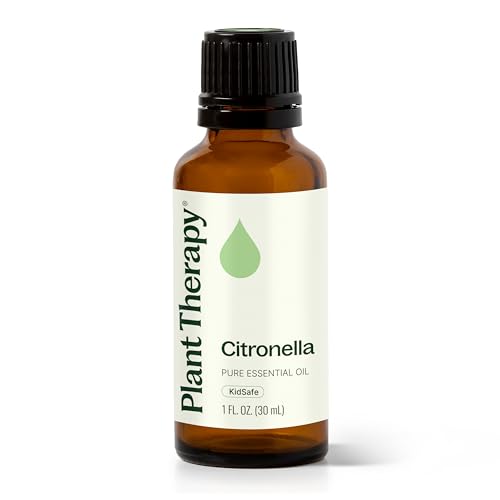
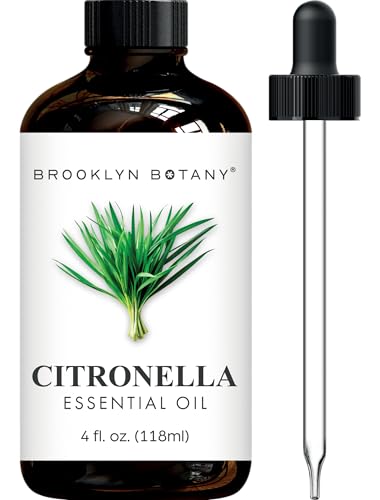

Essential Oil or Torch Fuel: Which Citronella Oil Do You Need?
Citronella Essential Oil
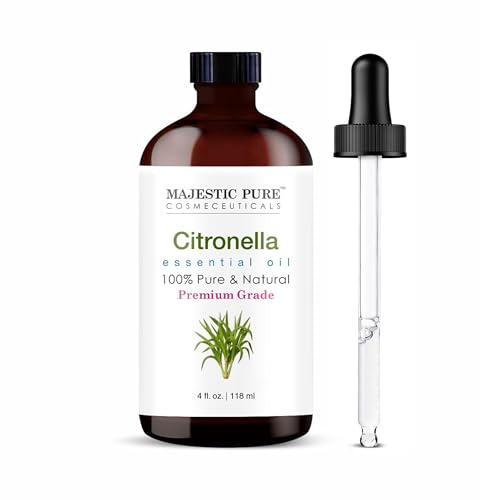
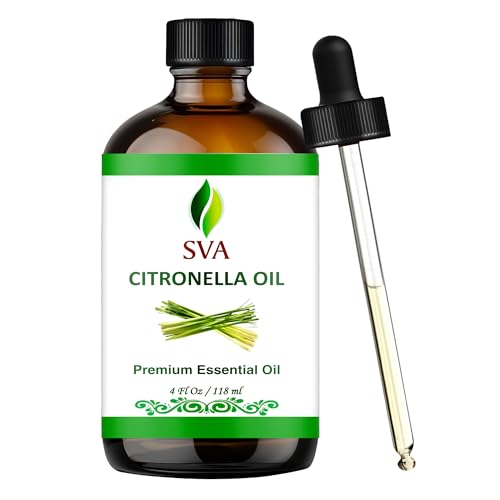
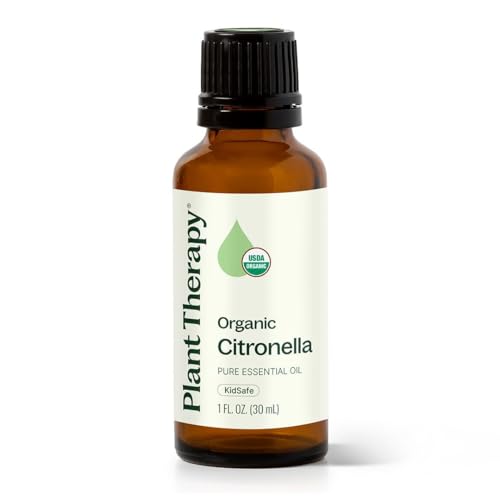
Citronella essential oil is distilled from the leaves and stems of citronella grass and sold in small bottles, usually 1 to 4 ounces, with a dropper or orifice reducer. It has a sharp, lemony, slightly grassy scent and is used in ultrasonic diffusers, in homemade candle and spray recipes, and in DIY cleaning blends. Two types appear on labels: Java citronella, which has a stronger, fresher scent and is the common choice for scent work, and Ceylon citronella, which smells softer and woodier.
Essential oil is concentrated. It should never be poured into a torch, used undiluted on skin, or taken by mouth, and it needs to stay well away from children and pets. Cats and dogs in particular can react badly to concentrated essential oils, so keep diffusers in rooms pets can leave. If you are shopping for a diffuser blend rather than a single oil, see our guide to the best diffuser oils for related options.
Citronella Torch Fuel and Lamp Oil
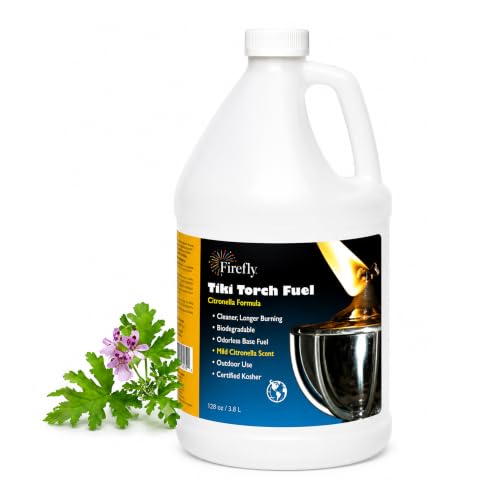
Torch fuel is a refined paraffin or similar lamp oil scented with citronella and sold in half gallon and gallon jugs. You pour it into tiki torches, table torches, or oil lamps, and the scent spreads as the wick burns. Buyers compare these jugs on how cleanly they burn, how much smoke and odor they give off, how easy the jug is to pour, and the price per gallon.
Torch fuel is for outdoor use in torches designed for it. It is not an essential oil, it is not for diffusers, and it should be stored like any fuel: capped tightly, in a cool place, away from flames and out of reach of children. Read the torch maker's instructions for the fuel types it accepts before you buy a gallon.
Who Should Buy Which Citronella Oil?
For Patio Evenings and Backyard Parties
If your goal is a scented, torch lit yard, torch fuel is the product you want. A gallon jug fills several torches many times over, so one purchase usually lasts a season of weekend evenings. Prioritize low smoke formulas if guests sit close to the torches, and an easy pour spout, because filling a narrow torch canister from a heavy jug is where most spills happen.
For Indoor Diffusers and Homemade Blends
Choose a pure citronella essential oil in a dark glass bottle with a dropper. A 1 ounce bottle covers months of diffuser use at a few drops per session, while a 4 ounce bottle suits people who make their own sprays, candles, or soap. Look for the botanical name and the country of origin on the label, and for a brand that publishes batch or purity information.
For Pets, Yards and Outdoor Projects
Some buyers want citronella for a dog yard spray, a chicken coop, or a homemade garden mix. Essential oil is the usual ingredient, but concentration matters and animals vary in sensitivity, so follow a tested recipe, dilute properly, and ask a veterinarian before using any essential oil around animals. For anything applied to skin, a ready made product with clear directions is the safer path.
Key Features to Compare
Purity and Labeling (Essential Oil)
A good essential oil label states the plant species, the plant part used, the extraction method, and the origin. Vague labels that only say "fragrance" or "aromatherapy oil" may be diluted or synthetic. Dark glass protects the oil from light, and a built in dropper or reducer makes dosing a diffuser easy. Organic certification is a plus for some buyers but is not required for scent use.
Burn Quality and Smoke (Torch Fuel)
Torch fuels differ mainly in how much smoke and smell they produce and how long a fill lasts. Formulas labeled low smoke or smokeless burn cleaner, which matters when torches ring a dining table. Check that the fuel is intended for the torch type you own, since some table torches and lamps specify paraffin lamp oil only.
Bottle and Jug Design
For essential oil, a secure cap and a dropper that does not drip down the bottle keep the oil fresh and your hands clean. For torch fuel, an easy pour spout or a built in handle on a gallon jug saves spills and waste. A thin jug that buckles when half full is a real annoyance every time you refill.
Scent Strength and Realistic Expectations
Citronella has a long reputation as a pleasant outdoor scent, and it appears in many repellent products. Results outdoors vary with wind, humidity and how many torches or candles you light, so treat a torch lit patio as a scent and atmosphere choice first. When bites are a serious concern, follow the directions on a registered repellent product rather than relying on scented fuel or an essential oil on its own.
Price and Value
Expect roughly $10 to $25 for a 1 to 4 ounce bottle of pure citronella essential oil, and about $15 to $45 for a half gallon to gallon jug of torch fuel, with low smoke and premium lamp oils at the top of that range. Value for essential oil is cost per ounce against how many drops you use per week. Value for torch fuel is cost per gallon against burn hours, so one gallon of a cleaner burning fuel can be the better buy if it means fewer refills and no soot on the torch glass.
Common Mistakes to Avoid
- Pouring essential oil into a torch or diluting torch fuel for a diffuser. The two products are not interchangeable in either direction.
- Buying a gallon of torch fuel for one small table torch, then storing an open jug of fuel for years.
- Using undiluted essential oil on skin or near pets without guidance, which can cause irritation or worse.
- Choosing by price alone and ending up with a smoky fuel that drives guests away from the table.
- Ignoring the label on a cheap "citronella oil" that is actually a diluted fragrance blend.
How to Store and Use Citronella Oil Safely
Keep essential oil in its dark glass bottle, tightly capped, in a cool drawer out of sunlight, and use within the time the maker suggests, since citrus and grass oils fade over a year or two. Store torch fuel upright in its original jug with the cap tight, away from heat, flames and living spaces, and never refill a torch while it is lit or still hot. Wipe spills promptly, since both products can mark wood and stone, and keep both well out of reach of children and pets. Follow the manufacturer's instructions on every label.
Frequently Asked Questions
Can I use citronella essential oil in a tiki torch?
No. Essential oil is not a fuel and will not burn safely or evenly in a torch wick. Torches need a lamp oil or torch fuel made for them. If you want citronella scent from a torch, buy a citronella scented torch fuel, which is lamp oil with the fragrance already blended in.
Is citronella torch fuel safe to use indoors?
Torch fuel is made for outdoor torches in open air. Some paraffin lamp oils are labeled for indoor oil lamps, and only those should be used indoors, in the lamp type the label names, with ventilation. Scented torch fuel in a tiki torch belongs outside.
Is citronella oil safe around dogs and cats?
Concentrated essential oils can be harmful to pets, and cats are especially sensitive. Keep bottles sealed and out of reach, run diffusers only in rooms pets can leave, and ask a veterinarian before applying any citronella product to or near an animal. Torch fuel should always be kept where pets cannot reach or knock it over.
How long does a bottle or jug last?
A 1 ounce bottle of essential oil holds hundreds of drops, so at a few drops per diffuser session it lasts months. A gallon of torch fuel refills a typical set of four yard torches many times, and most households get a season or more from one jug. Track your first purchase to learn your own pace before buying a larger size.
Which type of citronella essential oil smells best?
Java citronella is sharper and more lemony and is the common pick for diffusers and candle making. Ceylon citronella is softer and slightly woody. Both are genuine citronella; the choice is a matter of scent preference and how strong you want a room or patio to smell.
The Bottom Line
Decide first whether you need a fuel for torches or a pure essential oil for diffusers and blends, because that choice rules out half the listings at once. Then compare labels, smoke and pour design for fuel, or purity and bottle design for essential oil, and buy the size that matches how often you will actually use it. When you are ready, return to the product table above and check each choice against your main use. The best citronella oil is the one that fits where you use it, how often, and how strong you want the scent to be.


