
Best Coiled Hoses for 2026: What to Check Before You Buy
Disclosure: We may earn a commission when you buy through links on this page, at no extra cost to you. As an Amazon Associate I earn from qualifying purchases. Learn more
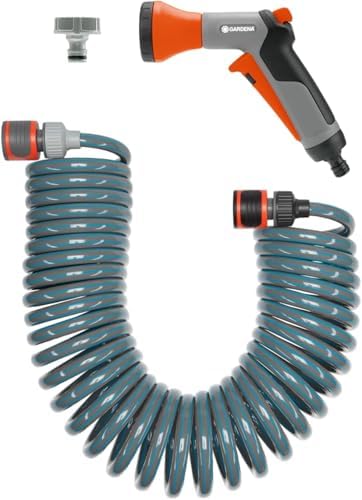
Compare coiled hose length, diameter, tubing, and fittings to pick a compact hose that recoils neatly and waters patios, beds, and small gardens well.
A coiled hose earns its space by shrinking back into a tight spring the moment you let go, so a small yard stays clear of loops and tripping hazards. The trade off is that every coil resists you as you pull, and the narrow tubing moves less water than a standard hose. Choosing the best coiled hoses starts with your tap location, your longest watering run, and how much flow your plants actually need.
This guide walks through sizing, tubing, fittings, and care in plain terms, with the comparison table below summarizing the main types side by side. By the end you will know when a coil is the right tool and when a conventional hose would serve you better.


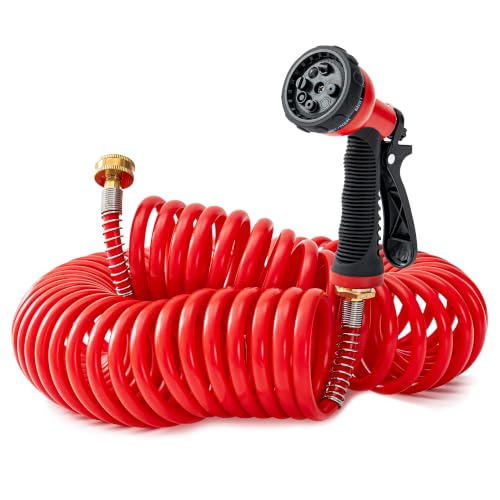
Start With Your Watering Layout
Patios, Decks, and Balconies Close to a Tap
This is the home turf of the coiled hose. Watering pots, hanging baskets, and a few containers rarely needs more than about 15 to 25 feet of reach, and the coil pulls itself back onto the deck instead of sprawling across boards or pavers. A short coil also drains fast and stores in a bucket or on a hook, which suits renters and anyone with no room for a reel.
Raised Beds and Greenhouse Benches
Raised beds reward a hose that stays off the soil and out of the planting rows. A medium coil stretches down a bed line, then lifts clear when you release it, so it does not drag across seedlings or crush mulch. In a greenhouse, the same spring action keeps walkways open. If your beds sit far from the tap, compare your layout against the reach of best garden water hoses, since a standard hose handles long runs with far less pull back.
Rinsing, Washing, and Odd Jobs
Many owners buy a coil mainly for quick rinsing: muddy boots, patio furniture, a bicycle, or the dog after a walk. These jobs need modest flow and short bursts, so a narrow coil works well and stores beside the door. For watering a whole lawn, though, the small diameter makes the job slow, and a design from the best lawn hoses category will fill the role better.
The Specs That Decide How a Coil Behaves
Stretched Length Versus Usable Reach
Makers rate coiled hoses by stretched length, commonly about 25 or 50 feet, but usable reach is always shorter. The last few feet of a coil pull hard against you, and working at full stretch wears the tubing and your arm. A practical rule is to plan on using about two thirds of the rated length for comfortable work. Measure your longest run with a tape, then buy the next size up so the hose reaches without a fight.
Inner Diameter and Water Flow
Most coiled hoses use tubing of about three eighths of an inch inside, far narrower than the five eighths inch bore of a typical garden hose. That narrow path cuts flow, so filling a deep watering can takes longer and spray patterns feel softer. For hand watering pots and beds this rarely matters. For sprinklers or long soaking sessions it matters a great deal, so match the diameter to the thirstiest job you expect.
Tubing Material: Polyurethane, EVA, and PVC
Polyurethane coils hold their spring for years, resist kinking, and stay flexible in cool weather, which is why they anchor the higher price bands. EVA tubing costs less and feels light, though it can soften and sag in hot sun. PVC coils are the budget option and often turn stiff as they age. Shoppers comparing build quality across hose styles can also look at best quality hoses for a sense of how materials and warranties scale with price.
Fittings, Nozzles, and End Connections
Solid brass fittings seal better and survive being dropped on concrete, while molded plastic ends keep weight and price down but can crack after a season or two of sun. Check that both ends use standard garden hose threads so your existing nozzles fit. Many coils include a spray nozzle, and pairing one with the adjustable patterns covered in best hose sprayers gives you a gentle shower for seedlings and a firm jet for rinsing.
Recoil Strength and Coil Memory
A good coil snaps back evenly along its whole length instead of bunching near the tap. Strong recoil keeps the hose tidy, yet it also means the hose tugs at your hand and can whip a light nozzle around when released. Models with a swivel at the tap end resist twisting as you move. If you water delicate plantings, a gentler coil that you guide back by hand often suits better than the springiest option.
Drinking Water Safety and Sun Exposure
Only fill drinking containers, pet bowls, or a camper tank from a hose labeled as drinking water safe, with lead free fittings. Other coils are for garden use only, and you should wash your hands after handling them and working in the soil. Sun is the other slow threat: ultraviolet light breaks down cheap tubing, so a coil rated for outdoor exposure, stored in shade between uses, will outlast one left baking on a south facing wall. Durability notes like these apply across the best outdoor hoses category, not just to coils.
What Coiled Hoses Cost at Each Level
Starter Coils for Light Duty
Expect to pay about $15 to $30 for a short PVC or EVA coil with plastic fittings and a basic nozzle. These suit a balcony or a small patio where the hose works a few minutes a day. Plan on a shorter service life, and treat the purchase as a trial of the coiled format before spending more.
Everyday Coils for Regular Watering
The middle band runs about $30 to $55 and brings polyurethane or better EVA tubing, brass fittings, and a longer stretched length. For most small gardens this is where value sits: the coil keeps its shape, the ends seal without dripping, and the flow is steady enough for beds and containers. A swivel connector and a decent nozzle often appear at this level too.
Heavy Duty Coils for Season After Season
Premium coils cost about $55 to $90 and add thicker polyurethane walls, machined brass ends, and stronger recoil that survives daily use. They make sense for greenhouse growers and market gardeners who pull a hose out many times a day. You are paying for tubing that resists abrasion on gravel and concrete, not for greater flow, since the diameter stays modest.
Buying Mistakes That Lead to Fast Returns
- Buying by stretched length alone, then finding the comfortable reach falls several feet short of the far bed.
- Expecting sprinkler level flow from narrow tubing, which starves the sprinkler and leaves dry arcs on the lawn.
- Ignoring the fitting material, so a cracked plastic end starts leaking where it meets the tap within one season.
- Filling a drinking bottle from a coil that is not labeled drinking water safe.
- Storing the hose stretched out in full sun, which fades and stiffens the tubing and weakens the coil.
- Dragging the coil across sharp gravel or brick edges, which scuffs the outer wall until it splits under pressure.
Simple Habits That Keep a Coil Working
Drain the hose after each use by lifting it from the far end and letting water run back out, which keeps the coil light and discourages slime inside the tube. Hang it on a hook or drop it in a lidded bucket rather than leaving it on hot paving. Before freezing weather, empty it fully and store it indoors, since trapped water expands and can split the tubing. Rinse grit out of the nozzle threads each spring, and replace worn washers at the tap end the moment a drip appears.
Frequently Asked Questions About Coiled Hoses
Can a coiled hose run a lawn sprinkler?
It can, but the result usually disappoints. Sprinklers need both pressure and volume, and narrow coil tubing restricts volume, so the spray radius shrinks and coverage turns patchy. A small oscillating sprinkler on a short coil may water a tiny patch acceptably. For a full lawn, run the sprinkler from a standard hose and keep the coil for hand watering.
Why does a coiled hose pull back so hard near the end of its reach?
The spring tension rises the farther the coils are stretched apart, so the last stretch of any coil fights you the most. That pull is the price of the self storing design. Working one size longer than your longest run keeps you in the easy middle range. Resting the nozzle hand against your hip or stepping on a slack loop also eases the strain during long sessions.
Can a coiled hose be repaired after it springs a leak?
A leak near either end is often fixable by cutting away the damaged inch and refitting the connector with a clamp or compression fitting. A split in the middle is harder, because cutting out a section shortens the coil and changes its spring balance. Patching compounds rarely hold under pressure for long. If the tubing has split from sun damage, replacement is the honest fix.
How should a coiled hose be stored on a small balcony?
Coil it loosely into a bucket or a ventilated storage box once it has drained, and keep the container out of direct sun. Hanging the hose from a single hook by one loop can stretch that section over time, so a wide hook or a rail that supports several coils is kinder. Bring the bucket indoors during hard freezes to protect both tubing and fittings.
Is a coiled hose a good way to fill a pool or a large tank?
It will do the job eventually, but slowly. The narrow bore that makes a coil light and tidy also limits gallons per minute, so a big fill can take several times longer than with a standard hose. Heat building in a sun warmed coil can also make the first water out noticeably warm. For regular large fills, use a wide hose and save the coil for daily watering.
Final Thoughts
Measure your longest run, pick a diameter that matches your thirstiest task, and favor brass fittings and polyurethane tubing if the hose will work every day. Keep the product table above in mind as you compare lengths and materials side by side. Chosen with realistic expectations, the best coiled hoses keep a small space neat, water exactly where you point them, and disappear back onto the hook when the job is done.


