
Best Coffee Tables: A Complete Buying Guide
Disclosure: We may earn a commission when you buy through links on this page, at no extra cost to you. As an Amazon Associate we earn from qualifying purchases. Learn more
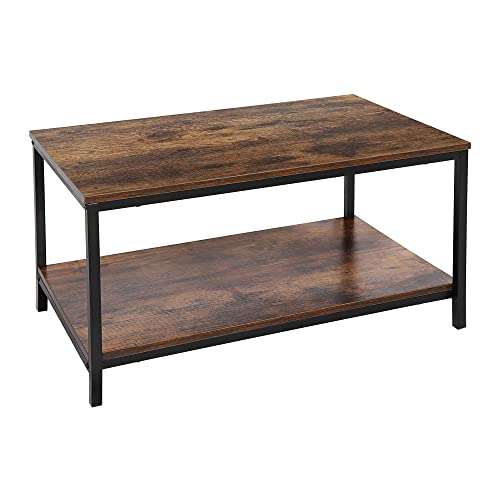
Finding the best coffee tables for your living room is less about chasing a trend and more about matching a table to how you actually sit, eat, and live in the space. The right piece pulls a seating area together, gives you somewhere to set a drink or rest your feet, and holds up to years of daily use. The wrong one ends up too tall for your sofa, too fragile for your household, or just awkward to walk around. This guide walks through the decisions that matter most: size and height, shape, materials, storage options, and what different budgets actually get you, so you can shop with a clear picture of what you need before you start browsing.
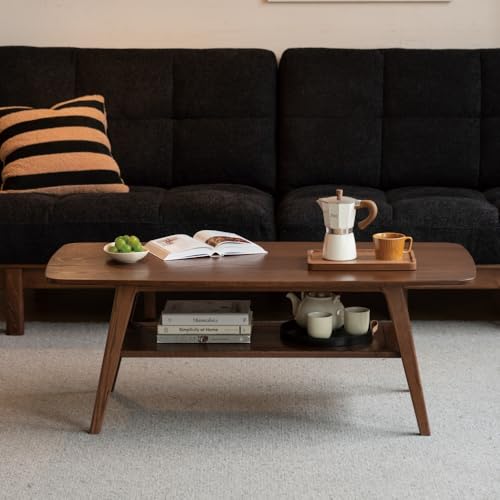
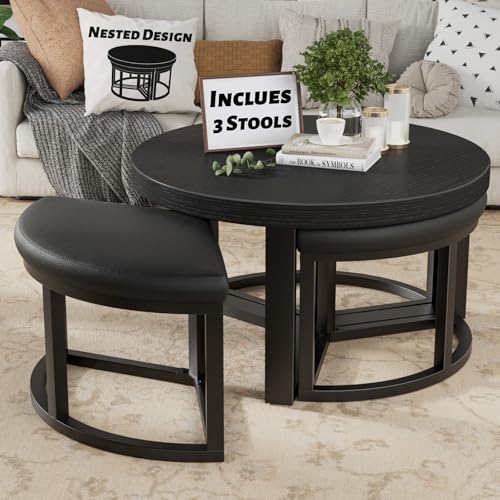
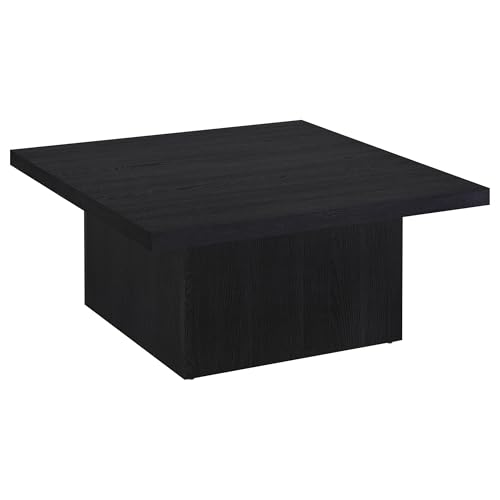
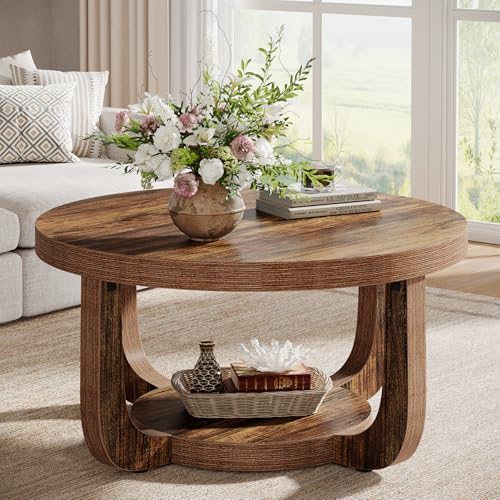

Getting the Size and Height Right for Your Sofa
Size is where most coffee table purchases go wrong, usually because it's easy to judge a table in a showroom or product photo and hard to picture it next to your own sofa. As a general rule, aim for a table that's roughly half to two-thirds the length of your sofa. Anything much longer starts to dominate the room, and anything much shorter can look lost in the space and leave awkward gaps on either end.
Height matters just as much as length. Most coffee tables sit somewhere between 16 and 18 inches tall, which keeps the surface close to seat height so you're not reaching up or down to grab a mug. A good target is a table that sits within an inch or two of your sofa cushion height, give or take, rather than one that towers over or disappears below the seating around it.
Leave enough breathing room, too. Aim for at least 14 to 18 inches of clearance between the table's edge and your sofa or chairs, so people can walk through comfortably without bumping their shins.
Choosing a Shape That Fits Your Room's Flow
Shape affects how a room feels to move through as much as how it looks. Rectangular tables are the default for a reason: they mirror the shape of most sofas and make efficient use of long, narrow living rooms. If your space leans open-concept or you have a sectional with a wraparound corner, a rectangular or oval top tends to fill the area without crowding the seating.
Round tables shine in smaller rooms and homes with kids or pets, since there are no sharp corners to navigate around. They're also easier to walk past in tight layouts because you can cut the corner instead of squaring off around a straight edge. Oval tables split the difference, offering the extra surface area of a rectangle with softer, safer edges.
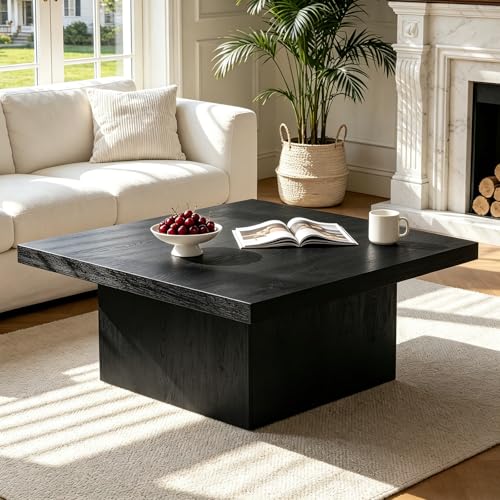
Square tables work best in front of a matching square sectional or in a room that's roughly square itself, where a round or long rectangular shape would feel out of proportion. When in doubt, look at your room's overall shape and your main traffic path before deciding.
Material Options and What They're Really Like to Live With
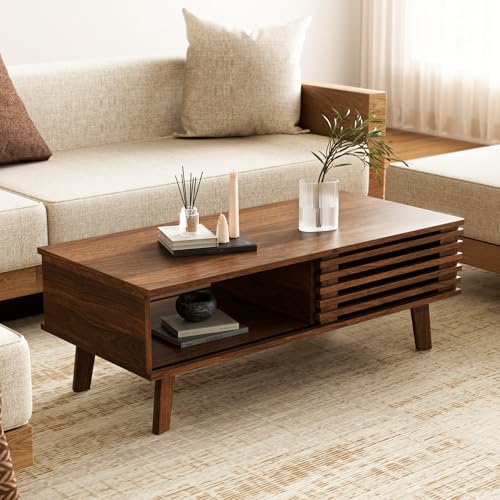
Wood is the most common tabletop material, and for good reason. It's warm, versatile, and forgiving of everyday wear, though it can pick up scratches and water rings if you skip coasters. Solid hardwood can typically be sanded and refinished down the road, while engineered wood and laminate options trade some longevity for a lower price.
Glass tops make a room feel lighter and more open, which is useful in smaller spaces where a bulky wood table would feel heavy. Tempered glass resists scratches well, but it shows fingerprints and smudges quickly and needs more frequent wiping down.
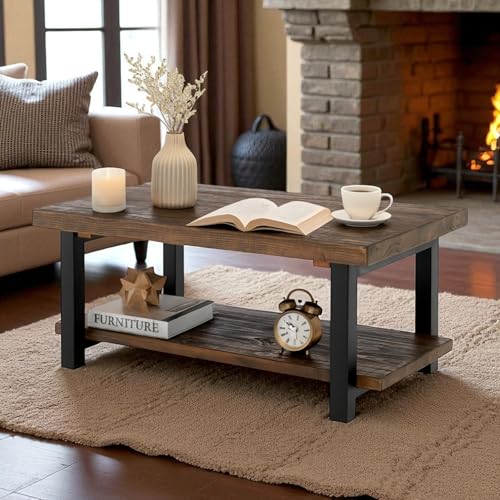
Metal frames, often paired with a wood, glass, or stone top, hold up extremely well to daily bumps and don't warp or swell with humidity the way some wood products can. Stone and marble tops bring real durability and heat resistance, so a hot mug won't leave a mark, but the surface is porous and can stain or etch if spills sit too long. Each material comes with a different maintenance routine, so it's worth picking one that matches how careful your household actually is day to day.
Storage, Lift-Tops, and Open Designs: Matching Style to How You Use the Space
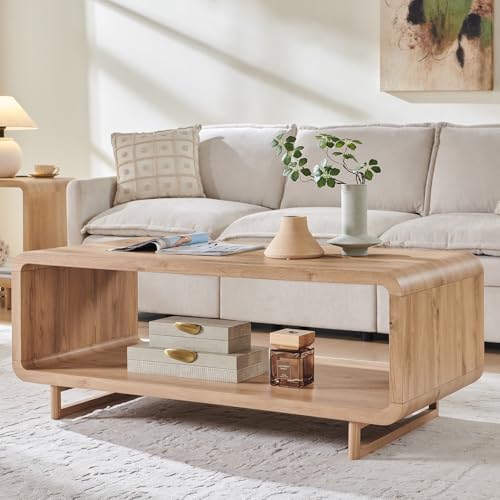
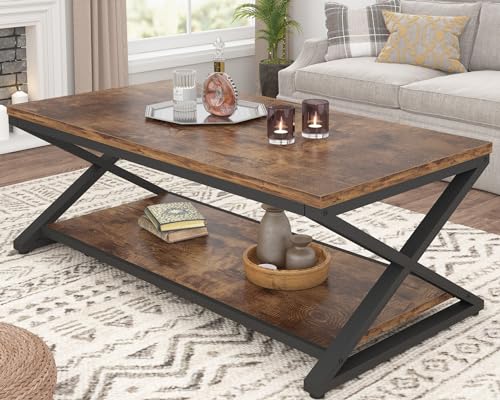
Beyond size and shape, think about how the table needs to function. An open base with simple legs is the lightest visual option and works well when you don't need extra storage. A lower shelf adds a spot for books, baskets, or a stack of magazines without taking up floor space elsewhere in the room.
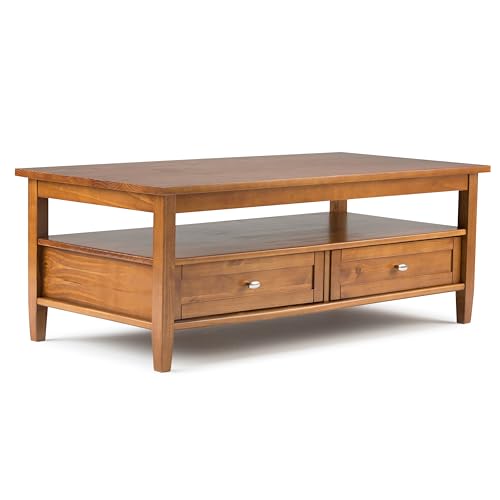
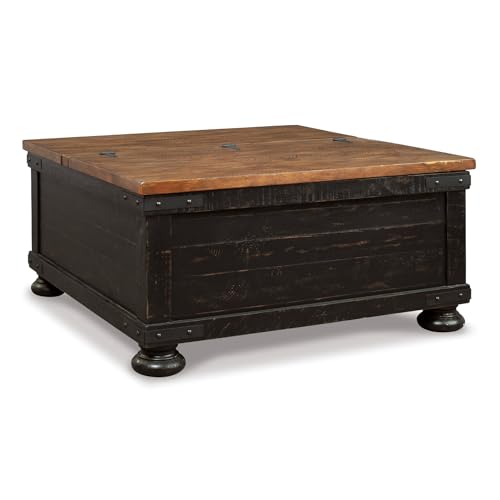
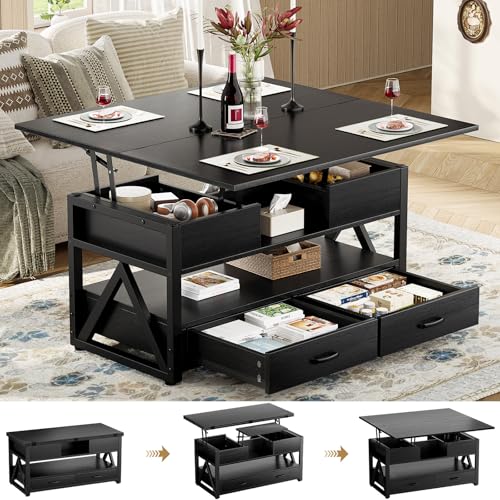
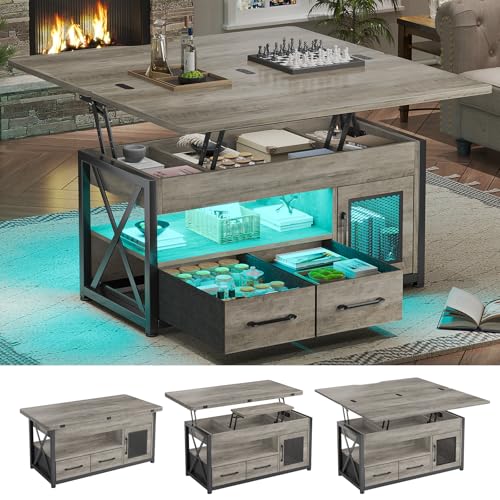
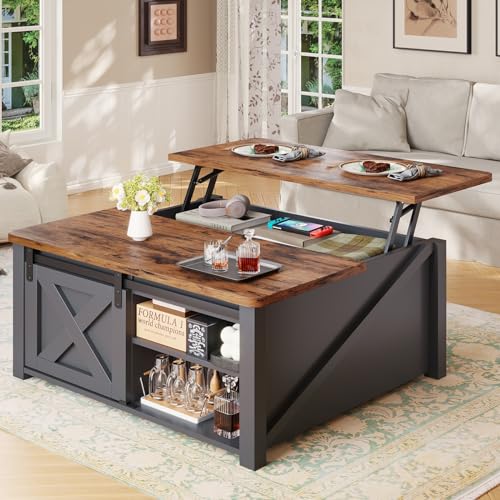
Storage coffee tables with drawers or hidden compartments are worth considering if your living room doubles as a catch-all for remotes, chargers, and clutter. If you work from your couch or use your coffee table as an occasional desk, a best lift top coffee table is worth a look, since the top raises to a more comfortable working height and drops back down when you're done. These tend to cost more and add moving parts, so they make the most sense if you'll genuinely use the feature rather than just liking the idea of it.
What to Expect at Every Price Point
Coffee tables span an enormous price range, and understanding what drives that range helps you spend your money where it counts. Budget options rely on engineered wood, laminate finishes, and simpler hardware, which can still look great and hold up fine for lighter use. If you're working with a tight budget, a guide to the best coffee tables under 100 can help you sort through what's realistic to expect at that price.
Mid-range tables generally add solid wood components, better joinery, and more finish options, while higher-end pieces bring premium materials like natural stone, hand-applied veneers, and heavier, more substantial construction. Price also climbs with added features such as storage drawers or a lift-top mechanism. None of this means the most expensive table is automatically the right one for you. It just means knowing which corners get cut at each price tier so you're not surprised by what you receive. That's true whether you're comparing the best coffee tables at the low end of the market or splurging on a statement piece for a formal living room.
Frequently Asked Questions
What size coffee table should I get for my sofa?
Aim for a table that's roughly half to two-thirds the length of your sofa. A table that's noticeably longer or shorter than that range tends to look out of proportion and can make the seating area feel unbalanced.
How tall should a coffee table be?
Most coffee tables measure between 16 and 18 inches high. The goal is to keep the top close to the height of your sofa cushions so it's comfortable to reach without straining up or down.
Is a round or rectangular coffee table better?
Neither shape is objectively better; it depends on your room. Rectangular tables suit longer, narrower spaces and sofas, while round tables work well in smaller rooms or homes where you want softer edges and easier traffic flow.
What material holds up best for everyday use?
Solid wood and metal frames tend to hold up the longest under daily wear, since both resist dents and don't require special cleaning products. Glass and stone look great but need more regular care to avoid smudges, etching, or stains.
Do I need a coffee table with storage?
Only if you'll actually use it. Storage adds convenience for hiding remotes, coasters, or blankets, but it also adds weight and cost. An open-base table is lighter, easier to move, and often more affordable if you don't need the extra space.
How much clearance should I leave around a coffee table?
Leave roughly 14 to 18 inches between the table and surrounding seating. That's enough room to walk through comfortably without the table feeling disconnected from the rest of the furniture.
Can I use a coffee table meant for indoors outside on a covered patio?
Generally, no. Indoor materials like laminate, untreated wood, and some metals aren't built to handle moisture and temperature swings. If you need something for a covered porch or patio, look at options built specifically as best outdoor coffee tables instead.
Final Thoughts
The best coffee table for your space is the one that fits your sofa's proportions, suits how your household actually lives, and uses a material you're willing to maintain. Once you've nailed down size, shape, and function, style becomes the easy part. If you're furnishing the rest of the room, it's also worth browsing best end tables to keep your seating area consistent from one piece to the next.