
Best End Tables for Your Living Room: A Buying Guide
Disclosure: We may earn a commission when you buy through links on this page, at no extra cost to you. As an Amazon Associate we earn from qualifying purchases. Learn more
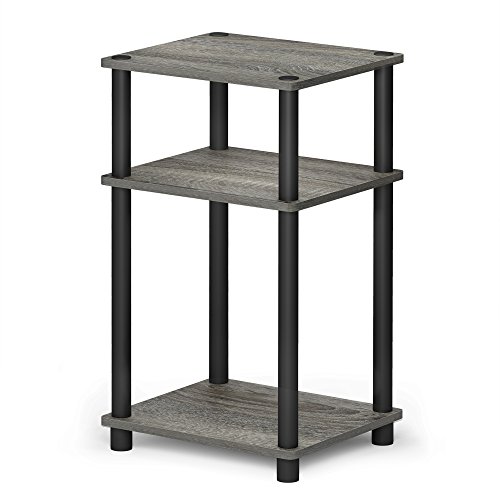
Your sofa has a gap that keeps bothering you. There is nowhere to set a coffee mug, no spot for the lamp you actually need at night, and the remote always ends up wedged in the cushions. Finding the best end tables for that spot is less about style and more about a handful of practical details that most shoppers skip until the table is already sitting crooked next to the couch. This guide walks through the factors that actually matter for an indoor end table, including height, material, shape, and storage, so you can shop with confidence instead of guessing.
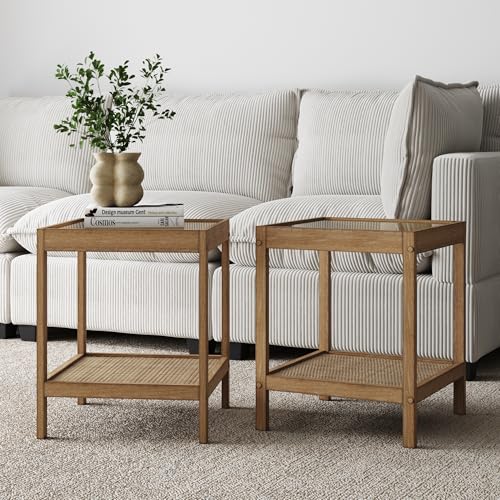
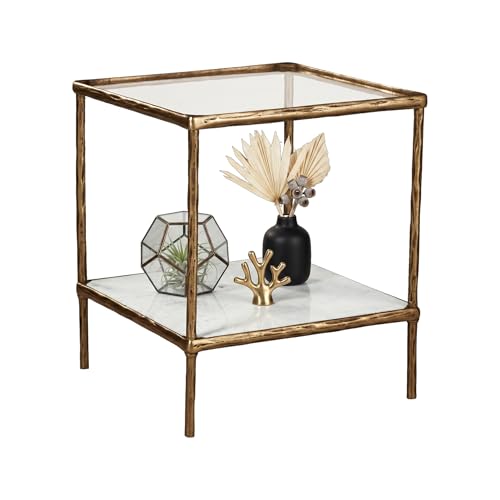
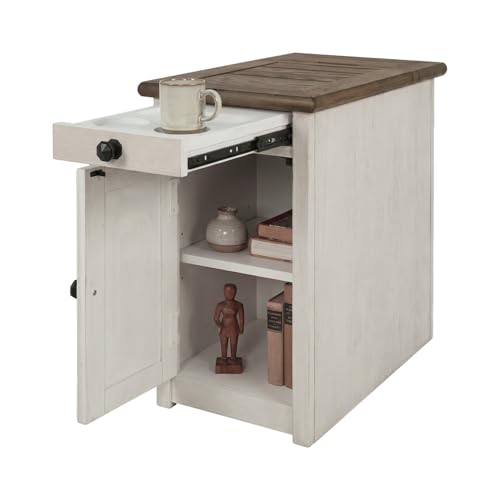



Getting the Height Right
Of everything you will consider, height has the biggest effect on whether an end table actually works day to day. A table that is too tall makes it awkward to reach a glass or switch on a lamp. One that is too short disappears next to a sofa arm and looks like an afterthought. This is the one measurement worth getting right before anything else, including the finish or the price.
Match It to Your Sofa or Chair Arm
Measure from the floor to the top of your sofa or chair arm, then look for a table within two to three inches of that number in either direction. Standard sofa arms sit between roughly 22 and 26 inches, which is why most end tables fall in a similar 22 to 28 inch range. If a table you like falls outside that window, lean toward shorter rather than taller. A table sitting a few inches below the arm still looks intentional, while one that towers over it can make the whole seating area feel unbalanced and harder to use.
Adjust for Lamps, Trays, and Everyday Use
Height should also account for what actually sits on the surface. If you plan to keep a table lamp there, staying toward the lower end of your target range keeps the light at a comfortable level once the lamp is added. If the table is mostly holding books, a small plant, or a decorative tray, you have more flexibility to size up. Think about how you actually use the space next to your seat before locking in a height.
Choosing a Material That Fits Indoor Living
Material is where the best end tables really start to separate themselves from a generic filler piece. Because this table lives inside a climate-controlled room rather than on a porch or patio, you can prioritize look and feel over weatherproofing. That opens up more options than an outdoor piece would, but each material still comes with real trade-offs worth weighing against how your household actually lives.
Wood
Wood remains the most common choice for a reason. It brings warmth and a sense of permanence, and it works with nearly any decorating style, from a traditional living room to a Scandinavian-leaning one. Solid wood can be sanded and refinished if it takes scuffs over the years, while engineered wood or veneer options cost less but hold up less well to heavy use. The main downside is sensitivity to moisture, so a coaster habit matters more with wood than with other materials.
Metal
Metal frames or full metal tables bring a leaner, more industrial or modern look and tend to be sturdier than they appear. They resist humidity and pests without any special care, and a damp cloth handles most cleanup. The trade-off is a cooler, harder feel underfoot and hand, and painted or plated finishes can scratch or show wear at the edges over time.
Glass and Mixed Materials
A glass top, whether on its own base or paired with wood or metal legs, keeps a small space feeling open rather than closed in. It resists stains and water rings better than raw wood, which makes it forgiving for everyday drinks. The catch is visible fingerprints and dust, plus a top that can chip if something heavy is set down carelessly. Mixed-material tables, such as a wood top on a metal frame, often split the difference and are worth considering if you want durability without a purely industrial look.
Shape and Storage for Your Layout
Once height and material are settled, shape and storage decide how well the table actually fits your room and how much it can do for you day to day.
Round, Square, or Rectangular
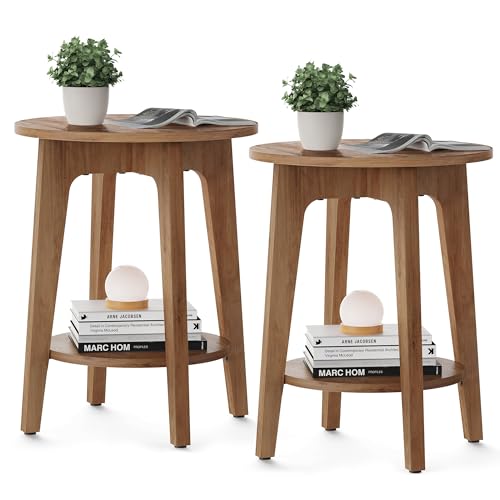
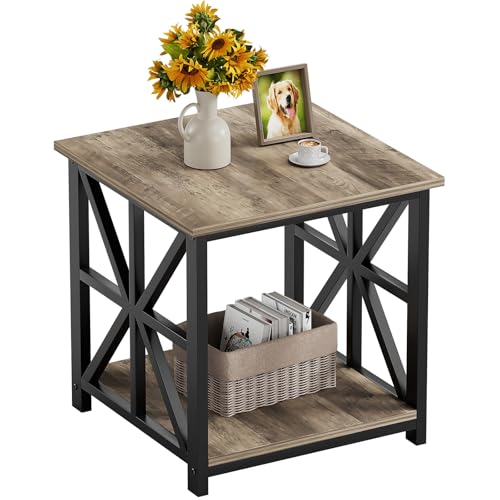
Round tables soften a room full of straight-edged furniture and are easier to navigate around in tight seating arrangements, since there are no corners to catch a hip or a shin. Rectangular tables fit narrow gaps well, such as the space between a sofa arm and a wall, or alongside a sectional where you need more surface length without extra width. Square tables tend to work nicely tucked into a corner next to an armchair, filling a spot a round or rectangular table would leave empty. Pairing shapes on purpose also helps the room read as intentional, such as setting a round end table next to a long, rectangular coffee table instead of matching every edge in the room.
Drawers, Shelves, or an Open Surface
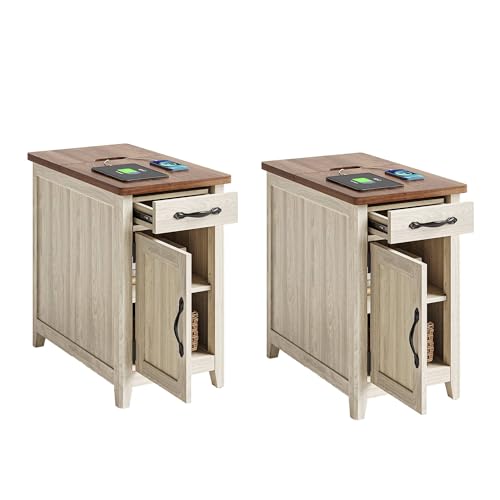
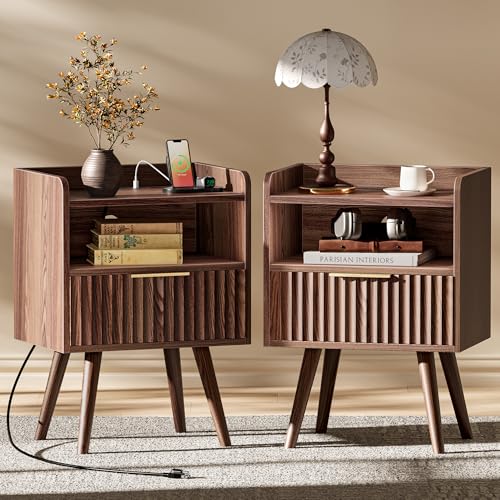
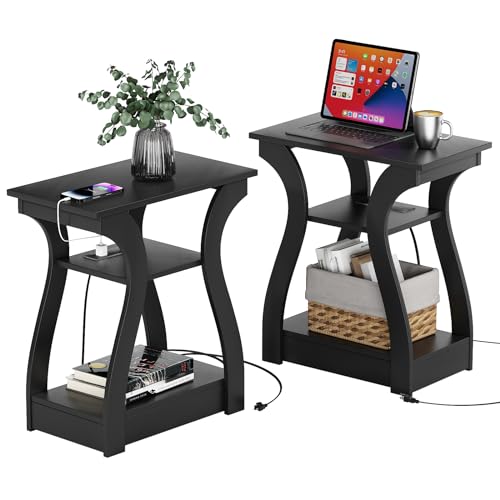
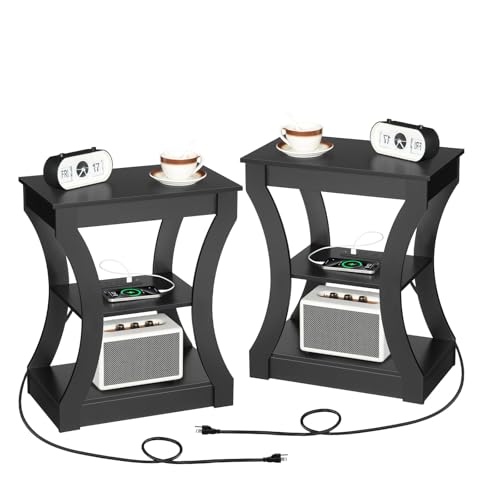
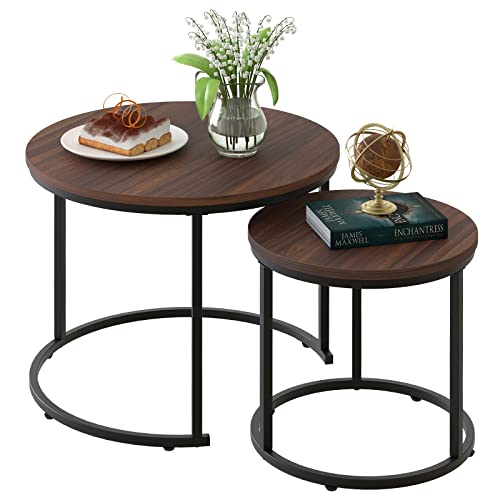
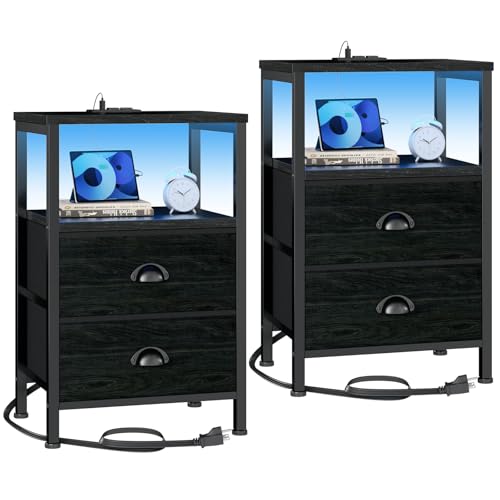
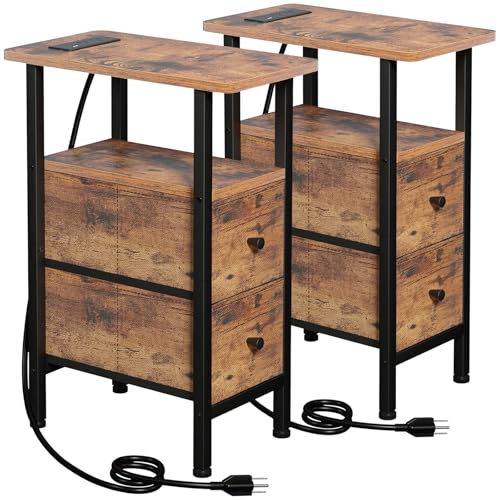
A table with one or two drawers is the most useful option for hiding remotes, chargers, or reading glasses out of sight. A lower shelf works well if you would rather display books or a basket than tuck things away, and it adds a second surface without taking up more floor space. An open table with just a single top keeps things simple and visually light, which suits a smaller room where every extra line of furniture stands out. Nesting tables are worth a look in tighter spaces too, since they give you a second surface you can pull out only when guests are over and slide back underneath the rest of the time.
Indoor End Tables vs. Outdoor Side Tables
It's worth being clear about what this guide is covering, since the terms get mixed up often while shopping. An indoor end table is built to sit beside a sofa or armchair inside a living room, where its job is to hold a lamp, a drink, or a remote within easy reach of your seat. It never has to deal with rain, direct sun, or temperature swings, so materials like solid wood, glass, and painted metal are all fair game without any weatherproofing to worry about.
An outdoor side table, by contrast, has to survive the elements on a patio or deck, which is why those pieces lean on weather-resistant materials like teak, powder-coated aluminum, or all-weather wicker instead. If you're furnishing a covered porch or backyard seating area rather than a living room, you'll want a table built for that exposure rather than an indoor piece. This guide focuses only on the indoor version, where comfort, style, and reach from the couch matter far more than rain and sun resistance.
Frequently Asked Questions
How tall should an end table be?
Aim for a table within two to three inches of your sofa or chair arm height, measured from the floor. Most arms fall between 22 and 26 inches, so most end tables land in a similar range. When in doubt, choose the shorter option.
What's the difference between an end table and a side table?
An end table almost always sits at the arm of a specific sofa or chair and is sized to match it. A side table is a broader term that can go almost anywhere in a room, including next to a bed or between two chairs, and tends to run slightly larger.
Do end tables need to match the coffee table?
No. Many living rooms mix finishes and shapes on purpose, pairing a rectangular coffee table with a round end table, for example. If you do mix pieces, keep at least one thread of consistency, such as similar wood tones or matching metal hardware, so the room still feels pulled together.
What size end table works in a small living room?
Look for a slim profile with narrow legs or a single open shelf rather than a bulky boxed base. Round or square tables around 16 to 20 inches across tend to fit tighter layouts without blocking walking paths, and a table with a drawer can replace extra storage furniture you don't have room for.
Do both end tables in a living room need to match each other?
They don't have to be identical. A matching pair creates symmetry, but two end tables that share a similar height and finish while differing in shape can look just as intentional and add some visual variety to the room.
What should go on an end table besides a lamp?
Coasters, a small tray for remotes, a stack of books, or a low plant are all common choices. Keep the surface mostly clear near the edge closest to your seat so there is always room to set down a drink.
Making the Right Call for Your Space
The best end tables earn their spot by doing a specific job well: sitting at the right height, holding what you actually reach for, and fitting the shape of your room. Start with the height measurement from your sofa arm, pick a material that suits how the room gets used, then let shape and storage follow from there. Get those basics right and the table will feel like it belongs, no matter which finish you end up choosing.