
Best Coffee Tables Under 100: A Smart Budget Buying Guide
Disclosure: We may earn a commission when you buy through links on this page, at no extra cost to you. As an Amazon Associate we earn from qualifying purchases. Learn more

Furnishing a first apartment or refreshing a living room on a tight budget usually comes down to one question: can you find furniture that looks decent and holds up without spending a fortune? Coffee tables are one of the easiest places to answer yes. When you go looking for the best coffee tables under 100, you don't have to settle for something flimsy or forgettable, as long as you know what separates a smart budget pick from a waste of money. This guide covers the construction details, materials, and sizing that actually matter, plus realistic expectations for what your money buys, so you can shop with confidence instead of guesswork.


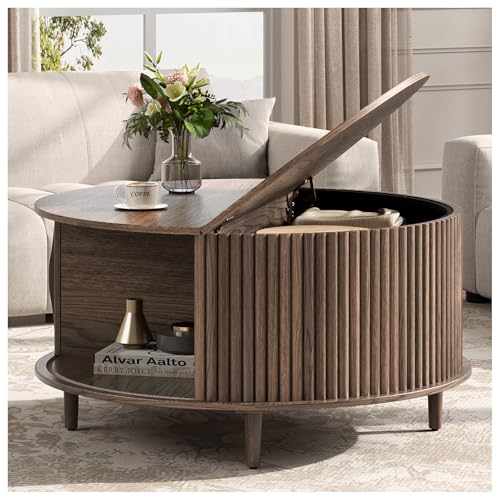
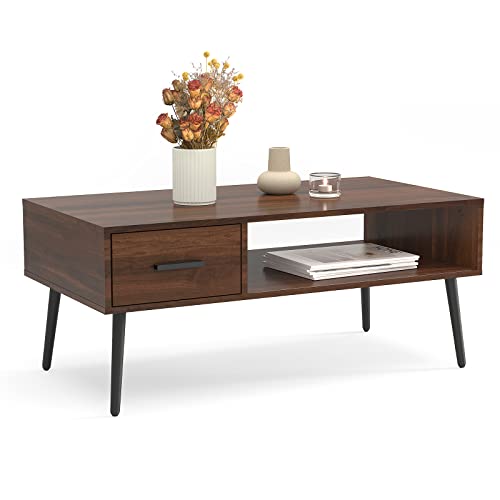
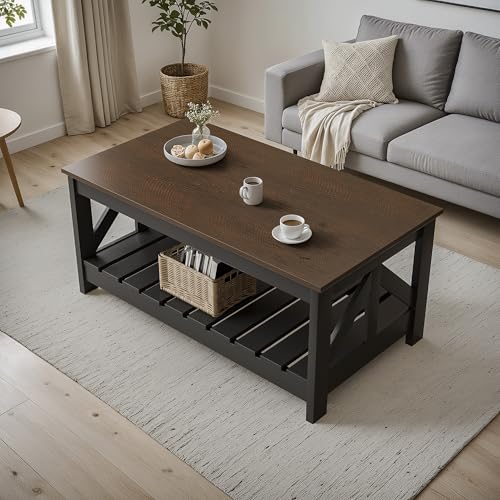
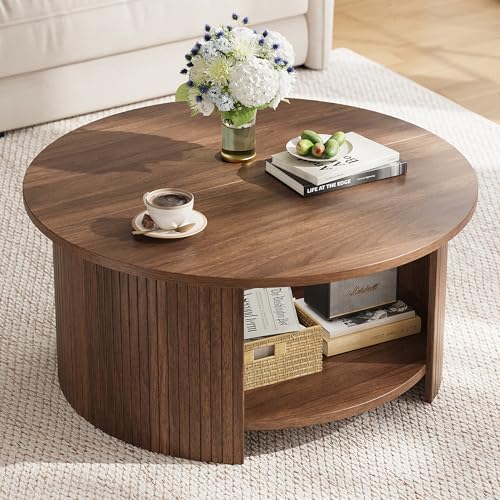

What Actually Holds Up: Construction and Stability at This Price
Most complaints about cheap furniture trace back to construction, not price. A well-built table under $100 can outlast a poorly built one that costs twice as much, so this is where your attention should go first.
Check How the Legs Attach
Legs that screw directly into a metal plate or threaded insert tend to stay tight far longer than legs held on with wood screws driven straight into particle board. Once those screw holes strip, the wobble comes back no matter how many times you tighten them. If product photos show hairpin legs or a metal bracket system, that's usually a good sign for long-term stability.
Look Past the Photos at the Joinery
Glued joints only work if there was enough pressure and the right glue during manufacturing, and you can't verify that from a listing photo. What you can do is check reviews for mentions of the table arriving wobbly out of the box or loosening within the first few months. A pattern of complaints about instability is a much stronger signal than star rating alone.
Weight Capacity and Everyday Use
Think about how the table will actually get used, resting feet, holding a laptop, catching the occasional heavy book or tray. Listings that specify a weight limit are being upfront about real-world capacity, which is more useful than vague marketing language about durability.
Materials That Make Sense for a Budget Coffee Table
Material choice affects both how a table looks on day one and how it holds up over time. At this price point, you're choosing trade-offs, not flaws to avoid entirely.
Laminate and Engineered Wood
Most tables in this range use engineered wood with a laminate or veneer finish. It looks close to solid wood and resists everyday scuffs reasonably well, but the core material is vulnerable to moisture. A ring from a sweating glass or a spilled drink that sits too long can cause swelling at the seams, so wiping up spills quickly matters more than it would with solid wood.
Solid Wood on a Budget
Fully solid wood is rare under $100, but some tables use solid wood legs paired with an engineered wood top, which is a reasonable middle ground. If solid construction throughout is a priority for you, it's worth browsing a guide to the best wood coffee table options, since true solid wood typically sits at a higher price tier.
Tempered Glass Tops
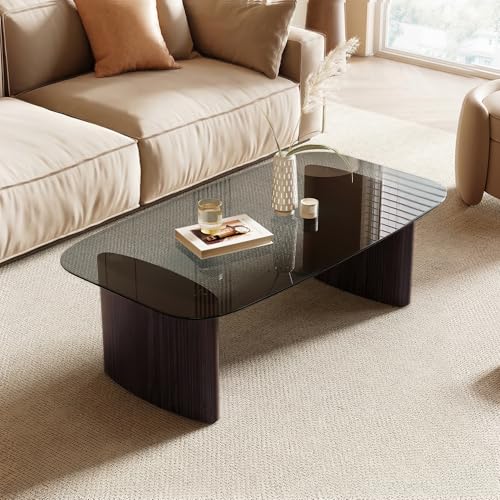
Glass-top tables photograph well and can make a small room feel more open, since sightlines pass through the surface instead of stopping at it. The trade-off is maintenance. Glass shows fingerprints, dust, and water spots constantly, and every object set down on it makes noticeably more noise than wood or laminate. Tempered glass is the safer choice if you have kids or pets, since it's designed to break into small, blunt pieces rather than sharp shards.
Metal-Frame Options
Metal frames, often paired with a wood or glass top, tend to be the sturdiest budget option because metal doesn't warp, swell, or loosen the way particle board can. The trade-off is style. Metal frames lean toward an industrial or modern look, which won't suit every room.
Finding the Right Size for Your Sofa and Space
Size mistakes are common because it's tempting to shop by style first and measure later. A quick coffee table size guide saves you the return shipping.
Matching Table Length to Sofa Length
A useful starting point is about two-thirds the length of your sofa. If your sofa runs 78 inches, look for a table somewhere around 50 to 54 inches. Leave at least 12 to 18 inches of walking space between the table and the sofa, and roughly 30 inches of clearance if the table sits between the sofa and a TV stand or walkway.
Getting the Height Right
Most coffee tables fall between 16 and 18 inches tall, which keeps the surface level with or slightly below your sofa's seat cushions. A table that sits noticeably higher than your cushions feels awkward to reach across, while one that's too low can get lost visually next to a taller sofa.
What $100 Actually Buys You
Setting realistic expectations up front helps you avoid disappointment later. Even the best coffee tables under 100 aren't going to match a $400 solid wood piece in longevity, but that doesn't mean they're a bad purchase, as long as you know what you're getting.
Where the Savings Come From
Lower prices usually come from engineered materials instead of solid wood, simpler joinery instead of hand-fitted joints, and flat-pack shipping instead of pre-assembled delivery. None of these are dealbreakers on their own. They just mean the table needs reasonably careful assembly and won't be a lifetime piece of furniture.
Features Worth Prioritizing Over Style
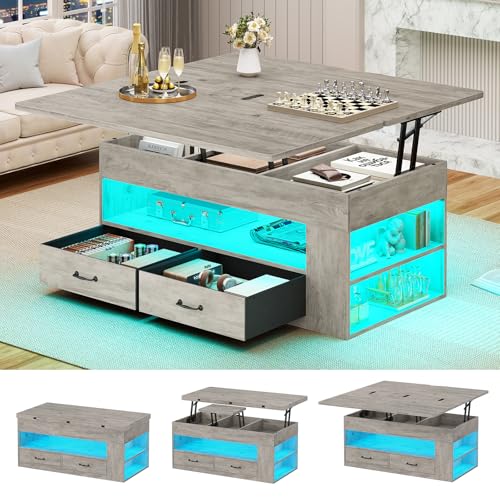
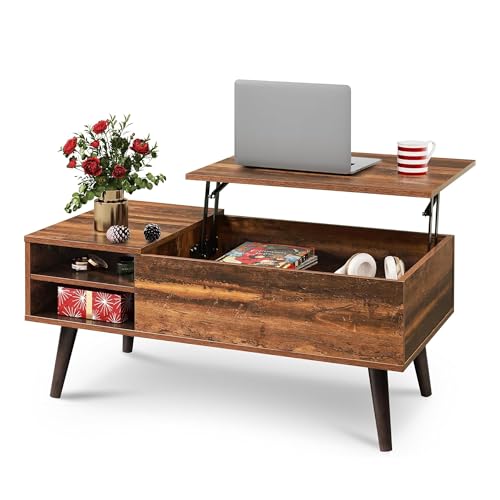
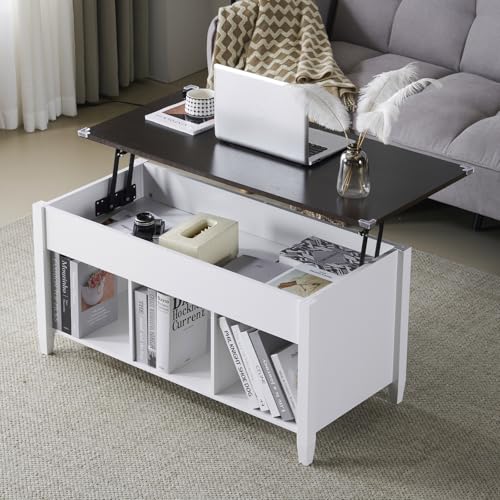
If you're deciding between two similarly priced tables, function tends to matter more than looks in the long run. A shelf or drawer adds real storage for remotes and coasters without raising the price much. Some budget shoppers also look at a lift-top coffee table if they want a surface that doubles as a laptop desk or dining spot for small meals, since the mechanism adds usefulness without needing a bigger table.
If your budget has a little more room to stretch, it's also worth comparing options in a guide to the coffee table under $200 range, where you start seeing sturdier hardware and more solid wood construction.
Frequently Asked Questions
What is a good size for a coffee table under a sofa?
Aim for a table about two-thirds the length of your sofa. For a 78-inch sofa, that puts you around 50 to 54 inches, with enough clearance on each side to walk comfortably.
Are cheap coffee tables worth buying?
Yes, as long as you check construction details like how the legs attach and what the top is made of. A well-built budget table can hold up for years, while a poorly built one won't, regardless of price.
What material is best for a budget coffee table?
Engineered wood with a durable laminate finish offers the best balance of price and looks. Metal frames are the sturdiest overall, while glass tops need the most upkeep.
Is a particle board coffee table bad?
Not necessarily. Particle board and engineered wood hold up fine under normal use as long as spills get wiped up quickly, since moisture is what causes swelling and weakening over time.
How do I stop my coffee table from wobbling?
Check that every screw is fully tightened first, since loose hardware is the most common cause. If a screw hole has stripped, a bit of wood glue or a slightly larger screw usually solves it.
Are glass coffee tables practical for everyday use?
They can be, especially with tempered glass, but expect to wipe down fingerprints and dust more often than with wood or laminate. Households with young kids or pets should double check the glass is tempered for safety.
What's the standard height for a coffee table?
Most coffee tables measure 16 to 18 inches tall, which keeps the surface roughly level with or just below a standard sofa's seat cushions.
Making the Right Call for Your Budget
Finding one of the best coffee tables under 100 comes down to paying attention to a few details that don't show up in a glance at the price tag: how the legs attach, what the top is made of, and whether the size actually fits your space. Get those right, and you'll end up with a table that looks good and holds up, not one you'll be replacing in a year. Keep this checklist handy while you shop, and you'll have a much easier time separating the smart buys from the disappointments.