Best Coffee Makers That Grind Beans (2026): Fresh Coffee in One Machine
Disclosure: We may earn a commission when you buy through links on this page, at no extra cost to you. As an Amazon Associate I earn from qualifying purchases. Learn more

Fresher coffee with fewer appliances: the best coffee makers that grind beans compared by grinder type, brew style, noise and cleaning.
A coffee maker that grinds beans takes you from whole beans to a brewed pot with one machine, so the coffee is ground only seconds before it meets the water. That is why the best coffee makers that grind beans taste fresher than a machine fed with pre ground coffee, because ground coffee loses aroma within minutes of grinding. This guide explains how built in grinders work, the main types of machine, and the cleaning habits that keep the grinder from spoiling your coffee. Use the product table below to compare current models as you read.
The trade off is simple: you gain freshness and fewer appliances on the counter, and you accept more noise, more parts to clean and a higher price than a plain drip machine.




How a Built In Grinder Works
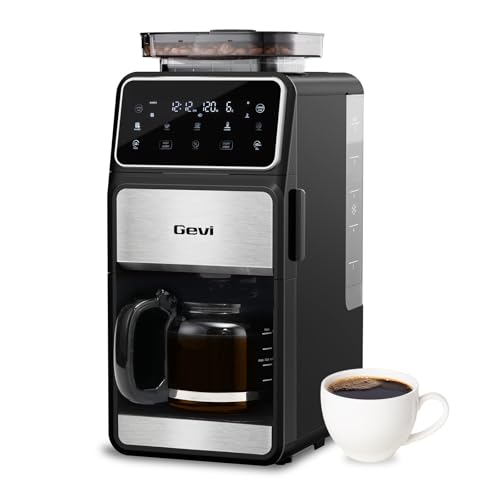
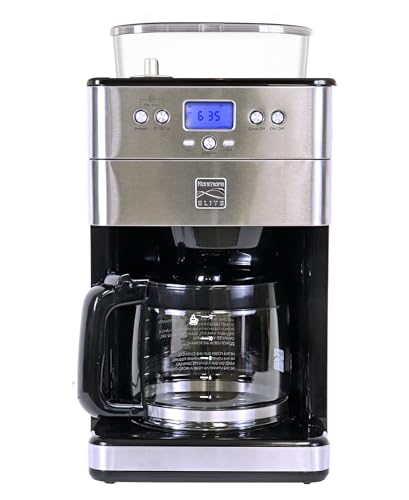
In a grind and brew drip machine you fill a hopper with whole beans, set the number of cups, and the machine grinds the right amount into the filter basket before brewing. Some machines let you choose the grind size and strength, and others use a fixed setting. Many also let you skip the grinder and brew pre ground coffee, which is handy for guests or decaf.
Grinders come in two kinds. Blade grinders chop beans with a spinning blade, which is cheap but uneven, producing a mix of dust and chunks that can make coffee taste muddy and bitter at the same time. Burr grinders crush beans between two surfaces set at an exact distance, which gives a much more even grind and a cleaner cup. If you can choose, a burr grinder is the better option, although it usually costs more.
Types of Coffee Makers That Grind Beans
Grind and Brew Drip Machines
This is the most common type, and it suits households that brew a pot every morning. You load beans, add water, set a timer if the model has one and wake to fresh coffee. It is the best match for people who want freshness without extra steps, but the grinder and chute need regular cleaning, and the machine is wider and taller than a normal drip maker, so check cabinet clearance.
Single Serve Machines With a Grinder
Some compact brewers grind enough beans for one mug at a time, which wastes no coffee and suits solo drinkers. They usually cost more and need more frequent refilling of the bean hopper and water tank, and the grinder is often small, so grinding can be slower.
Espresso Machines With a Built In Grinder
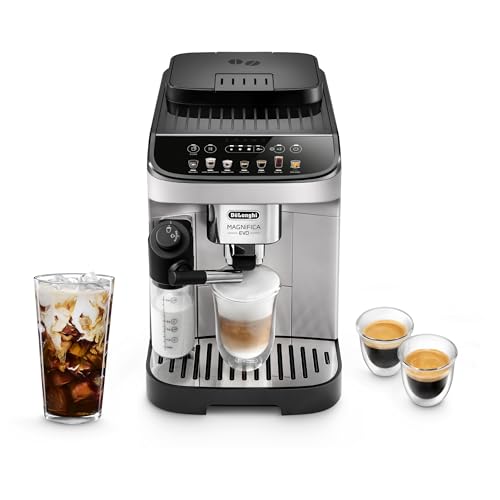
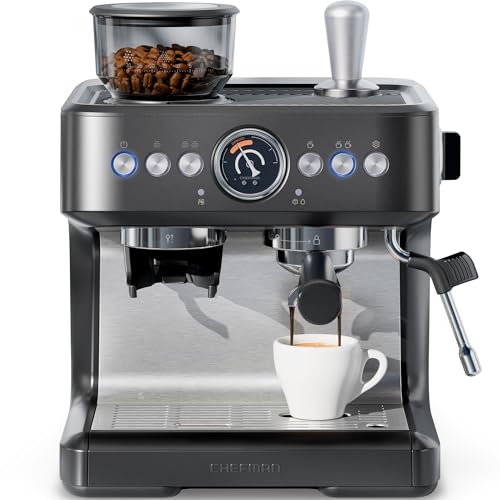
Semi automatic espresso machines with an integrated grinder, and fully automatic bean to cup machines, grind and brew shots and often froth milk. They give the widest range of drinks and the most control, but they cost the most and ask for the most cleaning, since milk systems and brew groups need daily care. If you mainly want lattes and cappuccinos, they are worth considering, and best coffee machine makers compares the main options.
What to Look For in the Best Coffee Makers That Grind Beans
- Burr grinder: gives a more even grind and a cleaner cup than a blade.
- Grind size and strength settings: let you match the grind to the brew and tune the flavor.
- Removable hopper and grinder parts: make cleaning possible, which is vital because coffee oils turn rancid.
- Bypass for pre ground coffee: useful for guests or decaf drinkers.
- Thermal carafe: keeps coffee hot without a hot plate that cooks it.
- Water filter and descale alert: protect the machine and the taste.
Whole Beans and Grind Settings
Buy whole beans in small bags that you will finish in a few weeks, and store them airtight away from heat and light. A medium grind works for most drip machines, and it should look like coarse sand. If the coffee tastes weak, grind finer or use more beans, and if it tastes bitter or overflows the basket, grind coarser. Change one setting at a time and taste, because grind, ratio and brew time all interact. Very oily dark roast beans can clog some grinders, so check the manual.
Because the hopper holds beans for days, keep it covered and avoid filling it to the top if you brew infrequently. For more comparisons see best grind brew coffee makers and best whole bean coffee makers, and for the best grind sizes by method read best grind for drip coffee makers.
Cleaning the Grinder
This is the part people skip, and it is what spoils the coffee. Empty and wipe the hopper every few weeks, brush out loose grounds and fine dust from the grinder chute after brewing, and remove and wash the filter basket and carafe daily. Every month or two, clean the burrs or grinding chamber as the manual describes, using the brush that comes with the machine or a dry paintbrush. Descale the water path every one to three months. Never put water into the grinder, and unplug the machine before cleaning it.
Check that the machine can be pulled out from under cabinets for refilling the bean hopper, and note the noise level, since a grinder can be loud early in the morning. A pot style machine without a grinder may suit light sleepers better, and best coffee pot makers compares those.
Common Mistakes
The biggest mistake is buying a grind and brew machine and never cleaning the grinder, which leaves stale oils and old grounds that spoil each pot. Another is storing beans in the hopper for weeks, which dulls the very freshness you paid for. Others include buying a tall machine that does not fit under the cabinet and expecting a cheap blade grinder to match a burr grinder.
Your Questions Answered
What is the difference between a coffee machine and a coffee maker?
The words overlap in shops. Coffee makers usually describe drip and single serve units, while machines often describe espresso and bean to cup units. Check the brew method and features rather than the label.
Are coffee makers with grinders worth it?
They are worth it if you value fresh coffee and will clean the grinder regularly. If you dislike cleaning or want the quietest morning, a plain drip machine and a separate grinder or good pre ground coffee may suit you better.
How do I set the grind for drip coffee?
Start with a medium grind like coarse sand. If the coffee tastes weak, grind finer, and if it tastes bitter or brews slowly, grind coarser. Change one step at a time.
Do I need to clean the grinder every day?
Brush out loose grounds often and deep clean on the schedule in the manual, usually every month or two. Old grounds and oils left in the chute spoil fresh coffee.
Why does my grind and brew machine brew slowly?
The grind may be too fine, the filter may be clogged or scale may have built up. Try a coarser grind first, then clean the basket and descale the machine.
Final Thoughts
Choose a burr grinder if you can, make sure the parts come out for cleaning and measure your counter. Compare models in the product table above, and the best coffee makers that grind beans will give you fresh coffee with one machine and a simple routine.