Best Coffee Makers for Drip Brewing (2026): Which Type Fits You
Disclosure: We may earn a commission when you buy through links on this page, at no extra cost to you. As an Amazon Associate I earn from qualifying purchases. Learn more
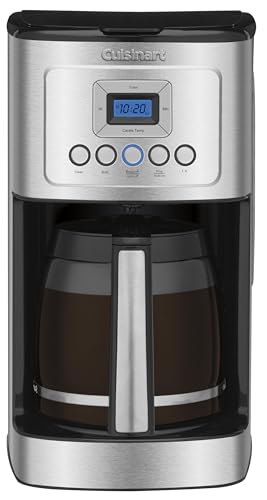
Drip, grind and brew, thermal or programmable: compare the best coffee makers for drip brewing by temperature, spray design and carafe type.
Drip brewing looks simple, yet the machines that do it come in many forms, from basic pot brewers to models with built in grinders and precise temperature control. That variety is where most buyers get stuck, because the differences are about workflow as much as flavor.
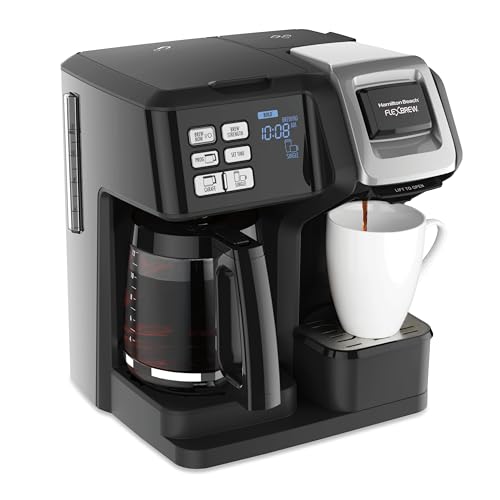
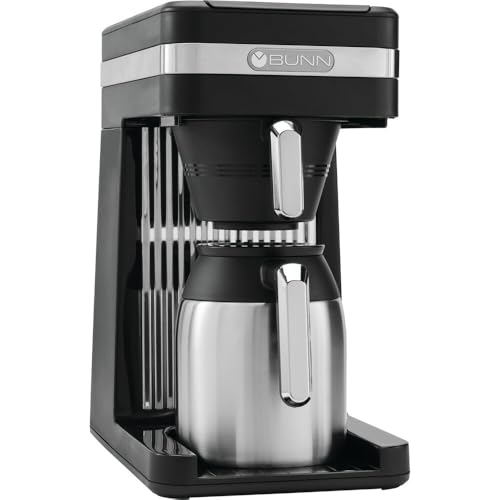
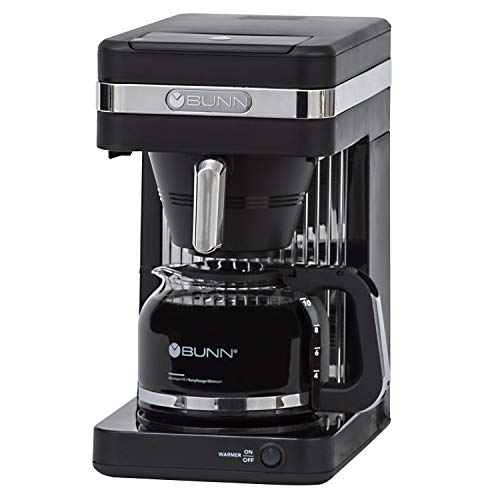
This guide compares each type plainly so you can choose with confidence. If you are shopping for the best coffee makers for drip brewing, use the product table below first, then read how drip machines stack up against nearby options.


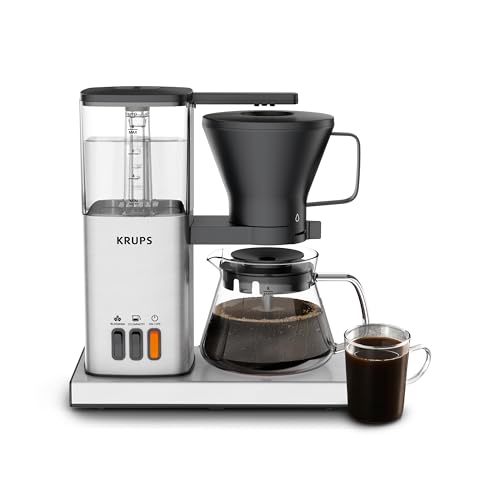
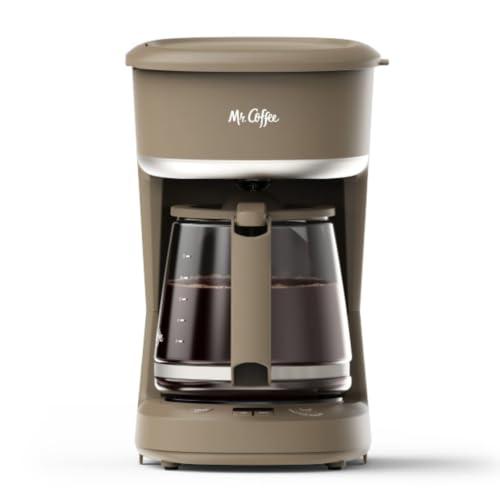


How Drip Coffee Makers Compare to Other Options
All of these machines make coffee, but they serve different mornings. Drip brewers make a full pot with little effort, grind and brew models trade some simplicity for freshness, espresso machines make small strong drinks, and cold brew makers work slowly with no heat at all. Price follows complexity, with basic drip models often under $100 and advanced machines costing several hundred dollars.
Coffee Makers vs Grind and Brew Machines
A standard drip maker uses pre ground coffee or beans you grind separately, while a grind and brew machine grinds beans inside the unit just before brewing. The built in route tastes fresher and saves counter space, but it adds noise, cost, and more parts to clean after every pot.
Choose a plain drip maker if you value quiet mornings and fast cleanup. Choose grind and brew if freshness matters most and you will keep up with the extra washing. Our guide to the best drip coffee makers with grinder covers that trade off in more detail.
Coffee Makers vs Espresso Machines
Drip makers brew with gravity and low pressure, producing a larger, milder cup. Espresso machines force hot water through fine grounds at about 9 bar of pressure, making a small concentrated drink that needs skill, tamping, and more cleanup.
If you drink full mugs and serve family or guests, drip is faster and cheaper per cup. If you love lattes and short strong drinks and enjoy the process, espresso fits better. Many homes keep drip as the daily driver even when an espresso machine sits nearby.
Coffee Makers vs Cold Brew Makers
Cold brew makers steep grounds in cold water for many hours, giving a smooth, low acid drink you serve over ice. Drip makers finish in minutes and serve coffee hot and fresh. Cold brew needs planning a day ahead and fridge space for a large batch.
Pick drip for daily hot coffee and flexible timing. Pick cold brew if you mostly drink iced coffee and like making a batch twice a week. The two methods complement each other, but drip covers more routines in one machine.
Who Should Choose a Drip Coffee Maker?
Drip machines suit households that drink several cups a day, couples who share a pot, and anyone who hosts brunch or family visits. They also fit offices and small shared kitchens where people help themselves over a few hours, especially with a thermal carafe.
You may want another type if you drink only one small cup and hate waste, or if espresso drinks are your main goal. Even then, consider cost per cup and cleanup time before switching. For most drinkers, drip remains the easiest way to get consistent coffee with very little daily effort.
The beans matter as much as the machine, so our guide to the best coffee for drip coffee makers can help you match roast and grind to your new brewer once you choose a type.
Think about timing as well. A programmable drip machine can have coffee ready when you wake, which no manual method matches on a busy weekday. On weekends, the same machine lets you brew a second smaller pot later without any new setup. That flexibility, morning after morning, is why drip stays popular even as new brewing gadgets appear.
How to Choose the Best Coffee Makers for Drip Brewing
Once you settle on drip, the choice comes down to temperature control, capacity, cleaning, and the style of coffee you drink most. The points below help you read spec sheets without guessing.
Features That Matter for Drip Brewing
Drip brewing needs even water flow over the grounds, steady heat, and a basket sized for the amount you brew. Look for a showerhead style spray head if you can, a carafe size that matches your household, and brew strength control if people like different strengths. A programmable timer helps on workdays, but it is secondary to even extraction and a carafe that pours without dripping.
Brew Temperature and Extraction
Good drip extraction happens when water stays around 195 to 205 degrees Fahrenheit, the range the Specialty Coffee Association uses as its brewing standard. Water that is too cool tastes sour and thin, while water that is too hot can taste bitter. Machines described as SCA certified are built to hold that range, which is one reason they often cost more and taste more consistent.
Cleaning, Descaling, and Maintenance
Daily care is simple: rinse the carafe and basket, and wipe spills before they bake on. Many carafes and lids are dishwasher safe on the top rack, but check the manual for your model. Descale alerts are useful because mineral scale slows brewing and cools the water. Filter costs are low for paper, while reusable filters save money but need thorough rinsing to avoid stale oils.
Brewing Method and Coffee Style
Within drip, you still have choices. Standard drip gives a balanced everyday cup, bold settings steep a little longer for a stronger taste, and small batch modes help when you brew only a few cups so the flavor does not turn weak. Single serve pods offer speed but cost more per cup, pour over gives manual control, and cold brew stays a separate slow method.
If you are comparing drip with broader categories, our guide to the best brewing coffee makers lays out the main methods side by side. And if pot size is your main question, see our guide to the best coffee pot makers for capacity help.
Care and Maintenance Tips
Use filtered water to protect flavor and reduce scale, especially if your tap water tastes of chlorine. Descale every one to three months depending on water hardness, or sooner if brewing slows down. Clean the carafe, basket, and lid after each use so old oils do not turn the next pot bitter. Once a month, run a plain water cycle and inspect the spray head for mineral buildup, then wipe the warming plate once it has fully cooled.
Frequently Asked Questions
What features matter most in coffee makers for drip brewing?
Even water distribution, stable brew temperature, and the right carafe size matter most for drip brewing. Together they decide whether the grounds extract evenly or taste mixed and flat. A showerhead spray, a thermal carafe, and a small batch mode add real value. Extra drink programs matter much less for a machine built for one job.
What grind size works best with a coffee maker?
A medium grind works best for most drip coffee makers. It should feel like coarse sand and let water pass at a steady pace. Too fine a grind slows the flow and can overflow the basket, while too coarse a grind rushes through and tastes weak. Match the grind to the filter shape for the most even result.
How often should I descale my coffee maker?
Descale every one to three months based on your water and how often you brew. Hard water and daily pots call for the shorter end of that range. A simple habit helps: descale on the first weekend of each season and write the date on a note near your filters. Slow brewing and cooler coffee are signs you waited too long.
Is a more expensive coffee maker really worth it?
It can be, when the extra cost buys stable temperature, even spraying, and a carafe that keeps coffee hot without a warming plate. Those gains show up in every pot. It is less worth it when the price only adds styling or extra programs you will not use. Check the product table above and pay for extraction quality first.
Is a coffee maker with a built in grinder worth it?
It is worth it if you love fresh ground flavor and will clean the grinder parts often. Grounds and moisture inside the machine can build up fast and affect taste. If you prefer simple cleanup, a separate burr grinder or good pre ground coffee is the easier path. Noise early in the morning is another real factor for light sleepers.
Can I use regular coffee in a coffee maker?
Yes, you can use regular coffee in a drip coffee maker, as long as the grind suits the filter. Standard drip grind from the store works in most baskets. Avoid very fine espresso grind, which can clog paper filters and overflow. Also store opened coffee in a sealed container away from heat so each pot tastes fresh.
The Bottom Line
Choose drip when you want a full pot, low cost per cup, and minimal fuss, then judge models on temperature stability, even spraying, and carafe fit. Those three points predict taste better than long feature lists. Review the product table above, pick the style that fits your mornings, and enjoy the best coffee makers for drip brewing for your kitchen.