
Best Coffee Makers for Church (2026): Budget, Midrange and Premium
Disclosure: We may earn a commission when you buy through links on this page, at no extra cost to you. As an Amazon Associate I earn from qualifying purchases. Learn more

Count your cups first: the best coffee makers for church range from 12 cup drip brewers to large urns, matched to congregation size and volunteer ease.
Coffee at church has a hard job. It must be ready before the first service, stay warm through fellowship time, and serve people who all arrive at once. Prices for machines vary widely, from simple brewers under $100 to large systems costing several hundred dollars.
This guide shows you where extra money actually helps and where it does not. When you shop for best coffee makers for church use, start with headcount and serving speed, then use the product table below to match capacity and features to your real Sunday routine.

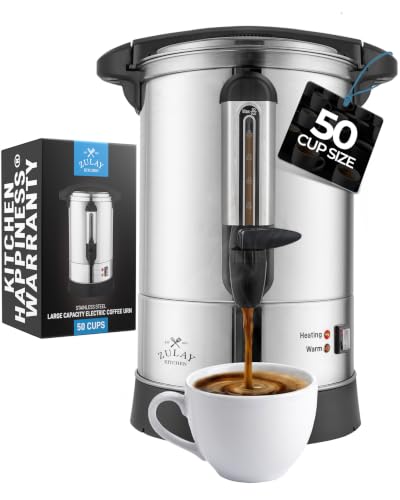


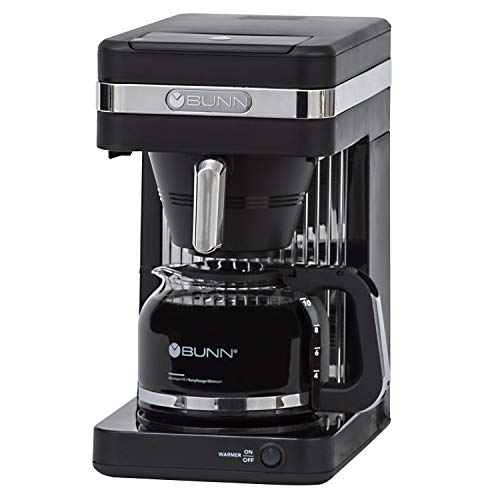

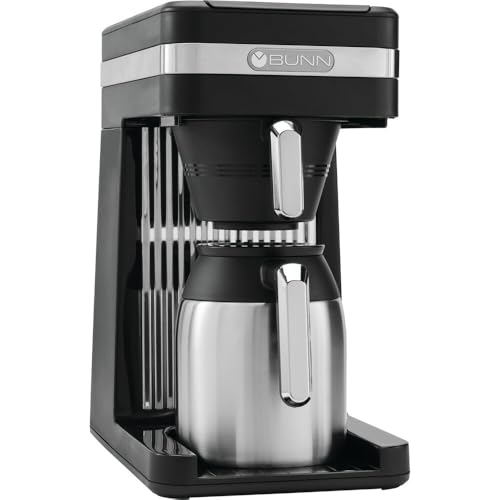
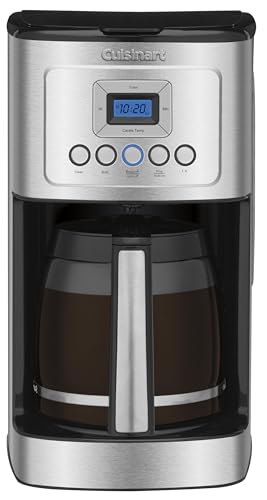

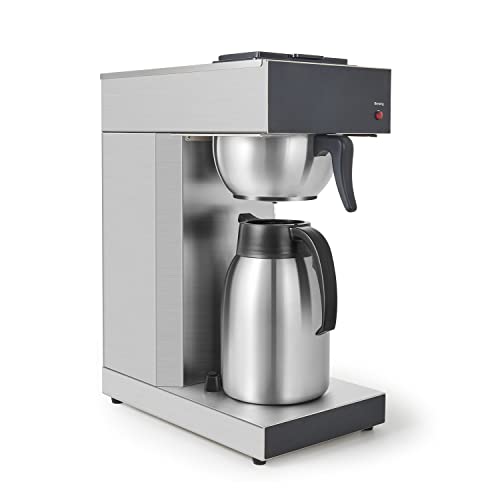
Choosing by Budget and Congregation Size
Budget only makes sense after you count cups. A small Bible study group and a sanctuary lobby after two services place very different demands on one machine, and buying for the wrong crowd wastes money in either direction.
Small Gatherings and Study Groups
For groups of about 10 to 25 people, a standard 12 cup drip brewer is often enough, especially if you can brew a second pot during the gathering. Look for a glass or thermal carafe that pours cleanly and a basket that is easy to fill. The main limit is speed, since each cycle takes several minutes and the first pot can empty fast.
Midsize Congregations and Weekly Events
For about 30 to 80 people, consider a larger brewer or two midsize machines working side by side. Two machines give you a backup if one fails and let you offer regular and decaf at the same time. A thermal carafe helps here because coffee stays warm without a hot plate cooking the flavor during a long morning.
Large Congregations and Special Events
For crowds above 80, look at high capacity urn style brewers or commercial style drip systems with fast brew cycles. These cost more and need more counter space and storage, but they remove the constant refilling that burns out volunteers. If your big crowds happen only a few times a year, renting an urn for those days may cost less than owning one.
Best Coffee Makers for Church: What Each Price Tier Buys
Price tiers in this category track capacity, speed, and build quality more than fancy controls. Knowing what each tier normally includes helps you spot a fair price and avoid paying for features your volunteers will never use.
Budget Tier: What to Expect
Budget machines, often under $100, cover basic drip brewing with a simple on and off switch or a basic programmable timer. Expect plastic housings, glass carafes, and slower brew cycles. They suit small groups and backup duty well. The trade off is durability, since heavy weekly use wears out budget parts faster than parts built for daily volume.
Midrange Tier: The Sweet Spot for Most Buyers
Midrange machines, about $100 to $250, usually add a thermal carafe, brew strength control, a more accurate heating element, and sturdier baskets and lids. This is where most churches find the best balance of cost and service life. Faster heating also matters on Sunday, because back to back pots finish sooner and the line at the coffee table moves.
Premium Tier: When Spending More Pays Off
Premium options, above about $250, bring larger capacity, stainless steel construction, plumbed or high volume brewing, and longer warranties. The extra cost pays off when you serve hundreds of cups each week and downtime means no coffee at all. For a small congregation, that same money is usually better spent on a second midrange machine and supplies.
Features Worth Paying For (and Ones to Skip)
A long feature list can hide the few things that decide whether Sunday coffee runs smoothly. Focus on cost per cup, serving capacity, safe materials, and whether the machine fits the kitchen you actually have.
Pod Cost and Long Term Value
Pods are convenient for a church office or a small counseling room, but the cost per cup is far higher than bulk ground coffee or whole beans. For lobby service, that gap adds up to hundreds of dollars a year. Pods also create more waste to handle. For main service, drip brewing with bulk coffee is almost always the better value.
Features That Matter for Church
The best coffee makers for church use reward capacity, speed, and simple controls that any volunteer can run without training. Aim for at least a 12 cup carafe, a brew cycle that finishes in about 10 minutes or less, and a warming method that holds coffee near serving temperature without scorching it. Clear water level marks and a removable tank or wide opening make filling at a busy sink much easier.
If your church also keeps a small machine for office use, our guide to the best single coffee makers explains when that format makes sense. For the main lobby, though, batch brewing remains the practical choice for cost and speed.
Build Materials (Plastic vs Stainless vs Glass)
Stainless steel carafes and housings handle weekly transport and storage best and do not crack when dropped on a tile floor. Glass carafes cost less and let you see the coffee level at a glance, but they break more often. For plastic parts that touch hot water, look for clear BPA free labeling. A thermal carafe in stainless steel also removes the need for a warming plate.
Footprint and Countertop Fit
Measure your counter depth and the space under upper cabinets before you buy, because tall urns and machines with lids that open upward need clearance. Many church kitchens share counters with food prep, so a compact footprint matters on serving days. A removable water tank helps in tight kitchens where you cannot easily pour from a pitcher over the machine.
Basic pot style machines still have a place for small gatherings, and you can see how they differ in our guide to the best coffee pot makers. Match the format to your space first, then compare features inside that format.
Brewing Method and Coffee Style
Drip brewing is the workhorse for church service because it makes a full pot of mild, crowd pleasing coffee with almost no training. Single serve machines suit offices, percolators handle very large batches but can taste harsh if left to perk too long, and french presses work only for tiny groups. Espresso drinks are slow and costly at crowd scale, so save them for small special events.
For a deeper look at how brew methods change flavor and workflow, see our guide to the best brewing coffee makers. Most churches land on drip for the lobby and keep other methods for small group settings.
Long Term Costs to Factor In
The purchase price is only part of what a church spends. Paper filters, bulk coffee, descaling solution, replacement carafes, and water filters add a steady yearly cost that varies by machine type. Pod systems carry the highest ongoing cost, while basic drip machines are cheap to feed. Also check warranty length and whether replacement carafes are easy to order, since a broken carafe on Saturday night can cancel coffee on Sunday. Budget a small supply fund so volunteers are not paying out of pocket.
Your Questions Answered
What features matter most in coffee makers for church?
Capacity, brew speed, and simple controls matter most for church use. Choose a machine that can keep up with your largest regular gathering without constant refilling. A thermal carafe, clear water marks, and parts that wash easily also help rotating volunteers succeed. Fancy drink menus matter far less than reliable volume on a Sunday morning.
Is a coffee maker with a built in grinder worth it?
It is worth it only if a volunteer has time to manage beans and cleanup each week. Fresh ground coffee tastes better, but a grinder adds noise, cost, and one more part to clean and repair. Most churches do better buying good pre ground coffee in bulk and spending the savings on a sturdier brewer.
How often should I descale my coffee maker?
Descale every one to three months, depending on your water hardness and how many pots you brew each week. Church machines brew far more than home machines, so scale builds faster and slows the cycle. If coffee starts tasting flat or brewing takes longer than usual, descale right away and set a calendar reminder for the next round.
What grind size works best with a coffee maker?
A medium grind works best for most drip machines used at church. It is about the texture of coarse sand and lets water flow evenly through the basket. Too fine a grind can overflow the filter and taste bitter, while too coarse a grind tastes weak. If you buy pre ground coffee, standard drip grind is the right choice.
Is a more expensive coffee maker really worth it?
It is worth it when your volume is high and steady, because stronger parts and faster brewing prevent breakdowns and long lines. For a small group that brews one pot a week, a premium machine adds little. Compare the product table above and match spending to cups served, not to the size of the feature list.
The Bottom Line
Start with headcount, then choose capacity and a warming style that fit your kitchen, and finally check long term supply costs. Those three steps will narrow the field faster than any feature list. Use the product table above to confirm prices and sizes, and pick the best coffee makers for church setup that your volunteers can run with confidence every single week.

