Best Coffee Makers Accessories (2026): Buyer Checklist for Upgrades
Disclosure: We may earn a commission when you buy through links on this page, at no extra cost to you. As an Amazon Associate I earn from qualifying purchases. Learn more

Check fit, materials, cleaning effort and cost per cup before buying the best coffee makers accessories, from carafes and scales to descalers and filters.
Filters, carafes, grinders, scales, milk frothers, and cleaning supplies can improve your coffee or quietly waste money, and the difference is rarely clear from a product photo. This checklist first approach to the best coffee makers accessories shows you the criteria that separate a useful upgrade from clutter. Run any accessory through these checks before you buy, and you will know whether it fits your machine, your routine, and your taste.
The order matters. Compatibility comes first, because the finest carafe or portafilter is worthless if it does not fit your brewer. Then judge build quality, cleaning effort, and cost per cup over time. The product table below lists accessories you can compare against the checklist as you read.





How to Judge Coffee Makers Accessories
Brewing Method and Coffee Style
Accessories only make sense for the brewing method you actually use. Drip drinkers gain most from a good thermal carafe, a reusable filter, and a scale for consistent dosing. Espresso drinkers gain from a proper tamper, a dosing funnel, and a knock box. Single serve users should look at refillable pods and descaling kits. Cold brew fans need fine mesh filters and airtight storage jars. Rate any item by how directly it supports your daily drink, not by how impressive it looks beside a machine you do not own.
Capacity and Serving Size
Match accessory capacity to your household. A thermal carafe should hold at least your normal batch, whether that is 4 cups for a couple or 12 cups for a family, because a carafe that overflows or underfills wastes its insulation advantage. Storage canisters should turn over within a few weeks so beans stay fresh. Frothing pitchers around 12 to 20 ounces suit one or two milk drinks. Buying oversized gear for guests you host twice a year usually means daily clutter, so score capacity against your ordinary week.
Brew Temperature and Extraction
Good accessories protect the temperature and extraction your machine already achieves. Brew water should sit around 195 to 205 degrees Fahrenheit for drip and pour over, the range the SCA associates with balanced extraction, while espresso relies on about 9 bar of pressure. A thin glass carafe on a hot plate loses heat and stews the coffee, while an insulated carafe holds flavor. A gooseneck kettle with temperature control is a strong scoring accessory for pour over because it makes that range repeatable.
Cleaning, Descaling, and Maintenance
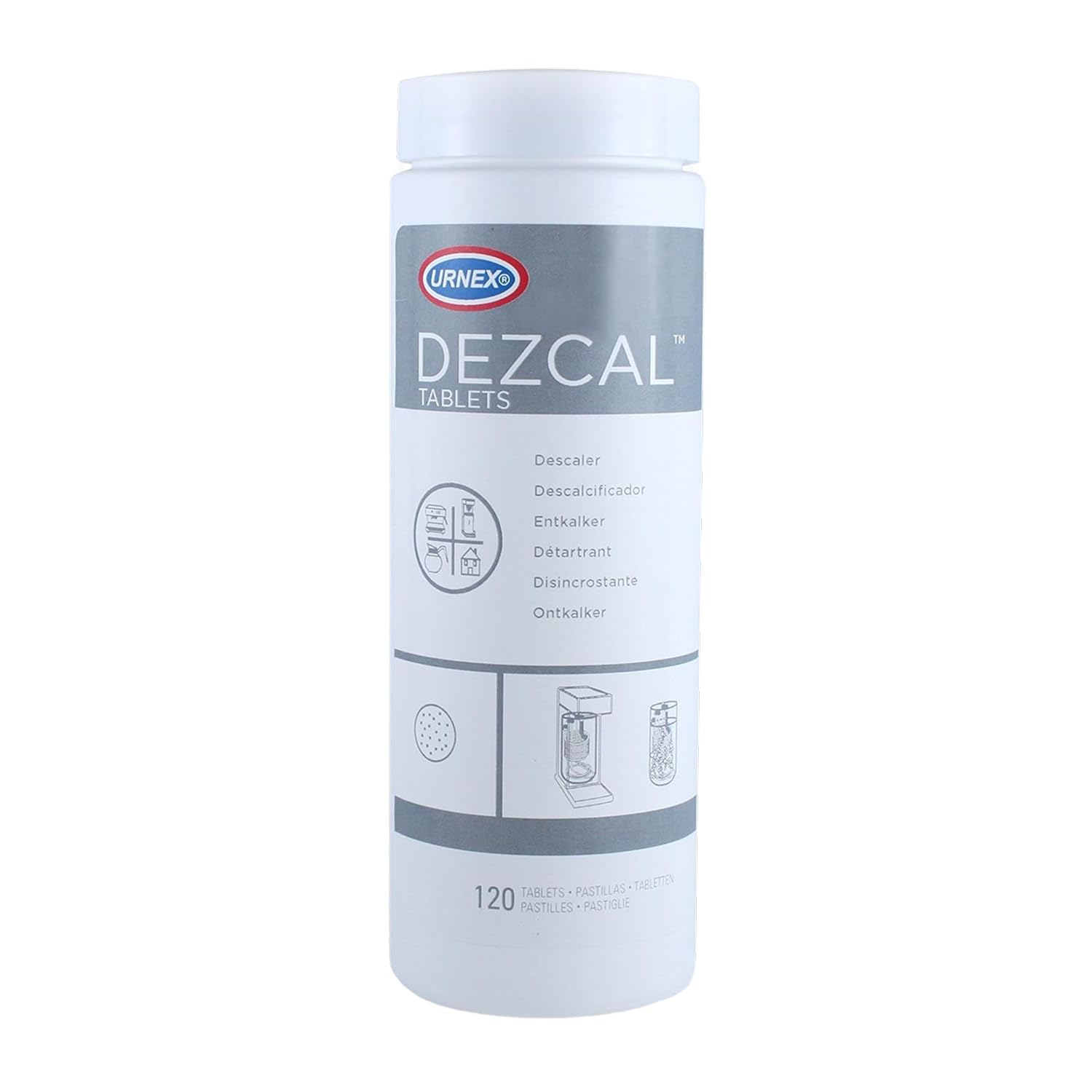
An accessory you dread cleaning will end up in a drawer, so ease of care is a core criterion. Look for dishwasher safe parts, smooth surfaces without deep grooves, and seals you can remove and replace. For the machine itself, keep descaling solution or a descaling pod system on hand, since scale dulls every accessory upgrade downstream. Score down any item with hidden crevices, coatings that cannot be scrubbed, or replacement filters with unclear sizing, because upkeep cost and effort compound over years.
Pod Cost and Long Term Value
For pod machine owners, accessories decide the real cost per cup. Refillable pods cut that cost sharply compared with disposable pods and reduce waste, though they add a minute of filling and rinsing to each drink. Pod storage drawers and carousels score well only if they fit your counter and your actual pod count. Descaling kits and water filters are unglamorous but protect the machine itself, which is the largest cost of all. Judge every accessory by cost per year of daily use, not by shelf appeal.
Build Materials (Plastic vs Stainless vs Glass)
Stainless steel wins for durability on tampers, pitchers, carafes, and canisters, and it resists odors and stains. Glass is ideal where you need to see levels or grounds, such as cold brew jars, but it chips in busy sinks. BPA free plastic is fine for scoops, storage bins, and frother bodies where weight matters. Silicone seals and gaskets should feel thick and springy, not thin and brittle. Score materials by the failure you most want to avoid: breakage, odor retention, or rust, then buy accordingly. For machine side context, our guide to best coffee machine makers explains common build standards.
Accessory Types That Pass the Checklist
Three kinds of accessory consistently pass the criteria above. Use them as a guide when you compare the product table and any store listing.
Insulated Thermal Carafe
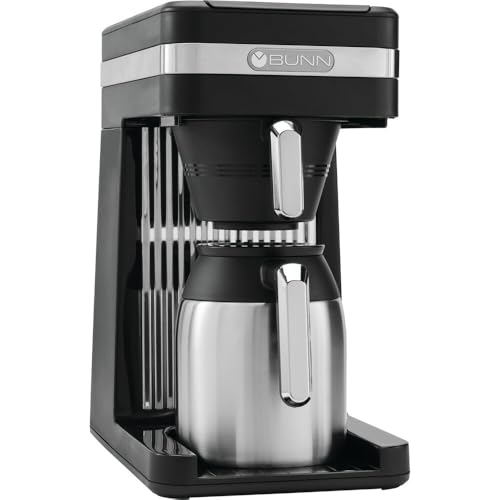
The thermal carafe is an insulated stainless thermal carafe matched to your brewer size, usually around $30 to $60. It passes on temperature, since coffee stays hot for hours without a hot plate stewing it, and on durability, since steel survives daily use and travel to the table. Cleaning is simple with a bottle brush. The one limitation is visibility: you cannot see the level at a glance, so lift and judge the weight before brewing a second batch.
Digital Scale and Reusable Filter
The scale and filter pairing is a small digital scale paired with a reusable filter, together often under $25. The scale fixes the most common cause of weak or bitter coffee, which is inconsistent dosing, and the filter removes paper costs for good. Both items fit every brewing style from drip to pour over and last for years. The limitation is habit: you must actually weigh for the first weeks until the routine sticks. Few accessories improve cup quality this much per dollar spent.
Refillable Pod or Collapsible Dripper
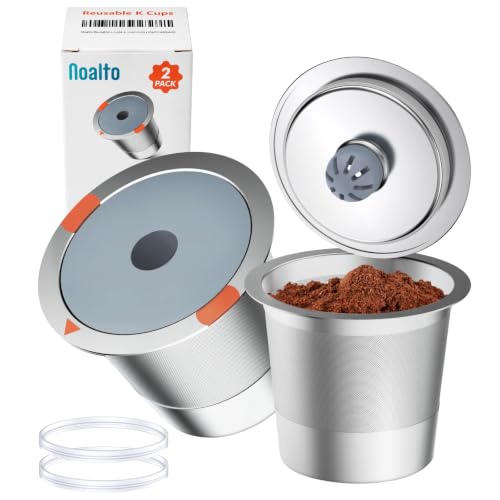
The compact option is a refillable pod set or a collapsible pour over dripper, typically around $10 to $25, chosen for small kitchens and single drinkers. These items store in a drawer, travel easily, and add almost no cleaning burden. A refillable pod also cuts pod spending and waste at the same time. The trade off is capacity, since each use serves one drink. For apartment brewers, that limit rarely matters, and the space saved is worth more than batch size.
Quick Buyer Checklist
- Does it fit my exact machine model, size, and brewing method?
- Can I clean it in under two minutes, or in the dishwasher?
- Is it made from stainless steel, glass, or BPA free plastic suited to its job?
- Will I use it at least four times a week?
- Does it lower my cost per cup or clearly improve flavor?
- Are replacement parts, filters, or seals easy to find?
- Does it store in the space I actually have?
- Is the warranty at least one year on powered items?
Red Flags to Watch For
Walk away when a listing hides its dimensions or compatibility list, because fit is the first criterion and vagueness usually means returns. Be wary of accessories with no safety or materials information, especially plastics that touch hot water. Prices far below every rival often signal thin steel, weak seals, or coatings that peel. A warranty of only a few weeks on a powered frother or kettle is another warning sign. Finally, treat review patterns with care: many near identical five star comments posted in a short window suggest marketing rather than owner experience. Cross check with our best brewing coffee makers guide if a bundle pairs accessories with a new machine.
Choosing Coffee Makers Accessories for Your Situation
Machine and Accessories Together
Shoppers buying a coffee maker and accessories together usually plan a full setup, not a single add on. In that case, spend first on the machine and a grinder, then add a scale and a carafe, and leave decorative items last. Bundles can save money, but only when every piece passes the checklist on its own. A bundle with a weak grinder is worse than a machine bought alone, so judge each part separately before trusting the package price.
Tips to Get the Most From Your Accessories
Use filtered water to protect flavor and reduce scale, whatever accessory you add, because water quality caps the result of every upgrade. Descale every 1 to 3 months depending on water hardness. Clean the carafe, basket, and steam wand after each use, and dry seals fully before storage so odors do not set in. Rotate stored beans weekly and keep canisters away from stove heat. Small habits like these make mid priced accessories perform like premium ones.
Your Questions Answered
Is an accessory with a built in grinder worth it?
A combined unit can be worth it for small kitchens, because one footprint covers grinding and brewing support tasks like dosing. Standalone grinders usually grind more evenly and are cheaper to replace if one part fails. If you buy a combined accessory, check that the burr set is removable for cleaning, since trapped oils turn rancid and quietly spoil fresh beans.
How often should I descale my coffee maker and its accessories?
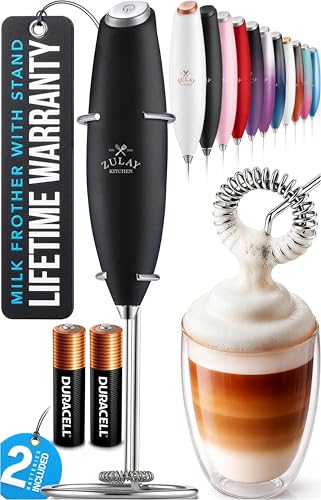
Descale the machine every 1 to 3 months, and rinse accessories that contact water, such as kettles and carafes, with a descaling solution on the same schedule if they show white film. Wands and frothers need a wipe and purge after every use instead. A simple calendar note tied to filter changes keeps the whole routine from slipping.
How long does a typical coffee maker accessory last?
Stainless items such as tampers and pitchers can last a decade or more, glass pieces last until they chip or drop, and powered accessories typically last three to five years. Seals and gaskets are the wear items, often needing replacement every year or two. Buying accessories with available spare seals is the easiest way to extend their working life.
What grind size works best with my accessories?
Match the grind to the brewer the accessory serves: medium for drip, fine for espresso tools, and coarse for cold brew filters. A scale accessory helps you hold the dose steady while you adjust grind, which keeps one variable steady while you adjust grind. Change one thing at a time and taste across three brews before judging the result.
Is a more expensive accessory really worth it?
It is worth it when the price buys thicker steel, better seals, or temperature control you can feel in the cup. It is not worth it for branding, color finishes, or app features on simple tools. A fair measure is cost per year: an item used daily for five years can justify a premium that a seasonal gadget cannot. Owners of single cup setups can compare notes in our best single coffee makers guide.
Can I use regular ground coffee in refillable accessories?
Yes, regular ground coffee works in refillable pods, reusable filters, and cold brew jars without any special preparation. Whole beans need a grinder before they suit most accessories. Avoid oily flavored grounds in refillable pods and fine mesh filters, because the oils clog small holes and are hard to wash out fully.
The Bottom Line
Compatibility, cleaning effort, and materials decide whether an accessory earns its keep, so run every candidate through the checklist before price even enters the decision. The product table above can help you compare a shortlist. Chosen this way, the best coffee makers accessories are simply the ones you will still use daily a year from now.