Best Coffee Maker With Timer (2026): Wake Up to a Ready Pot
Disclosure: We may earn a commission when you buy through links on this page, at no extra cost to you. As an Amazon Associate I earn from qualifying purchases. Learn more
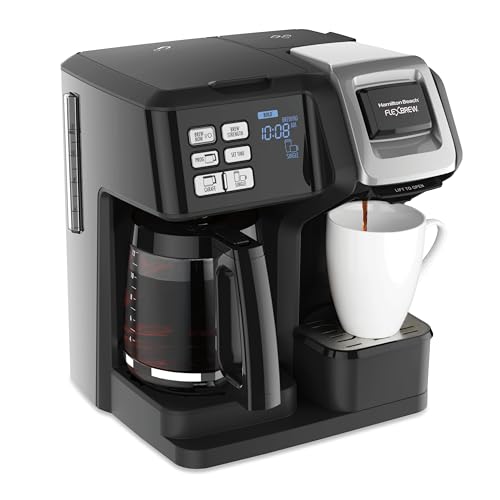
Set it at night and wake to a ready pot: choose the best coffee maker with timer by household size, carafe type, counter room and budget.
The alarm goes off, the kitchen is still dark, and the first person awake also has to feed the dog and find two matching shoes. On mornings like that, coffee already brewed feels less like a luxury and more like a rescue. A best coffee maker with timer pick earns its counter space by starting on its own, so the pot is ready when you are.
This guide helps you choose by the things that shape daily life at home: how much counter room you have, how many people drink coffee, and what you can spend. Use the product table below to spot the timer styles that fit, then read on for the details. If your search is wider than timer models, our guide to the best coffee maker for home covers the broader field.




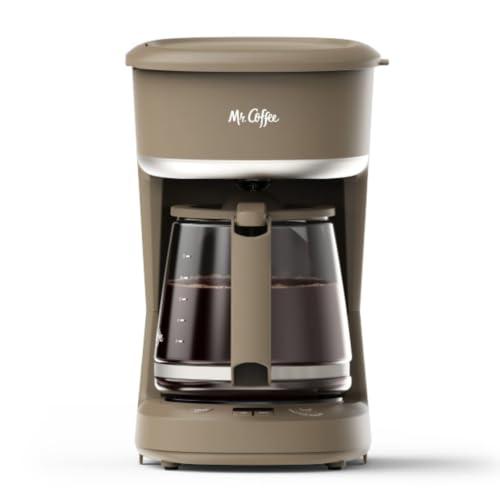


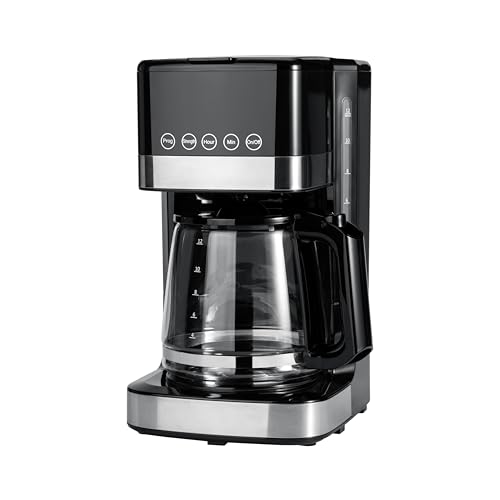
Quick Answer: The Three Timer Styles in 30 Seconds
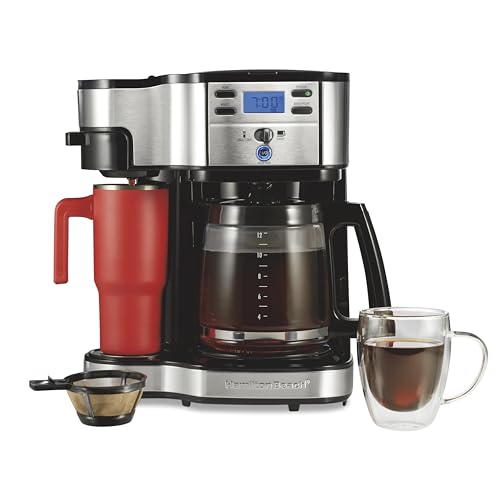
Most timer models fall into three styles. Full size programmable drip makers suit households that empty a 10 or 12 cup pot every morning. Compact programmable models brew smaller amounts for one or two drinkers in a small kitchen. Thermal carafe models cost more but keep coffee hot for hours without a warming plate. Pick the style first, and features get easier to judge.
Before You Buy: A Quick Checklist for Choosing a Coffee Maker
Work through the points below in order, because size and routine rule out more models than any single feature will.
Size: Match It to Your Space
Timer models come in sizes from about 4 cups up to 14 cups, plus single cup machines that brew one mug at a time. Remember that a coffee maker cup is often around five ounces, so a 12 cup pot holds roughly 60 ounces, not twelve full mugs. Count the mugs your household drinks on a weekday morning, then add one for the person who always wants a refill. A couple that drinks two mugs each rarely needs more than an 8 or 10 cup machine.
Which Type Fits Your Routine
Programmable drip is the standard format here, and our guide to the best drip coffee maker explains the category in depth. Within it, glass carafe models sit on a warming plate and cost less, while thermal carafe models hold heat inside insulated steel. Dual machines add a single serve side for pods or ground coffee, which helps when one person drinks decaf. Iced coffee settings brew a stronger concentrate over ice. If your mornings are simple, a plain programmable drip machine usually covers everything you need.
Features Worth Paying For and Ones to Skip
The timer itself matters most, so favor a clock that is easy to read and buttons you can set while half asleep. Auto shut off adds peace of mind, brew strength control helps when tastes differ, and a pause feature lets you pour a first cup mid brew. A built in grinder is worth it only if you buy whole beans, a point covered in our guide to the best coffee maker with grinder. Skip a milk frother, hot water dispenser, or pod option unless it will see weekly use.
Brew Temperature and SCA Certification
Coffee extracts best in water around 195 to 205 degrees Fahrenheit, and a machine that brews too cool can taste sour and thin. Makers rarely print brew temperature in large type, so look for it in the spec sheet before you buy. Some models carry certification from the Specialty Coffee Association, meaning the design met set standards for temperature, brew time, and consistency. Certification is a useful shortcut, not a requirement, and many solid home machines brew hot enough without the badge.
Water Reservoir, Filters and Descaling
A removable reservoir you can carry to the sink beats one you must fill with a jug while leaning over the machine. Wider openings also make wiping out mineral film far easier. Paper filters cost little, while a reusable mesh filter saves repeat buying but needs a rinse after every pot. Hard water areas should look for a descaling alert or a clean cycle, because scale builds up inside the heater and slowly stretches brew times and weakens flavor.
Counter Footprint
Measure before you fall for a model. Note the depth with the lid fully open, since many machines need several extra inches of height under upper cabinets. Check where the cord exits and whether the carafe pours from the side your sink sits on. A tall thermal model that forces you to pull it forward every morning will annoy you daily, while a shorter machine may slide under cabinets and stay put.
Realistic Budget Ranges
Basic programmable models sit under $30 and cover a clock timer, a glass carafe, and little else. Around $30 to $50 adds brew strength settings and auto shut off. Between about $50 and $100 you gain thermal carafes, removable reservoirs, and better displays. From about $100 to $200, expect stronger build quality, certification on some models, and extras such as a built in grinder. Match the tier to how often you brew, because a daily machine repays comfort features faster than a weekend one.
Three Timer Styles Compared: Which One Fits Your Home?
Compare the three styles below against your routine. Each uses the same best coffee maker with timer idea, a clock that starts the brew before you wake, but they serve different homes.
Full Size Programmable Drip for Most Homes
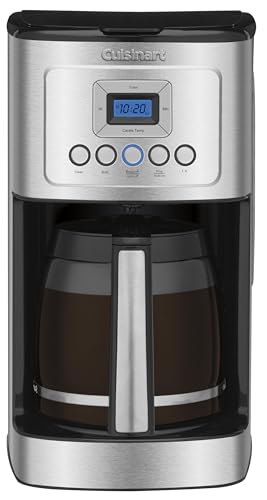
This is the default choice for families and shared houses. A 10 to 14 cup glass carafe covers a crowd, the warming plate keeps the pot hot through breakfast, and controls stay simple enough for guests to use. Choose it if two or more people drink coffee daily and the pot rarely sits longer than an hour. Its main cost is counter room, and coffee held on a hot plate for hours can taste cooked, so brew amounts you will finish within the morning.
Compact Programmable Models for Small Households
Compact 4 to 5 cup machines and single serve timer models suit solo drinkers, couples with modest habits, and small apartments. They heat less water, so the first cup arrives sooner, and the small footprint leaves room for a toaster beside them. Prices tend to sit in the lower tiers, which makes this style the sensible budget route. The limit is obvious: when guests stay over, you will brew two rounds, with no reserve pot for anyone running late.
Thermal Carafe Models for Longer Mornings
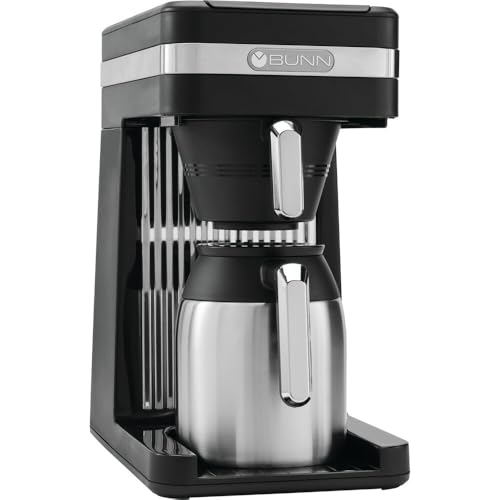
A thermal carafe keeps coffee hot with insulation instead of a plate, so the last cup tastes close to the first even two hours later. This style suits homes where people wake at staggered times, or where the pot moves to a table or desk. There is no plate to leave on by accident, which many owners count as a safety plus. You pay more up front and the steel carafe is heavier to wash, but for slow mornings it is the most forgiving format.
How to Compare Coffee Makers With Timer
Judge every model against the same short list: brew temperature, timer ease, carafe type, cleaning effort including descaling, and build quality judged from materials and warranty length. Read the maker spec sheet for the facts, then scan verified buyer reviews for repeated patterns, such as clocks that reset after outages or carafes that drip. One complaint repeated by many owners tells you more than a single glowing review.
Do You Really Need a Coffee Maker With Timer?
If your household wakes at a set time, leaves early, or runs staggered shifts, a timer removes one task from the busiest part of the day and makes weekday coffee far more consistent. It also helps carers and parents whose mornings start with someone else's needs. If you work from home with a flexible start, the gain shrinks, since brewing on demand takes a few minutes and the grounds go in fresh. Ground coffee left in the basket overnight loses some aroma, so flavor purists may prefer a grinder model that grinds and brews at the set time. Our walkthrough of how to use a coffee maker shows the basic setup steps if you are new to programmable machines. If you mainly drink single espresso style drinks, a drip timer of any size is the wrong tool.
Common Buying Mistakes to Avoid
- Buying a 14 cup machine for a two mug household, so half of every pot gets poured away.
- Skipping the cabinet clearance check, so the lid cannot open fully once the machine is in place.
- Ignoring filter and descaler costs, so a cheap machine gets expensive to run over a few years.
- Paying for a frother, pod side, and hot water spout you will rarely touch, so cleaning takes longer every day.
- Choosing a clock with tiny buttons and no display light, so setting the brew start feels like a chore.
Cost of Ownership and Care
Running costs stay modest: paper filters and descaling solution add up to a small yearly sum, and the electricity for a daily pot is minor next to the coffee itself. A reusable filter removes the filter cost but adds a daily rinse. Keep the machine alive longer by descaling on the schedule the manual sets, washing the carafe and basket in warm soapy water, and wiping the plate before residue bakes on. The full routine in our guide on how to clean a coffee maker walks through each step. Store the machine with the lid open so the reservoir dries.
Your Questions, Answered
Is a coffee maker with timer worth it for one person?
Yes, if your wake time is fixed and your mornings feel rushed, because a small 4 or 5 cup timer model can have a mug ready before you reach the kitchen. The value drops if your schedule changes daily, since coffee brewed at the wrong time sits and stales. One extra point in your favor: a small pot uses less coffee per brew, so a mistimed morning wastes very little.
Does coffee ground the night before taste worse in a timer coffee maker?
Ground coffee does lose some aroma overnight because ground beans expose far more surface to air than whole beans do. Most drinkers notice a small difference rather than a ruined cup, and keeping the basket in the machine with the lid closed limits air flow. If the gap bothers you, keep the bean bag sealed away from the machine's heat, or choose a model that grinds right before brewing.
Does a programmable coffee maker use much power while it waits overnight?
Very little. The clock and display draw a tiny standby load, far less than the heating element uses during the brew itself. The bigger energy question is the warming plate, which keeps drawing power while it holds a glass pot hot. A thermal carafe removes the plate entirely, and an auto shut off setting limits how long the plate stays on after brewing ends.
Can a timer coffee maker brew a half pot well?
Most can, and many include a small batch setting that slows the water flow so a half pot still extracts evenly. Without that setting, a half pot can taste weak because the water passes through the grounds too fast. Fill only to the marked line for the amount you want, since overfilling the reservoir on a small batch dilutes the result. Brewing the amount you will drink also keeps the second half of a full pot from going to waste.
How long does a coffee maker with timer last?
A typical home machine lasts about five to seven years of daily use, and the timer clock itself rarely fails first. Pumps weaken, seals age, and scale damage usually ends a machine's life before the electronics do. One sign of late stage wear is a brew that takes far longer than it used to for the same amount of water. When descaling no longer fixes slow brewing or off flavors, replacement beats repair for most models.
Final Thoughts
Start with household size, then counter space, then budget, and the shortlist builds itself. The product table above pulls the current options together, and our wider guide to the best coffee maker helps if you are still weighing timer models against other styles. Choose the best coffee maker with timer for the mornings you actually live, and it will quietly do its job for years. Prices and availability can change, so check the product page before ordering.