Best Coffee Maker With Milk Frother (2026): Lattes Without the Cafe Trip
Disclosure: We may earn a commission when you buy through links on this page, at no extra cost to you. As an Amazon Associate I earn from qualifying purchases. Learn more

Lattes and plain pots from one machine: compare steam wands, automatic milk carafes and separate frothers to find the best coffee maker with milk frother.
One person in your home wants a plain mug, another wants a latte, and the counter is already crowded. A best coffee maker with milk frother solves that clash in one footprint, because it brews the pot and foams the milk in the same routine. This guide helps you choose by counter room, by household size, and by how much daily cleanup you will accept.
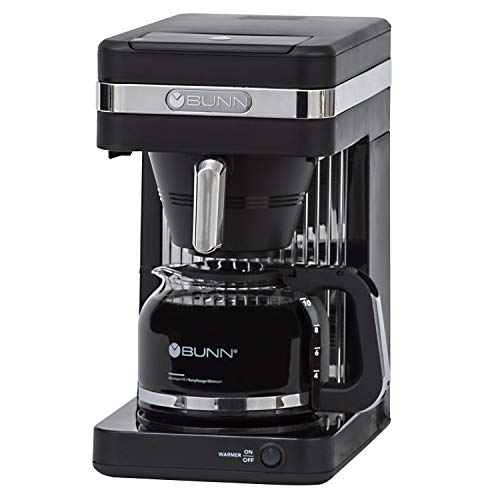
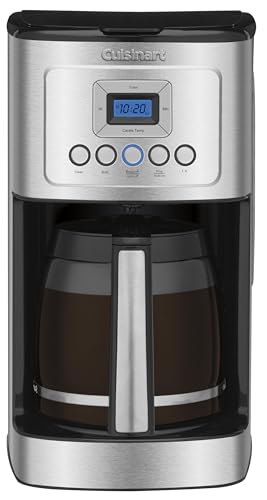
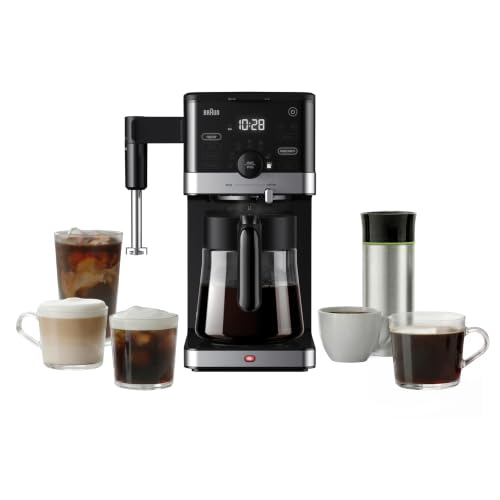
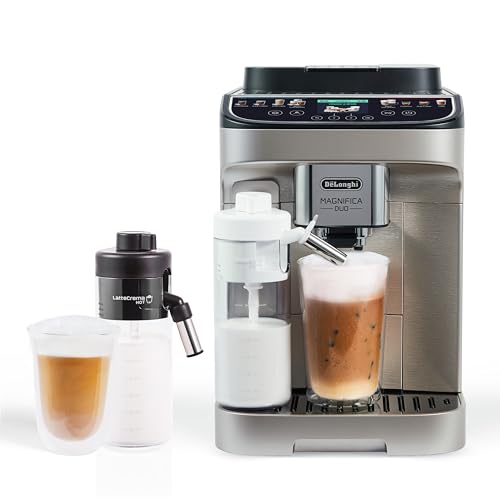
Use the product table below as a quick map, then read on for the details that decide which setup fits your home.





Quick Answer: What to Choose in 30 Seconds
Your frother style decides almost everything else. Pick an integrated steam wand if you enjoy adjusting foam by hand, an automatic milk carafe if you want the machine to foam and pour while you make breakfast, or a separate frothing unit if counter depth is tight. Size and budget then narrow the field.
Before You Buy: A Quick Checklist for Choosing a Coffee Maker
Start with your kitchen and your routine, not with a feature list. The right machine for a family of five will frustrate a single renter, and the reverse is also true.
Size: Match It to Your Space
Capacity is counted in cups, but a cup on a coffee maker box usually means about 5 ounces, not a full mug. A 4 cup or 5 cup brewer suits one or two drinkers, an 8 cup or 10 cup size fits most couples and small families, and a 12 cup or 14 cup pot serves a crowd. Bigger pots also need more water, more grounds, and more sink room for washing. If fit for daily family use is your main question, our guide to the best coffee maker for home compares household sizes in more depth.
Which Type Fits Your Routine
Drip brewing remains the core job, and the frother is an added station on top of it. Programmable models let you set a start time the night before, which suits early shifts and school runs. A thermal carafe keeps coffee warm without a hot plate, so the second mug tastes fresh rather than scorched, while a glass carafe costs less and shows the level at a glance. If most mornings call for a plain pot, compare drip focused options in our guide to the best drip coffee maker before paying for frother hardware you may rarely use.
Features That Matter and Ones to Skip
A built in grinder saves a separate appliance, but it adds noise, cost, and one more chamber to clean. A timer and auto shut off add real safety and convenience for busy homes. A hot water dispenser helps with tea and oatmeal, and a K cup option adds flexibility for guests, yet pod costs add up over a year. For this category, the frother itself, a removable water tank, and a clear descale alert matter more than novelty settings you will set once and forget.
Brew Temperature and SCA Certification
Good extraction needs water between 195 to 205 degrees Fahrenheit. Water below that range tends to taste sour and thin, while water far above it can taste bitter, and machines that hold a steady temperature give you more consistent pots from the same beans. SCA certification means an independent group has checked that a brewer reaches and holds that range with even water distribution over the grounds. It is a helpful signal, not a guarantee, because stale beans and poor water will still hold any machine back.
Water Reservoir, Filters and Descaling
A removable reservoir is easier to fill at the sink and easier to scrub than a fixed tank you must fill with a jug. Larger tanks suit big households, but water that sits for days can taste flat. Paper filters cost little and trap more sediment, while permanent metal filters save money over time and let more oils through. Hard water leaves scale on heating parts, and scale slows brewing over time, so choose a model with a simple descale cycle and a visible alert.
Counter Footprint
Measure width, depth, and the height under your cabinets before you order. Many frother models are taller than plain drip machines, and the lid needs space to open upward for filling water and adding grounds, so leave a few inches above the stated height. A deep machine can also crowd the front edge of the counter where you set mugs and spoons.
Realistic Budget Ranges
Basic drip brewers with a simple separate frothing cup sit under $50, and foam quality will vary from day to day. Integrated wands, programmable starts, and thermal carafes appear once you spend about $50 to $100 in most lines. Automatic milk carafes and steadier brew temperatures become common at about $100 to $200, while models over $200 mainly add quieter pumps, larger tanks, and finer temperature control. Set your budget by frother style, since that choice drives most of the price gap.
Three Types Compared: How Frother Systems Differ
Choosing the best coffee maker with milk frother for your home mostly means choosing how the foam gets made. The three systems below cover nearly every model on the market, and each one trades control, speed, and cleanup in a different way.
Integrated Steam Wand Systems
A steam wand shoots hot steam into a small pitcher of milk, and you control the foam by moving the pitcher as the milk warms. This style gives you the widest range, from light airy foam for a cappuccino to smooth steamed milk for a latte. It takes a week or two of practice to get consistent results, and the wand needs a wipe and a brief steam purge right after each use so dried milk does not clog the tip. Choose it if you enjoy the process and others in the house will learn the technique too.
Automatic Milk Carafe Systems
An automatic carafe holds cold milk, draws it through the machine, foams it, and pours it into your cup with little input from you. This is the easiest route for households where speed matters and where different people want different drinks on the same morning, and the carafe goes back into the refrigerator between uses. The trade off is cleaning, because tubes and connectors need regular rinsing so milk residue does not build up and sour. Choose it if weekday convenience matters more than fine control over foam texture.
Brewers Paired With a Separate Frothing Unit
Some setups keep the brewer and the frother as two pieces, either in one base with a detachable frothing cup or as a small standalone frother beside a standard drip machine. The frothing cup heats and spins the milk with a small whisk, producing soft foam with almost no learning curve. Because the parts separate, you can replace the frother without replacing the brewer. Foam tends to be lighter than wand foam, so this style suits casual latte drinkers more than devoted cappuccino fans.
How We Compare These Machines
We compare models on brew quality, temperature stability, ease of use, cleaning effort, and build quality. Our sources are manufacturer specifications, published performance standards, and patterns in verified buyer reviews, with attention to what owners report after months of daily use. Readers who want the wider category view can start with our main guide to the best coffee maker and then return here for the frother specific trade offs.
Do You Really Need a Coffee Maker With a Milk Frother?
You need one only if milk based drinks are a regular habit, not a rare treat. If you drink lattes or cappuccinos three or more times a week, a built in frother saves counter clutter and removes cafe trips from your routine, while a plain drip machine plus a small handheld frother covers the odd occasion with far less cleaning. A side by side look at coffee maker vs espresso machine can also help, because true espresso needs pressure that a drip brewer does not create.
Household agreement matters too, because a frother adds parts that everyone must rinse. Talk through who will clean the milk parts each day before you spend on the feature.
Common Mistakes to Avoid
- Buying a 14 cup model for a one person kitchen, so most pots stale while the machine takes half the counter.
- Ignoring cabinet height, so the lid cannot open fully and every refill means pulling the machine forward.
- Leaving milk in a carafe on the counter after breakfast, which lets bacteria grow and ruins the next drink.
- Choosing a steam wand model when you wanted one button drinks, so the machine feels like work and goes unused.
- Skipping the descale alert for months, until scale slows the brew and shortens the life of the heating parts.
Cost of Ownership and Care
Daily care is short but non negotiable for milk parts, so rinse the carafe, tubes, or frothing cup right after use and wash them with warm soapy water each day. The brew side needs less attention, mainly a descale cycle when the alert appears and a fresh filter on schedule. Ongoing costs include paper filters if you use them, descaling solution a few times a year, and replacement carafe seals over time. Step by step timing and solution ratios live in our guide on how to clean a coffee maker.
FAQ
Can a coffee maker with milk frother brew plain coffee without milk?
Yes, the frother stays idle when you brew a plain pot, and the coffee path never touches the milk path on most designs. Your drip coffee will taste the same as it would from a machine without a frother. One useful habit is to run a short steam purge once a week, since that keeps seals moist and stops stale odors from forming in unused tubing.
What type of milk froths best in a coffee maker with milk frother?
Whole dairy milk froths most reliably because its fat and protein hold a stable foam, while low fat milk makes a lighter foam that fades faster. Plant based drinks vary a lot by formula, and versions made for coffee foam far better than standard versions, which can split under heat. Whatever you choose, start with milk straight from the refrigerator, because cold milk gives you more time to build foam before it reaches serving temperature.
How long can milk stay in a removable milk carafe in the refrigerator?
Milk in a removable carafe follows the same rules as milk in its original carton, so keep it refrigerated and use it within the date printed on the carton. The carafe adds one extra concern, because milk films the inside walls and the intake tube as levels drop. Empty, rinse, and refill rather than topping up old milk with fresh milk, since topping up mixes ages and hides early spoilage.
Does using the milk frother slow down the morning brew cycle?
It adds a few minutes, but on many machines the two jobs can overlap, because you can steam or foam milk while the pot is still brewing. Carafe systems are the fastest since the machine sequences the steps for you, while wand systems take the longest at first and get quicker with practice. If mornings are truly rushed, fill the reservoir and add grounds the night before so only the milk step remains.
What makes the best coffee maker with milk frother worth buying for a small household?
For one or two people, value comes from drinks you would otherwise buy outside the home, not from pot size. A compact model that makes two strong lattes a day can pay for itself against cafe prices within a season of regular use. Small households also feel cleaning effort more, so a simple carafe or frothing cup usually beats a wand.
Final Thoughts
The right choice comes down to your kitchen, your household size, and the frother style you will actually enjoy using each day. Match capacity to real daily demand, leave room under your cabinets, and pick the foam method that fits your patience for practice and cleanup. When you find a best coffee maker with milk frother that meets those points, check the product table above once more to compare sizes and frother types, then order with confidence.