Best Coffee Maker With K Cup Option (2026): Dual Brewers for Pods and Pots
Disclosure: We may earn a commission when you buy through links on this page, at no extra cost to you. As an Amazon Associate I earn from qualifying purchases. Learn more
Households that mix pods and full pots: choose the best coffee maker with k cup option by carafe size, shared tank, pod cost and counter room.
One person in your home wants a single cup before an early shift, while everyone else shares a full pot on a slow morning. A dual machine solves both habits in one footprint. Choosing the best coffee maker with k cup option comes down to counter space, how many people drink coffee each day, and pod and filter cost over time. The product table below sums up the main types.
This guide focuses on daily use at home rather than cafe style drinks. For a broader view, see our guide to the best coffee maker, then return here.

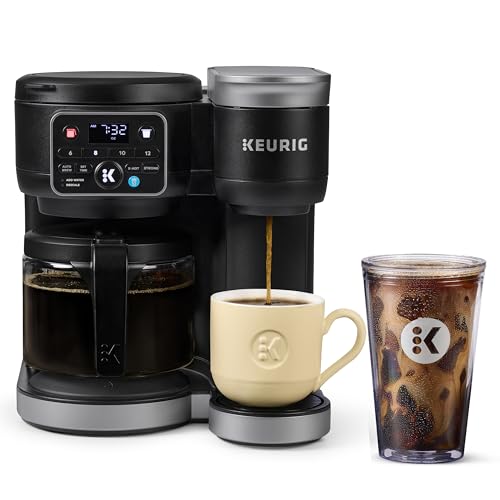


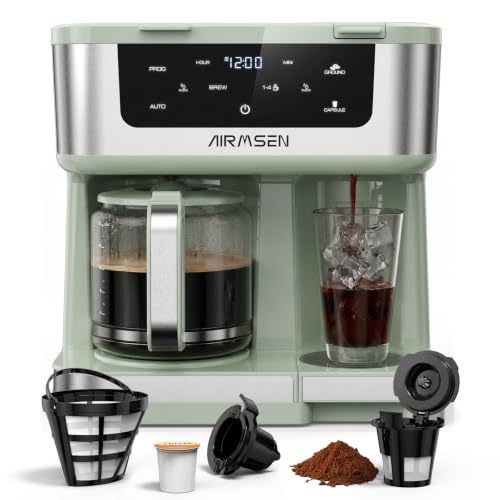
Quick Answer: Three Types That Fit Real Homes
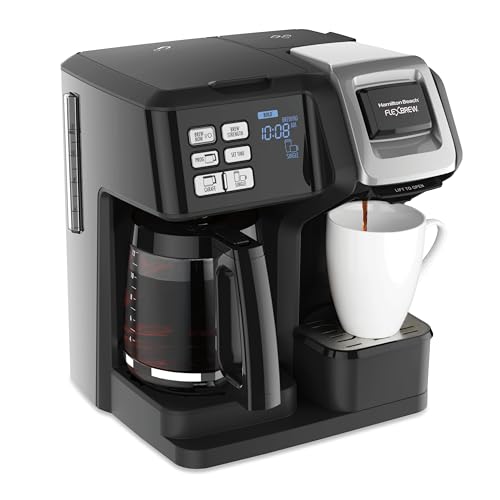
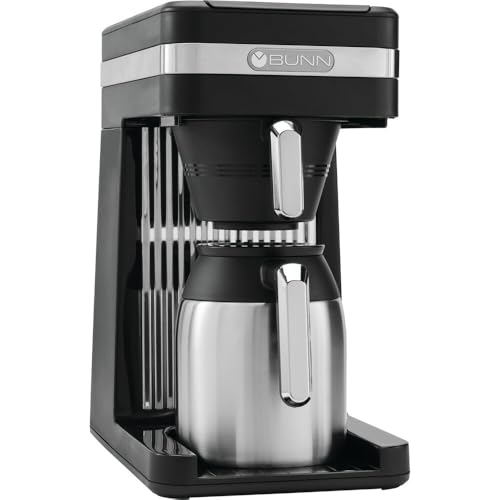
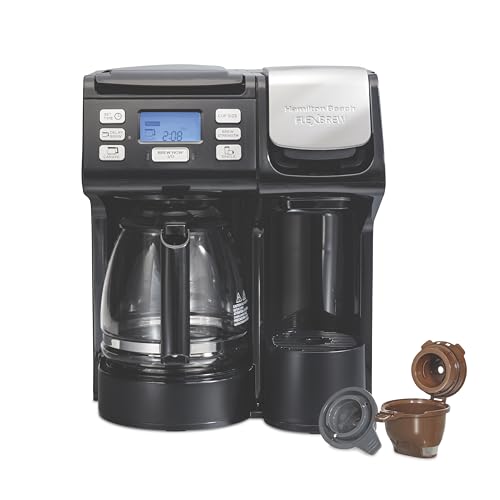
Most dual machines fall into three groups. A full size dual type brews a 10 cup or 12 cup carafe on one side and a single pod on the other. A compact dual type trims the carafe to about 6 to 8 cups. A thermal carafe dual type costs more but keeps a pot warm for hours without a hot plate.
- Full size dual: best when two or more people share a pot and one also uses pods.
- Compact dual: best for one or two people and tight counters.
- Thermal carafe dual: best when a pot sits for an hour or more.
Before You Buy: A Quick Checklist for Choosing a Coffee Maker
Size: Match It to Your Space
Carafe size should match how much coffee your home drinks within about an hour, because coffee left sitting loses aroma and turns bitter. A 12 cup carafe serves a family or guests but wastes coffee in a one person home. A single cup side covers the solo drink, so many couples do well with an 8 cup or 10 cup carafe. Pick the smallest carafe that covers a normal morning with a little to spare.
Which Type Fits Your Routine
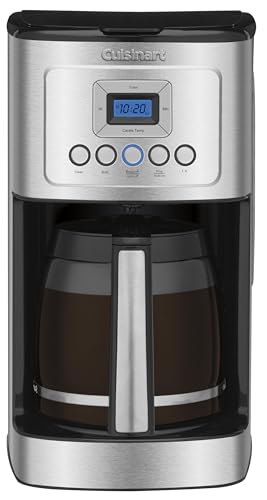
A standard drip side with a glass carafe and warming plate is the simplest and lowest cost choice. A thermal carafe holds heat inside insulated steel, so coffee tastes fresher later and no plate runs all morning. A programmable model lets you set a start time the night before, which helps early risers. Homes that host guests often need the full pot that a best drip coffee maker style side provides.
Features Worth It and Ones to Skip
A removable pod holder that also accepts a reusable pod for ground coffee is worth paying for, because it cuts pod cost and waste. Brew strength control, a pause feature for pouring mid brew, and auto shut off all earn their place in daily use. A built in grinder adds freshness but also adds cleaning and noise. Milk frothers and hot water dispensers matter only if you use them weekly. Color screens and app control rarely change how the coffee tastes.
Brew Temperature and SCA Certification
Good extraction needs water at about 195 to 205 degrees Fahrenheit as it meets the grounds. Water that is too cool gives thin and sour coffee, while water that is too hot can pull out harsh flavors. The Specialty Coffee Association, often shortened to SCA, certifies brewers that hold this range and wet the grounds evenly. Certification is a useful signal on the carafe side, but it does not grade the pod side, so check pod brew volume and strength settings on their own.
Water Reservoir, Filters and Descaling
A shared reservoir that feeds both sides is easier to fill than two separate tanks, and a removable tank is easier to wash at the sink. Note the tank size in ounces and whether you can see the level from the front. Carafe brewing uses paper filters or a permanent mesh filter, while the pod side needs no filter. Mineral scale builds up in both paths, so a descale alert saves guesswork later.
Counter Footprint
Measure width, depth, and height with the lid open before you order, because lids lift up and can hit upper cabinets. Leave room at the front to pull the carafe out without tilting it. Also check cord length and outlet position, since a dual machine is wider than a plain drip model. A machine that fits on paper but blocks a cabinet door will annoy you daily.
Realistic Budget Ranges
Under about $50 you mostly find plain single serve or plain drip machines, so a true dual type at this level is rare and basic. About $50 to $100 covers most compact and full size dual models with strength control and auto shut off. About $100 to $200 adds thermal carafes, larger tanks, and sturdier parts. Above about $200 you pay for certification and build quality rather than more cups. Pod spending over a year can exceed the machine price, so include it.
Types Compared: Coffee Makers With K Cup Option for Different Homes
The Full Size Dual Type for Most Homes
This type pairs a 10 cup or 12 cup glass carafe with a pod side that brews about 6 to 12 ounces at a time. It fits a family where one person grabs a pod at dawn and the rest share a pot later. Look for a shared removable reservoir, a reusable pod for grounds, and a warming plate that shuts off on its own. The main trade off is width. For most mixed habit homes, this is the best coffee maker for home layout to start from.
The Compact Dual Type for Small Kitchens
A compact dual type shrinks the carafe to about 6 to 8 cups and stays narrow enough for apartments and small kitchens. You give up guest capacity and often programming, but you keep both brewing styles for far less money and space. It suits one or two drinkers who switch between a pod on busy days and a small pot on weekends. Check that the pod side fits a tall travel mug with the drip tray removed.
The Thermal Carafe Dual Type for Long Mornings
Here an insulated steel carafe replaces the glass pot and warming plate. Coffee stays hot for one to two hours and does not pick up the cooked taste a plate can add. Steel survives bumps better than glass, though replacement carafes cost more. This type costs more up front and the carafe is heavier to pour, but for homes that sip a pot over a long morning it repays the price in taste.
Our Selection Process for the Best Coffee Makers With K Cup Option
We judge dual machines on five points from maker specifications and verified buyer reviews: brew quality on both sides, temperature stability, ease of use, cleaning and descaling effort, and build quality of lids, hinges, and the pod holder. A model that brews weak pods does not pass, because this type must do both jobs well.
Do You Really Need a Coffee Maker with K Cup Option?
You need one only if both brewing styles get real use in your home. If nobody drinks pods, a plain drip machine costs less and cleans faster. If nobody brews a pot, a single serve machine takes half the counter. Our comparison of coffee maker vs keurig walks through that single style choice in more depth. The dual type earns its space when habits differ by person or by day, for example pods on workdays and a shared pot on weekends. Be honest about the split, because an unused side still needs cleaning.
Pods also change the math. A pod often costs several times more per cup than ground coffee in a carafe, and it creates a used pod for every cup. A reusable pod narrows that gap, though it adds a rinse after each use. If cost matters most, brew pots most days and save pods for rushed mornings.
Common Buying Mistakes to Avoid
- Buying the biggest carafe by default: a 14 cup pot in a two person home means stale coffee poured away most days.
- Skipping the open lid height check: the machine fits closed but cannot open to load grounds or a pod.
- Ignoring pod compatibility: some pod sides accept only certain pod sizes or need an adapter for ground coffee.
- Forgetting ongoing costs: pods, filters, and descaling solution can pass the machine price within a year.
- Choosing features over tank access: a tank you cannot remove or see into gets cleaned less often.
Cost of Ownership and Care
Beyond pods and filters, budget for descaling solution or plain white vinegar, a replacement carafe if glass breaks, and a new permanent filter when mesh tears. Electricity cost is small, though a warming plate left on for hours uses more than a thermal carafe. Wipe the pod holder weekly, wash the carafe with warm soapy water, and run the descale cycle when the alert appears or about every three months with hard water. Our guide on how to clean a coffee maker covers the full routine.
Your Questions, Answered
What is the most reliable coffee maker brand?
No single brand wins for every dual model, because reliability varies by line and by how the machine is cared for. Look instead for signs within a model: a long warranty, replacement carafes and pod holders that are easy to order, and reviews that mention years of use rather than weeks. Descaling on schedule does more for lifespan than a logo does. A simple model also gives you fewer parts that can fail.
How do you clean a coffee maker?
Daily care is a rinse of the carafe and pod holder plus a wipe of the brew area. The deeper step is descaling, and one tip the care section did not cover is to run two plain water cycles after descaling and taste the second cup of water before brewing coffee in it. Any sour note means another rinse cycle is needed. Also wash the reusable pod after every use, since old grounds in its mesh flavor the next cup.
Is a coffee maker worth it?
For a home that buys cafe coffee most days, yes, because even pod brewing at home costs far less per cup than a cafe drink, and carafe brewing costs less still. The machine pays for itself fastest when it replaces bought drinks rather than adding new ones. It is not worth it if it will sit unused. Count your weekly drink spending first, then compare it with the machine price plus a month of pods and filters.
How long does a coffee maker last?
A dual machine often lasts about three to five years of daily use, and the pod side pump and seals tend to age first because they work under pressure. Hard water shortens that span when scale is left to build up. You can stretch lifespan by using filtered water if your tap water is very hard, and by replacing a worn pod holder gasket when cups brew weak. When both sides fail within weeks, replacement usually beats repair.
Is a coffee maker with k cup option worth it?
It is worth it when the pod side saves real time at least a few mornings each week and the carafe side still gets weekend or family use. The premium over a plain drip machine is modest, so even light pod use can justify it. It is not worth it as a just in case feature, because the wider body and extra cleaning stay with you daily. List who will use the pod side and how often before you pay.
What is the best coffee maker with k cup option?
The best choice is the type that matches your household split between pots and pods, your open lid clearance, and your budget for pods over time. For most homes that is the full size dual type with a shared removable reservoir and a reusable pod. Small homes do better with the compact type, and slow morning homes with the thermal type. Use the product table above and the checklist together to decide.
Final Thoughts
A dual machine should make mornings simpler, not add chores. Match the carafe to your household, confirm the machine opens under your cabinets, and count pod costs before you order. When those basics line up, the best coffee maker with k cup option for your home is easy to spot in the product table above. Go compact for a small kitchen, and choose thermal if a pot needs to stay tasty for hours.