Best Coffee Maker Under 30 (2026): Simple Brewers for Small Kitchens
Disclosure: We may earn a commission when you buy through links on this page, at no extra cost to you. As an Amazon Associate I earn from qualifying purchases. Learn more

Shop for the best coffee maker under 30 by household size and counter space: drip, single serve or pour over, and what each saves you.
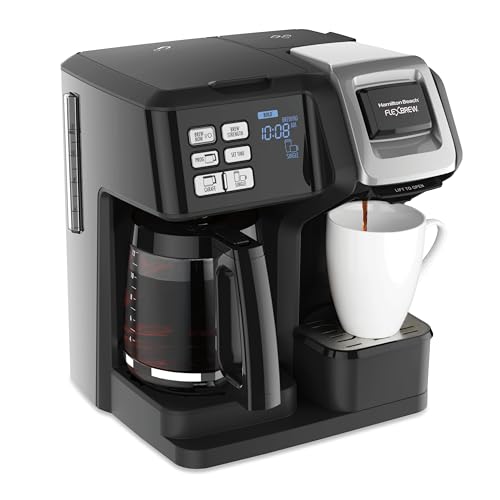
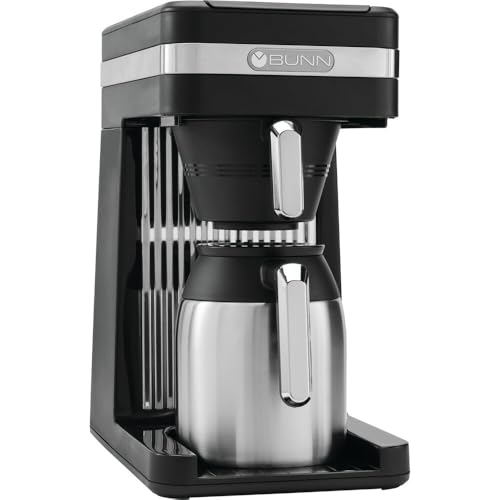
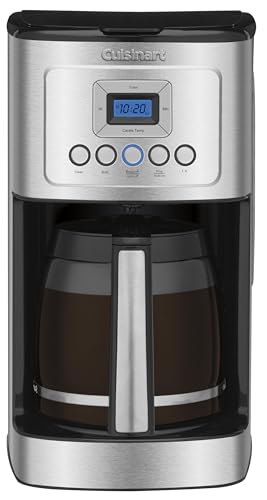
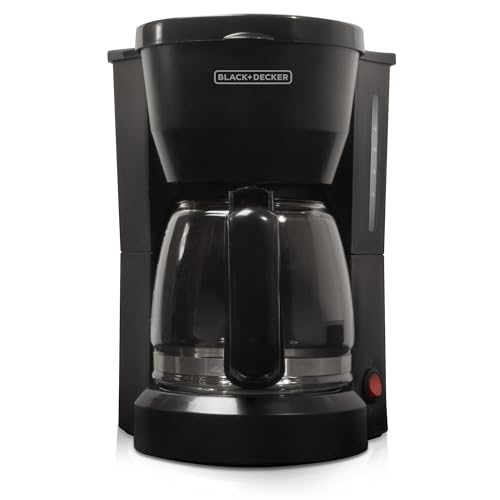
A small kitchen with two sleepy adults, one school run, and very little free counter space does not need a complicated machine. It needs coffee that starts fast, tastes clean, and is simple to rinse between busy mornings. That is exactly what a best coffee maker under 30 should deliver, and this guide helps you choose by household size, daily routine, and the space you can actually spare. The product table below sums up the main types at a glance.
At this price you will not get every extra, and you do not need most of them. Match capacity, carafe style, and controls to your home first, then work through the checklist below.




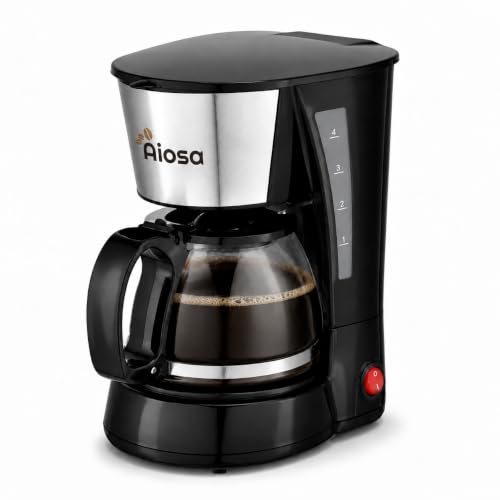
Quick Answer: Three Types That Fit Real Homes
If you live alone, a compact single cup or small drip type wastes less coffee and takes less room. If two to four people drink from the same pot, a simple drip machine with a glass carafe gives the lowest cost per cup. If your mornings start at different times, look at a programmable type that can start before you wake.
None of these types is better for everyone. The right one fits your counter, your mug count, and your patience for cleaning. Our broader guide to the best coffee maker explains how these budget types sit within the wider market.
Before You Buy: A Quick Checklist for Choosing a Coffee Maker
Size: Match It to Your Space
Capacity in this range runs from a single mug up to about 12 cups, and a coffee maker cup is often smaller than a standard mug, so check the ounce marking before you assume a pot will cover your household. A 4 or 5 cup model suits one or two drinkers and leaves little stale coffee. An 8 to 12 cup model suits families and guests, but needs more coffee per pot. Choose based on a normal weekday, not on the one holiday when everyone visits.
Which Type Fits Your Routine
Most models at this price are drip machines, and a guide to the best drip coffee maker can help you compare that format in more depth. Drip suits a shared pot and a steady rhythm. Single cup types suit one drinker who wants a fresh mug each time and no leftover pot to wash. Programmable types suit set wake times, while plain switch models suit anyone who prefers one control. Thermal carafes hold heat without a warming plate, while glass carafes cost less and show how much coffee remains.
Features Worth Paying For and Ones to Skip
Features that earn their keep at this price include auto shut off for safety, a pause function that lets you pour a first mug before brewing ends, and a water window you can read at a glance. A built in timer helps only if your schedule is steady. You can usually skip a milk frother, a hot water dispenser, and a pod option, since each adds parts to clean and parts that can fail. A built in grinder is rare at this price and often loud and hard to clean, so ground coffee is the simpler path here.
Brew Temperature and Certification
Good extraction needs hot water, and the range most often cited by the Specialty Coffee Association is about 195 to 205 degrees Fahrenheit during brewing. Very few makers under $30 carry formal certification from that group, because tighter heating control adds cost. That does not make a budget brewer useless, but it does mean you should value steady, fully hot coffee over long feature lists. If your coffee tastes thin or sour, check your coffee amount and grind size first, since those two factors change flavor more than most shoppers expect.
Water Reservoir, Filters and Descaling
A removable reservoir is easier to fill at the sink and easier to dry, while a fixed reservoir needs a carafe or jug to fill it without spills. Paper filters are cheap and toss away with the grounds, while a reusable mesh filter saves repeat buying but needs rinsing after each use. Mineral scale from hard water will build up in any model, so a clear descaling method matters more than it first seems. Our guide on how to clean a coffee maker walks through that routine step by step.
Counter Footprint
Measure the spot before you order, including the height with the lid fully open, since cabinets often block a tall lid. Leave room behind the machine for cord access and steam to escape. A narrow machine that slides beside a toaster often works better than a wider one with more claimed capacity. If you plan to store it in a cabinet, weigh how much you will enjoy lifting it out each morning, because daily friction leads many owners to stop using a machine they otherwise like.
Realistic Budget Ranges
Under $30, expect basic drip or single cup brewing, mostly plastic housings, and few extras, which is fine for a first apartment or spare room. At about $50 to $100, you tend to get larger reservoirs and more reliable timers. At about $100 to $200, thermal carafes, better temperature control, and certification become more common. Knowing what each step up buys helps you decide whether the best coffee maker under 30 range is enough, or whether a home that brews all day should save for the next tier, as our look at the best coffee maker for home discusses.
Three Types Compared: What Your Money Buys Under $30
Compact Single Cup Brewers for Solo Drinkers
This type brews one mug at a time, so there is no pot sitting warm and no coffee poured away at noon. It suits dorm rooms, home offices, and anyone who drinks a different strength from the rest of the house. The trade off is speed per person, since each mug needs its own cycle, and guests mean several cycles in a row. Look for a drip tray that lifts out for tall travel mugs and a reservoir that holds at least one full mug plus a little extra.
Small Drip Machines for a Shared Pot
A small drip machine in the 4 to 12 cup range is the classic budget choice for couples and families, because one cycle serves everyone at the table. Operating cost stays low, since paper filters and ground coffee cost less per cup than most single serving formats. The main limits are a warming plate that can make the last cup taste cooked if it sits too long, and a glass carafe that can chip. Choose this type if your household drinks together and values simple controls.
Programmable Models for Early Starts
A programmable type lets you load water and grounds at night and wake to a finished pot, which suits early shifts and school mornings. The benefit is real only if you will prep it each evening, so be honest about your habits. Check that the clock and start setting use clear buttons you can work out without the manual. Remember that grounds left out overnight lose a little freshness, so store the rest of the bag sealed and away from heat.
How to Evaluate a Coffee Maker Under $30
Start with factors you can verify from the product page and manual: capacity in ounces, footprint with the lid open, carafe material, filter type, and whether auto shut off is included. Then read buyer reviews for patterns rather than single stories, noting leaks, slow brewing, and lids that warp. Ease of cleaning counts as much as brew quality here, because a machine that is annoying to descale will quietly make worse coffee month after month.
What You Get and Give Up Under $30
You get honest daily coffee, low running costs, and simple controls that guests can use without a lesson. What you give up is precision. Temperature control is basic, parts are mostly plastic, and there is no grinder, no frother, and rarely a thermal carafe. Brews may vary a little from pot to pot, and the machine will likely wear out sooner than a costly model with a metal housing.
For many homes that trade is fair. A student, a renter, or a family wanting a second machine for a guest room does not need cafe level control. A household that drinks several pots a day will feel the limits faster. If you are still learning the basics, our walkthrough on how to use a coffee maker covers water ratios and the first brew on a new machine.
Common Buying Mistakes to Avoid
- Buying a 12 cup machine for one daily mug, which leaves coffee sitting on the plate and wastes counter space.
- Checking capacity but not lid height, so the machine cannot open fully under your kitchen cabinets.
- Paying for extras you will rarely use, while skipping auto shut off or a readable water window.
- Ignoring filter and descaling costs, which add up over years of daily brewing.
- Judging by housing color and style alone, without checking carafe replacement cost if the glass breaks.
Cost of Ownership and Care
Running costs stay modest. Paper filters cost a few cents each, ground coffee is the main ongoing expense, and electricity use per pot is small. A reusable filter removes the filter cost but adds a daily rinse. Descale on the schedule in your manual, or sooner if brewing slows, using the solution the maker recommends. Wipe the warming plate once it cools, wash the carafe with warm soapy water, and leave the lid open after use so the reservoir can dry.
Store the machine dry if you use it only for guests, and run a plain water cycle before the next visit. Small habits like these extend the life of a budget machine far more than careful handling on day one alone.
Your Questions, Answered
Can you get a good coffee maker for under $30?
Yes, if good means hot, fresh coffee with simple controls and low running costs. Flavor depends as much on fresh grounds, the right coffee to water ratio, and clean parts as on the machine itself. A budget model will not match the temperature precision of a certified brewer, but for a daily pot with decent beans it can taste very satisfying. Set your expectations on reliability and ease, and this price range performs well.
How long does a coffee maker under $30 last?
With daily use and regular descaling, many budget machines serve for a few years before pumps weaken or switches fail. Warning signs include brewing that slows a lot, leaks around the base, a cracked carafe, or coffee that stays lukewarm. A carafe can often be replaced on its own, while electrical faults mean it is time to replace the whole unit. Never keep using a machine with a damaged cord or a plug that feels hot.
Is a small coffee maker worth it if you drink only one cup a day?
For one cup a day, a compact model often makes more sense than a full size pot, since you brew only what you drink and wash far less glassware. The cost per cup at home stays well below cafe prices even after you count filters and grounds. The main reason to size up is guests, or a partner whose schedule will soon overlap with yours. Buy for your current routine, and you can always move the small machine to a desk or guest room later.
Do you need special water for a budget coffee maker?
Plain tap water works in most homes, but very hard water leaves scale faster and can dull flavor over time. A simple filtered jug can reduce that build up and improve taste without any change to the machine. Avoid distilled water as your default, since coffee brewed with it often tastes flat, and some makers advise against it in their manuals. If you are unsure, check the manual for your model and descale a little more often in a hard water area.
Final Thoughts
Pick the type first, then the size, then the few features you will use daily, and this price range becomes easy to shop. The product table above pulls those types together so you can compare capacity and carafe style side by side. For most small homes, a simple drip or compact model is the best coffee maker under 30 choice you can make, giving you hot coffee, low costs, and a machine that earns its patch of counter every morning.