Best Coffee Machines for Work: Workplace Guide 2026
Disclosure: We may earn a commission when you buy through links on this page, at no extra cost to you. As an Amazon Associate I earn from qualifying purchases. Learn more

Best coffee machines for work: capacity, speed and cleaning routines that keep a work machine reliable.
Choosing best coffee machines for work means balancing speed, capacity, and taste for people with different habits and deadlines. An office machine must handle a morning rush, a quiet afternoon, and occasional guests without constant refilling or long waits. It also needs to stay clean and reliable when many hands use it every day.
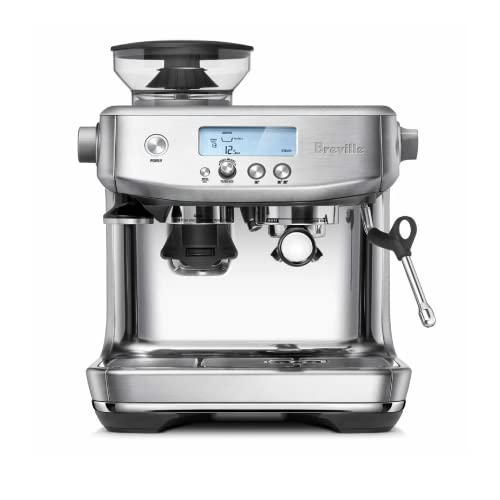
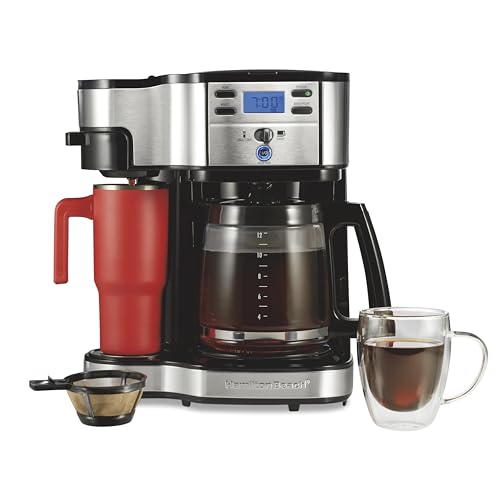
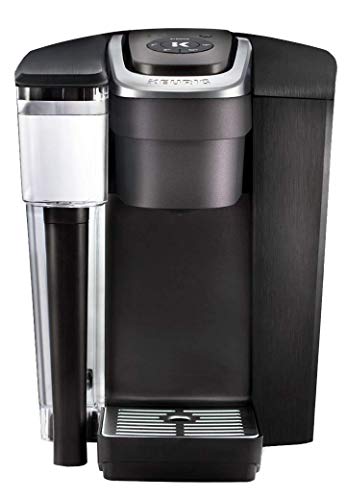
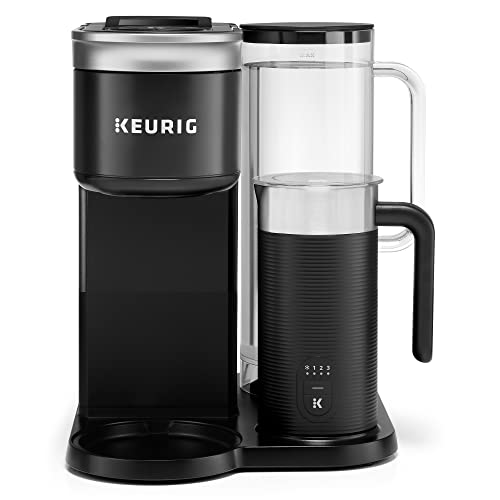
The comparison table below outlines the main office machine styles, and the sections that follow explain how to match one to your team. You will learn how capacity, drink options, cleaning, and running costs differ, and which features reduce downtime in a busy workplace.


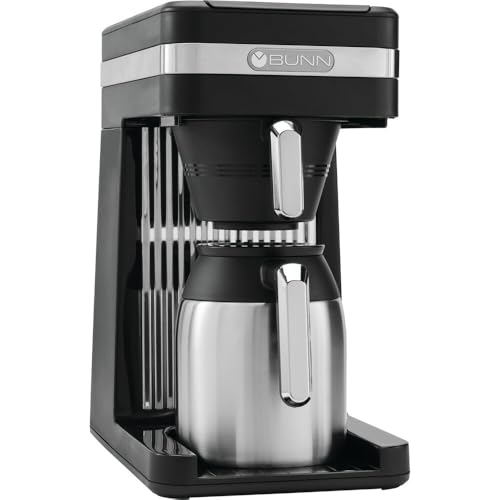

Who Uses an Office Coffee Machine
Office coffee machines serve small teams, large floors, and shared workspaces where people arrive at different times. A small team may need only a few drinks a day, while a large office may need dozens before lunch. Count your team, your visitors, and your peak hour demand before you shortlist a machine.
Workplaces also differ in drink preferences. Some teams prefer simple black coffee, while others want milk drinks, decaf, or tea. A machine that only makes one style may frustrate half the office, while a machine with many options may need more cleaning and training.
Think about who will maintain the machine. If one person handles cleaning and refills, a simpler machine may work better. If maintenance is shared, clear instructions and easy access to tanks and drip trays become more important than advanced features.
Capacity, Speed, and Drink Variety
Capacity should match peak demand, not average demand. A machine that brews one cup at a time may be fine for a small team, but it will create a queue in a large office. A larger tank and a faster brew cycle reduce waiting, but they also need more counter space and more frequent cleaning.
Speed includes warm up time as well as brew time. A machine that takes many minutes to heat up will delay the first drinks of the day, while a machine with a quick heat system suits offices with staggered starts. Check both warm up and brew times, not just one of them.
Drink variety should reflect real office habits. Espresso based drinks, drip coffee, and hot water for tea cover most needs, while specialty milk drinks add complexity. If milk is popular, check whether the milk system is easy to clean, because milk residue affects taste and hygiene quickly.
Cleaning, Reliability, and Running Costs
Cleaning routines decide whether an office machine stays pleasant to use. Daily tasks may include emptying drip trays, rinsing milk parts, and wiping surfaces, while weekly tasks may include deeper cleaning and descaling. Choose a routine your team will actually follow, and post simple instructions near the machine.
Reliability matters more at work than at home, because a broken machine affects many people. Look for sturdy build, accessible parts, and a service option that fits your location. Keep a backup plan, such as a simple pour over setup, for days when the main machine needs service.
For machine focused options, compare best coffee machine makers and best espresso coffee machines if milk drinks matter to your team. Drip focused offices should check best drip coffee machines, while grinder built in models are covered in best grinder coffee machines. Small offices with limited space should also consider best small coffee machines.
Placement, Budget, and Office Etiquette
Placement affects both use and maintenance. Put the machine near a water source and a sink if possible, with space for cups, milk, and cleaning supplies. Avoid tight corners where the tank cannot be removed or the drip tray cannot be emptied easily.
Budget should include beans or pods, milk, filters, descaling supplies, and possible service visits. A machine with a lower purchase price may cost more per drink, while a higher priced machine may save money over a year for a large team. Estimate monthly drinks to compare total cost fairly.
Simple office etiquette helps too. Agree on who refills beans and water, who cleans milk parts, and what to do when supplies run low. A short shared routine prevents the common problem where everyone uses the machine but no one maintains it.
Getting More From Your Choice
Think about peak demand in detail, because office coffee use rarely spreads evenly across the day. A morning rush, a post lunch dip, and a late afternoon pick me up each create different pressures on tank size, brew speed, and cleaning. Map your team arrival times and meeting breaks, then choose a machine that handles the busiest hour without a queue. A machine that works well at noon but fails at nine will frustrate the whole office quickly.
Consider milk handling as a separate decision, because milk systems create the most cleaning work in an office machine. If only a few people drink milk coffees, a manual frother or a separate milk jug may be simpler than a built in milk system. If milk drinks are central, choose a system with removable, dishwasher safe parts and a clear daily cleaning routine. Milk hygiene affects taste and health, so do not underestimate this daily task.
Plan for supplies and ownership, because an office machine without a supply owner soon runs out of beans, milk, or filters. Assign a rota or a single owner, keep a simple stock list near the machine, and order supplies before they run out. A small monthly budget for beans and cleaning supplies prevents the common office problem where everyone uses the machine but no one restocks it. That simple habit keeps the best coffee machines for work running smoothly.
Think about noise and placement in an open plan office, because a loud grinder or a hissing steam wand can disturb nearby desks. Place the machine away from focus areas if possible, and choose a model with a quieter grind cycle for early mornings. A short trial in the actual office location will reveal noise problems that a showroom cannot show, especially during quiet work periods.
Consider sustainability and waste, because office coffee creates cups, pods, grounds, and packaging every day. Reusable cups, a grounds compost bin, and bulk beans can reduce waste and cost, while pod recycling depends on local facilities. Agree a waste routine with the team, so sustainability goals survive busy weeks and do not rely on one enthusiastic person alone.
Finally, review office coffee use every few months, because team size, working patterns, and drink preferences change. A machine that suited a small team may struggle after hiring, while a large machine may waste energy if hybrid working reduces office days. A short review keeps capacity, supplies, and cleaning routines matched to real use, rather than to the team that existed when the machine was bought.
Frequently Asked Questions
How large should an office coffee machine be?
Size it for peak demand, such as the morning rush, not for a quiet afternoon. A small team may manage with a compact machine, while a large team needs a bigger tank and faster brewing. If queues form daily, capacity is too small for your office.
Should an office machine have a built in grinder?
A built in grinder gives fresher flavour and reduces separate equipment, but it adds cleaning and maintenance. If your team values fresh coffee and someone will maintain the grinder, it is worth considering. If maintenance is uncertain, pre ground coffee may be simpler.
How often should an office coffee machine be cleaned?
Rinse milk parts daily, empty drip trays daily, and follow the manual for deeper cleaning and descaling. Offices with heavy use may need more frequent cleaning than homes. A visible cleaning schedule helps shared teams stay consistent.
What drinks should an office machine offer?
Cover the most common drinks first: black coffee, milk drinks, decaf, and hot water for tea. Specialty drinks are a bonus, not a replacement for reliable basics. Survey your team before paying for features few people will use.
Is a pod machine better for an office?
Pod machines are simple and consistent, but they cost more per drink and create more waste. Bean to cup machines cost more upfront but often cost less per drink for large teams. Compare monthly drink volume, waste handling, and cleaning effort before you choose.
Final Thoughts
Match capacity to your morning peak, choose drink options your team actually uses, and pick a cleaning routine that shared users will follow. Budget for beans, milk, and maintenance, not just the machine itself.
With those basics in place, best coffee machines for work can support a productive office without becoming a daily chore. The product table above can help you compare office styles before you buy.