Best Coffee Machines for Mobile Business: Cart and Stall Guide 2026
Disclosure: We may earn a commission when you buy through links on this page, at no extra cost to you. As an Amazon Associate I earn from qualifying purchases. Learn more

Best coffee machines for mobile business: matching power, water and speed to a cart, truck or market stall.
Coffee machines for a mobile setup range from under $100 to well over $1,000, and the price gap alone tells you little about what will survive a busy market day. Choosing the best coffee machines for mobile business use means matching power draw, water capacity, and brew speed to the way you actually serve customers. This guide walks through each price tier so you can spend on the upgrades that earn money and skip the ones that only look impressive.
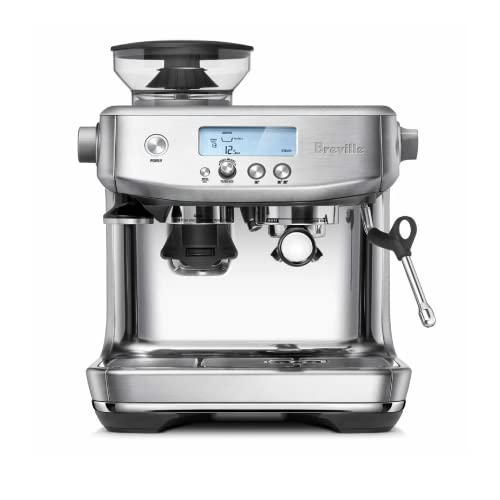
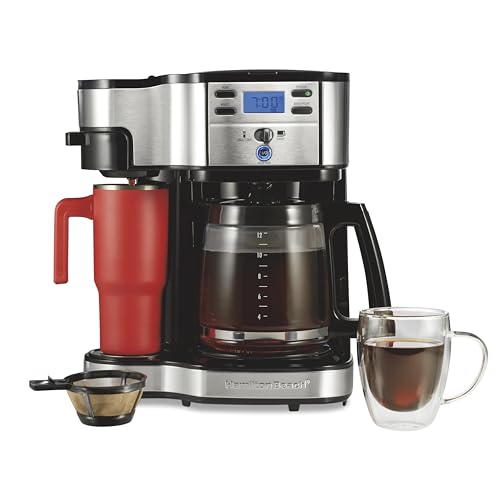
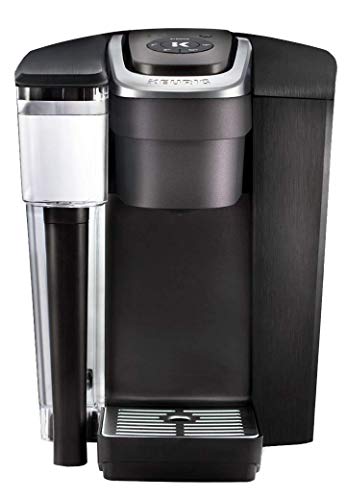
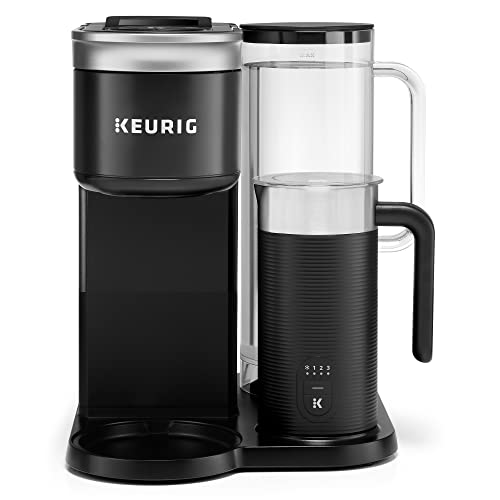
Think about your real service pattern first. A farmers market stall pouring twenty cups an hour needs something very different from a food truck serving espresso drinks all day. The comparison table below gathers the options in one place so you can check size, capacity, and power figures side by side before you commit.




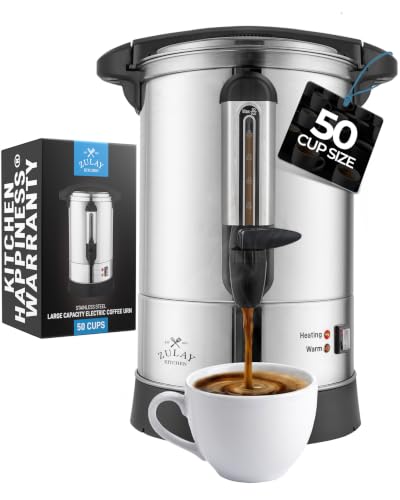

Machine Types by Budget
Each budget level suits a different kind of machine. Use this section to narrow the type, then confirm the exact specifications in the product table.
Budget Tier Machines
A budget choice, usually around $100 to $250, is a sturdy drip brewer or a simple single serve machine with a removable water tank. This tier suits new vendors trying a menu at weekend markets or small events. You get straightforward controls, fast setup, and easy cleaning, which matters when one person runs the whole stall. The trade off is speed and volume, since small tanks need frequent refills and budget heating elements take longer to recover between batches.
Midrange Tier Machines
The midrange tier, around $250 to $600, is where most mobile vendors land. Expect larger reservoirs, stronger heating elements, and better temperature stability, plus programmable settings that let you start a batch before the first customers arrive. Many machines here include a thermal carafe that keeps coffee hot without a warming plate drawing power all day. Build quality improves too, with more stainless steel and fewer fragile plastic parts, which helps when the machine travels in a vehicle every week.
Premium Tier Machines
Premium machines, around $600 to $1,500 and up, bring commercial touches such as plumbed or oversized water supply, fast recovery between brews, and proper espresso pressure for milk drinks. This tier fits established trucks and carts where coffee is a core revenue item rather than a side offering. You also gain longer warranties and easier access to replacement parts. The limits are weight, power demand, and price, so confirm your generator or outlet setup can support one before you buy.
What Your Money Gets You at Each Price Tier
Budget Tier: What to Expect
Budget machines cover the basics: a heating element, a simple brew basket, and basic controls. Coffee quality can be perfectly good when you use fresh beans and the right grind, but temperature control is loose and parts wear faster. Plan on slower output during rushes. For occasional events or a soft launch, that compromise is sensible, because money saved here can go toward cups, signage, and a reliable power source.
Midrange Tier: The Sweet Spot for Most Buyers
Midrange machines add consistent brew temperature, larger capacity, and features like brew strength control and a programmable timer. Parts such as carafes and filter baskets are easier to replace, and descaling alerts help you keep flavor steady. For most mobile vendors this tier balances daily output, durability, and price better than either extreme. If coffee brings in steady income four or more days a week, this is usually the tier to shop first.
Premium Tier: When Spending More Pays Off
Spending more pays off when volume is high and downtime costs you sales. Premium builds hold temperature through back to back brewing, resist the vibration of transport, and often carry certifications that some event venues and health inspectors like to see. Faster service also means shorter lines, which protects repeat business. If your menu centers on espresso drinks with steamed milk, the pump quality and steam power at this level are hard to match for less.
Features Worth Paying For (and Ones to Skip)
Pod Cost and Long Term Value
Pods are convenient when you serve alone, because there is no measuring and almost no mess. The cost per cup, though, often runs two to three times the cost of brewing from whole beans or pre ground coffee. Over a season of markets that gap can exceed the price difference between machines. If you use pods, look for recycling programs in your area, and consider a reusable pod option for your house blend to cut both cost and waste.
Built In Grinder vs Pre Ground
A built in burr grinder gives you fresher flavor and lets you adjust the grind for different drinks, which customers notice in straight espresso and black coffee. The downsides are noise, extra weight, and one more mechanism to clean in the field. Blade grinders cost less but produce uneven grounds and inconsistent cups. Many mobile vendors compromise well: grind fresh each morning into a sealed container, or use a small separate burr grinder that is easy to pack and replace.
Programmable Features and Controls
A programmable timer and auto shut off are genuinely useful on the road, because they let coffee be ready at opening and protect your power supply when service ends. Brew strength control helps you serve both mild and bold preferences from one machine. App controls and touch screens, by contrast, add cost and failure points without speeding up service. Simple dials and buttons you can operate with damp hands will serve you better at a busy stall.
Brewing Method and Coffee Style
Drip brewers are the volume workhorses and suit batch service with minimal training. Single serve machines reduce waste when orders are scattered but slow down under a line of customers. Espresso machines open up lattes and cappuccinos at higher margins, yet they demand skill, power, and cleaning time. Pour over and cold brew setups cost little and travel well, but each cup takes attention. Match the method to your menu, and if you are comparing formats for a permanent site, our guide to the best coffee machines for business covers stationary needs in more depth.
Features That Matter for Mobile Business
Mobility changes which specifications matter. Check the wattage against your generator or battery station, because many brewers draw 1,200 to 1,500 watts and will trip a small setup. Look for a footprint that fits your cart with room to fill the tank, a locking or secure lid for transport, and a reservoir you can fill from a jug. Fast heat up time matters at early markets, and a keep warm function that sips power protects your supply. For background on makers and formats, see our overview of best coffee machine makers before you shortlist.
Long Term Costs to Factor In
The purchase price is only part of the bill. Budget for filters, descaling solution, replacement carafes, and spare seals, plus the fuel or electricity your power source uses each event. Transport cases protect the machine but add cost and storage needs. A warranty that covers commercial use is worth real money here, because many home warranties are void once a machine earns income. Add these figures across a full season and a midrange machine often proves cheaper to own than a budget one replaced mid year. Count those costs before judging the best coffee machines for mobile business.
Coffee Machines: Your Questions Answered
What features matter most in coffee machines for mobile business?
Power draw, water capacity, and recovery speed matter most, because they decide whether you can keep serving during a rush. After that, look for easy cleaning, a secure lid for transport, and parts you can replace quickly. A useful extra is a low water alert, since running a tank dry at a market can damage the heating element and end your day early.
Is a more expensive coffee machine really worth it?
It is worth it when volume and uptime drive your income, because premium machines hold temperature, brew faster, and last longer under transport. If you serve only a few events a month, a midrange model delivers most of the benefit for far less money. One more factor is resale value, since well kept commercial style machines tend to sell more easily when you upgrade.
Is a coffee machine with a built in grinder worth it?
Yes, if your menu sells freshness and you have power and space to spare, because grinding to order improves aroma and lets you adjust for each drink. It is less worthwhile if you serve mostly flavored drinks where milk and syrup mask small grind differences. A separate grinder also gives you a backup plan if one unit fails at an event. Shoppers comparing grind focused setups can also read our guide to best grinder coffee machines for home use ideas.
How long does a coffee machine usually last?
A home grade machine used commercially may last one to two years, while a midrange or premium model with regular descaling often lasts three to five years or more. Transport damage shortens life more than brewing does, so padding during travel matters. Keeping a spare carafe and seals on hand also prevents a small breakage from becoming a lost weekend of sales.
What grind size works best with a coffee machine?
Medium grind suits most drip machines, similar to coarse sand, while espresso needs a fine, even grind from a burr grinder. If coffee tastes sour and weak, go finer; if it tastes bitter and the basket drains slowly, go coarser. At altitude or in cold weather, water temperature drops faster outdoors, so a slightly finer grind can help extraction stay balanced.
Can I use regular coffee in a coffee machine?
Yes, standard ground coffee works in drip and most batch brewers, and whole beans work anywhere a grinder is available. Avoid flavored grounds in shared commercial machines, because oils and scents linger and can taint the next batch. Also check your local food rules, since some jurisdictions require coffee to be stored and served from food grade containers only.
The Bottom Line
Start with power, capacity, and cleaning, because those three decide whether a machine earns its place on your cart. The product table above can help you compare those figures quickly. For most vendors, the best coffee machines for mobile business choice is a durable midrange brewer matched to a realistic rush, with premium spending reserved for proven volume.