Best Coffee Machines for Home: Home Kitchen Guide 2026
Disclosure: We may earn a commission when you buy through links on this page, at no extra cost to you. As an Amazon Associate I earn from qualifying purchases. Learn more

Best coffee machines for home: espresso, drip, pod and manual brewing compared for a home kitchen.
Choosing best coffee machines for home means matching a machine to the way your household actually drinks coffee, not to the fanciest feature list. Espresso machines, drip brewers, pod machines, and manual brewers each make excellent coffee, but they ask for different time, skill, and money. The comparison table below shows the main types, and this guide helps you weigh them.
Start with how many people drink, when they drink, and how much morning effort feels pleasant rather than burdensome. A household that loves slow weekend rituals needs a different machine from a household that rushes out the door on weekdays. Those routines decide the category before any model comparison.


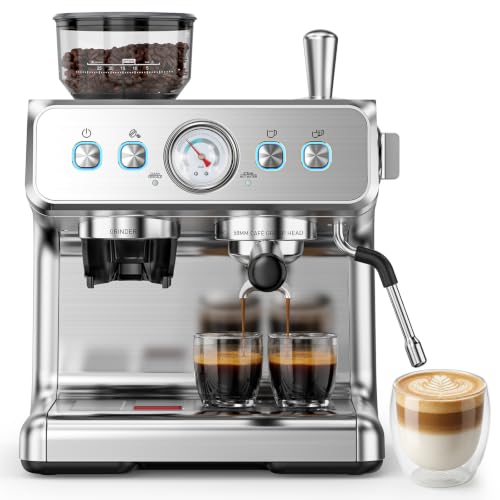
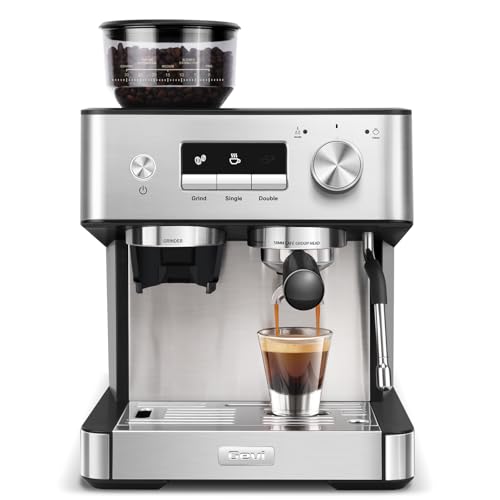


Who Should Buy Which Coffee Machine?
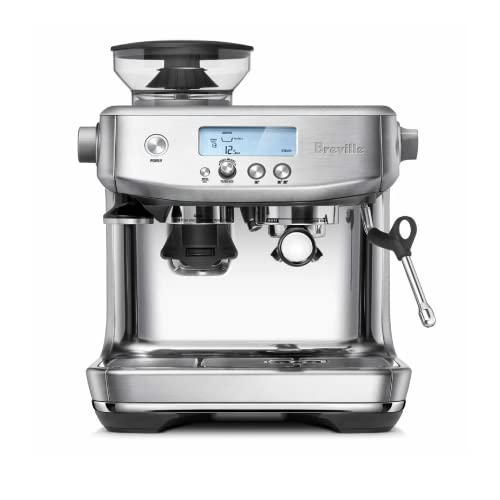
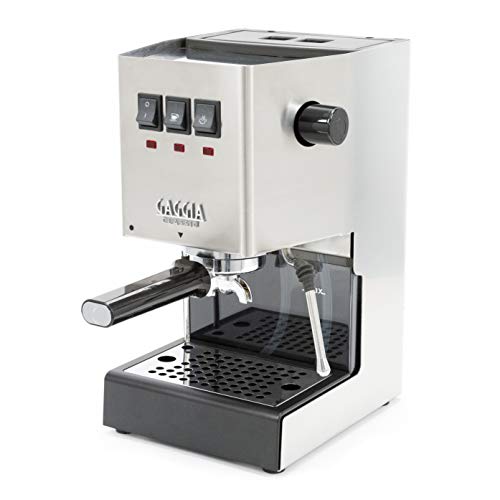
Espresso lovers who enjoy milk drinks and craft focused brewing should consider a home espresso machine with a grinder and a steam wand. Espresso rewards practice with rich, café style drinks, but it needs learning, cleaning, and counter space. Buy espresso gear only when the ritual itself appeals to you, not just the drinks.
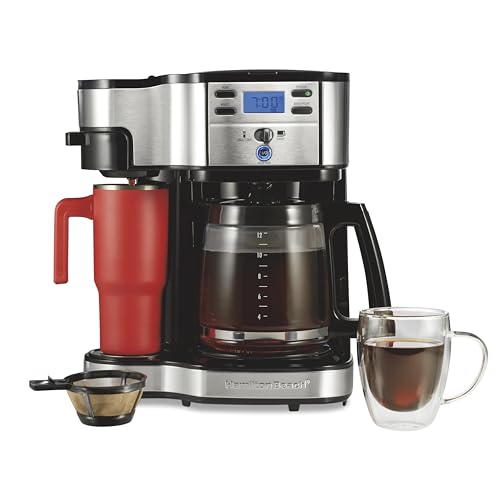
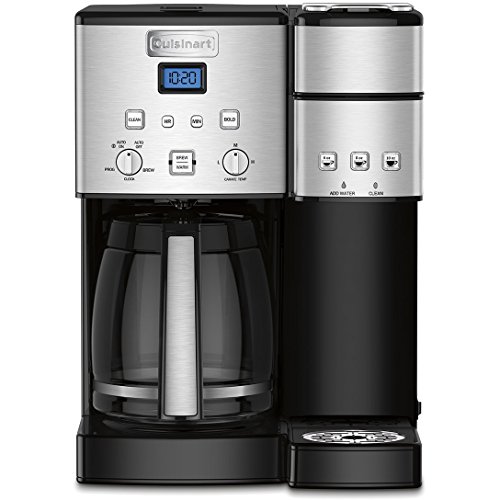
Busy households and families usually do best with a drip machine, which brews a full pot simply and serves several people at once. A thermal carafe keeps coffee fresh for slow mornings, and a timer means coffee waits for you rather than the reverse. Drip machines suit households that value ease over craft.
Solo drinkers and varied taste households often prefer pod machines or manual brewers. Pods offer speed and variety with little cleanup, while pour over and French press methods offer superb flavor for little money and moderate effort. Choose pods for convenience, manual methods for flavor and low cost.
Espresso, Drip, Pod, and Manual Compared
Espresso machines force hot water through finely ground coffee under pressure, producing concentrated coffee with crema for milk drinks. They range from simple manual levers to automatic machines that grind, tamp, and froth at a button press. Complexity, price, and cleaning effort rise with automation and features.
Drip machines brew larger batches by passing hot water through ground coffee in a filter, giving clean, consistent cups with minimal effort. They suit households and offices, and thermal carafe models preserve flavor for hours. Drip coffee rarely matches espresso intensity, but it excels at easy everyday drinking.
Pod machines brew single cups fast with sealed capsules, offering variety and speed at a higher cost per cup and more packaging waste. Reusable capsules reduce both costs, with a small cleaning step added. Manual brewers like pour over and French press cost little, brew superb coffee, and ask for a few focused minutes.
Flavor, Beans, and Grinding
Fresh beans and a suitable grind lift every machine type more than premium features alone. Grind espresso fine, drip medium, and French press coarse, and grind just before brewing when possible. Store beans away from light, air, and heat, and buy quantities you will use within a few weeks.
Water quality matters quietly but powerfully. Filtered water with balanced minerals brews cleaner coffee than heavily chlorinated tap water, while distilled water tastes flat. Descale on schedule, since scale dulls flavor and strains heating elements over time.
Milk drinks add another layer: a steam wand needs practice and cleaning, while automatic frothers trade control for ease. If your household drinks mostly black coffee, skip milk features and spend on brew quality instead. Features you skip cannot break or demand cleaning.
Space, Cost, and Daily Effort
Counter space decides more purchases than buyers admit. Espresso machines need room for the machine, grinder, and accessories, while drip and pod machines fit smaller kitchens more easily. Measure your counter, check outlet access, and leave room for filling water and cleaning.
Total cost includes beans, filters, pods, descaling, and eventual parts, not just the machine price. Pod costs add up fastest for heavy drinkers, while manual methods cost least per cup. Espresso gear costs most upfront but brews café style drinks at home for far less than café prices over time.
Daily effort ranges from seconds for a pod machine to several minutes for manual brewing and espresso craft. Be honest about rushed weekday mornings versus relaxed weekends, since a machine whose routine you resent will sit unused. Some households keep two methods: a fast weekday brewer and a slow weekend ritual.
Buying Checks and Common Mistakes
Check water tank access, carafe or cup clearance, and cleaning steps before buying. A tank that is hard to fill, a carafe that drips, or a milk system that is hard to clean will annoy you daily. Read the cleaning guide, not just the feature list, since care effort decides long term satisfaction.
A common mistake is buying a complex espresso machine for a household that wants quick morning coffee, or a single serve machine for a large family. Another is neglecting descaling and filter changes, which slowly ruins flavor. Match machine to routine, clean on schedule, and flavor stays consistent.
Try the machine during the return window with your usual beans, cups, and routine. Brew at your normal time, check noise and counter fit, and confirm that everyone who drinks can operate it comfortably. A week of real mornings reveals more than any showroom demo.
A Final Check Before You Buy
Taste the same beans across two brewing methods before investing heavily, since a simple comparison reveals whether you prefer bright pour over coffee, rich espresso, or clean drip coffee. Borrow a friend method or visit a café that brews several ways, and notice which cup you finish happiest. Taste preference should lead the purchase, not feature lists.
Plan your morning workflow in detail, including water filling, grinding, brewing, milk preparation, and cleaning, because total time matters more than brew time alone. A machine that brews in a minute but cleans in ten may suit weekends better than rushed weekdays. Honest workflow math prevents a beautiful machine from becoming a burden.
Check cup and mug clearance before buying, since tall travel mugs and favorite cups may not fit under some machines. Measure your tallest mug, check drip tray adjustability, and confirm that the machine serves your household cups comfortably. A small clearance detail causes daily annoyance when ignored.
Finally, keep a backup brewing method for descaling days and repairs, such as a pour over set or a French press that costs little and stores easily. A backup keeps coffee routines calm when the main machine needs care, and it also offers variety on slow weekends. Redundancy is a small price for peaceful mornings.
Related Guides to Compare
Pump machines are covered in best home espresso coffee machines, and built in grinders in best coffee machines for home with grinder. For one touch drinks, see best automatic coffee machines for home, and for whole bean models best home bean coffee machines.
Frequently Asked Questions
What coffee machine is best for a family?
A drip machine with a thermal carafe is best for a family, since it brews a full pot simply, keeps coffee fresh without scorching, and serves several people at once. A programmable timer adds morning convenience. Espresso machines suit families only when members enjoy milk drinks and manual brewing.
Is an espresso machine worth it at home?
An espresso machine is worth it at home when you love espresso drinks, enjoy the brewing ritual, and drink them often enough to justify the cost and cleaning. Occasional espresso drinkers may prefer a simpler brewer or café visits. Count your weekly espresso drinks before investing in machine and grinder.
Do pod coffee machines taste good?
Pod coffee machines taste good for convenient single cups, especially when pods are fresh and the machine is clean and descaled. They rarely match freshly ground manual or espresso brewing for depth and aroma. Choose pods for speed and variety, and manual methods when flavor matters most.
How often should I descale a home coffee machine?
You should descale a home coffee machine every one to three months, depending on water hardness and daily use. Hard water builds scale faster, slowing brewing and dulling flavor. Follow the maker guide and use a suitable descaling solution for your machine type.
Should I buy a coffee machine with a built in grinder?
You should buy a coffee machine with a built in grinder when counter space is tight and you value one touch convenience, especially for espresso. A separate grinder offers better grind quality and flexibility across brewing methods. Choose integration for simplicity, and separation for flavor control.
Final Thoughts
Let your household routine choose the machine type, your taste choose the brew method, and your counter choose the size. Fresh beans, clean equipment, and a routine you enjoy matter more than any premium feature. With the comparison table above as your starting point, best coffee machines for home become a purchase that improves every morning.