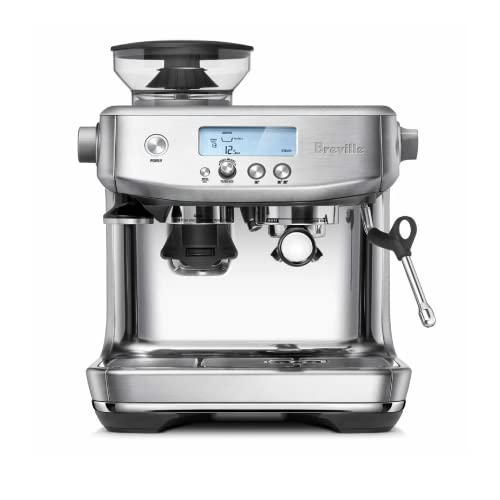
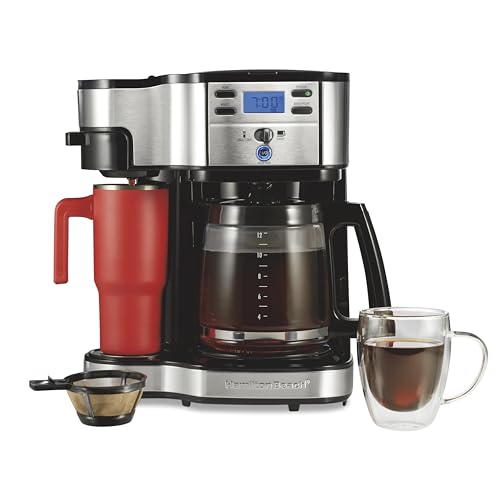
Best Coffee Machines for Home Use: Household Buying Guide 2026
Disclosure: We may earn a commission when you buy through links on this page, at no extra cost to you. As an Amazon Associate I earn from qualifying purchases. Learn more
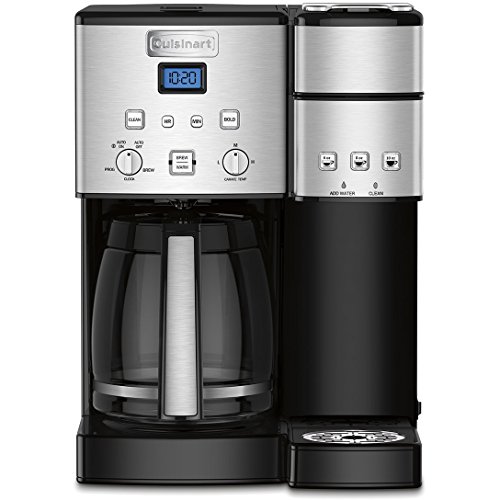
Best coffee machines for home use: matching the machine to how your household actually drinks coffee.
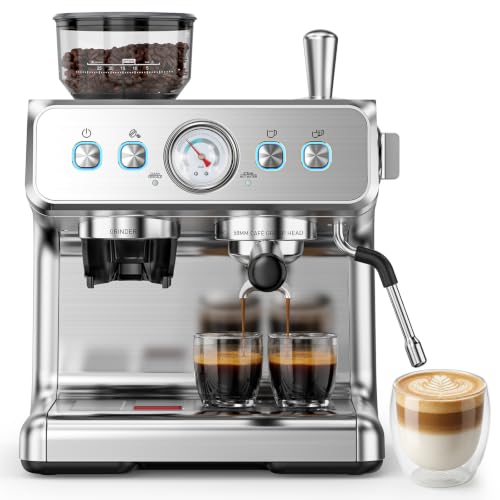
best coffee machines for home use come in many shapes, from simple drip brewers to machines that grind, tamp, and steam milk at the touch of a button. The right choice depends less on finding one perfect machine and more on matching the machine to how you actually drink coffee each day. The comparison table below gives a quick overview of the main types before you read the detail.
Start by thinking about your household. A single person who drinks one mug before work has very different needs from a family that brews a full pot every morning and entertains guests at weekends. Counter space, budget, patience for cleaning, and taste preferences all matter. This guide walks through each factor in plain language so you can decide with confidence and avoid paying for features you will never use.





Who Should Buy a Home Coffee Machine
A home coffee machine suits anyone who drinks coffee most days and wants control over strength, size, and timing. If you buy coffee out every morning, brewing at home can save a noticeable amount over a year, even after you count beans, filters, and occasional descaling. It also lets you adjust the brew to your taste instead of accepting whatever a cafe serves.
It may not suit everyone. If you drink coffee only once or twice a week, a simple pour over setup or a small French press may serve you just as well for far less money and counter space. Households with very limited kitchen space should also measure carefully, since some machines are tall, wide, and need clearance for a lid or a water tank.
Types of Coffee Machines Compared
Drip coffee makers brew a full pot at once and suit households where several people drink coffee at the same time. They are simple to use, easy to clean, and usually the most affordable option. The trade off is less control over extraction than manual methods, and coffee left sitting on a hot plate can taste stale after an hour.
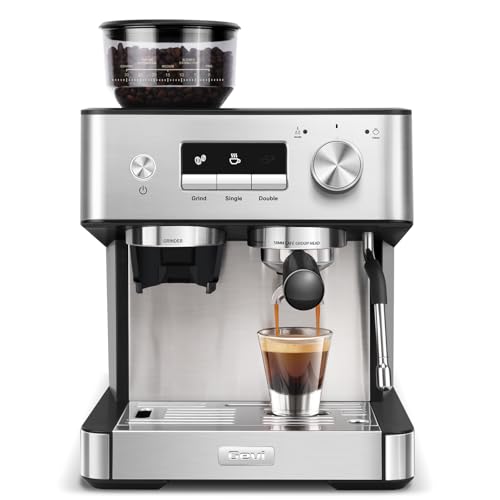
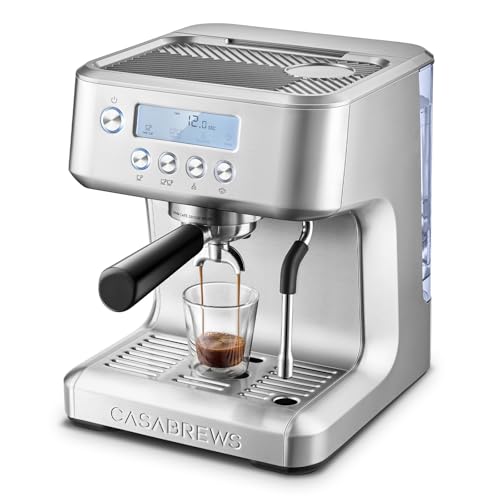
Espresso machines use pressure to produce a concentrated shot that forms the base for lattes, cappuccinos, and flat whites. They range from manual lever models to fully automatic machines that grind and froth milk for you. They need more cleaning and a little practice, but they offer the widest range of drinks from one machine.
Single serve pod machines brew one cup at a time with almost no mess and very little waiting. They suit busy mornings and households where people prefer different drinks. Pod costs add up over time, so check the price per cup before you commit, and look at whether the pods can be recycled in your area.
Pour over brewers and cold brew makers sit at the manual end of the range. Pour over gives you close control over water temperature and pouring speed, which many coffee lovers enjoy. Cold brew makers produce a smooth, low acidity concentrate that keeps well in the fridge, but they need many hours of steeping, so plan ahead.
Key Features Worth Comparing
Capacity matters more than it first appears. A 12 cup machine sounds generous, but if you usually brew two mugs, a smaller machine will keep coffee fresher and use less counter space. Look at whether the carafe is glass or thermal. A thermal carafe keeps coffee hot without a warming plate, which protects flavour over a longer morning.
A built in grinder adds freshness because beans lose aroma quickly once ground. Burr grinders give a more even grind than blade grinders, which helps extraction stay consistent. Grinders also add noise, size, and cleaning work, so if you already own a good separate grinder, a machine without one may be the simpler choice.
Milk frothing options decide which drinks you can make. A steam wand gives control and suits people who enjoy learning latte art. An automatic frother is easier and more consistent for beginners. If you mostly drink black coffee, you can skip frothing entirely and put your budget toward brew quality instead.
Cleaning and descaling deserve real attention, because a machine that is hard to clean will soon make worse coffee. Check whether parts can go in the dishwasher, whether the machine warns you when descaling is due, and how often filters need replacing. Hard water areas need descaling more often, so factor that into running costs.
Running Costs and Long Term Value
The purchase price is only part of the story. Beans, filters, pods, descaling solution, and replacement parts all add up. Pod machines look cheap to buy but often cost the most per cup. Bean to cup machines cost more upfront but can work out cheaper per cup if you drink several cups a day and buy beans in reasonable quantities.
Think about lifespan as well. A well built machine with replaceable seals and filters can last many years, while a very cheap machine may need replacing sooner. Read the warranty terms and check whether spare parts are easy to find. A machine from a brand with good service support is often worth a little extra.
Common Mistakes to Avoid
One common mistake is buying the largest or most automatic machine without checking whether it fits your kitchen routine. A tall machine may not fit under wall cabinets, and a machine that needs a plumbed water line will need professional installation. Measure your space, including lid clearance, before you order.
Another mistake is ignoring water quality. Tap water with a strong mineral taste or heavy scale will affect flavour and shorten the life of the machine. A simple water filter jug or a machine with a built in filter can make a real difference, especially in hard water areas. Taste your water first and plan accordingly.
Planning for Everyday Use
Set up a simple daily routine that you can actually keep. Fill the tank in the evening, keep beans in an airtight container away from heat and light, and wipe the steam wand after each use if your machine has one. Small habits like these keep flavour consistent and reduce the chance of blockages or stale tastes building up. That routine is what makes the best coffee machines for home use feel effortless.
Place the machine where you can reach the tank, the drip tray, and the power switch without moving it every day. Leave room for steam to escape and keep the area dry. If several people use the machine, agree on basic rules, such as emptying the used grounds and rinsing the carafe, so the machine stays pleasant for everyone.
If you lean toward espresso drinks, read our guides to best home espresso coffee machines and best espresso machines for home use for more detail on pressure, milk systems, and grinders. If a grinder matters to you, our guide to best coffee machines for home with grinder compares built in grinder options and what they add to daily brewing.
A Final Word Before You Decide
Before you order, revisit your original list of needs and check the machine against it one last time, including capacity, grinder, milk options, and cleaning effort. It is easy to be swayed by a sale or a sleek design, but a machine that matches your routine will please you far longer than one that merely looked good in a photograph or a showroom display.
Once the machine arrives, give yourself time to learn it properly rather than judging it on the first cup. Try different grind sizes, coffee amounts, and water temperatures, and keep notes on what tastes best to you. A short period of experimentation usually reveals the settings that suit your beans and your palate, turning a good purchase into a genuinely satisfying daily ritual.
Frequently Asked Questions
How much should I spend on a coffee machine for home use?
A good drip or pour over setup can cost about $30 to $100, while a capable espresso machine usually starts around $200 and rises well above that for automatic models. Spend more when you want consistent espresso, a built in grinder, or automatic milk frothing. Spend less when you drink simple black coffee and value ease of cleaning over extra features.
Is a built in grinder worth it?
A built in grinder is worth it if you value fresh flavour and want one machine that does everything. It saves counter space and removes a separate step each morning. It is less appealing if you already own a good grinder, dislike extra noise, or want the simplest possible cleaning routine, since grinder parts need regular brushing.
How often should I descale my coffee machine?
Most makers suggest descaling every one to three months, depending on water hardness and how often you brew. Hard water areas need it more often. Follow the manual for your model and use the recommended solution, since vinegar can damage seals on some machines. A descale warning light helps you stay on schedule.
Do pod machines cost more over time?
Pod machines usually cost more per cup than bean or ground coffee machines, because you pay for packaging and convenience with every drink. The gap grows if you drink several cups a day. If you love the convenience, look for reusable pods or bulk pod deals, and compare the yearly cost before you decide.
What size coffee machine do I need?
Match capacity to your household. One or two drinkers usually do well with a single serve or small drip machine, while larger families benefit from a 10 to 12 cup model or a thermal carafe. Remember that brewing far more than you drink wastes beans and leaves coffee sitting, which hurts flavour.
Final Thoughts
Choosing well comes down to honest answers about your routine, your space, and your taste. Use the product table above to narrow the types, then compare capacity, grinder, milk options, and cleaning effort within your budget. With the right match, best coffee machines for home use becomes a practical daily tool rather than a kitchen gadget that gathers dust.