
Best Cockroach Trap: Every Type Explained Side by Side
Disclosure: We may earn a commission when you buy through links on this page, at no extra cost to you. As an Amazon Associate I earn from qualifying purchases. Learn more

The best cockroach trap types compared: glue boards, pre baited traps and bait stations side by side.
Seeing one cockroach usually means there are more hiding behind the fridge, under the sink or inside wall gaps. Cockroach traps help you catch roaches, figure out where they are coming from and judge whether your control plan is working. But "trap" covers several very different products: simple glue boards, pre baited sticky traps, enclosed bait stations that poison the colony and larger multi purpose glue traps for bugs and mice. This guide to the best cockroach trap options compares every type side by side so you can choose the right one for your space and budget.
We compare the main trap types, put glue traps and bait stations head to head, explain how to choose, share tips to get better results and answer common questions. Every product in the table above is sold new on Amazon US. Place traps where children and pets cannot reach them, follow the label on any insecticide bait and call a licensed pest control professional for large or recurring infestations.
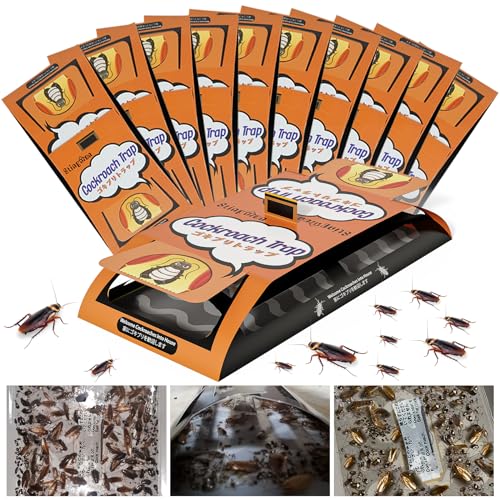

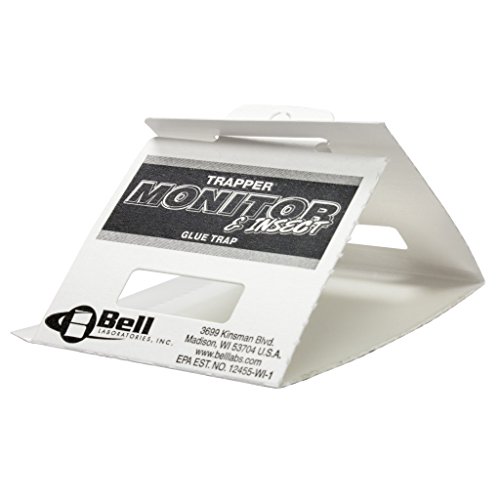


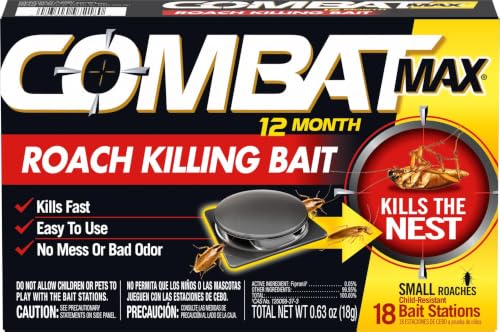
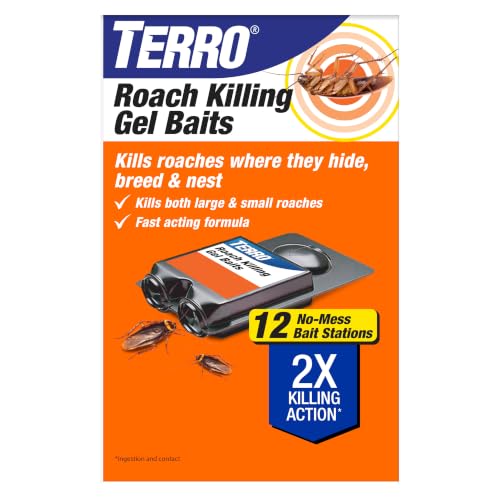

Types of Cockroach Traps Compared
The three main types are glue traps that catch roaches on a sticky surface, pre baited glue traps that add an attractant to lure roaches in and bait stations that kill roaches and help control the colony. Here is how each works.
Prices are similar across types, from around $9 to $28 per pack, so the choice comes down to whether you want to monitor, catch or kill. The best cockroach trap setup for many homes combines a sticky monitor with a bait that reaches the nest.
Glue Board Traps
Glue boards are flat or foldable cards covered in strong adhesive. Roaches walk onto the glue and cannot escape.
They contain no pesticide, which makes them popular in kitchens and homes with kids and pets. Catchmaster Spider Sticky Traps, at around $16 for 30, work as roach, cricket, silverfish and earwig traps, peel and stick to walls and baseboards and fold into a tunnel to keep dust off the glue, according to Catchmaster. Bell Laboratories Trapper Insect Traps, at around $20, include 30 boards that make 90 traps.
Glue boards are inexpensive and also act as monitors, showing which pests you have and where they travel. The trade off is that they catch only roaches that walk onto them and do not reach the nest.
Pros: pesticide free, inexpensive and useful for seeing which pests you have. Cons: catch only roaches that cross them, lose stickiness in dust and can catch small animals if left in the open. Best for monitoring, light problems and garages or basements with many crawling insects.
Catchmaster also sells dedicated Roach Trap Glue Boards, at around $14 for 10, for kitchens, garages and other spots where cockroaches, spiders, crickets and scorpions travel.
Pre Baited Glue Traps
Pre baited traps add a food attractant to the glue to draw roaches in. HOY HOY Trap A Roach, at around $28 for 20 traps, is a baited glue trap made in Japan that HOY HOY says stays effective for at least a month after the protective paper is removed. Stingmon's 24 pack of roach traps, at around $23, uses multiple entrances and included attractant tablets. Trapper Max glue boards, at around $9 for 12, use a peanut butter scent with a 4.5 by 6.5 inch glue area, and MaxGuard's extra large pre baited boards, at around $16 for 8, catch most crawling insects.
These traps catch more roaches than plain glue boards and remain pesticide free. Enclosed house shaped designs keep glue away from fingers and paws.
Pros: higher catch rates than plain boards, pesticide free and often enclosed. Cons: attractants fade over a few weeks, and traps still do not reach hidden nests. Best for kitchens, bathrooms and homes that want to avoid insecticides.
Pre baited traps work best in dark, quiet spots where roaches feel safe, like the back of cabinets, behind the toilet and under the fridge.
Bait Stations
Bait stations contain insecticide bait inside a child resistant housing. Roaches eat the bait, return to hiding spots and spread it to others, which helps control the colony.
Combat Max 12 Month stations for small roaches, at around $13 for 18, use fipronil and protect for up to 12 months, according to Combat. TERRO Roach Killer Gel Bait Stations, at around $18 for 12, kill both large and small roaches through ingestion and contact. Hot Shot Ultra Liquid Roach Bait, at around $9 for 6, combines food and water.
Bait stations reduce populations more effectively than glue traps but contain insecticides, so placement matters.
Pros: reach roaches you never see, long lasting and enclosed. Cons: contain insecticide and take days to show results. Best for active infestations, apartments where roaches come from neighboring units and homes where glue traps keep filling up.
Combat sells separate stations for small and large roaches, so choose the version that matches the roaches you catch on glue traps.
Glue Traps vs Bait Stations: Which Should You Choose?
Choose glue traps if you want pesticide free monitoring and catching, and choose bait stations if you need to reduce an active infestation. Glue traps show you where roaches travel and how many there are, which helps you decide where to treat. They suit light problems, sensitive households and checking whether treatments are working.
Bait stations kill roaches that never touch a trap by spreading bait through the colony, which makes them better for established infestations. Many homes do best with both: bait stations near hiding spots and glue traps nearby to monitor results.
Avoid spraying insecticides or cleaners near bait stations, since sprays can repel roaches and keep them from feeding. Glue traps nearby will show whether roach numbers are falling over two to three weeks.
How to Choose the Best Cockroach Trap
Effectiveness, safety, intended use, value and build matter most. Here is what to look for.
Start by identifying the roaches. Small, light brown German roaches with two dark stripes behind the head live indoors near kitchens and bathrooms and multiply fast. Larger reddish brown American roaches and dark Oriental roaches often come from basements, drains and outdoors. Glue traps help you see which you have, which guides your choice of bait.
Key Performance Specs
For glue traps, look at glue area, stickiness and whether the trap is baited. Larger glue surfaces, like Trapper Max's 4.5 by 6.5 inches, catch more. For bait stations, look at the active ingredient, target roach size and how long the bait lasts, from about 3 months to Combat Max's up to 12 months.
Entrances matter too. Traps with several entrances, like Stingmon's, give roaches more ways in, and low profile designs fit under appliances where roaches hide.
Bait attractiveness fades over time, so a trap that sits for months may catch less than a fresh one.
Safety and Pesticide Free Options
Glue traps contain no pesticide, but the glue can trap small pets or wildlife, so use enclosed or folded traps in protected spots. Bait stations should be child resistant, like Combat's. Keep all traps behind appliances, under sinks and inside cabinets, away from kids and pets.
If a pet gets stuck on a glue trap, do not pull it off; use vegetable oil to loosen the glue gently and call your vet if needed. If a child or pet eats bait, call Poison Control or your vet right away.
Pesticide free glue traps are a good first step for anyone who prefers to avoid insecticides, especially in homes with infants, pets or food prep areas.
Intended Use and Who It's For
Renters and light problems suit glue traps for monitoring. Families with active infestations suit bait stations. Garages, basements and crawl spaces suit large multi purpose glue boards like Catchmaster's and Trapper's.
Multi purpose glue boards also catch spiders, crickets and silverfish, which makes them handy in basements and garages where several pests overlap. Trapper Max's larger boards also catch mice.
Restaurants and multi unit buildings usually need a professional program rather than retail traps alone.
Price vs Value
Glue traps cost around 50 cents to $1.40 each, while bait stations cost around 70 cents to $1.50 each. Larger packs, like Bell's 90 traps for around $20, lower the cost per trap for whole home coverage.
Think in terms of placements: a small apartment kitchen may need 6 to 9 traps, while a larger home with a basement may need 20 or more for good coverage.
Replacing traps regularly costs less than letting an infestation grow.
Build Quality and Materials
Sturdy cardboard folds into tunnels that protect the glue from dust. Enclosed designs, like HOY HOY's house shape, keep glue covered. Bait stations should seal bait inside with roach sized entries.
Peel and stick backing, like Catchmaster's, lets you mount traps on walls and baseboards, which keeps them off the floor and away from pets.
Cheap, thin cardboard can curl in humid spots.
Tips to Get the Most From Your Cockroach Trap
Place traps along walls and in corners, since roaches travel along edges. Focus on warm, humid spots near food and water: under sinks, behind refrigerators and stoves and near dishwashers.
Use several traps per room. Check traps every few days and replace full or dusty traps. Reduce food and water sources by sealing food, fixing leaks and cleaning crumbs.
Write the date on each trap so you know when to replace it. Map where traps catch the most roaches; the busiest traps point to hiding spots where bait stations or gel will do the most good. Seal cracks around pipes and baseboards once you find entry points.
Frequently Asked Questions
How do I maintain a cockroach trap?
Check traps every few days, replace them when full, dusty or dried out and move traps to spots with more activity. For bait stations, replace them on the schedule listed on the label.
Wear gloves when handling full traps, seal them in a bag and put them in an outdoor trash can.
Are expensive cockroach traps worth it?
Not always. Inexpensive glue boards and bait stations work well when placed correctly. Paying more makes sense for larger packs, enclosed designs or longer lasting bait.
Placement matters more than price. A few well placed traps in roach hot spots catch more than many traps scattered in open areas.
What features matter most when buying cockroach traps?
Glue strength, bait or attractant, enclosed design, safety for kids and pets and pack size matter most. Bait stations add colony control.
For homes with kids and pets, enclosed traps and child resistant stations are the most important features. For garages and basements, large boards and high trap counts matter more.
How long does a cockroach trap last?
Glue traps typically last about a month once opened, as HOY HOY notes, or until full or dusty. Bait stations last from about 3 to 12 months depending on the product.
Dust, grease and humidity shorten glue life, so traps near stoves and in garages may need replacing sooner.
How much should I spend on a cockroach trap?
Most homes spend around $9 to $28 on a pack of glue traps or bait stations. Whole home coverage may need two packs.
For persistent problems, budget for a combination of traps and baits, or professional treatment if roaches keep returning.
The Bottom Line
The best cockroach trap depends on your goal. Glue traps like Catchmaster and Bell Trapper monitor and catch roaches without pesticides, pre baited traps like HOY HOY and Stingmon catch more and bait stations like Combat Max and TERRO help control the colony. Use both types for the best results.
If roaches keep coming back despite traps and baits, a licensed pest control professional can treat wall voids and hidden areas.
For more pest control guides, see the best roach baits, the best roach killers, the best ant baits and the best insect traps. Then compare current prices in the product table above.


